
How to Compost Chicken Manure Safely and Effectively?
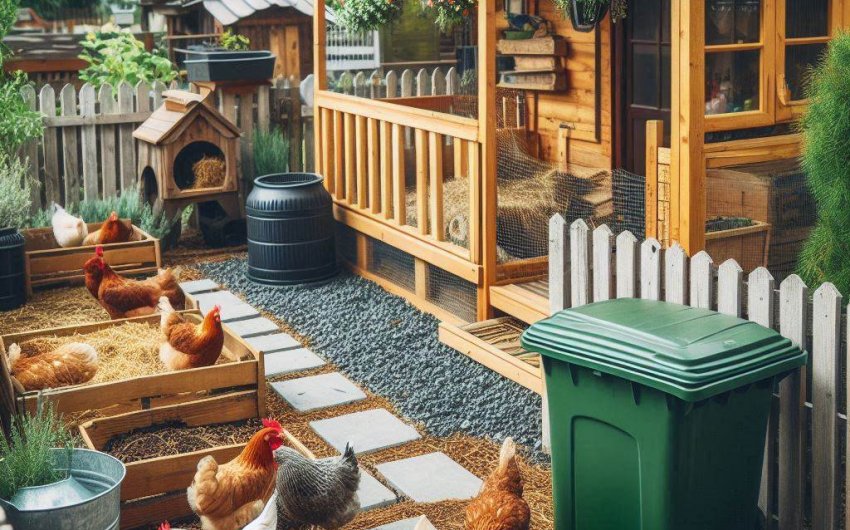
If you're a backyard chicken keeper, you know that those delightful feathered friends produce more than just eggs; they also generate a lot of waste. Instead of sending that waste to a landfill, you can turn it into a valuable resource for your garden: composted chicken manure. This "black gold" is packed with nutrients that your plants will love. However, there's a right way and a wrong way to use chicken manure. Raw chicken manure can be too strong for plants and even contain harmful bacteria. Learning how to compost chicken manure safely and effectively is key to transforming a potential problem into a powerful garden booster.
Why Compost Chicken Manure?
You might wonder why you can't just put fresh chicken poop directly into your garden. There are a few very good reasons why composting is essential:
- High Nitrogen Content: Fresh chicken manure is very high in nitrogen. While nitrogen is a crucial nutrient for plant growth, too much can "burn" your plants, damaging their roots and leaves. Composting helps break down and stabilize this nitrogen, making it safer for plants to use.
- Pathogens (Bad Bacteria): Raw chicken manure can contain harmful bacteria like E. coli and Salmonella. These pathogens can contaminate edible crops and pose a health risk to humans. The high temperatures achieved during proper composting kill most of these harmful bacteria, making the finished compost safe to use.
- Ammonia Smell: Fresh chicken manure often has a strong ammonia smell, which is unpleasant and indicates a loss of valuable nitrogen to the air. Composting helps trap this nitrogen in the organic matter, reducing odor and making more nutrients available for your plants.
- Weed Seeds: If your chickens free-range or eat weeds, their droppings might contain weed seeds. Composting helps destroy many of these seeds, preventing them from sprouting in your garden.
- Improved Soil Structure: Composted chicken manure adds organic matter to your soil. This improves soil structure, helping sandy soils hold more water and nutrients, and making heavy clay soils looser and better drained.
The Essentials of Composting: Browns, Greens, Air, and Water
Successful composting chicken manure relies on the same basic principles as any other composting project. You need the right mix of ingredients and conditions for the microscopic decomposers to do their work.
- Carbon ("Browns"): These are dry, woody, or fibrous materials. They provide energy for the microbes and help create air pockets in the pile. Examples include wood shavings, straw, dry leaves, shredded newspaper, and cardboard. Chicken bedding like pine shavings or straw also counts as a brown.
- Nitrogen ("Greens"): These are moist, fresh, and often green materials. They provide protein for the microbes and heat up the pile. Fresh chicken manure is an excellent "green" material. Other examples include grass clippings, kitchen scraps (fruit and vegetable peels), and fresh plant trimmings.
- Air (Oxygen): Microbes that do the best composting (aerobic microbes) need oxygen to live and thrive. Without enough air, your pile will become anaerobic (without air), leading to foul odors and very slow decomposition. Turning your pile helps add air.
- Water (Moisture): The microbes need water to survive and move around. Your compost pile should feel consistently moist, like a well-wrung-out sponge, but not soggy.
Setting Up Your Compost System for Chicken Manure
Before you start tossing in chicken poop, you'll need a suitable composting system.
1. Choose Your Composting Method
- Compost Bins: A dedicated compost bin is a good choice for containing the material and making turning easier. You can use a sturdy plastic compost bin, build a simple wooden compost bin (pallet-style is popular), or opt for a compost tumbler. A compost tumbler is especially convenient for turning the pile often.
- Three-Bin System: For larger quantities of chicken manure, a three-bin composting system is ideal. One bin holds fresh materials, one holds the active, hot composting pile, and the third holds the finished, curing compost.
- Open Pile: For very large quantities, a simple open pile works, but it might be harder to maintain heat and keep pests away.
2. Location, Location, Location
Place your compost pile or compost bin in a convenient but appropriate spot:
- Sunny or Shady? A spot that gets some sun can help heat the pile, but too much direct sun can dry it out quickly. A partially shaded area is often ideal.
- Drainage: Ensure the area drains well to prevent waterlogging.
- Proximity: Place it close enough to your chicken coop for easy transfer of manure, but far enough from your house to avoid any potential odors (though a well-managed pile shouldn't smell bad).
- Access to Water: Make sure you can easily reach the pile with a garden hose or watering can.
The Composting Process: Step-by-Step
Now, let's get into the nitty-gritty of composting chicken manure.
Step 1: Gather Your Ingredients
You'll need a good balance of "browns" and "greens."
- Chicken Manure (Greens): Collect the droppings and any soiled bedding from your chicken coop. This is your primary nitrogen source. A chicken coop cleaning tool can help with collection.
- Carbon-Rich "Browns": This is crucial for balancing the high nitrogen of the manure. Aim for a ratio of about 2-3 parts browns to 1 part greens by volume.
- Ideal Browns: Wood shavings or pine shavings (often used as chicken bedding) are excellent because they are already mixed with the manure. Straw is also fantastic.
- Other Browns: Dry leaves, shredded newspaper, cardboard (tear into small pieces), sawdust, and wood chips are all good options. Keep a large supply of these browns on hand. A leaf shredder or wood chipper can help break down larger brown materials.
- Optional - Soil or Finished Compost: Adding a shovel-full of existing soil or finished compost can help introduce beneficial microbes to kickstart the process.
Step 2: Layering Your Compost Pile
Layering helps create the right mix and airflow.
- Start with a base of browns: Lay down a 6-inch layer of coarse, carbon-rich material like straw, wood chips, or small branches. This improves drainage and airflow at the bottom.
- Add a layer of greens: Place a 2-4 inch layer of chicken manure and soiled bedding on top of the browns.
- Cover with browns: Add another thick layer (6-8 inches) of dry browns. This step is critical! It helps balance the nitrogen, absorbs excess moisture, and minimizes odors.
- Repeat: Continue alternating layers of greens and browns.
- Moisten each layer: As you build each layer, moisten it with water until it's damp, like a wrung-out sponge. Use a watering can or a garden hose with a gentle spray. Don't let it get soggy.
Step 3: Turning Your Compost Pile
Turning is essential for aeration and even decomposition. It mixes the ingredients, brings new oxygen to the microbes, and helps the pile heat up.
- Frequency: For a hot, active pile, aim to turn it every few days (every 3-7 days) when the internal temperature starts to drop. If you have a compost thermometer, turn when it drops below 100°F (38°C).
- Tools: Use a compost aerator, a pitchfork, or a garden fork to thoroughly mix the pile. If using a compost tumbler, simply rotate it every day or two.
- Moisture check: Every time you turn, check the moisture level using the "sponge test." Add water if it's too dry, or add more dry browns if it's too wet.
Step 4: Maintaining Moisture and Heat
- Moisture: As mentioned, maintain that "wrung-out sponge" consistency. You might need to water more frequently during hot, dry weather and less often when it's rainy or cool.
- Heat: A healthy, active compost pile with chicken manure will often heat up quickly, reaching temperatures of 120°F to 160°F (49°C to 71°C) in the center. This high temperature is what kills most pathogens and weed seeds. If your pile isn't heating up, it's likely too dry, lacks enough nitrogen (add more greens), or needs turning for more air. A compost thermometer is invaluable for monitoring temperature.
- Covering (Optional): In very rainy areas, a tarp or a compost bin lid can help prevent the pile from getting waterlogged. In very dry, sunny areas, a cover can help retain moisture.
Step 5: Knowing When It's Ready
Composted chicken manure is ready when it meets these criteria:
- Color: It should be dark brown or black.
- Texture: It should be crumbly and earthy, with no recognizable chunks of original materials (except possibly some very slow-to-break-down wood chips).
- Smell: It should smell like fresh earth or damp forest floor, not like ammonia or anything rotten.
- Temperature: It should be cool to the touch, meaning the active composting process has finished.
- Timeframe: Hot composting can finish in 2-4 months if managed well (regular turning and moisture checks). Passive composting will take longer, often 6 months to a year or more.
Using Composted Chicken Manure in Your Garden
Once your chicken manure compost is ready, it's a fantastic addition to your garden.
- As a Top Dressing: Spread a 1-2 inch layer over your garden beds in spring or fall. Gently rake it into the top few inches of soil.
- Amending Garden Soil: Mix it into new garden beds or when planting. It's excellent for improving soil structure and fertility.
- For Potted Plants: Mix a small amount (about 10-20% by volume) into your potting soil mix for an extra nutrient boost.
- Side Dressing: For hungry plants during the growing season, you can gently scratch some compost into the soil around their base, being careful not to disturb shallow roots.
Important Safety Considerations
While composting makes chicken manure safe, always follow these precautions:
- Wash Your Hands: Always wash your hands thoroughly with soap and water after handling fresh chicken manure or working with your compost pile.
- Gloves: Wear gardening gloves when handling fresh manure and when working with your compost pile or spreading finished compost.
- Avoid Fresh Manure on Edibles: NEVER apply fresh chicken manure directly to food crops, especially leafy greens or root vegetables that you will eat without cooking. Always compost it first.
- Compost Maturity: Ensure the compost is fully mature and has gone through a hot composting phase if you plan to use it on edible crops. If you are unsure if it reached high temperatures, only use it on ornamental plants or apply it to vegetable beds in the fall, allowing several months for decomposition and pathogen reduction before spring planting.
- Respiratory Protection: If you are turning a very dusty pile, consider wearing a dust mask to avoid inhaling airborne particles.
By following these guidelines, you can safely and effectively transform your chicken coop waste into a nutrient-rich amendment that will make your garden thrive. It’s a sustainable, rewarding practice that benefits both your plants and the environment. Happy composting!