
How to Make Your Bonsai Tree Grow?
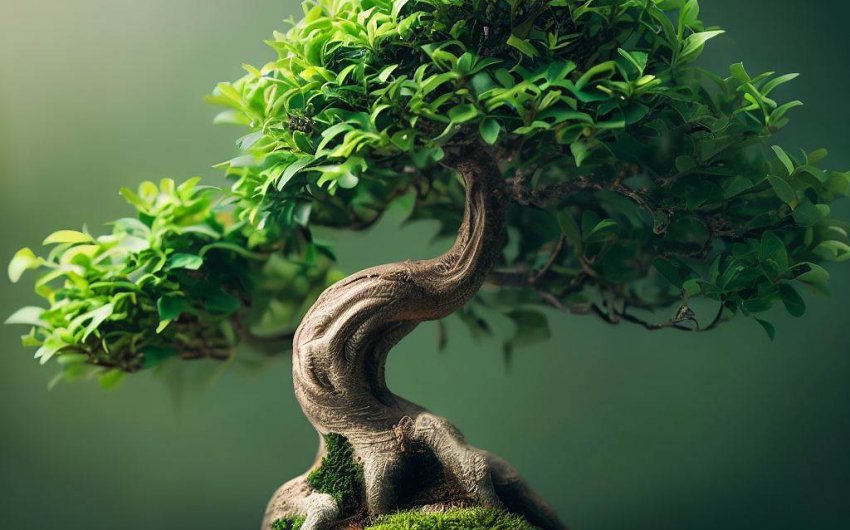
To make your bonsai tree grow, provide it with the right balance of sunlight, water, and nutrients specific to its species, alongside careful pruning and repotting. Consistent care, focused on encouraging vigorous root and shoot development while maintaining its miniaturized form, is key to a healthy, developing bonsai.
What exactly is a bonsai tree and how does it grow?
A bonsai tree is not a genetically dwarf plant; rather, it is a normal tree or shrub meticulously trained and cultivated to remain miniature through specific horticultural practices. The art of bonsai involves continuous shaping, pruning, and nurturing to create a living, scaled-down replica of a mature tree found in nature, all while fostering healthy growth. It's a continuous journey of growth, refinement, and artistic expression.
What are the core principles of bonsai growth?
Understanding how bonsai grow is fundamental to cultivating them successfully. It's a delicate balance of encouraging health while restricting size.
- Miniaturization, Not Stunting: The goal of bonsai is to achieve miniaturization without stunting the plant's health. A healthy bonsai grows vigorously, just in a controlled, confined space.
- Root and Shoot Pruning: These are the primary techniques for size control.
- Root Pruning: Regularly pruning the roots (during repotting) prevents the tree from becoming pot-bound and encourages the growth of fine, feeder roots crucial for nutrient uptake, without allowing the root system to grow large enough to support a full-sized tree.
- Shoot Pruning: Continuously pruning branches and leaves reduces the overall mass of the tree, which in turn signals to the roots that they don't need to grow larger, helping to keep the tree miniature.
- Confined Environment (Pot): Growing in a shallow, small pot naturally restricts the root system, which then limits the top growth.
- Balance of Growth: Bonsai artists aim for a balance between the top growth (foliage, branches) and the root growth. Healthy roots support healthy leaves, and healthy leaves produce the energy for root development.
- Hormonal Control: Pruning foliage encourages the growth of smaller leaves and shorter internodes (spaces between leaves) as the tree produces hormones to try and replace lost growth.
- Continuous Process: Bonsai is a living art form. The tree is constantly growing, and thus requires continuous care, pruning, and adjustment to maintain its shape and health. It's never "finished."
How do different tree types affect bonsai growth?
The type of tree you choose dramatically impacts its growth rate, care requirements, and how it responds to bonsai techniques.
- Deciduous Trees (e.g., Maples, Elms, Oaks):
- Growth: Typically have a strong growth spurt in spring, followed by slower growth in summer. They shed leaves in fall, revealing their branch structure.
- Pruning: Best pruned in early spring (before leaf-out) for major structural work, and defoliated (removing all leaves) in summer to encourage smaller leaves and more ramification (fine branching).
- Winter Care: Require a dormant period outdoors in cold weather.
- Appearance: Valued for their seasonal changes and exposed branch structure in winter.
- Coniferous Trees (e.g., Pines, Junipers, Spruces):
- Growth: Grow continuously (though slowly) during warmer months. They retain their needles year-round.
- Pruning: Pines are often "candled" (removing new growth shoots) in spring to control growth and encourage back-budding. Junipers are wired and pruned by pinching.
- Winter Care: Require protection from extreme cold and wind, but generally need a cool dormant period.
- Appearance: Valued for their evergreen foliage and rugged, aged appearance.
- Tropical Trees (e.g., Ficus, Dwarf Schefflera, Jade):
- Growth: Grow year-round in warm conditions, often without a true dormancy.
- Pruning: Can be pruned anytime, as long as they are healthy. Respond quickly with new growth.
- Winter Care: Must be kept indoors above freezing temperatures.
- Appearance: Valued for their vibrant, often glossy foliage year-round and ability to live indoors.
- Subtropical Trees (e.g., Olive, Chinese Elm):
- Growth: Experience some seasonal slowdown but often don't have a deep winter dormancy unless exposed to cold.
- Pruning: Can be pruned during the growing season.
- Winter Care: Can often tolerate cooler temperatures than tropicals but need protection from hard freezes.
Understanding these inherent growth patterns helps in applying the appropriate watering, feeding, and pruning strategies to make your bonsai tree grow healthily and achieve its desired form.
What are the essential environmental factors for a growing bonsai?
Just like full-sized trees, bonsai trees depend entirely on their environment to thrive. Because they are grown in small pots, controlling these environmental factors becomes even more critical. Getting the right balance of light, temperature, and fresh air is fundamental to healthy bonsai growth.
How much sunlight does a bonsai tree need?
Sunlight is the primary source of energy for photosynthesis, and thus, for all growth.
- Abundant Sunlight is Crucial: Most bonsai trees (especially outdoor species like pines, maples, junipers) require at least 6 hours of direct, unfiltered sunlight per day, preferably more.
- Prioritize Morning Sun: Morning sun is generally less intense and very beneficial, helping to dry dew from leaves and preventing fungal diseases.
- Afternoon Sun Considerations:
- In hot climates (USDA Zones 8+), some protection from the most intense afternoon sun (from 1 PM to 4 PM) may be necessary for deciduous trees or those with delicate leaves, to prevent scorching. Shade cloth can be used.
- Conifers generally tolerate full sun all day, even in hot climates, as long as they are well-watered.
- Indoor Bonsai:
- Indoor bonsai (tropical and subtropical species) need the brightest possible location. A south-facing window (in the Northern Hemisphere) is ideal.
- Grow Lights: If natural light is insufficient, supplement with full-spectrum LED grow lights for 12-16 hours per day. Without enough light, indoor bonsai will become weak, leggy, and prone to pests. A good option is LED grow lights for indoor plants.
- Signs of Insufficient Light: Small, pale leaves; leggy growth (long distances between leaves); few new buds; dull color; increased susceptibility to pests.
What are the ideal temperature ranges for bonsai?
Temperature requirements vary significantly depending on the bonsai species, especially regarding dormancy.
- Outdoor Bonsai (Deciduous and Coniferous):
- Seasonal Fluctuations: These trees need to experience the natural seasonal temperature fluctuations of their native climate, including a cold dormant period in winter (temperatures consistently below 45°F or 7°C for several months).
- Frost Protection: While they need cold, their roots in shallow bonsai pots are very vulnerable to repeated freezing and thawing. Protect pots by burying them in the ground, placing them in an unheated garage, or insulating them in a cold frame.
- Summer Heat: Tolerant of summer heat, but require increased watering.
- Indoor Bonsai (Tropical and Subtropical):
- Consistent Warmth: Prefer stable room temperatures, typically 65-75°F (18-24°C).
- Avoid Cold Drafts: Protect from sudden cold drafts from windows or air conditioning vents, which can stress them.
- No Frost: Must be kept indoors or in a greenhouse when outdoor temperatures drop below 50°F (10°C).
- Signs of Incorrect Temperature: Stunted growth, leaf drop, yellowing leaves, increased susceptibility to pests, or failure to bud/flower.
Why is good air circulation so important for bonsai?
Air circulation is often overlooked but plays a vital role in bonsai health.
- Disease Prevention: Good airflow helps to dry foliage quickly after watering or rain, significantly reducing the incidence of fungal diseases like powdery mildew and black spot. Stagnant, humid air encourages pathogen growth.
- Root Health: Air exchange in the soil (facilitated by well-draining soil and aeration) provides oxygen to the roots, which is crucial for nutrient and water uptake.
- Pest Deterrence: Good air circulation can help deter certain pests, like spider mites, which thrive in stagnant conditions.
- Outdoor vs. Indoor:
- Outdoor Bonsai: Generally receive ample natural airflow. Place them on benches or stands, not directly on the ground, to maximize circulation.
- Indoor Bonsai: Often suffer from poor air circulation. Use a small fan on a low setting to gently move air around them, especially in humid environments like terrariums.
By meticulously managing light, temperature, and air circulation, you create a stable and conducive environment that allows your bonsai tree to grow vigorously and maintain its intricate beauty.
How do I correctly water and fertilize a growing bonsai?
Watering and fertilizing a bonsai tree require a more precise and attentive approach than for conventional potted plants. Due to their shallow root systems in small pots, they dry out quickly and have specific nutrient needs that directly impact their health and controlled growth.
How often should I water my bonsai tree?
Watering is perhaps the most critical daily task for a bonsai, directly affecting its survival.
- The "When to Water" Rule: Never water on a fixed schedule. Instead, water when the top of the soil feels slightly dry to the touch. The frequency will vary greatly depending on:
- Species: Some prefer slightly more moisture, others more dryness.
- Season: More in summer (active growth, heat), less in winter (dormancy, cold).
- Pot Size: Smaller pots dry faster.
- Pot Material: Unglazed terra cotta dries faster than glazed ceramic.
- Weather: Hot, sunny, or windy weather increases drying.
- The "How to Water" Rule: When you do water, water thoroughly until water drains freely from the bottom of the pot.
- Repeat Application: Often, you'll need to water, wait a few minutes for it to soak in, and then water again. This ensures the entire root ball is saturated.
- Soaking (if very dry): If the soil becomes extremely dry and shrinks away from the pot sides (becoming hydrophobic), submerge the entire pot in a basin of water for 5-10 minutes until bubbles stop, then let it drain.
- Pure Water: Whenever possible, use rainwater or distilled water, especially if your tap water is very hard (high mineral content). Minerals can build up in the small pot over time, harming roots.
- Avoid Overwatering: Continuously soggy soil will lead to root rot, which is often fatal for bonsai. Ensure your pot has ample drainage holes.
- Signs of Underwatering: Leaves wilt, droop, turn crispy, or drop. Soil is bone dry.
- Signs of Overwatering: Leaves turn yellow, become mushy, or drop. Growth is stunted. The trunk might feel soft near the soil line. A soil moisture meter can help accurately gauge when to water.
What kind of fertilizer does a bonsai tree need and how often?
Bonsai trees require consistent feeding to support vigorous, healthy growth within their confined environment, but with careful moderation.
- Regular Feeding During Growing Season: Fertilize regularly during the tree's active growing season (typically spring through early fall). Cease or significantly reduce fertilization during dormancy (winter for outdoor bonsai, periods of slow growth for indoor bonsai).
- Balanced Fertilizer: Use a balanced, liquid bonsai fertilizer or a specialized slow-release granular bonsai fertilizer. The N-P-K ratio can vary depending on the stage of growth or species.
- Spring/Early Summer (Growth): Slightly higher nitrogen (N) ratio to promote leafy growth.
- Late Summer/Fall (Hardening/Budding): Slightly lower nitrogen, higher phosphorus (P) and potassium (K) to encourage root development, flowering, and winter hardiness.
- Diluted Strength: Always apply liquid fertilizers at a diluted strength (often half the recommended strength for potted plants) to avoid burning the roots.
- Application Method:
- Liquid: Apply diluted liquid fertilizer to moist soil (never to dry soil, which can cause root burn) after watering.
- Granular/Pellets: Place slow-release pellets on the soil surface, allowing nutrients to release gradually.
- Avoid Over-Fertilizing: Too much fertilizer can burn roots, cause excessive, unnatural growth, and lead to problems with leaf size and overall aesthetics. More is not better for bonsai.
- Observe Your Tree: Pay attention to how your tree responds. If growth is too vigorous or leaves are becoming too large, reduce fertilizer. If growth is weak, ensure adequate feeding.
What is the best potting mix for bonsai?
The right potting mix is fundamental to successful watering and root health for bonsai.
- Extremely Well-Draining and Aerated: Bonsai soil is not conventional potting soil. It must drain extremely quickly while still retaining some moisture. It also needs to provide ample air to the roots.
- Inorganic Components: The best bonsai mixes are primarily composed of inorganic, granular materials that don't break down quickly:
- Akadama: A Japanese hard-baked clay granule, excellent for drainage and water retention, and indicates when it's dry by changing color.
- Pumice: Porous volcanic rock, excellent for aeration and moisture retention.
- Lava Rock: Provides drainage and aeration.
- Kiryu: Crushed hard clay, often used for conifers.
- Perlite: Can be used as a component.
- Organic Component (Small Amount): A small percentage (10-20%) of high-quality organic matter like pine bark fines or sphagnum peat moss can be added for some water retention and nutrient exchange.
- DIY Mix (Common for Beginners): A simple beginner mix might be 1 part coarse sand/grit, 1 part perlite, and 1 part pine bark fines (or a small amount of sphagnum peat moss).
- Avoid: Regular potting soil, garden soil, or fine sand, as these compact and retain too much water, leading to root rot.
- Pre-moisten: Always thoroughly pre-moisten your bonsai potting mix with water before repotting.
By diligently managing watering according to soil dryness, providing balanced and diluted fertilization, and using a specialized, fast-draining potting mix, you ensure your bonsai tree grows healthily and can be effectively shaped over its long life.
How do I prune and repot my growing bonsai tree?
Pruning and repotting are the twin pillars of bonsai art, directly controlling a tree's size, shape, and health. These are not merely maintenance tasks but fundamental techniques that make a bonsai tree grow according to its artistic vision while keeping it vigorous.
What are the different types of bonsai pruning?
Bonsai pruning is a continuous process that involves various techniques, each with a specific purpose.
- Structural Pruning (Major Pruning):
- Purpose: To establish the basic framework of the tree – the main trunk line and primary branches. This is typically done on raw material or developing bonsai.
- Timing: For deciduous trees, this is best done during late winter/early spring dormancy (before bud break) when you can clearly see the structure. For conifers, timing varies by species but is often done during periods of slower growth to avoid excessive sap bleeding.
- Technique: Involves removing larger branches or significant portions of the trunk. Use concave cutters to create wounds that heal cleanly without unsightly knobs.
- Maintenance Pruning (Detail Pruning/Refinement Pruning):
- Purpose: To refine the tree's shape, encourage ramification (fine branching), reduce leaf size, and maintain density. This is done regularly throughout the growing season.
- Timing: Performed during the active growing season.
- Technique:
- Pinching/Clipping: Pinching or clipping off new shoots or leaves using sharp shears or your fingers. For deciduous trees, you might cut back new growth to 1-2 sets of leaves. For pines, "candling" (removing new candle-like shoots) is common.
- Defoliation (for deciduous): For some deciduous species, removing all healthy leaves in early to mid-summer can force a new flush of smaller leaves and finer branching. This is an advanced technique for very healthy trees.
- Root Pruning:
- Purpose: To restrict root growth (which limits top growth), remove old, thick roots, and encourage the growth of new, fine feeder roots that efficiently absorb water and nutrients.
- Timing: Always done during repotting.
Step-by-step guide to basic pruning for a growing bonsai
Always use sharp, clean tools designed for bonsai to make precise cuts. A good bonsai pruning kit is a valuable investment.
- Sanitize Tools: Clean your bonsai shears or concave cutters with rubbing alcohol before and after use.
- Observe Your Tree: Step back and look at the overall shape. Identify branches that are too long, growing in the wrong direction, crossing, or making the tree look unbalanced.
- Make Cuts Above a Bud/Node: For deciduous trees, always cut just above a leaf node or an outward-facing bud. This encourages new growth in the desired direction. For conifers, follow species-specific guidelines (e.g., pinching new candles on pines).
- Remove Downward/Upward/Inward Growth: Prioritize removing branches that are growing straight down, straight up, or directly towards the center of the tree.
- Thin Out Dense Areas: Remove some leaves or small branches in dense areas to improve light penetration and air circulation, especially for pads of foliage.
- Allow Wounds to Heal: For larger cuts, you can apply cut paste to help the wound heal cleanly and prevent disease, especially for deciduous trees.
When and how do I repot a bonsai tree?
Repotting is a critical technique that directly impacts a bonsai's long-term health and development.
- When to Repot: Bonsai trees need to be repotted periodically.
- Frequency: Younger, fast-growing trees (under 10 years old) may need repotting every 1-2 years. Older, more established trees every 3-5 years. Tropical bonsai may need it annually.
- Signs: Look for roots growing out of the drainage holes, water draining very slowly, or the tree becoming top-heavy.
- Timing: The best time is in early spring, just before new growth begins. This allows the tree to recover quickly during its active growing season.
- Choosing a New Pot:
- Generally, if the root ball still fits in the existing pot after pruning, you can reuse the same pot.
- If you need to go larger, choose a pot that is only slightly larger (e.g., 1-2 inches wider and deeper) to continue the miniaturization process.
- Ensure the pot has adequate drainage holes.
- Step-by-step Repotting:
- Prepare New Pot and Soil: Place a layer of fresh, well-draining bonsai soil mix over the drainage holes of the clean pot. You might use drainage mesh over the holes to prevent soil loss.
- Remove Tree: Gently remove the tree from its old pot. Use a root hook or chopstick to carefully loosen the roots from the sides of the pot.
- Root Pruning: This is the most important part. Using clean, sharp root shears, prune away a portion of the outer and bottom roots.
- For healthy trees, you might remove 1/4 to 1/3 of the total root mass, focusing on thick, circling roots and leaving finer feeder roots.
- Aim for a flat, radial root spread if possible.
- Reposition Tree: Place the tree back into the pot, ensuring its base is at the correct height and orientation (often slightly above the rim of the pot to show off nebari, or root flare). You might use tie-down wire threaded through drainage holes to anchor the tree securely.
- Fill with Soil: Carefully work fresh bonsai soil mix around the roots using a chopstick to ensure no air pockets remain.
- Water Thoroughly: Water immediately and deeply until water drains clear from the bottom. Repeat several times.
- Post-Repotting Care: Keep the newly repotted bonsai in a sheltered, slightly shadier spot for 2-4 weeks to recover from transplant shock. Avoid heavy fertilization immediately.
By diligently applying these specialized pruning and repotting techniques, you actively participate in making your bonsai tree grow healthily, while simultaneously shaping it into a living work of art that continues to evolve.
How do I address common problems and ensure a healthy bonsai?
Even with meticulous care, bonsai trees can encounter problems. Recognizing these issues early and knowing how to address them is crucial for maintaining a healthy, growing bonsai. Persistence and keen observation are your best tools.
Why are my bonsai leaves turning yellow or dropping?
Leaf discoloration or drop is a common indicator of underlying stress.
- Yellowing Leaves:
- Overwatering (Most Common): If leaves turn yellow, become soft or mushy, and growth is stunted, it's often a sign of waterlogged roots and root rot.
- Solution: Immediately check soil moisture. Allow the soil to dry out. If severe, repot and prune rotten roots. Adjust watering.
- Underwatering: If leaves turn yellow, crisp, and then drop, or if the soil is bone dry, the tree is dehydrated.
- Solution: Water thoroughly using the "soak and dry" method. Increase watering frequency.
- Nutrient Deficiency: If yellowing is widespread or between veins, it could be a lack of specific nutrients (e.g., iron deficiency in alkaline soil).
- Solution: Check soil pH. Fertilize with a balanced bonsai fertilizer.
- Lack of Sunlight: Weak yellowing and sparse growth.
- Solution: Move to a brighter location.
- Overwatering (Most Common): If leaves turn yellow, become soft or mushy, and growth is stunted, it's often a sign of waterlogged roots and root rot.
- Leaf Drop:
- Overwatering/Underwatering: Both extremes can cause leaf drop.
- Sudden Environmental Change: Moving an indoor bonsai to a new location with different light/temperature/humidity can cause shock and leaf drop.
- Dormancy (Deciduous): Normal for deciduous trees in fall.
- Cold Damage: If exposed to freezing temperatures, leaves will often turn black or brown and drop.
- Pests: Heavy infestations (e.g., spider mites) can cause leaf yellowing and drop.
Why is my bonsai growth stunted or weak?
Stunted or weak growth indicates the tree isn't getting what it needs to produce energy.
- Insufficient Sunlight: The most common cause. Lack of energy for robust growth.
- Solution: Provide more direct sunlight or supplemental grow lights.
- Improper Watering: Both consistent overwatering (root rot) and persistent underwatering prevent roots from functioning efficiently.
- Solution: Adjust watering to the "soak and dry" method.
- Poor Soil/Rootbound: Old, compacted soil or an excessively root-bound tree inhibits root function.
- Solution: Repot with fresh, well-draining bonsai soil and prune roots.
- Nutrient Deficiency: Chronic lack of fertilization.
- Solution: Fertilize regularly during the growing season with a balanced bonsai fertilizer.
- Pests or Disease: Chronic pest infestations or diseases can divert the tree's energy.
- Solution: Inspect for and treat pests/diseases.
- Insufficient Dormancy (for outdoor species): If an outdoor bonsai doesn't get enough chilling hours, it might have weak spring growth.
What are common pests and diseases of bonsai trees?
Bonsai are susceptible to the same pests and diseases as full-sized trees, though the enclosed pot environment can sometimes exacerbate issues.
- Pests:
- Aphids, Mealybugs, Scale: Sap-sucking insects that weaken plants and can lead to sooty mold.
- Solution: Manual removal, blast with water, dab with rubbing alcohol, use insecticidal soap or neem oil.
- Spider Mites: Tiny pests causing stippling and fine webbing, especially in hot, dry, stagnant conditions.
- Solution: Increase humidity, spray with water, use insecticidal soap/neem oil.
- Fungus Gnats: Adult gnats are annoying, but their larvae can feed on fine roots in overly moist organic soil.
- Solution: Allow soil to dry slightly between waterings.
- Aphids, Mealybugs, Scale: Sap-sucking insects that weaken plants and can lead to sooty mold.
- Diseases (Often Fungal):
- Powdery Mildew: White, powdery coating on leaves. Favors high humidity and poor air circulation.
- Solution: Improve air circulation, ensure good light, remove affected leaves.
- Black Spot: Dark spots on leaves, especially roses and elms. Favors prolonged leaf wetness.
- Solution: Water foliage early, improve air circulation, remove affected leaves.
- Root Rot: Caused by overwatering or poor drainage.
- Solution: Correct watering, improve soil drainage.
- Powdery Mildew: White, powdery coating on leaves. Favors high humidity and poor air circulation.
How do I prevent these problems and ensure long-term health?
Proactive care and vigilance are the best defenses.
- Optimal Environment: Provide consistent bright light, correct temperature range (including dormancy for outdoor species), and good air circulation.
- Correct Watering: Master the "soak and dry" method with well-draining bonsai soil.
- Appropriate Fertilization: Fertilize regularly but sparingly during the growing season.
- Regular Inspection: Routinely inspect your bonsai (undersides of leaves, branch crotches, soil surface) for any early signs of pests, discoloration, or changes in growth. Early detection is key.
- Sanitation: Keep the area around your bonsai clean. Remove dead leaves, fallen debris. Sterilize tools before and after pruning.
- Quarantine New Plants: Isolate new bonsai for a few weeks before introducing them to your collection to prevent pest spread.
- Understand Your Species: Research the specific needs of your bonsai tree, as care requirements vary significantly between species.
By maintaining these fundamental care practices and remaining observant, you empower your bonsai tree to grow vibrantly and beautifully, developing its character and ensuring its long-term health as a living work of art.