
Best Ways to Use Lantana as a Ground Cover
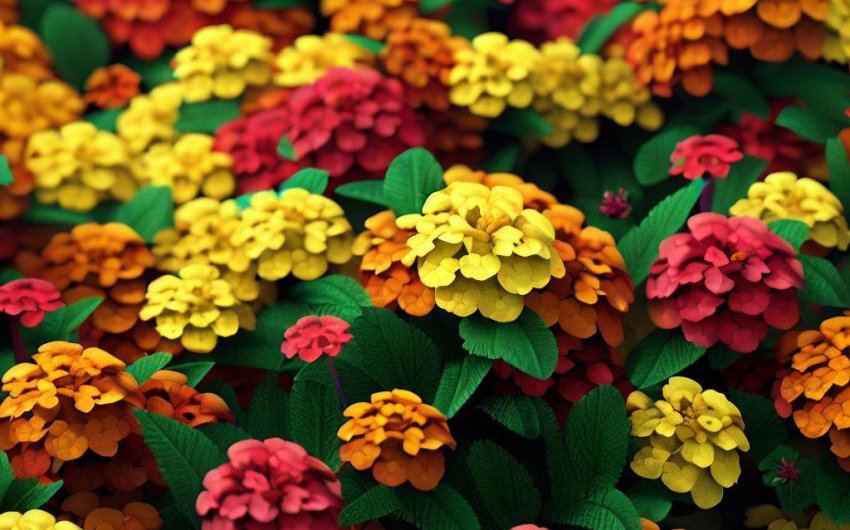
To use lantana as a ground cover, choose low-growing, spreading varieties and plant them in a location with full sun and well-draining soil. Ensure initial watering until established, then enjoy their drought tolerance, continuous blooms, and ability to attract pollinators while suppressing weeds.
What makes lantana an excellent choice for ground cover?
Lantana, particularly its low-growing, spreading varieties, is an exceptional choice for ground cover due to its unmatched combination of vibrant, continuous blooms, remarkable drought tolerance, and ability to thrive in challenging conditions. Its sprawling habit quickly fills spaces with color, suppresses weeds, and attracts beneficial wildlife, making it a highly functional and beautiful addition to many landscapes.
What are the distinctive features of lantana plants?
Lantana (Lantana camara and its hybrids/cultivars) possesses several characteristics that make it a standout ground cover plant.
- Vibrant, Multi-Colored Flowers: This is its most striking feature. Lantana produces clusters of small, trumpet-shaped flowers in an incredible array of colors, often with multiple hues (e.g., red, orange, yellow, pink) within a single cluster. The colors can even change as the flowers mature.
- Continuous Blooms: Lantana is a prolific bloomer, producing flowers almost non-stop from spring until the first hard frost. This provides season-long color, which is a major advantage for ground cover.
- Drought Tolerance: Once established, lantana is exceptionally drought-tolerant, making it an ideal choice for water-wise landscaping, xeriscaping, or areas that don't receive consistent irrigation.
- Heat Tolerance: It thrives in hot, sunny conditions and is unfazed by scorching summer temperatures, making it a star performer in regions with intense summers.
- Spreading/Trailing Habit: Many varieties grow with a low, sprawling, or trailing habit, naturally covering large areas of ground. This dense growth helps suppress weeds.
- Aromatic Foliage: The leaves have a distinct, somewhat pungent aroma when crushed. This can deter deer and some other pests.
- Attracts Pollinators: The vibrant flowers are a magnet for butterflies, bees, and hummingbirds, bringing life and activity to your garden.
- Evergreen/Semi-Evergreen: In warmer climates (USDA Zones 9-11), lantana can be evergreen or semi-evergreen, providing year-round foliage. In cooler zones, it's typically grown as an annual.
Why is lantana considered a versatile and resilient plant?
Lantana's inherent toughness and adaptability contribute to its widespread use.
- Tolerant of Poor Soil: While it prefers well-draining soil, lantana is quite forgiving of lean, rocky, or less fertile soils. It doesn't demand rich, highly amended soil.
- Pest and Disease Resistant: Generally, lantana is a very robust plant that suffers from few serious pest or disease problems, especially when grown in its preferred full-sun conditions.
- Low Maintenance: Once established, it requires minimal care, usually just occasional pruning to maintain shape and encourage more blooms. No deadheading is typically needed.
- Salt Tolerance: Many varieties show good tolerance to salt spray, making them suitable for coastal gardens.
- Deer Resistant: The aromatic foliage is generally unpalatable to deer, making it a good choice in areas with deer pressure.
The combination of its dazzling floral display, exceptional hardiness, and minimal care requirements makes lantana an outstanding and highly functional ground cover plant for many gardeners.
What varieties of lantana are best suited for ground cover?
When selecting lantana for ground cover, the key is to choose varieties specifically bred for a low-growing, spreading habit rather than upright shrub forms. These cultivars are designed to carpet the ground effectively, providing maximum coverage and floral impact.
What characteristics define a good ground cover lantana?
Look for these specific traits when choosing lantana varieties for ground cover applications.
- Low-Growing Habit: The most important characteristic. Look for varieties described as "creeping," "spreading," "trailing," or with a mature height of generally under 18-24 inches (45-60 cm). These will quickly cover horizontal space.
- Vigorous Spread: A good ground cover should spread enthusiastically, forming a dense mat that effectively suppresses weeds. Check the plant tag for the mature spread, often 2-4 feet (60-120 cm) or more per plant.
- Sterile or Low-Seeding: This is a crucial consideration, especially in warm, frost-free climates where lantana can become invasive. Many modern ground cover cultivars are bred to be sterile or produce very few viable seeds, which greatly reduces their invasive potential. Look for terms like "sterile," "non-seeding," or "produces no berries." This also means no messy black berries.
- Continuous Blooming: All lantanas are good bloomers, but ground cover varieties should produce an unbroken display of flowers from spring until frost.
- Good Disease/Pest Resistance: While most lantanas are tough, choosing varieties known for strong performance adds an extra layer of reliability.
What are some highly recommended ground cover lantana varieties?
Here are some popular and reliable lantana cultivars specifically suited for ground cover use:
- 'Luscious® Lemonade' (Proven Winners): A fantastic spreading variety with bright yellow blooms. Known for being sterile (no berries), extremely vigorous, and heat-tolerant. Spreads 2-4 feet wide.
- 'Luscious® Citrus Blend' (Proven Winners): Another excellent sterile spreader with a mix of red, orange, and yellow flowers in each cluster, creating a vibrant tropical look. Spreads similarly to 'Lemonade'.
- 'New Gold': An older, classic ground cover lantana, highly reliable, and very vigorous. It produces a profusion of bright gold-yellow flowers. It does produce some berries, so be mindful in warmer zones where it can escape cultivation. Spreads 2-3 feet wide.
- 'Trailing Lavender': As its name suggests, this variety produces soft lavender-purple flowers. It has a more delicate trailing habit, perfect for softening edges or cascading over walls. Can spread 2-3 feet.
- 'Confetti': A very popular variety that blooms with a mix of pink, yellow, and lavender flowers. It has a slightly more mounding, spreading habit than some strictly trailing types but still works well as a ground cover, reaching about 1-2 feet tall and 3-4 feet wide. It does produce berries.
- 'Bandana® Trailing Gold' / 'Bandana® Trailing Red' (Syngenta): Part of the Bandana series, these are compact, heat-tolerant, and spreading, offering distinct solid gold or red flowers with a good ground cover habit.
- 'Dallas Red': Known for its intense red-orange blooms, this variety has a moderate spreading habit, reaching about 1-2 feet tall and 2-3 feet wide.
- 'Horrida' (Weeping Lantana): Often used for its truly cascading habit, producing golden yellow flowers. This one can be quite vigorous and does produce berries.
When choosing, always check the plant tag for the specific mature height and spread, as well as any notes on invasiveness or sterility, to ensure it's the perfect fit for your ground cover needs.
Where is the best location to plant lantana for ground cover?
Selecting the right location for planting lantana as ground cover is crucial for maximizing its vibrant blooms and ensuring its vigorous, weed-suppressing spread. It requires specific conditions that play to its strengths as a sun-loving, drought-tolerant plant.
How much sunlight does ground cover lantana need?
Sunlight is the most critical factor for a thriving lantana ground cover.
- Full Sun is Essential: For the best possible performance – dense growth, continuous blooming, and vibrant color – lantana needs full sun, meaning at least 6-8 hours of direct sunlight per day.
- Prioritize Morning Sun: If you can provide 6+ hours, a location that receives abundant morning sun is ideal.
- Avoid Shade: In partial shade, lantana will become leggy and sparse, produce significantly fewer flowers, and its overall vigor will decline. The beautiful spreading habit won't develop properly. In deep shade, it will barely survive.
- Heat Tolerance: Lantana thrives in heat, so don't be afraid to plant it in the hottest, sunniest spots in your yard where other plants might struggle. This is where it truly shines.
What kind of soil is best for ground cover lantana?
Lantana is forgiving, but specific soil conditions optimize its health and spread.
- Well-Draining Soil (Most Important): This is non-negotiable. Lantana absolutely abhors "wet feet" and will quickly succumb to root rot in soggy, waterlogged soil. If you have heavy clay soil, it's essential to amend it extensively with organic matter and gritty materials.
- Lean, Average to Moderately Fertile Soil: Lantana is not a heavy feeder and does not require rich, highly amended soil. It actually performs very well in average garden soil and even somewhat lean, rocky, or sandy soils.
- Slightly Acidic to Neutral pH: Lantana generally prefers a soil pH between 6.0 and 7.5. A soil pH testing kit can help you determine your current soil acidity.
- Avoid Over-Amending: While improving drainage is key, don't over-amend with too much rich compost or fertilizers, as this can lead to excessive leafy growth at the expense of flowers.
What are ideal locations for ground cover lantana in the landscape?
Lantana's spreading habit and tough nature make it suitable for several challenging landscape areas.
- Sunny Banks and Slopes: Its root system helps control erosion on sunny banks and slopes, while its spreading habit quickly covers the area with color.
- Hot, Dry Areas: Perfect for areas that receive intense sun and dry out quickly, such as along driveways, sidewalks, or rock gardens, where other plants might wilt.
- Perennial Borders (Front of Border): Plant ground cover lantana at the front of a sunny perennial border, allowing it to spill over edges and provide continuous color.
- Between Stepping Stones/Pavers (with caution): For very infrequent light foot traffic, some varieties can be used between wide pavers, though it's not as soft or fine-textured as creeping thyme.
- Under Existing Shrubs (if enough sun): If you have an established, open-bottomed shrub that allows full sun to reach the ground beneath it, lantana can provide a colorful underplanting.
- Containers and Hanging Baskets: While this guide focuses on ground cover, trailing lantanas are spectacular in containers and hanging baskets, where their blooms can cascade.
- Pollinator Gardens: A natural fit for any garden designed to attract butterflies, bees, and hummingbirds.
By ensuring a location with full sun and excellent drainage, you create the perfect environment for your ground cover lantana to flourish, becoming a dazzling, low-maintenance feature in your landscape.
How do I prepare the soil for planting ground cover lantana?
Proper soil preparation is foundational for successfully establishing ground cover lantana. While lantana is known for its tolerance of lean conditions, ensuring excellent drainage is paramount, especially if your native soil is heavy clay.
What tools and materials do I need for soil preparation?
Gathering your tools and amendments beforehand will make the preparation process efficient.
- Garden Trowel, Spade, or Shovel: For digging and turning the soil.
- Garden Rake: For leveling the soil.
- Wheelbarrow (Optional): If you're moving a lot of material.
- Coarse Sand, Pea Gravel, or Perlite: Essential for improving drainage, especially in heavy clay soils.
- Compost (Optional, small amount): For a slight boost in fertility and structure, but avoid overdoing it.
- Soil pH Testing Kit: To check and adjust your soil's acidity if necessary. A good quality soil test kit can provide valuable insights.
- Watering Can or Hose: For moistening the soil.
Step-by-step guide to preparing your planting bed
Thorough preparation ensures the ideal well-draining conditions for creeping thyme.
- Clear the Area: Remove all existing weeds, grass, and debris from the planting site. This is crucial as lantana, especially when young, can struggle with competition. Ensure perennial weeds with deep roots are completely removed.
- Loosen the Soil: Dig down at least 8-12 inches deep (20-30 cm) with a spade or garden fork. Break up any compacted soil. This ensures the soil is loose and airy, promoting good root establishment and drainage.
- Assess and Amend Drainage:
- Perform a Drainage Test: Dig a small test hole about 12 inches deep and fill it with water. If the water takes more than 1-2 hours to drain, your soil has poor drainage.
- Amend Heavy Clay: If drainage is poor, mix in a significant amount of coarse horticultural sand, pea gravel, or perlite into the loosened soil. Aim for a mix that feels gritty and drains freely. You might need to add as much as 20-30% sand/gravel to heavy clay, along with some organic matter.
- Minimal Amendment for Sandy Soil: If your soil is already very sandy and drains extremely quickly, you may not need additional amendments, or perhaps a very small amount of compost for structure.
- Incorporate Small Amount of Organic Matter (Optional): If your soil is very lean, a thin layer (1-2 inches) of compost can be lightly worked into the top few inches of soil. This provides some initial nutrients and improves overall soil health, but remember, lantana thrives in less rich conditions.
- Check and Adjust pH: Use your soil pH testing kit to check the pH. Lantana prefers a slightly acidic to neutral pH (6.0-7.5). If your soil is very acidic, you can gradually raise it by adding a small amount of garden lime. Make adjustments slowly and retest.
- Create Mounds (for very poor drainage): If your drainage is exceptionally poor even after amendments, consider planting lantana on slightly raised mounds (6-12 inches high) to elevate the root crowns above persistently wet soil.
- Level the Bed: Rake the prepared soil smooth and level. Gently tamp it down slightly to remove large air pockets, but avoid compacting it.
- Water Lightly: Lightly water the prepared bed. This settles the soil and provides initial moisture for planting.
By meticulously following these steps, you'll create the ideal well-draining environment that ground cover lantana needs to establish quickly and thrive, ensuring a continuous display of vibrant color in your backyard.
How do I plant lantana for effective ground cover?
Planting lantana correctly is key to its successful establishment and its ability to spread rapidly into a dense, weed-suppressing ground cover. Attention to spacing, timing, and initial watering will ensure your lantana performs its best.
When is the best time to plant ground cover lantana?
Timing your planting correctly gives lantana the best start and reduces stress.
- Spring After Last Frost (Ideal): The best time to plant ground cover lantana is in spring, after all danger of frost has passed and the soil has thoroughly warmed up. This allows the plants to establish their root systems during the warm growing season before potential cold weather.
- Early Summer: Planting in early summer can also be successful, especially if you get strong, vigorous plants from a nursery. Ensure consistent watering during establishment.
- Avoid Fall/Winter: Do not plant lantana in late fall or winter, as it is tender and will not survive cold temperatures or establish roots before freezing weather arrives.
Step-by-step guide to planting ground cover lantana
Whether planting individual nursery plants or small flats, these steps will set your lantana up for success as a ground cover.
- Water Before Planting: Water the lantana plants thoroughly in their containers a few hours before planting. This helps reduce transplant shock and makes removal from pots easier.
- Prepare Planting Holes: Using a small trowel or your hands, dig holes that are just slightly wider and as deep as the root ball of your plants.
- Space Appropriately:
- For quick, dense coverage, space individual ground cover lantana plants about 1-2 feet apart (30-60 cm). This allows them enough room to spread and quickly grow together to form a solid mat.
- For a more economical approach or if you're patient, you can space them slightly further apart (2.5-3 feet), and they will eventually fill in, but it will take longer.
- Remove from Container: Gently slide the lantana plant from its nursery container. If the roots are circling or very dense, gently tease them apart at the bottom to encourage outward growth into the new soil.
- Position the Plant: Place the lantana plant into the prepared hole, ensuring the top of the root ball is level with the surrounding soil surface. Avoid planting too deep or too shallow.
- Backfill and Firm: Gently backfill the hole with your prepared soil, firming it around the root ball with your hands to remove any air pockets and ensure good contact between the roots and the new soil.
- Water Thoroughly: Immediately after planting, water the entire area deeply. This helps settle the soil around the roots and provides essential moisture for initial establishment. Using a gentle setting on your hose or a watering can is best to avoid disturbing the plants.
- Mulch (Optional but Recommended): After watering, you can apply a thin layer of fine gravel or small pebbles as a mulch, especially in very hot climates. This helps retain soil moisture and keeps the soil surface cool. Avoid heavy organic mulches immediately around the plant crown, which can hold too much moisture.
Initial care for newly planted ground cover lantana
The first few weeks after planting are crucial for establishment.
- Consistent Watering: Keep the soil consistently moist but not waterlogged for the first 2-4 weeks after planting. This encourages the plant to develop a strong root system. Check the soil every few days, especially in hot weather.
- Avoid Fertilizing: Do not fertilize newly planted lantana immediately, as it can burn delicate new roots. Wait until the plants show signs of active growth before considering a very light feeding.
- Protection (if needed): While lantana loves sun, very young plants might benefit from temporary afternoon shade if planted during a scorching heatwave.
- Patience: Once established, lantana will begin its vigorous spread, quickly filling in the designated ground cover area.
By meticulously following these planting steps and providing consistent initial care, your ground cover lantana will establish itself quickly, growing into a vibrant, low-maintenance carpet of continuous blooms.
How do I care for established ground cover lantana?
Once your ground cover lantana is established, its care regimen becomes remarkably simple, a testament to its hardy and resilient nature. Focused attention on appropriate watering, occasional pruning, and minimal feeding will ensure its continuous vibrant bloom and effective ground coverage.
How much water does established ground cover lantana need?
Lantana is renowned for its drought tolerance once established, making it a low-water choice.
- Highly Drought Tolerant: After its first growing season, established ground cover lantana is exceptionally drought-tolerant. Its extensive root system allows it to seek out moisture deep within the soil.
- Deep, Infrequent Watering (if needed): During extended dry spells or severe droughts, occasional deep watering will be beneficial, especially if you notice wilting. When you do water, do so deeply to encourage the roots to grow further down.
- Allow Soil to Dry: Always allow the soil to dry out completely between waterings. Lantana is highly susceptible to root rot if its roots remain in constantly soggy soil.
- Avoid Overwatering: This is critical. Resist the urge to water frequently, especially in areas with regular rainfall. Overwatering will stress the plant and can lead to disease. Using a soil moisture meter can provide accurate readings throughout the pot.
- Container Plants: Lantana grown in containers will require more frequent watering than those in the ground, as pots dry out faster. Still, follow the "dry out completely" rule.
Does ground cover lantana need fertilizer?
Lantana is not a heavy feeder and generally thrives in leaner soils without much supplemental fertilization.
- Minimal Fertilization: If your soil was properly amended with good drainage at planting, established ground cover lantana rarely needs much fertilizer.
- Spring Boost (Optional): If your plants seem to lack vigor or bloom less profusely, you can apply a very light application of a balanced, slow-release granular fertilizer in early spring as new growth begins.
- Avoid High Nitrogen: Do not use high-nitrogen fertilizers, as this can encourage excessive leafy growth at the expense of flowers and its dense, spreading habit.
- Compost (Sparingly): A very thin top-dressing of compost in spring can provide a gentle nutrient boost and improve soil health, but avoid over-enriching the soil.
How do I prune ground cover lantana?
Pruning is beneficial for ground cover lantana to maintain its shape, encourage new growth, and promote continuous flowering.
- Annual Spring Pruning: The best time for major pruning is in early spring, after the last hard frost and just as new growth begins to emerge.
- Light Trim: Give the entire ground cover a light trim to shape it and remove any winter-damaged or leggy growth.
- Harder Cut (for rejuvenation): If the lantana has become very woody, overgrown, or sparse, you can cut it back more aggressively (by up to one-half to two-thirds) to rejuvenate it. This will delay flowering slightly but result in a much fuller plant.
- Deadheading (Generally Not Needed): Most modern ground cover lantana varieties are self-cleaning, meaning the spent flowers drop off naturally, so deadheading is typically not required for continuous bloom. However, if you have a variety that produces berries and you want to prevent self-seeding (especially if it's considered invasive in your area), you can deadhead.
- Containment Pruning: As a vigorous spreader, you may need to prune the edges of your lantana ground cover periodically to keep it within its desired boundaries and prevent it from encroaching on pathways or other plants.
What are common pests and diseases of ground cover lantana?
Lantana is exceptionally hardy and generally trouble-free when grown in its preferred sunny conditions.
- Pests:
- Whiteflies and Lace Bugs: These can occasionally infest lantana, especially in stressed plants or sheltered locations. Lace bugs cause stippling and yellowing of leaves.
- Solution: For light infestations, blast with a strong spray of water. For heavier issues, use insecticidal soap or neem oil, ensuring good coverage of the undersides of leaves.
- Spider Mites: Possible in hot, dry conditions.
- Solution: Increase humidity (if possible) or use insecticidal soap.
- Whiteflies and Lace Bugs: These can occasionally infest lantana, especially in stressed plants or sheltered locations. Lace bugs cause stippling and yellowing of leaves.
- Diseases:
- Root Rot: The main disease threat, caused by overwatering or poor drainage.
- Solution: Ensure excellent drainage and avoid soggy soil. Adjust watering practices.
- Powdery Mildew: Rare, but can occur in overly shaded or very humid conditions with poor air circulation.
- Solution: Improve air circulation (prune neighboring plants), ensure full sun exposure.
- Root Rot: The main disease threat, caused by overwatering or poor drainage.
By understanding and adhering to these simple care requirements, your established ground cover lantana will continuously provide a vibrant, drought-tolerant, and low-maintenance display of color in your backyard.
How can I use lantana as an effective ground cover in my landscape?
Lantana's vibrant blooms and spreading habit make it an incredibly versatile plant for various ground cover applications in your landscape. Strategically planting and managing it can transform challenging areas into showcases of continuous color.
How can lantana replace or supplement turfgrass?
For areas with low foot traffic, lantana offers a beautiful and sustainable alternative to traditional lawn grass.
- Low-Traffic Lawn Alternative: In sunny areas of your backyard that receive very little foot traffic (e.g., a seldom-used side yard, a garden median, or a decorative lawn area), a dense planting of low-growing lantana can create a vibrant, no-mow "lawn."
- Benefits: Requires significantly less water than turfgrass (especially once established), no mowing, and provides continuous blooms that attract pollinators.
- Between Stepping Stones/Pavers (Very Light Traffic): For wide gaps between pavers in areas of very infrequent foot traffic, certain low-profile lantana varieties can soften the hardscape. However, lantana is not as soft or fine-textured as creeping thyme for this purpose and will grow taller, so careful selection and occasional trimming are necessary.
- Transition Zones: Use lantana to bridge the gap between a manicured lawn and a garden bed, or to transition from hardscaping to planting areas, softening edges with its colorful sprawl.
What are good strategies for planting lantana on slopes or banks?
Lantana excels on sloped terrain, offering both beauty and practical benefits.
- Erosion Control: Its extensive root system is highly effective at stabilizing soil on slopes and banks, preventing erosion from rain and runoff. The dense canopy also helps slow down water movement.
- Hard-to-Mow Areas: Lantana is perfect for covering steep or irregular slopes that are difficult or dangerous to mow, providing a low-maintenance solution.
- Mass Planting for Impact: On slopes, mass planting lantana creates a breathtaking display of color. Use a single variety for a uniform look, or mix complementary colors for a dynamic effect.
- Planting Technique: When planting on a slope, dig slightly larger holes and create a small "basin" or berm on the downhill side of each plant. This helps to temporarily capture water and allow it to soak in, preventing runoff and ensuring new plants get adequate moisture.
How can lantana be used in mixed beds and borders as ground cover?
Lantana's spreading habit makes it excellent for integrating into perennial beds, especially at the front or edge.
- Front of the Border: Plant low-growing lantana at the very front of sunny perennial or shrub borders, allowing it to spill over edges, soften hard lines, and provide continuous color that contrasts beautifully with taller plants behind it.
- Underplanting: For shrubs or small trees that allow full sun to reach the ground beneath them, lantana can form a colorful and weed-suppressing underplanting.
- Weed Suppression: Its dense growth acts as a living mulch, helping to smother out weeds and reduce the need for manual weeding in beds.
- Pollinator Magnet: Position ground cover lantana in pollinator-friendly beds to maximize its appeal to butterflies, bees, and hummingbirds.
- Edging: Use a compact, spreading variety to create a defined, colorful edge along pathways, driveways, or garden beds.
By strategically incorporating lantana into these diverse landscape roles, you can leverage its unique benefits to create a vibrant, low-maintenance, and ecologically beneficial ground cover that enhances the beauty and functionality of your entire backyard.