
How to Propagate Bird of Paradise: A Step-by-Step Guide
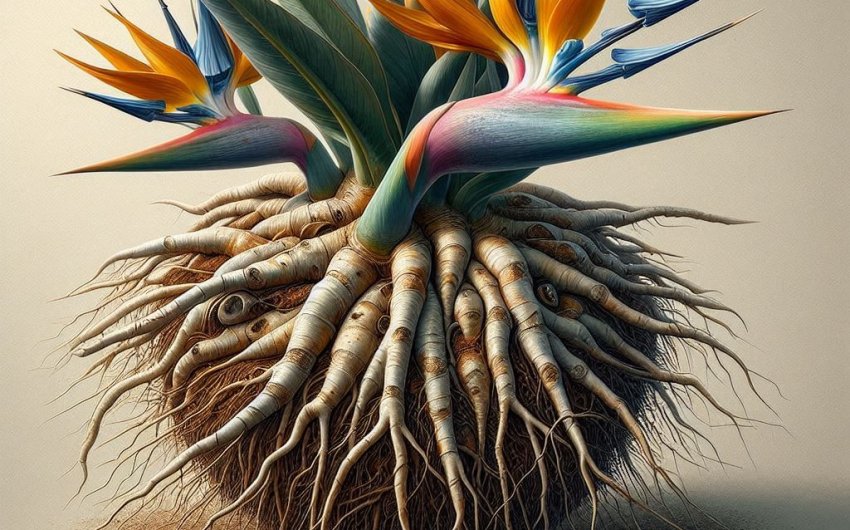
To propagate Bird of Paradise, the most reliable and common method is by dividing mature root clumps, separating the plant into individual sections, each with its own root system and foliage. This technique ensures a genetically identical new plant and allows you to multiply your stunning tropical specimen.
Why Propagate a Bird of Paradise Plant?
Propagating your Bird of Paradise (Strelitzia) offers several benefits beyond simply getting more plants. It's a key part of maintaining the health and vigor of your existing plant, and a wonderful way to expand your collection or share with friends.
- Multiplication: The most obvious reason is to create new Bird of Paradise plants from your existing one.
- Rejuvenation: As Bird of Paradise plants mature, they can become root-bound and grow very large, sometimes outgrowing their space. Dividing them rejuvenates the parent plant, giving it renewed vigor and room to grow.
- Improved Health: Overcrowded roots can lead to nutrient deficiencies and poor water absorption. Dividing alleviates this stress, promoting healthier overall growth for both the parent and the divisions.
- Share with Friends: If you have an abundance of offsets, propagation allows you to easily share the beauty of your Bird of Paradise with others.
- Cost-Effective: Rather than buying new, often expensive, mature Bird of Paradise plants, you can create them for free from your own established specimen.
- Bonsai-like Training: For those interested in developing more artistic forms, dividing can lead to more manageable "trunk" structures.
What Are the Best Methods to Propagate Bird of Paradise?
There are a few methods to propagate Bird of Paradise, but division is by far the most successful and recommended for home growers. Seed propagation is also an option but takes much longer.
1. Division (Most Common & Recommended)
This method involves separating established offsets (new plantlets growing from the base of the parent plant) from the main root ball. Each offset should have its own set of roots and leaves to ensure success.
- Pros: High success rate, creates a genetically identical clone of the parent, results in a larger, more established new plant quickly.
- Cons: Requires digging up the entire plant, can be physically demanding for large specimens, and causes some stress to the parent plant.
2. Seed Propagation (For the Patient Grower)
Growing Bird of Paradise from seed is a slow but rewarding process. It requires fresh seeds and specific conditions to germinate.
- Pros: Can produce many plants from a single seed pod, potential for genetic variation (if cross-pollinated), very rewarding to see the full life cycle.
- Cons: Very slow (can take years to reach a mature size and flower), requires specific germination conditions, not genetically identical to the parent.
3. Stem Cuttings (Not Recommended)
While some plants can be propagated from stem cuttings, this is generally not successful for Bird of Paradise plants. Their growth structure (rhizomatous) does not lend itself well to rooting from typical stem sections.
How Do I Propagate Bird of Paradise by Division?
Propagating Bird of Paradise by division is the most effective way to multiply your plant. It's a straightforward process, but requires careful handling.
Step-by-Step Guide to Division
Materials You'll Need:
- Mature Bird of Paradise Plant: With visible offsets (at least 1 foot tall is ideal for each offset).
- Sharp, Sterilized Pruning Shears or Knife: For making clean cuts. A sturdy garden knife or even a small saw for very large root balls.
- New Pots: With drainage holes, sized appropriately for the new divisions (usually 6-8 inch pots initially).
- Well-Draining Potting Mix: A mix suitable for tropical plants, such as a blend of potting soil, perlite, and bark.
- Tarp or Newspaper: To protect your work surface.
- Gloves: Optional, but good for grip and keeping hands clean.
- Watering Can: For post-repotting.
The Process:
- Prepare Your Workspace: Lay down a tarp or newspaper in a clear area. Gather all your tools and new pots.
- Choose the Right Time: The best time to divide a Bird of Paradise is during its active growing season, which is usually spring or early summer. This gives the new divisions the longest period to establish roots before winter dormancy. Avoid propagating in late fall or winter.
- Prepare the Parent Plant:
- Water Lightly: Water the parent plant a day or two before division. This makes the root ball easier to handle and reduces shock.
- Remove from Pot: Gently remove the entire Bird of Paradise plant from its pot. If it's root-bound, you might need to tap the pot sides or even cut the pot away. For very large plants, you might need assistance.
- Inspect the Root Ball:
- Shake off excess soil to expose the roots and rhizomes (thick, horizontal underground stems) that connect the offsets to the parent.
- Identify the offsets you want to separate. Each offset should have at least 2-3 leaves and a healthy cluster of its own roots. Trying to divide very small offsets (less than 1 foot tall) can be risky.
- Separate the Divisions:
- Gentle Separation: Start by gently pulling or prying apart the offsets from the main clump. Often, they can be separated by hand if the connections are weak.
- Clean Cuts: For tougher connections, use your sterilized shears or knife to make a clean cut, ensuring each new division has a substantial portion of roots attached to its base. Try to cut through the rhizome connecting them rather than tearing.
- Minimize Root Damage: Do your best to minimize damage to the root systems of both the parent and the new divisions.
- Pot the Divisions:
- New Potting Mix: Place a layer of fresh, well-draining potting mix in the bottom of each new pot.
- Position the Division: Center each separated offset in its new pot. The base of the plant should be at the same level as it was in the parent pot.
- Backfill: Fill around the root ball with more fresh potting mix, gently tamping it down to remove large air pockets. Leave about an inch of space from the rim for watering.
- Water Thoroughly: Water each newly potted division immediately until water drains from the bottom. This helps settle the soil and provides initial hydration.
- Care for the Parent Plant: Repot the original parent plant back into its pot (or a slightly smaller one if you removed many divisions) with fresh soil. Water thoroughly.
Post-Division Care for New Bird of Paradise Plants
The first few weeks after division are crucial for the success of your new plants.
- Light: Place the newly divided plants in a spot with bright, indirect light. Avoid direct, harsh sunlight, which can stress them during this recovery phase.
- Watering: Keep the soil consistently moist but not soggy. The new plants will be focusing on establishing their root systems, so consistent moisture is important. Don't let them dry out completely, especially in the initial weeks.
- Humidity: High humidity can help reduce transplant shock. Consider placing the pots on a pebble tray with water or misting around the plants (not directly on leaves, which can cause spotting).
- Temperature: Maintain stable, warm temperatures (above 65°F or 18°C). Avoid cold drafts.
- Patience: New growth might be slow at first as the plant puts energy into root development. Don't fertilize for at least 4-6 weeks after repotting.
Signs of Success and Trouble
- Success: New leaf emergence, firm and upright leaves, continued growth.
- Trouble (Transplant Shock):
- Drooping or wilting leaves: Common initially, but should recover within a few days or a week.
- Yellowing or browning leaves: Often lower leaves; the plant is shedding leaves it can't support. Remove these as they appear.
- No new growth for an extended period: Could indicate severe shock or root issues.
How Do I Propagate Bird of Paradise from Seed?
Propagating Bird of Paradise from seed is a marathon, not a sprint. It takes patience, but can be very rewarding.
Step-by-Step Guide to Seed Propagation
Materials You'll Need:
- Fresh Bird of Paradise Seeds: Freshness is key for good germination rates. Obtain them from a reliable source or harvest from your own plant.
- Small Pots or Seed Starting Trays: With drainage holes.
- Seed Starting Mix: A sterile, well-draining mix designed for seedlings.
- Warm Water: For soaking seeds.
- Sandpaper or File: To scarify seeds (optional but recommended).
- Plastic Wrap or Dome: To create a humid environment.
- Heating Mat: Optional but highly recommended for consistent warmth.
The Process:
- Harvesting Seeds (If Applicable):
- Bird of Paradise plants typically need to be quite mature and receive bright light to produce viable seeds.
- The seeds form in woody capsules after flowering. Allow the capsules to dry and crack open on the plant.
- Seeds will be black with an orange, fuzzy aril (hairy tuft). Remove the aril, as it contains germination inhibitors. You can gently rub it off or soak it to remove.
- Scarification (Important Step):
- The hard outer shell of the seed needs to be broken down to allow water to penetrate and trigger germination.
- Gently rub the seeds with fine-grain sandpaper or nick the outer shell with a file or knife. Be careful not to damage the inner embryo.
- Soaking:
- Soak the scarified seeds in warm (not hot) water for 24-48 hours. Change the water daily. This helps to further soften the seed coat.
- Sowing the Seeds:
- Fill your pots or trays with a sterile SEED STARTING MIX.
- Plant each seed about 1 inch (2.5 cm) deep.
- Lightly cover with soil.
- Create a Humid and Warm Environment:
- Water the soil lightly to moisten it.
- Cover the pots/trays with plastic wrap or a clear dome to create a mini-greenhouse effect.
- Temperature is Key: Bird of Paradise seeds need consistently warm temperatures (75-85°F or 24-29°C) to germinate. A SEED HEATING MAT is highly recommended to maintain this warmth.
- Patience (and Monitoring):
- Germination can be very slow and erratic, ranging from 1 month to 1 year or even longer. Don't give up!
- Keep the soil consistently moist but not soggy.
- Provide bright, indirect light once seedlings emerge.
- Remove the plastic wrap/dome once seedlings are well-established to improve airflow.
- Transplanting: Once seedlings have developed a few sets of true leaves and a sturdy root system (usually 3-6 months), carefully transplant them into individual 4-inch pots with a well-draining tropical potting mix.
Ongoing Care for Seedlings
- Light: Bright, indirect light is crucial.
- Watering: Keep soil consistently moist but not waterlogged.
- Humidity: Appreciate higher humidity.
- Feeding: Begin feeding with a very diluted liquid fertilizer (e.g., 1/4 strength) once they are actively growing.
- Growth Rate: Be prepared for slow initial growth. It can take 3-5 years or more for a seed-grown Bird of Paradise to reach maturity and begin flowering.
Troubleshooting Common Propagation Issues
While propagating your Bird of Paradise can be rewarding, you might encounter some common challenges.
Division Problems:
- New Divisions Drooping Excessively:
- Cause: Transplant shock, insufficient watering after repotting, or too much direct light.
- Solution: Ensure soil is consistently moist (not soggy). Move to a less intense light spot temporarily. Provide humidity.
- Root Rot in New Divisions:
- Cause: Overwatering the new divisions, or potting mix not draining well enough.
- Solution: Allow soil to dry out more between waterings. Ensure pot has drainage holes. If severe, unpot, inspect roots, trim rotten parts, and repot in fresh, well-draining soil.
- No New Growth:
- Cause: Plant is putting energy into root development, insufficient light, or plant is still in shock.
- Solution: Be patient. Ensure proper light. Avoid fertilizing for the first month or two.
Seed Propagation Problems:
- No Germination:
- Cause: Old seeds, improper scarification, insufficient warmth, inconsistent moisture.
- Solution: Ensure seeds are fresh. Scarify properly. Maintain consistent warm temperatures with a heating mat. Keep soil moist.
- Seedlings Damping Off (Collapsing and Dying):
- Cause: Fungal disease due to overly wet soil, poor air circulation, or non-sterile seed starting mix.
- Solution: Use sterile seed starting mix. Ensure proper air circulation. Don't overwater. Consider adding a small fan.
Propagating your Bird of Paradise is a fantastic way to expand your collection or share these magnificent plants. While division offers a quicker path to a mature plant, seed propagation is a testament to patience and the wonder of plant life. By understanding the best methods and following these guidelines, you'll be well on your way to successfully multiplying your tropical beauties.