
How to Propagate Pothos: Easily Grow More of Your Favorite Plant
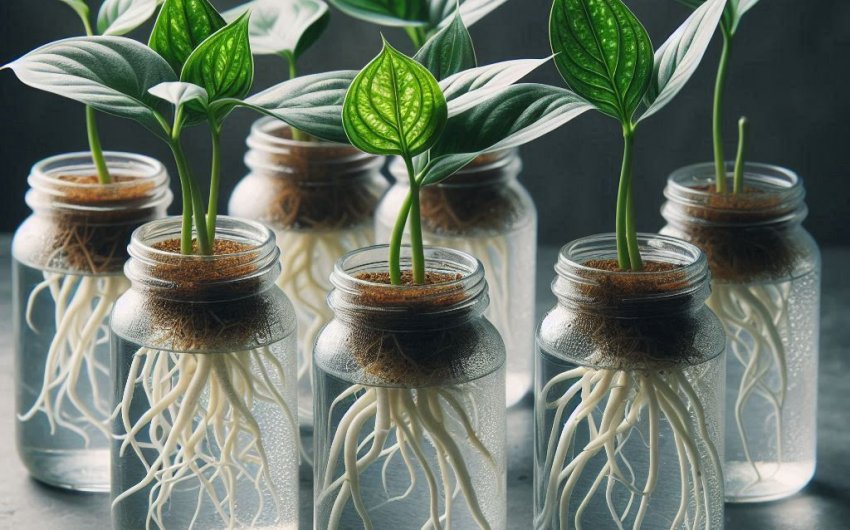
To propagate Pothos, the easiest and most common method is by taking stem cuttings and rooting them in water or soil, transforming one plant into many healthy new ones. This simple process allows you to multiply your collection, fill out existing pots, or share with friends.
Why Propagate Pothos?
Propagating Pothos (Epipremnum aureum) is one of the most rewarding and easiest plant propagation experiences. It's a fantastic way to get more plants for free and contributes to the overall health and aesthetics of your existing Pothos.
- Get More Plants for Free: Why buy new plants when you can grow them from your existing ones? Pothos cuttings root quickly and reliably.
- Fill Out Sparse Pots: As Pothos vines grow longer, the top of the plant can sometimes become sparse or leggy. Propagating and planting new rooted cuttings back into the parent pot helps create a fuller, bushier plant.
- Share with Friends: Pothos cuttings make excellent gifts for fellow plant enthusiasts or anyone looking to start their plant journey.
- Rejuvenate Long Vines: If your Pothos vines have become excessively long or unruly, pruning them back for propagation helps to manage their size and encourages the parent plant to produce new, bushier growth.
- Experiment and Learn: Pothos is very forgiving, making it an ideal plant for beginners to learn the basics of plant propagation.
What is the Best Time to Propagate Pothos?
The best time to propagate Pothos is during its active growing season, which typically falls in spring and summer. During these months, the plant is actively putting out new growth, has more energy, and warmer temperatures encourage faster root development.
While spring and summer offer the highest success rates, Pothos can be propagated at almost any time of year indoors, provided it receives adequate warmth and light. Avoid propagating during its dormant winter period if possible, as rooting will be much slower.
What Materials Do I Need to Propagate Pothos?
Propagating Pothos is straightforward and doesn't require many specialized tools.
- Healthy Pothos Plant: The source of your cuttings. Ensure the parent plant is healthy and free of pests.
- Sharp, Clean Pruning Shears or Scissors: Essential for making clean cuts. Sterilize them with rubbing alcohol before and after use to prevent the spread of disease.
- Glass Jars, Bottles, or Vases (for water propagation): Clear containers allow you to easily monitor root development.
- Well-Draining Potting Mix (for soil propagation): A standard indoor potting mix works well.
- Small Pots or Seed Trays (for soil propagation): With drainage holes.
- Rooting Hormone (optional): Can sometimes speed up root development, especially for soil propagation, but is not strictly necessary for Pothos.
How to Take Pothos Cuttings (The Essential First Step)
Regardless of whether you choose water or soil propagation, the first and most crucial step is taking the correct Pothos cuttings.
Step-by-Step for Taking Cuttings:
- Locate a Node: A node is the small bump or joint on the stem where a leaf emerges and where aerial roots often form. It's also where new roots will grow from. Pothos vines have nodes spaced regularly along their length.
- Identify Healthy Vine: Choose a healthy vine on your parent plant that has at least 3-4 leaves.
- Make a Clean Cut: Using your clean, sharp shears, make a cut just below a node. Each cutting should have at least 1-2 nodes (preferably 2-3 for better success) and at least one leaf attached.
- Example: If you have a long vine, you can cut it into several segments, ensuring each segment has at least one node and a leaf.
- Tip: If a cutting has multiple leaves, you can remove the bottom-most leaf (or leaves) if they would be submerged in water or buried in soil, as they can rot. Leave at least one healthy leaf at the top.
- Optimal Cutting Size: Aim for cuttings that are 4-6 inches (10-15 cm) long, containing several nodes.
Method 1: How to Propagate Pothos in Water (Easiest Method)
Water propagation is by far the most popular and straightforward way to propagate Pothos. It's easy to monitor root growth, and the success rate is very high.
Step-by-Step for Water Propagation:
- Prepare Your Cuttings: Follow the instructions above for taking clean Pothos cuttings, ensuring each has at least one node and one leaf, with any submerged leaves removed.
- Place in Water: Put the cut end of each Pothos cutting into a glass jar or vase filled with room-temperature water. Ensure that at least one node is fully submerged in the water. Keep the leaves out of the water.
- Choose a Location: Place the jar in a spot that receives bright, indirect light. Avoid direct sunlight, which can overheat the water and potentially damage the delicate new roots.
- Change Water Regularly: Change the water every 3-5 days, or when it starts to look cloudy. This prevents bacterial growth and keeps the water oxygenated.
- Monitor Root Growth: You should start to see small white roots emerging from the nodes within 1-3 weeks. The rate of growth depends on warmth, light, and the plant's vigor.
- When to Pot: Once the roots are at least 1-2 inches (2.5-5 cm) long, they are ready to be transferred to soil. Waiting until the roots are well-developed (but not excessively long and tangled) increases the success rate in soil.
Method 2: How to Propagate Pothos in Soil
Propagating Pothos directly in soil is also effective and can sometimes lead to a quicker transition to established growth, as the roots don't need to adapt from water to soil.
Step-by-Step for Soil Propagation:
- Prepare Your Cuttings: Follow the instructions above for taking clean Pothos cuttings. For soil propagation, it's particularly important to ensure you have a node buried in the soil.
- Prepare the Pot: Fill a small pot (4-6 inches) with well-draining INDOOR POTTING MIX. You can add a bit of perlite to improve drainage.
- Apply Rooting Hormone (Optional): Dip the cut end of the cutting (including the nodes that will be buried) into rooting hormone powder. Tap off any excess.
- Plant the Cutting: Use your finger or a chopstick to make a small hole in the center of the prepared soil. Insert the Pothos cutting, ensuring at least one node is buried beneath the soil surface. Gently firm the soil around the cutting. You can plant multiple cuttings in one pot for a fuller plant.
- Water Lightly: Water the soil immediately after planting until it is evenly moist but not soggy.
- Create Humidity (Optional but Recommended): To increase the success rate and promote faster rooting, you can create a humid environment around the cutting.
- Place a clear plastic bag loosely over the pot, propped up so it doesn't touch the leaves.
- Or, use a clear plastic dome.
- Remove the bag/dome for an hour or so daily to allow for air circulation and prevent mold.
- Choose a Location: Place the potted cutting in a spot that receives bright, indirect light and consistently warm temperatures (ideally 70-80°F or 21-27°C).
- Monitor Moisture: Keep the soil consistently moist but never waterlogged. It may take 3-6 weeks for roots to form.
- Check for Rooting: Gently tug on the cutting after a few weeks. If you feel resistance, roots have formed. You should also start to see new leaf growth.
How to Plant Rooted Pothos Cuttings (from Water to Soil)
Once your Pothos cuttings have developed a good root system in water, it's time to transition them to soil. This step requires a bit of care to minimize transplant shock.
Step-by-Step for Planting Rooted Cuttings:
- Prepare Your Pot: Choose a small pot (4-6 inches) with drainage holes. Fill it with fresh, well-draining INDOOR POTTING MIX.
- Create a Hole: Use your finger or a chopstick to create a hole in the center of the soil, large enough to accommodate the roots of your cutting without bending or breaking them.
- Carefully Transfer: Gently remove the rooted Pothos cutting from the water. Handle the roots with extreme care, as they are fragile.
- Position the Cutting: Place the cutting in the hole, ensuring the roots are spread out and the original node (from which the roots grew) is buried under the soil surface.
- Backfill: Gently fill around the roots with more potting mix, lightly tamping it down to secure the cutting.
- Water Thoroughly: Water the newly potted cutting immediately and thoroughly until water drains from the bottom. This helps settle the soil around the roots.
- Initial Care: Place the newly planted Pothos in a spot with bright, indirect light. For the first week or two, keep the soil consistently moist (but not soggy) to help the roots acclimate to the new environment. Avoid fertilizing for at least 4-6 weeks.
- Combine Cuttings (Optional): For a fuller pot, you can plant multiple rooted cuttings together in one pot. This is a common practice to achieve that lush, full Pothos look.
Troubleshooting Common Pothos Propagation Issues
While propagating Pothos is generally easy, you might encounter a few hiccups along the way.
Problem: Cuttings Rotting in Water
- Cause: Not changing water frequently enough, leaves submerged in water, or using dirty jars.
- Solution: Change water every few days. Ensure no leaves are in the water. Use clean containers. If a cutting starts to rot, trim off the rotted part with clean shears and put it in fresh water.
Problem: Cuttings Not Rooting
- Cause: Insufficient warmth, too little light, or not enough nodes submerged (in water propagation) or buried (in soil propagation).
- Solution: Move to a warmer spot. Ensure bright, indirect light. Re-cut if necessary to include more nodes, and make sure nodes are properly submerged/buried.
Problem: New Leaves Turning Yellow
- Cause: Often overwatering (especially after transferring to soil), insufficient light, or nutrient deficiency (less likely in new soil).
- Solution: Check soil moisture and allow to dry slightly between waterings. Ensure adequate bright, indirect light.
Problem: Drooping After Transfer to Soil
- Cause: Transplant shock as the roots adjust from water to soil.
- Solution: This is common and usually temporary. Keep the soil consistently moist (not soggy) for the first week or two. Maintain consistent temperatures and bright, indirect light. It should perk up as it establishes.
Problem: Pests on New Cuttings
- Cause: Cuttings taken from an infested parent plant, or pests introduced after propagation.
- Solution: Always inspect parent plants for pests before taking cuttings. If pests appear, isolate the cutting and treat gently with appropriate methods (e.g., wiping with rubbing alcohol, diluted neem oil).
By mastering the simple art of how to propagate Pothos, you'll unlock an endless supply of these beautiful, easy-care plants. Whether you prefer the satisfying visual of roots growing in water or the directness of soil propagation, creating new Pothos plants is a rewarding experience that enriches your home and allows you to share your passion for plants with others.