
How to Propagate Spider Plant: Grow New Plants Effortlessly
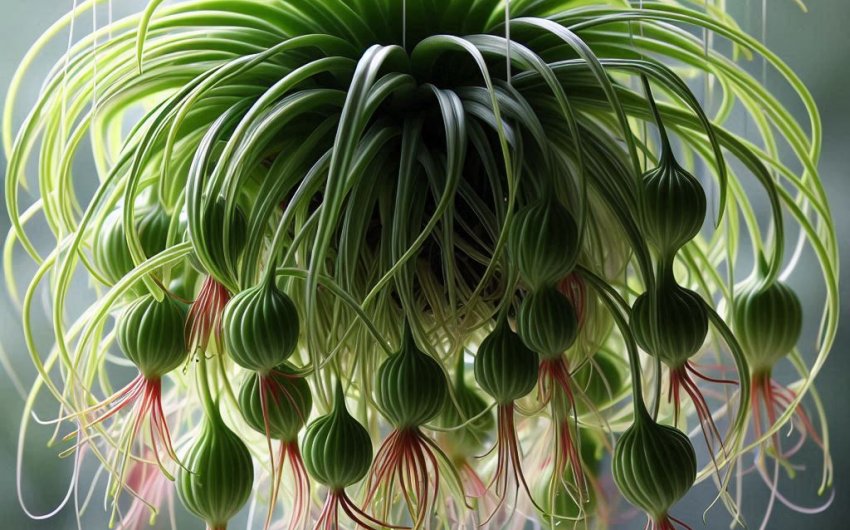
To propagate Spider Plant, the simplest and most effective method is by rooting the small plantlets, often called "spiderettes" or "babies," that dangle from the mature plant. These miniature clones are remarkably easy to root in water or soil, quickly creating new plants.
Why Propagate a Spider Plant?
Propagating your Spider Plant (Chlorophytum comosum) is not only incredibly easy and rewarding, but it also offers several practical benefits. These prolific producers of "babies" almost beg to be multiplied!
- Get More Plants for Free: The most obvious reason! Spiderettes are essentially ready-to-root clones of the parent plant, allowing you to quickly expand your collection without spending money.
- Fill Out Sparse Pots: As a Spider Plant matures, its "mother" plant can sometimes become less dense in the center, or its variegation might fade. Planting newly rooted spiderettes back into the original pot helps to rejuvenate and thicken it up, creating a fuller, lusher display.
- Share the Greenery: Spiderettes make perfect gifts for friends, family, or even as party favors. They are easy to transport and incredibly beginner-friendly.
- Pruning and Maintenance: Removing spiderettes is a natural form of pruning that redirects the mother plant's energy into producing more foliage, rather than supporting numerous babies. This helps keep the parent plant vigorous and healthy.
- Educational for Kids: The process of rooting spiderettes is simple and fast enough to be a fantastic hands-on project for children, teaching them about plant life cycles.
- Decorative Potential: Rooting spiderettes in small glass jars of water can create a charming and ever-changing display on a windowsill.
What Are the Best Methods to Propagate Spider Plant?
The primary method to propagate Spider Plant is through its stolons (the long stems) that produce plantlets. You can root these plantlets in water or directly in soil. Division of the main plant is also an option for very large, mature plants.
1. Rooting Plantlets in Water (Easiest & Most Popular)
This method is highly favored by beginners due to its simplicity and the visual satisfaction of watching roots grow.
- Pros: High success rate, easy to monitor root development, minimal supplies needed, great for beginners.
- Cons: New plants need to be transitioned to soil, which can cause minor shock.
2. Rooting Plantlets Directly in Soil
This method allows the spiderette to adapt to soil conditions from the start, potentially reducing transplant shock.
- Pros: No transition period, often results in a more robust root system in soil, less frequent watering needed compared to water.
- Cons: Root growth isn't visible, requires more attention to soil moisture, potentially lower success rate than water for true beginners.
3. Division of the Mother Plant (For Mature Plants)
For very large, mature, and root-bound Spider Plants, you can divide the main plant clump.
- Pros: Creates larger new plants immediately, rejuvenates an overgrown parent plant.
- Cons: More disruptive to the parent plant, requires a bit more effort.
How to Propagate Spider Plant Plantlets in Water
This is the go-to method for most people due to its ease and high success rate when learning how to propagate Spider Plant.
Step-by-Step for Water Propagation:
Materials You'll Need:
- Healthy Spider Plant with Spiderettes: Look for plantlets that are at least 1-2 inches in diameter and ideally show small nubs of aerial roots at their base.
- Sharp, Clean Scissors or Pruning Shears: To make a clean cut. Sterilize them with rubbing alcohol before use.
- Small Glass Jars, Vases, or Test Tubes: Clear containers are best for observing root growth.
The Process:
- Select Your Spiderette(s): Choose a healthy spiderette that has a rosette of leaves and ideally some small brown nubs or tiny roots already visible at its base. Larger spiderettes (2-3 inches across) tend to root faster.
- Cut from the Mother Plant: Using your clean, sharp scissors, cut the stolon (the stem connecting the spiderette to the mother plant) about 1-2 inches away from the base of the spiderette. You want the baby to be fully detached.
- Prepare the Spiderette: If any lower leaves on the spiderette would be submerged in water, gently remove them. You only want the roots and the very base of the rosette submerged, not the leaves, as submerged leaves can rot.
- Place in Water: Put the base of the spiderette into a glass jar filled with room-temperature water. Ensure the root nubs (or where roots will emerge) are fully submerged. You can place multiple spiderettes in one jar if they aren't crowded.
- Choose a Location: Place the jar in a spot that receives bright, indirect light. A windowsill that doesn't get harsh direct sun is perfect. Avoid very low light or intense direct sun.
- Change Water Regularly: Change the water every 3-5 days, or whenever it appears cloudy. This helps keep the water oxygenated and prevents bacterial or fungal growth.
- Monitor Root Growth: You should see white roots emerging from the base of the spiderette within 1-2 weeks. The roots will continue to grow longer over the next few weeks.
- When to Pot: Once the roots are at least 1-2 inches (2.5-5 cm) long, your new spider plant is ready to be transferred to soil. Waiting until the roots are well-developed (but not excessively long and tangled) increases the success rate in soil.
How to Propagate Spider Plant Plantlets Directly in Soil
Rooting spiderettes directly in soil eliminates the step of transitioning from water to soil and can result in a more robust root system accustomed to soil from the start.
Step-by-Step for Soil Propagation:
Materials You'll Need:
- Healthy Spider Plant with Spiderettes: As described above.
- Sharp, Clean Scissors or Pruning Shears.
- Small Pots (4-6 inch diameter): With drainage holes.
- Well-Draining Potting Mix: A standard indoor potting mix works well. You can add a bit of perlite for extra drainage.
- Rooting Hormone (optional): Can sometimes speed up rooting, but generally not essential for Spider Plants.
The Process:
- Prepare Your Spiderette: You have two options here:
- Attached Method ("Still Attached"): Leave the spiderette attached to the mother plant. This allows the mother plant to continue providing nutrients while the baby roots. Place the pot with soil next to the mother plant.
- Detached Method ("Cut First"): Cut the spiderette from the mother plant, as described in the water propagation section.
- Prepare the Pot: Fill your small pot with the well-draining potting mix.
- Plant the Spiderette:
- Attached: Gently place the base of the spiderette onto the soil surface of the new pot, ensuring the root nubs are in contact with the soil. You might use a paperclip or a small U-shaped wire to gently hold it in place.
- Detached: If using a detached cutting, make a small indentation in the soil and gently nestle the spiderette in, ensuring the base with the root nubs is covered lightly with soil. You can dip the base in rooting hormone powder first if desired.
- Water Lightly: Water the soil thoroughly to moisten it. For the attached method, avoid soaking the mother plant's pot at the same time to prevent overwatering.
- Choose a Location: Place the pot in a spot that receives bright, indirect light. If using the attached method, keep the new pot in proximity to the mother plant so both get good light.
- Maintain Moisture: Keep the soil consistently moist but never soggy. Check the soil every few days.
- Check for Rooting: If using the attached method, once you see new leaves growing and feel resistance when you gently tug on the spiderette (indicating roots have formed), you can cut the connecting stolon from the mother plant. For detached cuttings, tug gently after 3-4 weeks.
- Continue Care: Once rooted and separated, treat it as a new, established spider plant.
Method 3: How to Propagate Spider Plant by Division
This method is best for very large, mature Spider Plants that have grown multiple crowns or are severely root-bound. It's usually done during repotting.
Step-by-Step for Division:
Materials You'll Need:
- Very Large, Mature Spider Plant: Preferably one that is root-bound.
- Large Tarp or Newspaper: To protect your work area.
- Sharp, Sterilized Knife or Garden Shears: Strong enough to cut through root mass.
- New Pots: With drainage holes, sized for the divisions.
- Fresh, Well-Draining Potting Mix.
The Process:
- Prepare the Plant: Water the mother plant thoroughly a day or two before division. This makes the root ball easier to work with.
- Remove from Pot: Gently remove the entire Spider Plant from its pot. You might need to tap the sides or run a knife around the rim.
- Inspect the Root Ball: Lay the plant on its side on a tarp. Gently loosen some of the soil to expose the roots and distinct crowns (separate rosettes of leaves that have formed their own root systems).
- Divide the Plant: Identify natural sections or clumps of the plant, each with its own set of leaves and a significant portion of roots. Using your sharp, sterilized knife or shears, cut straight through the root ball to separate these sections. Aim for clean cuts.
- Pot the Divisions: Immediately pot each new division into its own pot filled with fresh, well-draining potting mix. Ensure the plant is at the same soil level as it was previously.
- Water Thoroughly: Water the newly potted divisions immediately.
- Post-Division Care: Place the divisions in bright, indirect light. Keep the soil consistently moist (but not soggy) for the first few weeks to help them establish. They may experience some transplant shock (drooping) but should recover quickly.
How to Care for Your Newly Propagated Spider Plant
Once your spiderettes have rooted and are planted in soil, they're ready to grow into full-fledged plants! Proper post-propagation care is crucial.
- Light: Continue to provide bright, indirect light. This is ideal for robust growth and maintaining variegation. Avoid direct, harsh sun, which can scorch leaves, and very low light, which can cause leggy growth and faded colors.
- Watering: Allow the top 1-2 inches of soil to dry out between waterings. Spider plants prefer consistent moisture but do not like to sit in soggy soil. Always ensure good drainage.
- Humidity: Spider plants tolerate average indoor humidity but appreciate slightly higher levels. Misting occasionally or placing them near a humidifier can be beneficial, especially in dry environments.
- Temperature: Maintain average room temperatures (65-75°F or 18-24°C). Avoid sudden temperature fluctuations or cold drafts.
- Fertilizing: Wait at least 4-6 weeks after planting new cuttings before you start fertilizing. Then, during the active growing season (spring and summer), use a balanced liquid fertilizer diluted to half strength every 2-4 weeks. Reduce or stop fertilizing in fall and winter.
- Repotting: Spider plants are relatively fast growers and can become root-bound. Check annually during spring to see if they need repotting into a slightly larger pot (1-2 inches larger in diameter).
Troubleshooting Common Spider Plant Propagation Issues
Even with one of the easiest plants to propagate Spider Plant, you might encounter a few minor issues.
Problem: Plantlets Rotting in Water
- Cause: Leaves submerged, water not changed often enough, or water is too cold.
- Solution: Ensure only the root nubs/base are submerged. Change water every 2-3 days. Use room-temperature water.
Problem: No Roots Developing (Slow Rooting)
- Cause: Not enough light, temperatures too cool, or insufficient moisture (for soil propagation).
- Solution: Move to a brighter, warmer spot. For soil, ensure consistent moisture without being soggy. Patience is also key; some can take longer.
Problem: Leaves Turning Brown (Especially Tips)
- Cause:
- Brown Tips: Most commonly due to fluoride or chlorine in tap water. Using distilled water or rainwater can help. Low humidity is another common cause.
- Overall Browning: Underwatering or severe root rot (from overwatering).
- Solution: Address water quality. Increase humidity. Check soil moisture before watering.
Problem: Plantlet Wilting or Drooping after Planting in Soil
- Cause: Transplant shock as the plant adjusts from water (or the mother plant) to soil.
- Solution: This is common and usually temporary. Keep the soil consistently moist for the first week or two. Maintain bright, indirect light. It should perk up as it establishes its new root system.
Successfully knowing how to propagate Spider Plant is a rewarding experience that quickly fills your home with lush, vibrant greenery. With their charming "babies" and remarkably easy care, Spider Plants are truly the gift that keeps on giving, allowing you to multiply your collection and share the joy of plants with everyone around you.