
How to Reduce Lawn Maintenance Costs?
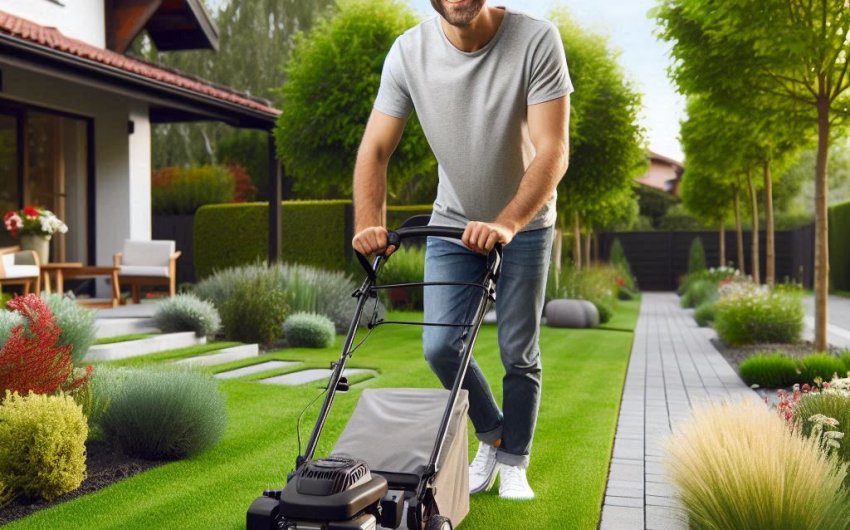
A lush, green lawn is a hallmark of many homes, but let's be honest: maintaining it can be a major drain on your wallet and your time. Between mowing, watering, fertilizing, and pest control, the expenses can add up fast. But what if you could have a beautiful lawn without breaking the bank or spending every weekend on yard work? It’s possible! Learning how to reduce lawn maintenance costs involves smart planning, efficient practices, and sometimes, a little creative reimagining of your landscape. This guide will provide practical, budget-friendly strategies to keep your lawn looking great for less.
Why Lawn Maintenance Costs Add Up
Before we cut costs, let's understand where the money usually goes:
- Water Bills: Especially in hot or dry climates, regular watering can skyrocket your utility bills.
- Fertilizers and Chemicals: Synthetic fertilizers, weed killers, and pesticides are ongoing expenses.
- Equipment: Mowers, trimmers, blowers – they require upfront purchase, fuel, maintenance, and sometimes repairs.
- Professional Services: Hiring a lawn care company is a significant recurring cost.
- Seed and Sod: For patching or starting new lawns.
- Time: Your time is valuable! The hours spent on lawn care could be spent on other things.
The goal of reducing lawn care expenses is to address these cost centers directly.
Strategy 1: Smart Mowing Practices
Your mowing habits can significantly impact your lawn's health and your wallet.
1. Mow High
- Benefits: Taller grass shades the soil, which helps keep the soil cooler and reduces water evaporation, meaning you water less. Taller grass also develops deeper, stronger root systems, making it more resilient to drought and pests. It also naturally crowds out many weeds, reducing your need for weed control.
- Practice: Set your mower blades to their highest setting (usually 2.5-3.5 inches or 6-9 cm, depending on grass type). Never cut more than one-third of the grass blade at a time.
2. Grasscycle (Leave the Clippings)
- Benefits: When you leave grass clippings on the lawn, they quickly decompose, returning valuable nutrients (especially nitrogen) to the soil. This can reduce your need for synthetic fertilizers by up to 25%! It also adds organic matter, improving soil health over time.
- Practice: Use a mulching mower that chops clippings finely. Ensure clippings are light and don't clump, which can smother the grass.
3. Keep Mower Blades Sharp
- Benefits: Sharp blades cut grass cleanly, promoting healthy regrowth and preventing brown, jagged edges that can make your lawn look unhealthy and invite disease. A clean cut requires less energy from your mower, saving on fuel or electricity.
- Practice: Sharpen your mower blade at least once a season, or more frequently if you have a large lawn or mow often. You can buy a mower blade sharpener kit or take it to a professional.
4. Reduce Mowing Frequency (When Appropriate)
- Benefits: Slower growth means less mowing.
- Practice: In cooler weather or during dormant periods, you might not need to mow as often. Avoid over-fertilizing, which can promote excessive growth.
Strategy 2: Optimize Your Watering
Water is often the biggest expense for lawns. Cut your water bill with these tips.
1. Water Deeply and Infrequently
- Goal: Encourage deep root growth, making your lawn more drought-tolerant.
- How: When you water, do it long enough for the water to soak down 6-8 inches (15-20 cm) into the soil. You can check this by pushing a screwdriver or probe into the ground after watering.
- Frequency: Then, wait until the grass truly needs water – it will start to look dull, have a bluish-gray tint, and footprints will remain after you walk on it. Don't water on a schedule if the grass doesn't need it.
- Avoid: Shallow, frequent watering encourages shallow roots, making your grass less resilient and requiring constant hydration.
2. Water in the Early Morning
- Why: This minimizes evaporation and allows the grass blades to dry before evening, reducing the risk of fungal diseases.
3. Fix Sprinkler Issues
- Efficiency: Check your sprinkler heads for proper alignment and coverage. Replace broken or inefficient heads. Avoid watering pavement.
- Smart Systems: Consider a smart sprinkler controller that adjusts watering based on local weather forecasts and soil moisture.
4. Consider Drought-Tolerant Grasses
- Long-Term Savings: If you're starting a new lawn or overseeding, choose grass varieties known for their drought tolerance in your region, such as Tall Fescue, Zoysia, or Bermuda grass.
Strategy 3: Embrace Organic & Soil-First Practices
Healthy soil is the foundation of a low-maintenance lawn.
1. Compost (Your Best Friend!)
- Benefits: Compost is packed with beneficial microbes that improve soil structure, drainage, and water retention. It also slowly releases nutrients, reducing your need for synthetic fertilizers.
- Application: Top-dress your lawn with a 1/4 to 1/2 inch (0.6-1.2 cm) layer of finished compost once or twice a year (spring and/or fall). A garden compost bin helps you make your own.
- Make Your Own: Making your own compost from kitchen and yard waste is virtually free!
2. Soil Testing
- Avoid Waste: Don't fertilize blindly. A soil test tells you exactly what nutrients your soil needs (or doesn't need), preventing you from buying and applying unnecessary products.
- How: Contact your local extension office or buy a home soil test kit.
3. Core Aeration
- Why: Over time, soil can become compacted, preventing water, air, and nutrients from reaching grass roots. Aeration creates small holes, alleviating compaction.
- Benefits: Reduces the need for excessive watering and fertilizing because these resources can now reach the roots.
- How: Rent a core aerator (or hire a service) once a year or every few years, especially on high-traffic areas or heavy clay soils. Top-dress with compost immediately afterwards.
4. Overseeding
- Benefits: A thick, dense lawn naturally crowds out weeds, reducing your need for herbicides. It also makes your lawn more resilient to pests and diseases.
- Practice: Overseed thinning areas (or your whole lawn) with high-quality grass seed appropriate for your climate, usually in the fall.
Strategy 4: Reduce Weed and Pest Expenses Organically
Minimize reliance on costly chemicals.
1. Hand-Pulling Weeds
- Early Intervention: Tackle weeds when they are small and few. A quick daily or weekly walk-through with a stand-up weed puller can save you from bigger problems later.
- Leverage Moisture: Weeds pull much easier after rain or watering.
2. Corn Gluten Meal (Organic Pre-Emergent)
- Benefits: This natural product inhibits weed seed germination, preventing many common weeds (like crabgrass and dandelions) from sprouting. It also adds nitrogen to your lawn.
- Application: Apply in early spring before weed seeds sprout (soil temperature 50-55°F or 10-13°C) and again in fall. Buy a bag of corn gluten meal.
- Caution: Don't use if you plan to overseed your lawn in the same season, as it will also prevent your grass seeds from germinating.
3. Encourage Beneficial Insects
- Natural Pest Control: Plant diverse flowering plants (especially native ones) in garden beds around your lawn. These attract beneficial insects (like ladybugs and lacewings) that prey on common lawn pests.
- Avoid Pesticides: If you're using chemical pesticides, you're killing off the beneficial insects that would naturally control pests for free.
4. Deal with Grubs Organically
- Milky Spore: For persistent grub problems, Milky Spore is a natural bacterium that infects and kills grubs. It's a long-term solution, taking a few years to establish but offering decades of control.
- Beneficial Nematodes: These are microscopic worms that parasitize grubs and other soil-dwelling pests. Apply them when grubs are active (typically spring or fall) and soil temperatures are appropriate. A beneficial nematodes product is usually applied with water.
Strategy 5: Reduce Your Lawn Area (The Biggest Cost Saver!)
This is the most impactful long-term strategy for reducing lawn maintenance costs.
1. Shrink Your Lawn
- Benefits: Less lawn means less mowing, less watering, less fertilizing, and less weed control. It significantly reduces your time and monetary investment.
- How: Look at areas of your lawn that are difficult to mow, get too much shade for grass to thrive, or aren't actually used.
- Examples:
- Expand Flower Beds/Garden Beds: Create larger, more interesting planting areas filled with low-maintenance shrubs, perennials, or even a vegetable garden.
- Install Paths: Replace high-traffic lawn areas with attractive, low-maintenance pathways (gravel, stepping stones, mulch).
- Create Mulched Areas: Use wood chip or shredded bark mulch under trees or in shady spots where grass struggles. Mulch suppresses weeds and conserves moisture. A bulk bag of garden mulch can be economical.
- Add Groundcovers: Plant low-maintenance, spreading groundcovers (like thyme, sedum, vinca) in areas where you want green but not mowing.
- Build a Patio or Deck: Replace a section of lawn with an outdoor living space that requires very little maintenance.
2. Choose Low-Maintenance Alternatives
- Native Plants: Incorporate native plants into your landscape. They are naturally adapted to your climate and soil, requiring less water, fertilizer, and pest control.
- Hardscaping: Consider areas of decorative gravel, permeable pavers, or other hardscaping elements that require no water or mowing.
- Xeriscaping: If you live in a very dry climate, embrace xeriscaping – landscaping with drought-tolerant plants adapted to arid conditions.
Strategy 6: Equipment and Services
Smart choices here can save you money.
1. Do It Yourself
- Save Labor Costs: If you're currently paying a lawn care service, consider doing it yourself. The initial investment in equipment will pay for itself.
- Rent, Don't Buy: For occasional tasks like aeration or dethatching, rent equipment from a local hardware store or rental center instead of buying it.
2. Maintain Your Equipment
- Longevity: Regularly cleaning, sharpening blades, and performing basic maintenance on your mower and other tools will extend their lifespan and save you money on replacements and repairs.
3. Consider a Reel Mower
- Eco-Friendly & Quiet: For smaller lawns, a push reel mower has no fuel costs, no electricity costs, no engine maintenance, and is incredibly quiet. It's a great workout too!
Final Thoughts on Reducing Lawn Maintenance Costs
Reducing lawn maintenance costs is about working with nature, not against it. It's about shifting your mindset from a perfectly manicured, chemically dependent monoculture to a healthier, more resilient, and naturally beautiful landscape.
The biggest initial savings often come from reducing your lawn area and investing in good organic soil health. While the transition takes time, the long-term benefits – lower water bills, fewer chemical purchases, less time spent on upkeep, and a safer, healthier outdoor space – are well worth the effort. Start with a few strategies, observe your lawn, and adapt as you go. Your wallet, your garden, and the environment will all thank you!