
How to Transition to Organic Lawn Care Methods?
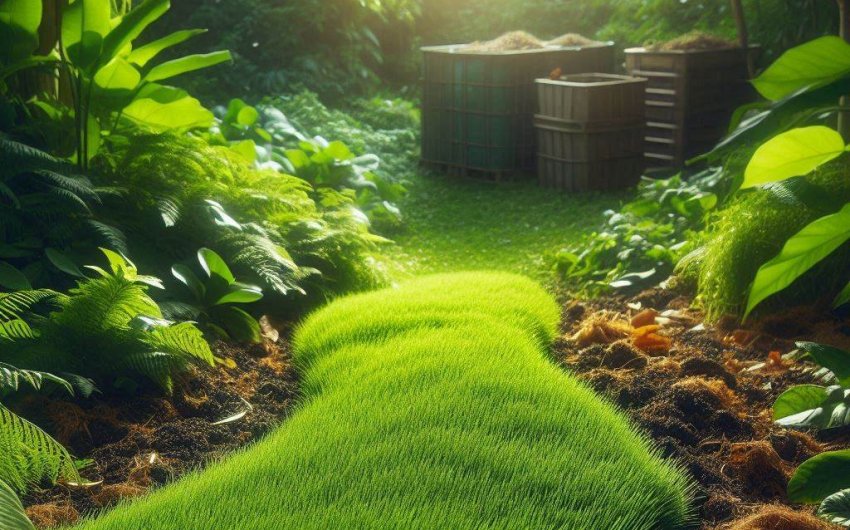
Dreaming of a beautiful, vibrant lawn that's safe for kids, pets, and the environment? If you're currently using chemical fertilizers and pesticides, making the switch to organic lawn care methods might seem daunting. But it's totally achievable! Transitioning to an organic lawn isn't an overnight fix; it's a gradual process of nurturing your soil and encouraging natural health. This guide will walk you through the steps to successfully transform your lawn into a lush, chemical-free haven.
Why Go Organic with Your Lawn?
The benefits of organic lawn care extend far beyond just green grass.
1. Healthier for Your Family and Pets
This is often the primary motivator. Chemical fertilizers and pesticides can leave harmful residues on your lawn, posing risks to children and pets who play on it. Organic lawn care eliminates these risks, creating a safe play space for everyone.
2. Boosts Soil Health
Chemical fertilizers feed the plant directly, often at the expense of the soil. Organic methods focus on feeding the soil microbes and building healthy soil. Healthy soil is the foundation of a resilient, thriving lawn that can better resist pests, diseases, and drought. It creates a vibrant, living ecosystem underground.
3. Reduced Environmental Impact
Chemical runoff from conventional lawns can pollute waterways, harming aquatic life and ecosystems. Organic practices minimize this pollution, contributing to cleaner water and a healthier environment. They also reduce reliance on fossil fuels used in chemical production.
4. Stronger, More Resilient Grass
Grass grown organically develops deeper root systems and a stronger natural defense against stress. It's more resilient to drought, extreme temperatures, and pest outbreaks because it's fundamentally healthier.
5. Attracts Beneficial Organisms
An organic lawn fosters a thriving ecosystem of beneficial insects, earthworms, and pollinators, all of which contribute to a balanced and healthy garden.
Understanding the Transition Period: Patience is Key!
Switching from chemical to organic lawn care isn't like flipping a switch. Your soil and grass have become accustomed to quick chemical fixes, and it takes time for them to "detox" and re-establish a natural balance.
- Expect a Transition Period: For the first 1-3 years, your lawn might look a little less perfect than you're used to. You might see more weeds initially, or the grass might not be as uniformly green. This is normal!
- Focus on Soil Health: The goal during transition is to rebuild the soil's natural fertility and microbial life.
- It's a Journey: Think of it as nursing your lawn back to natural health. It will eventually be stronger and more self-sufficient than ever.
Step 1: Assess Your Current Lawn and Soil
Before you start, understand what you're working with.
1. Soil Test
This is perhaps the most important first step in organic lawn care.
- Why? A soil test tells you your soil's pH, nutrient levels, and organic matter content. This guides your fertilization and amendment strategy.
- How: Get a soil test kit from your local extension office or a reputable online supplier. Follow the instructions carefully for collecting samples.
- Interpretation: The results will tell you if you need to adjust pH (e.g., with lime for acidic soil, or elemental sulfur for alkaline soil) and what nutrients might be lacking.
2. Identify Grass Type
Knowing your grass type (e.g., Kentucky Bluegrass, Tall Fescue, Bermuda Grass, Zoysia) helps you determine its specific needs for mowing height, watering, and best planting times.
3. Observe Problem Areas
Note areas with thin grass, heavy weeds, or poor drainage. This will help you target your efforts.
Step 2: Stop Using Chemicals (The Detox Phase)
This is the hard stop. No more synthetic fertilizers, weed killers, or insecticides. Your lawn might look rough for a bit, but it's part of the healing process.
Step 3: Embrace Organic Fertilization
Instead of feeding the plant, you're now feeding the soil life.
1. Compost! Compost! Compost!
This is the cornerstone of organic lawn care.
- Benefits: Compost is teeming with beneficial microbes, slowly releases nutrients, and improves soil structure, drainage, and water retention. It's the ultimate soil conditioner.
- Application:
- Top-Dressing: Spread a 1/4 to 1/2 inch (0.6-1.2 cm) layer of finished compost over your entire lawn once or twice a year (spring and/or fall). Rake it in gently. The smaller, crumbly kind of compost works best for this.
- Incorporate: For really poor spots, you can gently fork in an inch or two of compost.
- Make Your Own: If you don't have a compost bin yet, start one! It's the most sustainable way to get compost.
2. Organic Fertilizers
These are slow-release and nourish the soil, not just the grass.
- Types: Look for granular organic lawn fertilizers made from natural sources like alfalfa meal, blood meal, bone meal, feather meal, fish meal, or various seed meals. They are labeled with N-P-K ratios, just like synthetic fertilizers, but their nutrients become available slowly as microbes break them down.
- Application: Apply according to package directions, typically 2-4 times a year, depending on your grass type and climate. A bag of organic lawn fertilizer can be a good investment.
3. Grasscycling
Leave grass clippings on your lawn after mowing.
- Benefits: Grass clippings quickly break down, returning valuable nitrogen, potassium, and micronutrients to the soil. This can reduce your need for additional fertilizer by up to 25%. They also add organic matter.
- How: Use a mulching mower that chops the clippings finely.
Step 4: Master Organic Watering Techniques
Water is life, but too much or too little, or watering incorrectly, can stress your lawn.
1. Water Deeply and Infrequently
- Goal: Encourage deep root growth.
- How: When you water, do it long enough for the water to soak down 6-8 inches (15-20 cm) into the soil. You can check by pushing a screwdriver into the ground after watering.
- Frequency: Then, wait until the grass shows signs of stress (dulled color, footprints remain) before watering again. This forces the roots to seek deeper moisture.
- Avoid Daily Sprinkling: Shallow, frequent watering encourages shallow roots, making your grass less drought-tolerant and more susceptible to disease.
2. Water in the Morning
- Why: This allows the grass blades to dry before evening, reducing the risk of fungal diseases.
3. Consider Rain Barrels
Harvest rainwater for your lawn. It's chlorine-free and better for plants. A rain barrel kit is a great investment.
Step 5: Embrace Smart Mowing Practices
How you mow your lawn has a huge impact on its health.
1. Mow High
- Rule of Thumb: Never remove more than one-third of the grass blade height at any one time.
- Benefits: Taller grass shades the soil, reducing weed germination and evaporation. It also allows for deeper root growth and promotes stronger, healthier grass. Most grasses prefer to be cut at 2.5-3.5 inches (6-9 cm) or even higher.
2. Keep Mower Blades Sharp
- Clean Cut: Sharp blades cut the grass cleanly, preventing jagged edges that can brown and invite disease. Dull blades tear the grass.
3. Mow When Grass is Dry
- Why: Prevents clumping and allows clippings to decompose properly.
Step 6: Tackle Weeds Organically
This is where many new organic lawn care enthusiasts get discouraged. Patience and persistence are key.
1. Hand-Pulling
- Best for Small Areas/Infestations: For individual weeds or small patches, hand-pulling weeds is highly effective, especially after rain when the soil is soft. A stand-up weed puller can save your back.
2. Corn Gluten Meal (Pre-Emergent)
- Natural Weed Control: Corn gluten meal is an organic pre-emergent herbicide. It inhibits weed seed germination (like crabgrass and dandelions).
- Application: Apply in early spring before weed seeds sprout (soil temperature 50-55°F or 10-13°C) and again in fall. It also provides nitrogen.
- Caution: Don't apply when you plan to overseed, as it will prevent your grass seeds from germinating too.
3. Increase Grass Density (Best Long-Term Solution)
- Crowd Out Weeds: A thick, healthy lawn is the best weed deterrent. Weeds thrive in bare, weak spots.
- Overseeding: Regularly overseed your lawn (especially in fall) with high-quality grass seed appropriate for your climate and sun conditions. This fills in bare spots and makes the lawn denser.
4. Spot Treatment (Natural Herbicides)
- For stubborn individual weeds, you can use organic weed control solutions. Some people use horticultural vinegar or iron-based products as spot treatments, but always follow directions carefully as they can also damage grass.
Step 7: Manage Pests and Diseases Organically
A healthy organic lawn is naturally more resistant.
1. Promote Soil Health (Again!)
Healthy soil filled with beneficial microbes creates a balanced ecosystem where natural predators can keep pest populations in check.
2. Identify the Pest/Disease
Don't panic at the first sign of trouble. Identify the specific issue to ensure you apply the correct organic solution.
3. Encourage Beneficial Insects
Plant diverse flowering plants (especially native ones) around your lawn to attract beneficial insects that prey on lawn pests.
4. Nematodes (for Grubs)
For grub problems, beneficial nematodes are a natural, microscopic organism that parasitizes grubs and other soil-dwelling pests. Apply them when soil temperatures are warm and grubs are active. A beneficial nematodes product is typically applied with water.
5. Proper Watering and Mowing
Often, diseases are a result of improper cultural practices. Adjusting your watering (deeply, infrequently, in the morning) and mowing high can prevent many common fungal issues.
Step 8: Aeration and Dethatching (When Needed)
These practices improve air, water, and nutrient movement in the soil.
1. Aeration
- Why: Compaction prevents water, air, and nutrients from reaching grass roots. Aeration punches small holes in the soil.
- How: Use a core aerator (rent one or hire a service) in spring or fall, especially on high-traffic areas or heavy clay soils.
- Follow with Compost: Immediately after aerating, top-dress with a layer of compost. This fills the holes with rich organic matter, further improving soil health.
2. Dethatching
- Why: Thatch (a layer of dead grass stems and roots) can build up, preventing water and nutrients from reaching the soil.
- How: If your thatch layer is more than 1/2 inch thick, use a dethatching rake or machine in late spring or early fall.
Transitioning to organic lawn care methods is a journey, not a destination. It requires patience, a willingness to observe your lawn, and a shift in perspective from quick fixes to long-term soil health. The initial phase might test your patience as your lawn adjusts, but the reward of a thriving, chemical-free lawn that is safe for your family and the environment is immeasurable. Embrace these practices, and watch your lawn transform into a truly vibrant, resilient, and beautiful outdoor space.