
How to Compost Pine Needles and Avoid Acid Issues?
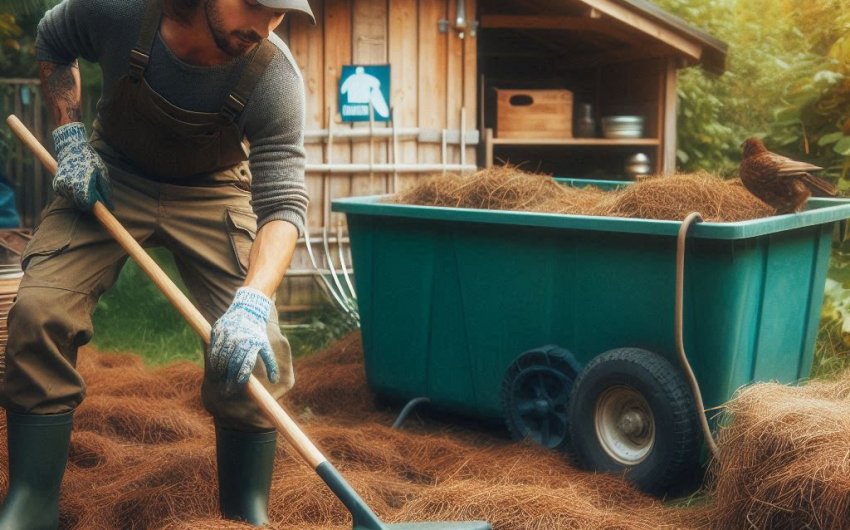
If you live near pine trees, you know the struggle: fallen pine needles seem to be everywhere! While they might look like a nuisance, these needles are actually a fantastic resource for your compost pile. They're free, abundant, and packed with carbon. However, a common concern for gardeners is the belief that pine needles are too acidic for compost and will make your garden soil too sour. Good news! You absolutely can compost pine needles, and with a few simple strategies, you can avoid acid issues in your finished compost. This guide will show you how to turn that mountain of needles into valuable "black gold" for your garden.
Understanding Pine Needles and the "Acid Myth"
Let's clear up some common misunderstandings about pine needles.
Are Pine Needles Acidic?
Yes, freshly fallen pine needles are indeed acidic, with a pH usually between 3.0 and 4.5. This is similar to the acidity of lemons or vinegar. This acidity is why they can be used as a mulch around acid-loving plants like blueberries, azaleas, or rhododendrons.
The Composting Transformation: The Acid Myth Debunked
Here's the crucial part: The composting process neutralizes most of the acidity in pine needles. As microbes break down the needles, they consume the acids and other organic compounds. By the time the pine needles have fully decomposed into finished compost, their acidity is largely gone. The resulting compost will be very close to neutral (pH 6.0-7.0) or only slightly acidic, making it perfectly safe for most garden plants.
- Why the Myth Persists: The idea that pine needles make soil acidic comes from their use as a mulch. When used as a top layer of mulch, pine needles break down very slowly and release acids over time, which can slightly lower the pH of the very top layer of soil directly underneath them. However, when actively composted, the decomposition process is much more rapid and complete, eliminating the acids.
Benefits of Composting Pine Needles
Beyond debunking the myth, here’s why pine needles are a great addition to your compost:
- Excellent "Brown" Material: They are rich in carbon, making them a perfect "brown" material to balance out your "greens" (nitrogen-rich materials like food scraps and grass clippings).
- Adds Structure and Aeration: Their needle-like shape prevents compaction and creates valuable air pockets within your compost pile, promoting healthy aerobic decomposition.
- Slow-Release Carbon: They break down relatively slowly, providing a sustained release of carbon and helping to maintain the structure of your compost over time.
- Free and Abundant: If you have pine trees, you have an endless, free supply of organic matter.
- Reduces Waste: Keeps needles out of landfills.
Key Principles for Composting Pine Needles Without Issues
To successfully compost pine needles and ensure a neutral, healthy finished product, focus on the core principles of good composting.
1. Balance is Key: The Right Greens-to-Browns Ratio
- Pine Needles = Brown: Treat pine needles as a carbon-rich "brown" material.
- Ratio Reminder: Aim for a ratio of approximately 2-3 parts browns (including pine needles) to 1 part greens (food scraps, grass clippings) by volume.
- Why Balance Matters for Acidity: A well-balanced pile with sufficient nitrogen and moisture allows the microbes to work efficiently, breaking down the acidic compounds in the pine needles. If the pile is too brown (too many pine needles and not enough greens), decomposition will be slow, and the needles might take longer to neutralize.
2. Shred or Chop (for Speed)
- Why Shred? Pine needles are relatively tough and waxy, and they can take a long time to break down if added whole. Shredding or chopping them into smaller pieces (1-2 inches or 2.5-5 cm) dramatically increases their surface area, making them much more accessible to composting microbes and speeding up decomposition.
- How to Shred:
- Lawn Mower: Spread a thin layer of needles on your lawn (on a dry day) and run over them with your lawnmower. This is very effective for large quantities.
- Leaf Shredder: A leaf shredder can also make quick work of them.
- Hand Shears: For smaller amounts, a quick chop with garden shears can help.
3. Maintain Optimal Moisture
- Damp, Not Dry: Pine needles, especially dry ones, can make a compost pile too dry. Remember the "wrung-out sponge" test: your compost should be damp but not dripping wet.
- How-to: Water your layers as you add them, especially when adding a lot of dry pine needles. If your pile seems dry later, add water as you turn.
4. Ensure Excellent Aeration (Turning)
- Oxygen is Crucial: The microbes that effectively break down tough materials like pine needles and neutralize acids are aerobic (require oxygen).
- Frequent Turning: Turn your compost pile (or spin your compost tumbler) regularly – every few days for hot composting, or at least once a week for slower methods. This introduces oxygen, redistributes moisture and heat, and helps mix the needles with other materials.
5. Hot Composting is Best
- Faster Breakdown: While pine needles can eventually break down in a cold compost pile, a hot compost pile (reaching 130-160°F or 55-70°C) will break them down much faster and ensure thorough neutralization of any acidity. The intense microbial activity speeds up all processes.
- Size Matters: Ensure your compost pile is large enough (minimum 3x3x3 feet or 1x1x1 meter) to generate and retain sufficient heat.
Step-by-Step: Composting Pine Needles Effectively
Here’s how to integrate pine needles into your compost system for best results.
Step 1: Collect and Prepare Your Pine Needles
- Collect: Gather fallen pine needles. They're best when dry, as wet needles can compact and reduce airflow.
- Shred: Ideally, shred or chop the pine needles using a lawnmower or leaf shredder. This is the most important step for speeding up their decomposition and ensuring they integrate well into the pile.
- Store (Optional): If you collect a lot of needles, store them in bags or a dry pile. They are a valuable carbon source ("brown") to save for when you have an abundance of "greens."
Step 2: Build Your Compost Pile (Layering)
Remember the 2-3 parts browns to 1 part greens ratio.
- Base Layer (Optional but Good): Start with a 4-6 inch (10-15 cm) layer of coarse, woody material (small branches, chunky straw) at the bottom for airflow and drainage.
- Alternate Layers:
- Add a thin layer of "greens" (e.g., 2-3 inches of kitchen scraps, fresh grass clippings).
- Follow with a layer of your prepared shredded pine needles (e.g., 4-6 inches).
- You can also add other "browns" like shredded leaves or cardboard in layers with the pine needles.
- Moisten each layer as you build, ensuring it's damp like a wrung-out sponge.
- Bury Fresh Materials: Always bury fresh food scraps deeply in the pile, ensuring they are covered by browns (including pine needles) to deter pests and odors.
Step 3: Turn Your Compost Regularly
- Frequency: For fast results, turn your pile every few days. For slower composting, at least once a week.
- Mix Thoroughly: Use a pitchfork or turn your compost tumbler vigorously. Ensure the pine needles are well mixed with other materials, not just sitting in large clumps. This distributes moisture and heat, and ensures all material is exposed to oxygen.
- Check Heat: After turning, your pile should reheat. If it doesn't, it might need more nitrogen, moisture, or a better mix. A compost thermometer helps confirm active decomposition.
Step 4: Monitor Moisture
- Ongoing Check: Regularly check the moisture level of your compost pile, especially if you're adding a lot of dry pine needles. Add water if it feels too dry.
Step 5: Allow to Cure
- Even after the active hot phase, allow your compost to "cure" for a few weeks to a month. This ensures complete breakdown and stabilization of the compost, making it ready for your garden. The pH will naturally stabilize during this phase.
Troubleshooting Pine Needles in Your Compost
Most issues can be solved by adjusting the basics.
- Pine needles aren't breaking down:
- Problem: Pieces are too large, or the pile is too dry.
- Fix: Shred needles into smaller pieces before adding. Moisten the pile thoroughly. Ensure good mixing/turning.
- Compost is too dry/slow:
- Problem: Too much carbon (pine needles) relative to nitrogen (greens).
- Fix: Add more fresh "greens" (food scraps, grass clippings, a handful of aged manure). Ensure sufficient moisture.
- Compost smells bad (anaerobic):
- Problem: Too wet, not enough oxygen.
- Fix: Add more coarse "browns" (like straw or wood chips, but also more dry pine needles) to absorb excess moisture and create air pockets. Turn vigorously to aerate.
- Concerns about acidity in finished compost:
- If you've followed the steps above (especially balancing greens/browns and ensuring a hot, active pile), the acidity will be neutralized. If you're still concerned, you can add a small amount of wood ash or dolomitic lime to the finished compost to raise its pH, but this is usually not necessary.
Other Uses for Pine Needles in the Garden
If you have more pine needles than your compost pile can handle, or if you prefer to use them differently, they have other excellent uses:
- Mulch for Acid-Loving Plants: Use them directly as a top mulch around plants like blueberries, azaleas, rhododendrons, and camellias. They help conserve moisture, suppress weeds, and can slightly lower the soil pH over time (which these plants love).
- Pathway Material: Spread a thick layer of pine needles (4-6 inches) on garden pathways. They suppress weeds, provide a soft walking surface, and add a pleasant earthy scent.
- Soil Amendment (Directly): For established beds that need an organic boost (especially those with heavy clay soil), you can directly dig in a thin layer of shredded pine needles. However, do this sparingly and combine with other organic matter, as their slow decomposition can temporarily "tie up" nitrogen. Composting them first is generally more beneficial.
The belief that composting pine needles will make your soil overly acidic is a common myth. By understanding the composting process and applying best practices – like shredding, balancing greens and browns, and ensuring adequate moisture and aeration – you can effectively turn those abundant pine needles into valuable, pH-neutral, nutrient-rich "black gold" for your garden. So next time the needles fall, don't bag them; embrace them as a fantastic free resource for your compost!