
How to Compost Coffee Filters Without Issues?
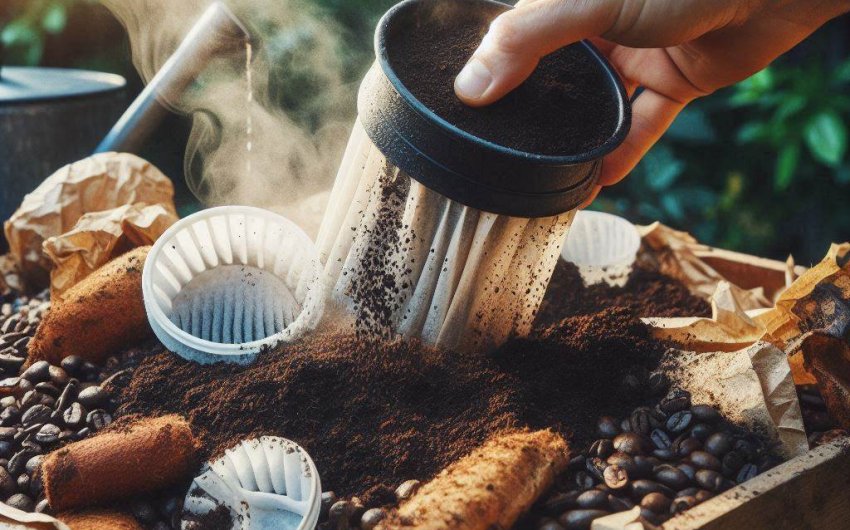
For many of us, the morning ritual isn't complete without a fresh cup of coffee. But after the brew, what happens to the grounds and, more importantly, the coffee filter? Tossing them in the trash feels wasteful, especially if you're trying to live a more sustainable lifestyle. The good news is, you absolutely can compost coffee filters! They're a fantastic addition to your compost pile, but knowing a few tips can help them break down smoothly without issues. This guide will walk you through the simple steps to effectively compost coffee filters, turning your morning brew waste into garden gold.
Why Compost Coffee Filters (and Grounds)?
Before we dive into the "how-to," let's quickly appreciate why this common household waste is a boon for your compost bin.
1. Excellent "Brown" Material (Carbon Source)
- Carbon for Compost: Coffee filters are made from paper, which is essentially wood pulp. This means they are rich in carbon, making them a "brown" material for your compost pile. A good balance of carbon and nitrogen (greens) is crucial for efficient composting.
- Balancing Act: Filters help balance out the "greens" you add, like food scraps and fresh grass clippings, preventing your compost from becoming too nitrogen-heavy, wet, and smelly.
2. Adds Structure and Aeration
- Prevents Compaction: Coffee filters, especially when torn or shredded, help create air pockets in your compost. This improves airflow, which is vital for aerobic decomposition – the process that breaks down organic matter quickly and without odors.
- Breaks Up Clumps: They can help prevent dense, wet clumps of food scraps from forming in your pile.
3. Absorbs Excess Moisture
- Sponge Effect: Because they are absorbent, coffee filters can soak up some of the excess moisture from wet food scraps or overly wet compost. This is particularly helpful if you live in a wet climate or frequently add juicy fruit and vegetable waste.
4. Eco-Friendly Disposal
- Waste Diversion: Composting coffee filters (and grounds!) diverts a significant amount of daily waste from landfills. It's a small but impactful step towards a more sustainable home.
5. Coffee Grounds are Gold!
- "Green" Power: The coffee grounds themselves are highly beneficial. Despite their brown appearance, they are considered a "green" material because they are relatively rich in nitrogen. They also add phosphorus, potassium, and trace minerals.
- Attract Worms: Earthworms love coffee grounds!
- Aerate Soil: Their gritty texture can help aerate your compost and, ultimately, your garden soil.
- Slightly Acidic: While coffee grounds are slightly acidic, their effect on the pH of your finished compost is minimal once fully decomposed.
What Kind of Coffee Filters Can You Compost?
This is the most important distinction. Not all coffee filters are created equal when it comes to composting.
YES, You Can Compost:
- Standard Paper Coffee Filters: The most common type, made from natural paper pulp. These are perfectly compostable.
- Unbleached Paper Filters: Often brown in color, these are considered the best choice as they haven't gone through a bleaching process.
- Bleached Paper Filters: The white ones are also generally fine. Modern bleaching processes for paper use chlorine-free methods (like oxygen-based bleaching) that are considered safe for composting. If you're concerned, look for "elemental chlorine-free" (ECF) or "totally chlorine-free" (TCF) labels.
- Biodegradable Coffee Pod Filters: Some single-serve coffee pods now come with compostable filters (and sometimes even compostable outer casings). Always check the manufacturer's claims and look for composting certifications (like BPI certification).
NO, You Should NOT Compost (or use with extreme caution):
- Filters with Plastic Linings: Some coffee bags or tea bags have a thin plastic lining. If you can feel or see plastic, do not compost it. It won't break down.
- Reusable Metal/Plastic Filters: Obviously, these are not compostable; they are meant for reuse!
- Filters with Staples: Remove any metal staples from tea bags or other filter-like materials before composting.
Rule of Thumb: If it's pure paper and looks like it would break down easily when wet, it's probably compostable.
Preparing Coffee Filters for Composting: Simple Steps
Coffee filters are relatively easy to compost, but a little preparation can speed up their breakdown.
1. No Need to Rinse (Just Toss 'Em In!)
- Keep the Grounds: Don't bother rinsing the coffee grounds out of the filter. The grounds are a valuable "green" material and will help the filter break down faster.
- Direct to Bin: Just grab the whole used filter with grounds inside and add it directly to your compost bin.
2. Tear or Shred (Optional, but Recommended for Speed)
- Why Shred? Coffee filters can sometimes stay intact for a while, especially if they are larger or thicker, forming a "ghost" of their original shape in the compost. Tearing them into smaller pieces (2-4 inches or 5-10 cm) increases their surface area, allowing microbes to break them down much faster.
- How to Shred: Simply tear them by hand as you add them to the compost. It takes only a second!
3. Moisten (Especially if Dry)
- Usually Wet Already: Since they've just held coffee, filters are usually quite wet, so you often don't need to add extra water directly to them.
- Dry Filters: If you're adding dry, unused coffee filters as a "brown" material, make sure to moisten them before adding them to the compost pile, or layer them with very wet "greens" to ensure they absorb moisture.
How to Compost Coffee Filters Without Issues: Best Practices
Now that your filters are prepped, here's how to integrate them seamlessly into your compost.
1. Layering (The Golden Rule of Composting)
- Balance is Key: Remember the optimal carbon-to-nitrogen ratio for efficient composting: roughly 2-3 parts browns (like coffee filters) to 1 part greens (like coffee grounds and other food scraps) by volume.
- Alternate Layers: As you add your coffee grounds and filters (which are a mix of green and brown), alternate them with other compost materials. For example, add a layer of kitchen scraps, then a layer of dry leaves or shredded cardboard, then your coffee filter/grounds.
- Bury Your Kitchen Waste: Always bury new food scraps (including coffee filters and grounds) in the middle of your compost pile or cover them with a layer of dry "browns." This helps prevent pests and odors, and ensures the filters are exposed to the active composting environment.
2. Aeration (Turning Your Pile)
- Oxygen is Essential: Microbes need oxygen to break down materials quickly and without odor.
- Regular Turning: If you have a traditional compost pile, turn it with a pitchfork every few days or at least once a week. If you have a compost tumbler, give it 5-10 spins regularly.
- Prevent Matting: Turning also helps break up any matted layers of coffee filters or other materials, ensuring even decomposition.
3. Monitor Moisture Levels
- Wrung-Out Sponge: Your compost pile should feel consistently damp, like a well-wrung-out sponge.
- Too Wet? If your compost gets too wet (often from too many wet greens or too much rain), add more dry browns (like shredded cardboard or dry leaves) to absorb the excess moisture. Coffee filters can help here too!
- Too Dry? If your compost looks dusty and isn't breaking down, add some water as you turn.
4. Consider Your Composting Method
- Hot Composting: If you're actively managing a hot compost pile (regularly turning, maintaining heat), coffee filters will break down very quickly, often within a few weeks. This is the most efficient way to process them.
- Cold Composting: In a "cold" (passive) compost pile, coffee filters will still break down, but it will take much longer – several months to a year. You might find more intact pieces in your finished compost if you don't shred them.
- Vermicomposting (Worm Bins): Red wigglers will readily eat coffee grounds. They can also break down paper coffee filters, especially if they are shredded first. Just be mindful not to add too many filters at once, as they can sometimes "mat" in a worm bin. A worm compost bin can process this.
Troubleshooting Coffee Filters in Your Compost
Most issues with coffee filters are minor and easily fixed.
- Filters are not breaking down (still intact):
- Problem: Pieces are too large, or the pile is too dry.
- Fix: Tear filters into smaller pieces. Ensure the compost pile has adequate moisture. Turn more frequently to mix them into the active decomposition zone.
- Pile seems too wet/slimy:
- Problem: Too many wet greens (like the coffee grounds themselves) and not enough absorbent browns.
- Fix: Add more dry, absorbent browns (shredded cardboard, dry leaves, straw). Turn the pile to introduce air and help it dry out.
- Filters (or other materials) are matting:
- Problem: Not enough turning or mixing, causing materials to clump together.
- Fix: When turning, actively break apart any matted clumps. Ensure you're mixing materials thoroughly as you add them, not just layering perfectly flat sheets.
Composting coffee filters is a simple and rewarding way to enhance your compost and reduce waste. By understanding their role as a "brown" material, giving them a quick tear, and ensuring good aeration and moisture in your compost pile, you can easily turn your daily coffee waste into valuable, nutrient-rich "black gold" for your garden. So next time you brew a cup, think of your compost bin – it's waiting for its next meal!