
Can You Compost Cardboard Boxes? A Simple Guide
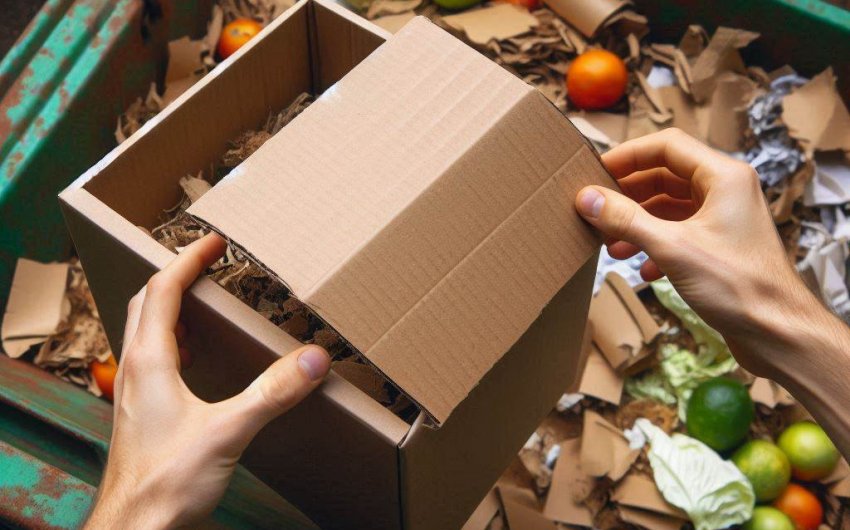
If you're an avid online shopper or just a regular household, you probably have a mountain of cardboard boxes piling up. While recycling is great, an even better option for your garden (and the environment!) is to learn how to compost cardboard boxes. Yes, you absolutely can! Cardboard is a fantastic addition to your compost pile, offering valuable carbon and structure. This guide will walk you through everything you need to know about composting cardboard, turning those bulky boxes into nutrient-rich "black gold" for your plants.
Why Compost Cardboard Boxes?
Composting cardboard is a win-win situation. It reduces waste, provides essential material for your compost, and benefits your garden.
1. Excellent "Brown" Material (Carbon Source)
Compost piles need a balance of "greens" (nitrogen-rich materials like food scraps and grass clippings) and "browns" (carbon-rich materials like dried leaves). Cardboard is a prime "brown" material, providing the carbon that compost microbes need for energy. A good carbon-to-nitrogen ratio is essential for active, odor-free composting.
2. Adds Structure and Airflow
Cardboard, especially corrugated cardboard, helps create vital air pockets within your compost pile. This is crucial for aerobic decomposition, which is the fast, efficient, and odor-free way to make compost. Without enough browns and good structure, your pile can become dense, soggy, and smelly.
3. Absorbs Excess Moisture
Sometimes, you might have an abundance of wet "greens" (like a fresh load of grass clippings or juicy fruit scraps). Shredded cardboard acts like a sponge, absorbing excess moisture and helping to balance the pile, preventing it from becoming anaerobic and stinky.
4. Diverts Waste from Landfills
Every cardboard box you compost is one less box heading to the landfill. This is a great way to reduce your household waste and contribute to a more sustainable lifestyle.
5. Free and Abundant Resource
Cardboard boxes are usually free and readily available from packaging. It's a fantastic, zero-cost compost ingredient!
What Kind of Cardboard Can You Compost?
Not all cardboard is created equal when it comes to composting. It's important to know what's safe and what's best to avoid.
YES, You Can Compost:
- Plain Corrugated Cardboard Boxes: The typical shipping boxes with the wavy layer in the middle. This is the best kind.
- Plain Brown Cardboard: Cereal boxes (inner liner usually fine), paper towel rolls, toilet paper rolls, egg cartons (non-styrofoam).
- Pizza Boxes (with caution): Only if they are not heavily soiled with grease and cheese. A little grease is fine, but large greasy stains will attract pests and slow down decomposition. If heavily soiled, tear off the clean parts and discard the greasy parts.
- Cardboard Packaging Inserts: The plain, unprinted cardboard inserts found in many packages.
NO, You Should NOT Compost (or use with extreme caution):
- Glossy or Coated Cardboard: Cereal boxes with a shiny, plastic-like coating, milk cartons, juice boxes, frozen food boxes. These often have plastic or wax coatings that won't break down or can introduce harmful chemicals.
- Heavily Printed Cardboard (with colored ink): While most modern inks are soy-based and non-toxic, heavily colored or glossy prints might contain heavier metals or petroleum-based inks that you don't want in your compost. Stick to plain brown or lightly printed cardboard.
- Cardboard with Tape, Labels, or Staples: These materials (plastic tape, stickers, metal staples) will not break down and need to be removed before composting.
- Waxed Cardboard: Often used for produce boxes or moving boxes. The wax coating won't break down.
- Foil-Lined Cardboard: Like some juice boxes or tea boxes with metallic lining.
Rule of Thumb: If it's plain brown, tears easily, and doesn't have a waxy or glossy coating, it's generally good to compost.
Preparing Cardboard for Composting: The Easier, The Better!
Size and moisture are key for getting cardboard to break down quickly.
1. Remove All Non-Compostable Materials
- Tape: This is crucial. Peel off all plastic packing tape, masking tape, or any other adhesive tape. It won't decompose and will just be a plastic mess in your finished compost.
- Labels/Stickers: Remove shipping labels, price tags, and any other sticky labels.
- Staples: Remove any metal staples.
- Plastic Windows/Liners: If the box has a plastic window (like some tissue boxes) or a plastic liner, remove it.
2. Shred or Tear into Small Pieces
This is the most important step for speeding up cardboard decomposition.
- Why Small Pieces? Microbes break down materials from the surface. The smaller the pieces, the more surface area is exposed to microbial action, and the faster it will break down. Large pieces will take a very long time.
- How to Shred:
- Tearing by Hand: For smaller boxes, just tear them into 1-2 inch (2.5-5 cm) strips or chunks. This is good for a quick addition.
- Paper Shredder: A heavy-duty cross-cut paper shredder can handle thin cardboard (like cereal boxes, toilet paper rolls) and produce ideal small pieces. Be careful not to overload it.
- Lawn Mower: For larger quantities of cardboard, spread it out on your lawn (on a dry day), mist it lightly with water, and run over it with your lawnmower. This will shred it quickly.
- Box Crusher: If you have industrial quantities, a dedicated cardboard shredder machine can work wonders, but it's overkill for most home composters.
3. Moisten (Pre-Soak or Spray)
- Why Moisten? Dry cardboard takes a very long time to absorb moisture from the compost pile, slowing down decomposition. Moisten it before adding it.
- How to Moisten:
- Quick Dip: Dip shredded cardboard into a bucket of water.
- Spray: Spray it down with a garden hose or watering can.
- Layer with Wet Greens: You can also rely on very wet green materials (like freshly cut grass clippings) to help moisten the cardboard if you layer them together.
How to Compost Cardboard Boxes: Layering for Success
Now that your cardboard is prepared, it's time to add it to your compost pile.
1. Maintain the Greens-to-Browns Ratio
Cardboard is a "brown" (carbon-rich) material. Remember the ideal ratio for active composting: 2-3 parts browns to 1 part greens by volume.
- Balance Your Additions: If you're adding a lot of cardboard, make sure you're also adding enough "greens" (food scraps, grass clippings) to provide the necessary nitrogen for the microbes.
- Too Much Cardboard (without enough greens): Your pile will be too carbon-heavy, dry, and will break down very slowly.
- Too Little Cardboard (too many greens): Your pile will be too wet, dense, and smelly (anaerobic).
2. Layering Technique
- Alternate Layers: As you build your compost pile or add new materials, alternate thin layers of shredded, moistened cardboard with your "green" materials.
- Bury Food Scraps: Always cover any food scraps with a layer of browns, and cardboard is perfect for this.
3. Ensure Good Aeration (Turning)
- Mix Thoroughly: Cardboard, even when shredded, can sometimes mat together if not properly mixed. When you add new materials, or when you turn your compost pile, make sure to thoroughly mix the cardboard in with the other ingredients.
- Regular Turning: If you have a compost tumbler, spin it regularly. If using a traditional pile, turn it with a pitchfork every few days. This introduces oxygen, which is essential for rapid decomposition and helps distribute the cardboard evenly. A compost tumbler is excellent for this.
4. Monitor Moisture
- Regular Checks: Even though cardboard absorbs moisture, ensure the overall pile maintains that "wrung-out sponge" dampness. If it starts to look dry, add some water as you turn.
Creative Ways to Use Cardboard in the Garden (Beyond the Compost Pile)
Cardboard has other fantastic uses in the garden, especially if you have a lot of it.
1. As a Weed Barrier (Sheet Mulching/Lasagna Gardening)
This is one of the most popular uses for cardboard, especially large pieces.
- How-to: Lay down large, flattened, unprinted cardboard boxes directly over existing lawn or weedy areas where you want to create new garden beds. Overlap the edges well to prevent weeds from growing through. Wet the cardboard thoroughly.
- Layer On Top: Then, build layers of "greens" and "browns" directly on top of the wet cardboard (this is called "lasagna gardening" or "sheet mulching"). The cardboard smothers existing weeds and eventually breaks down into the soil, adding organic matter.
- Benefits: Excellent for no-dig gardening, creating new beds, and suppressing weeds.
2. Pathways
- Temporary Pathways: Lay down cardboard sheets on desired pathways in your garden, then cover them with wood chips, straw, or a thin layer of soil. The cardboard will suppress weeds and eventually decompose.
- Under Gravel Paths: For a semi-permanent gravel path, lay cardboard down as a weed barrier before adding gravel.
3. Erosion Control
- On slopes, especially newly planted ones, cardboard can be laid down and then covered with mulch to help prevent soil erosion until plants establish.
4. Worm Bin Bedding (Vermicomposting)
- How-to: Shredded, moistened plain cardboard is an excellent bedding material for a worm compost bin. It provides carbon and structure that red wigglers love.
- Benefits: Worms will break it down efficiently into nutrient-rich worm castings. A worm compost bin can process this.
Troubleshooting Cardboard in Your Compost
- Cardboard isn't breaking down:
- Problem: Pieces are too large, or it's too dry.
- Fix: Shred into smaller pieces, moisten thoroughly, and ensure good mixing/turning to integrate it with other materials.
- Compost is too dry/slow:
- Problem: Too much carbon (cardboard) relative to nitrogen (greens).
- Fix: Add more fresh "greens" (food scraps, grass clippings) and ensure sufficient moisture.
- Cardboard is matting together:
- Problem: Not shredded enough, or not mixed properly.
- Fix: Break up matted clumps when turning. Try to mix small pieces of cardboard more thoroughly throughout your pile as you add them.
Composting cardboard boxes is a simple, effective, and environmentally friendly way to reduce waste and enrich your garden soil. By following these easy steps – removing non-compostable parts, shredding it small, moistening it, and balancing it with your "greens" – you can effortlessly turn those everyday deliveries into valuable "black gold." So next time a box arrives, don't just recycle it; compost it and give your garden a fantastic boost!