
Best Practices for Composting in Wet Climates
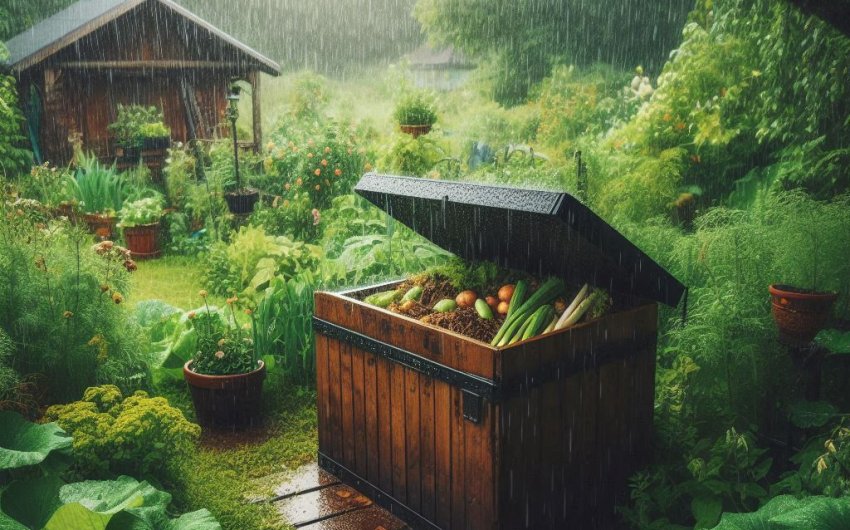
Composting is a fantastic way to turn kitchen scraps and yard waste into valuable garden amendments. But if you live in a wet climate, your composting journey might hit a few soggy bumps. Constant rain can turn your compost pile into a slimy, anaerobic mess that smells bad and decomposes slowly. Don't despair! With the right composting practices and clever adjustments, you can successfully create rich, healthy compost even in the dampest conditions. This guide will reveal the best practices for composting in wet climates, ensuring your efforts yield fantastic "black gold" every time.
Why Wet Climates Pose a Composting Challenge
In theory, compost needs moisture. But there's a big difference between damp and waterlogged.
- Excess Moisture: The biggest problem is too much water. It fills the air pockets within your compost pile, suffocating the beneficial aerobic (oxygen-loving) microbes.
- Anaerobic Conditions: When oxygen runs out, anaerobic microbes take over. These work much slower, produce unpleasant odors (like rotten eggs or ammonia), and don't generate the heat needed for efficient decomposition or killing weed seeds/pathogens.
- Nutrient Leaching: Continuous heavy rain can also leach valuable nutrients out of your compost pile, reducing the quality of your finished product.
- Compaction: Soggy materials become dense and compacted, further reducing airflow.
The goal of composting in wet climates is to manage moisture and maintain excellent aeration, even when the weather isn't cooperating.
Essential Components of a Healthy Compost Pile (Especially in Wet Climates)
No matter the climate, a healthy compost pile needs:
- Greens (Nitrogen): Fresh, moist materials that provide nitrogen (e.g., grass clippings, food scraps).
- Browns (Carbon): Dry, coarser materials that provide carbon and structure (e.g., dried leaves, straw, shredded cardboard).
- Water (Moisture): Damp, like a wrung-out sponge, but not dripping.
- Air (Oxygen): Essential for aerobic decomposition.
In wet climates, the emphasis shifts heavily towards managing moisture and maximizing browns and aeration.
Best Practices for Composting in Wet Climates: Top Strategies
Here are the most effective strategies to conquer soggy compost and produce beautiful black gold.
1. Choose the Right Compost Bin (or Build It Smart)
Your compost system is your first line of defense against excess moisture.
- Compost Tumbler: Excellent choice for wet climates because they are enclosed. They protect the compost from rain and allow for easy turning, which is crucial for aeration. A dual-chamber compost tumbler is even better for continuous composting.
- Enclosed Bins with Lids: Plastic or wooden bins with solid sides and a tight-fitting lid are much better than open piles. They prevent rain from soaking the compost while still allowing some airflow. A plastic backyard compost bin is a good example.
- Covered Three-Bin Systems: For larger volumes, a three-bin system with a roof or individual covers for each bin is ideal.
- Location Matters:
- Under Shelter: If possible, place your compost bin under an overhang, a lean-to roof, or even a large tarp. This is the most direct way to control moisture.
- On Well-Drained Ground: Avoid placing your bin directly on heavy clay soil where water might pool. Elevate it on a layer of gravel, bricks, or concrete blocks to promote drainage from the bottom.
2. Prioritize "Browns" (Carbon-Rich Materials)
This is perhaps the most critical adjustment for composting in wet climates.
- Absorb Excess Moisture: Browns are dry and absorbent. They soak up excess moisture from wet "greens" and from rainfall.
- Create Air Pockets: Coarser browns (like wood chips and straw) create a stable structure with plenty of air pockets, preventing compaction and promoting aerobic decomposition.
- Increase the Ratio: Instead of the typical 2-3 parts browns to 1 part greens, aim for a higher ratio in wet climates – think 3-4 parts browns to 1 part greens by volume, or even more if your greens are very wet.
- Stockpile Browns: It is absolutely essential to have a large, dry supply of "browns" readily available. Collect dried leaves in the fall, store shredded paper and cardboard, and keep a bale of straw on hand. This way, you always have material to layer in.
- Best Browns for Wet Climates:
- Dried Leaves: Your best friend! Absorbent and plentiful.
- Shredded Cardboard/Newspaper: Excellent for soaking up moisture. Tear or shred them into small pieces.
- Straw: Provides bulk and excellent aeration. A bale of straw is a great investment.
- Wood Chips/Sawdust (untreated): Good for long-term structure and aeration, but they break down slower. Use in moderation or as a bottom layer.
3. Manage "Greens" (Nitrogen-Rich Materials) Carefully
While greens are essential, their wetness can be problematic.
- Chop Them Fine: Cut your food scraps, fruit peels, and green garden trimmings into small pieces (1-2 inches). This increases surface area for microbes and helps them decompose faster, preventing them from sitting around and getting soggy.
- Layer Immediately: Never just dump a pile of wet grass clippings or food scraps into your bin. Always layer them with a generous amount of dry browns.
- Bury Food Scraps: Always bury fresh food scraps deep within the compost pile and cover them completely with browns to deter pests and reduce odors.
4. Aerate Vigorously and Regularly
This is vital for preventing anaerobic conditions.
- Frequent Turning: In wet climates, you need to turn your compost pile more often than in dry climates. Aim for every few days for an active hot pile, or at least once a week for a less active one.
- Purpose: Turning introduces fresh oxygen throughout the pile, which is critical for aerobic microbes. It also helps redistribute moisture and prevents compaction.
- Tools: A compost aerator tool or a sturdy pitchfork are essential. Tumblers make this easy.
- Break Up Clumps: As you turn, actively break apart any wet, matted, or compacted clumps to allow air in.
5. Monitor Moisture Levels Constantly
While you're trying to prevent excess moisture, your pile still needs to be damp.
- The Squeeze Test: Regularly grab a handful of compost from the middle of the pile and squeeze. It should feel like a wrung-out sponge – damp, but no water should drip out.
- Too Wet: If water drips or it's muddy, add more browns and turn vigorously.
- Too Dry (less common in wet climates, but possible in dry spells): If it's crumbly and dusty, add a little water as you turn.
6. Consider a Sloped Bottom (for Large Piles)
For large, custom-built compost bins or piles, consider a slight slope on the bottom to help excess water drain away rather than collecting and saturating the base.
Advanced Strategies for Wet-Climate Composting
For gardeners serious about maximizing their compost output in damp conditions, consider these extra steps.
1. Build in Batches (Hot Composting)
Instead of continually adding small amounts of material to a single pile, try to gather enough "greens" and "browns" to build an entire compost pile at once (or over a few days).
- Benefits: This allows the entire mass to heat up uniformly and quickly, making it easier to manage moisture and maintain aerobic conditions throughout the decomposition cycle.
- Use a Dual-Chamber Tumbler: Fill one chamber with a balanced batch, let it cook, and then start filling the second chamber.
2. Use a "Bio-Diverter" or Compost Tea as a Base
- Under an Open Pile: For open compost piles that sit directly on the ground, some gardeners create a "bio-diverter" first. This is a loosely constructed mound of coarse, woody material (like branches, twigs, or old logs) at the very bottom. It helps wick away some excess moisture and provides a continuous supply of air.
- Compost Tea Sprinkling: While it won't dry out a soggy pile, regularly sprinkling compost tea on a well-balanced, drying pile can introduce beneficial microbes and nutrients.
3. Strategically Place Your Bin
- South-Facing/Sunny Spot: While a little shade can prevent drying in hot climates, in very wet climates, placing your bin in a sunny spot can actually help. The sun's warmth will assist in heating the pile and evaporating excess moisture.
- Wind Exposure: A bit of wind exposure can also help with evaporation, but too much can dry it out. Find a balance.
4. Build a Lid or Roof
- Simple DIY: Even a simple plywood sheet or a tarp secured over the top of an open bin can make a huge difference in preventing saturation from heavy rain.
- More Permanent: Build a small lean-to roof structure over your compost area.
5. Add Bulking Agents
If you consistently struggle with too much moisture and compaction, consider adding bulking agents that won't break down quickly but will provide structure.
- Straw: Excellent for adding bulk and preventing compaction.
- Small Untreated Wood Chips: While slow to decompose, they provide persistent air pockets.
- Coarse Shredded Tree Prunings: Similar to wood chips.
What to Avoid in Wet Climates
- Large Amounts of Fresh Grass Clippings: These compact very easily when wet and go anaerobic quickly. Mix them thoroughly with dry browns immediately.
- Meat, Dairy, Oily Foods: These are notorious for causing odors and attracting pests, which are amplified in wet, anaerobic conditions. Avoid them entirely or be extremely diligent about burying and actively hot composting them.
- Overly Fine Materials: Too much very finely shredded material (like fine sawdust or very fine coffee grounds) can compact easily when wet and reduce airflow. Always mix with coarser browns.
Composting in a wet climate presents unique challenges, but they are entirely surmountable with the right best practices. By focusing on proactive moisture management, prioritizing carbon-rich "browns," ensuring vigorous aeration through frequent turning, and selecting an appropriate compost bin, you can successfully transform your organic waste into valuable, nutrient-rich "black gold." Your garden will thank you for the effort, even on the rainiest days!