
The Science Behind Composting: Understanding Microbes
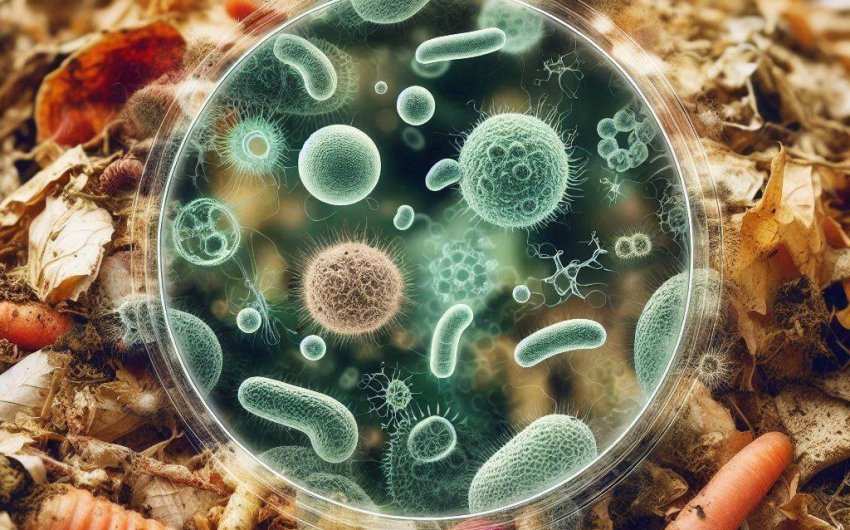
You toss kitchen scraps and yard waste into a bin, give it a stir now and then, and eventually, it magically transforms into rich, dark "black gold." But what exactly is that magic? The true heroes of your compost pile are an invisible army of tiny organisms: microbes. Understanding the science behind composting, especially the roles of these incredible compost microbes, is the key to creating healthier, faster, and more efficient compost. It’s like being a chef, but for tiny soil workers!
The Compost Ecosystem: A World in Miniature
Think of your compost pile not as a pile of waste, but as a bustling city for microscopic life. Every single leaf, banana peel, and coffee ground is a meal, and the temperature, moisture, and airflow are the climate. The main workers in this city are microorganisms, but they get help from some larger friends too.
Who are the Compost Microbes?
The primary decomposers in your compost pile are:
- Bacteria: These are the most abundant and important decomposers. They are the first responders, breaking down the easiest-to-digest materials (like sugars and starches in food scraps). They also generate most of the heat in a hot compost pile.
- Mesophilic Bacteria: These like moderate temperatures (50-100°F or 10-40°C). They start the process in cooler piles.
- Thermophilic Bacteria: These are the superstars of hot composting, thriving in temperatures above 113°F (45°C), often up to 160°F (70°C). They break down materials incredibly fast and kill weed seeds and pathogens.
- Fungi (Molds and Yeasts): These appear as fuzzy white or grayish patches. They specialize in breaking down tougher, more complex organic materials like lignin (found in woody stems) and cellulose (plant fibers). They are especially important in the later stages of composting.
- Actinomycetes: These are a type of bacteria that grow in thread-like strands, often mistaken for fungi. They give finished compost its characteristic "earthy" smell and help break down tough materials like cellulose and lignin.
The Macro-Decomposers: The Compost Crew You Can See
While microbes do the heavy lifting, these larger organisms play vital supporting roles:
- Earthworms: They tunnel through the pile, aerating it and breaking down materials by eating them and excreting nutrient-rich "castings." They are especially active in cooler, more mature compost.
- Mites, Springtails, Beetles, Millipedes, Slugs: These creatures help shred and break down larger pieces of organic matter, making it easier for microbes to access.
The Recipe for Microbial Success: What Microbes Need to Thrive
To get your compost microbes working efficiently, you need to give them a balanced diet and comfortable living conditions. This translates directly to the familiar composting principles.
1. Food: Carbon (Browns) and Nitrogen (Greens)
Microbes need both carbon and nitrogen in the right proportions. This is often called the Carbon-to-Nitrogen (C:N) ratio.
- Carbon (C): Provides energy for the microbes. These are typically dry, coarse materials like dried leaves, straw, shredded paper, wood chips, and sawdust. (The "browns")
- Nitrogen (N): Essential for microbial growth and reproduction (think protein). These are usually moist, fresh materials like grass clippings, food scraps, and manure. (The "greens")
- Ideal C:N Ratio: For fast composting, the ideal ratio is around 25-30 parts carbon to 1 part nitrogen by weight. This usually translates to a volume ratio of roughly 2-3 parts browns to 1 part greens.
- Too much Carbon: Compost breaks down very slowly.
- Too much Nitrogen: Compost becomes dense, smelly (ammonia odor), and soggy.
- Practical Application: Layering your compost bin with alternating layers of browns and greens helps achieve this balance.
2. Water (Moisture)
- Necessity: Microbes need water to carry out their metabolic processes and to move through the compost material. They also need water to absorb nutrients from the decaying matter.
- Ideal Level: The compost should feel like a wrung-out sponge – damp, but not soggy.
- Too Dry: Microbial activity slows or stops.
- Too Wet: Airflow is reduced, leading to anaerobic (stinky) decomposition.
- Practical Application: Water each layer as you build your compost pile, and check moisture levels regularly, especially when turning.
3. Air (Oxygen)
- Aerobic Respiration: The beneficial microbes that break down compost quickly and without odor are "aerobic," meaning they require oxygen to breathe and function.
- Consequences of Lack of Oxygen: If oxygen runs out, "anaerobic" microbes take over. These work much slower and produce unpleasant odors (like rotten eggs or ammonia).
- Practical Application:
- Layering: Coarser brown materials create air pockets.
- Turning: Regular turning (every few days to once a week for hot composting) replenishes oxygen throughout the pile. A compost aerator tool helps introduce air. A compost tumbler makes aeration easy.
4. Temperature (Heat)
- Microbial Activity: The temperature of a compost pile is a direct indicator of microbial activity.
- Phases of Hot Composting:
- Mesophilic Phase (Initial): Microbes that like moderate temperatures start the decomposition process. The pile begins to warm up.
- Thermophilic Phase (Hot Phase): As the pile heats above 113°F (45°C), the mesophilic microbes die off, and the heat-loving thermophilic bacteria take over. They work intensely, raising temperatures to 130-160°F (55-70°C). This is where rapid decomposition, weed seed killing, and pathogen destruction occur.
- Cooling/Curing Phase: As the easily digestible materials are consumed, the pile gradually cools down. Mesophilic microbes and fungi return to finish breaking down tougher materials and stabilize the compost.
- Practical Application: Ensure your pile is large enough (min. 3x3x3 feet) to generate and retain heat. Consistent turning helps maintain these high temperatures by redistributing cooler outer material to the hot core and adding fresh oxygen. A compost thermometer can help you track this.
5. Particle Size (Surface Area)
- Microbial Access: Microbes break down organic matter from the surface. The smaller the particle size, the more surface area is available for microbial attack.
- Faster Breakdown: Smaller pieces (1-2 inches or 2.5-5 cm) lead to much faster decomposition.
- Practical Application: Shred or chop your compost materials before adding them to the pile. A garden shredder is invaluable for woody materials and leaves.
The Composting Process: A Microbial Journey
The transformation of organic waste into compost happens in a series of stages, driven by the changing communities of microbes.
Stage 1: Initial Breakdown (Mesophilic Stage)
- What happens: As you build your compost pile, mesophilic bacteria (the ones that like moderate temperatures) immediately begin breaking down easily digestible sugars and starches in the fresh "green" materials.
- Visible Signs: You might see some moisture forming, and a slight warmth might develop.
- Duration: A few days.
Stage 2: Heating Up (Thermophilic Stage)
- What happens: The rapid activity of the mesophilic bacteria generates heat. As the temperature rises above 113°F (45°C), these initial microbes become less active, and the heat-loving thermophilic bacteria take over. These microbes are the primary drivers of hot composting. They efficiently break down complex organic molecules.
- Visible Signs: The pile will become noticeably hot to the touch. Steam might rise, especially on cool mornings.
- Duration: This is the most active phase, lasting from a few days to several weeks, depending on turning and management.
Stage 3: Cooling Down and Curing (Maturation Stage)
- What happens: Once most of the readily available energy sources are consumed, the activity of the thermophilic bacteria decreases, and the pile's temperature gradually drops back to ambient levels. This allows mesophilic bacteria, fungi, and actinomycetes to return and finish the job, breaking down the tougher, more resistant materials like lignin and cellulose.
- Visible Signs: The compost will look uniform, dark, and crumbly. The earthy smell will be prominent.
- Duration: This curing phase can last from a few weeks to several months. While the compost is technically usable at the end of the hot phase, curing allows for further stabilization and refinement, making it even better for plants.
Signs of a Healthy, Microbe-Rich Compost Pile
Your microbes will tell you how they're doing!
- Heat: A properly managed hot compost pile will be warm or hot to the touch, indicating active microbial respiration.
- Earthy Smell: A pleasant, rich, earthy smell is a sign of healthy aerobic decomposition. If it smells bad (rotten eggs, ammonia), it's a sign of anaerobic activity, and you need to adjust (add browns, turn).
- Visible Organisms: While the main workers are microscopic, seeing earthworms, mites, or other insects (not flies!) is a good sign that your compost is a healthy ecosystem.
- Rapid Breakdown: Materials should visibly reduce in size and transform relatively quickly.
- Steam: Often seen rising from a hot compost pile on cool mornings.
Troubleshooting: What to Do When Microbes Are Unhappy
If your compost isn't behaving, it's usually because your microbes are missing something they need.
Problem: Compost is Cold and Slow
- Microbes are: Inactive or dormant.
- Likely Cause: Too dry, not enough nitrogen (greens), too much carbon (browns), or pile is too small.
- Solution: Add water, add more fresh greens, increase pile size, and turn frequently to add oxygen.
Problem: Compost Smells Bad (Ammonia, Rotten)
- Microbes are: Anaerobic bacteria are thriving.
- Likely Cause: Too wet, not enough oxygen (lack of turning), too much nitrogen (greens).
- Solution: Add a significant amount of dry browns (shredded paper, dry leaves, straw). Turn vigorously to introduce air and dry out the pile.
Problem: Attracting Pests (Flies, Rodents)
- Microbes are: Not active enough, allowing pest-attracting decomposition.
- Likely Cause: Exposed food scraps, meat/dairy in the pile, or not hot enough to deter.
- Solution: Bury all food scraps deeply. Avoid meat/dairy. Ensure optimal heat and turning.
The Long-Term Benefits of Microbes (Beyond Compost)
Understanding compost microbes isn't just for making compost; it highlights their importance in your entire garden soil ecosystem.
- Soil Health: When you add finished compost to your garden, you're not just adding nutrients; you're introducing a diverse community of beneficial microbes. These microbes continue to work in your soil, improving its structure, making nutrients available to plants, and even suppressing plant diseases.
- Nutrient Cycling: Microbes are essential for cycling nutrients in the soil, transforming organic forms into forms that plants can absorb.
- Disease Suppression: A healthy microbial community can outcompete or suppress harmful pathogens in the soil.
The science behind composting is a fascinating journey into the microscopic world that powers our gardens. By diligently providing your compost microbes with their ideal environment – the right balance of browns and greens, optimal moisture, ample air, and sufficient heat – you empower them to perform their magic. The result is not just "black gold," but a deeper understanding of the living, breathing ecosystem that nurtures your plants and sustains a healthy, thriving garden.