
How to Repair a Lawn Damaged by Pets?
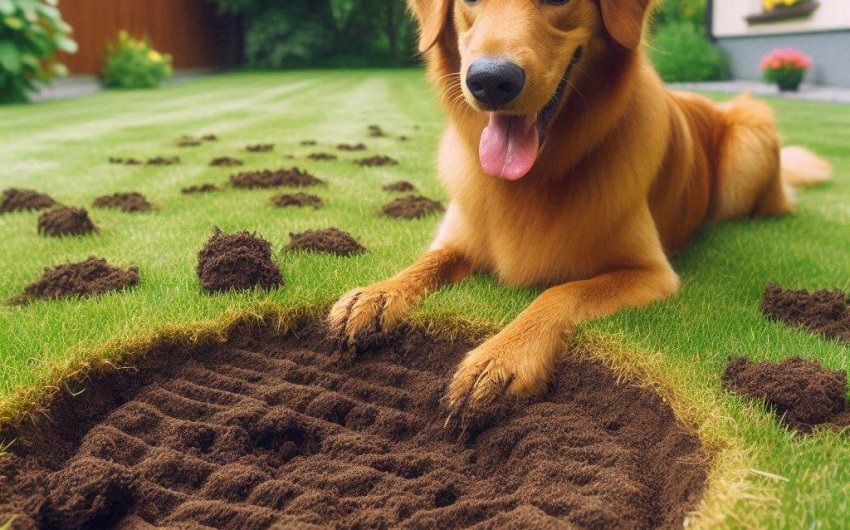
You love your furry friend, but your lawn tells a different story. Those ugly brown spots, yellow patches, and dug-up holes are a common sight for many pet owners. Lawn damaged by pets is a frustrating problem, but it doesn't mean you have to choose between a beautiful yard and your beloved dog!
The main culprits are usually dog urine (causing those scorched spots) and digging. Dog urine burn happens because dog pee is very concentrated and high in nitrogen salts, which act like a super-strong fertilizer. While a little nitrogen is good, too much quickly "burns" the grass. Digging, well, that's just dogs being dogs!
The good news is that you can fix most of this damage. It takes a bit of effort and patience, but with the right steps, you can get your lawn back to its green glory. This guide will walk you through how to repair those unsightly spots and give you tips to prevent future damage. Let's get your lawn looking its best for both you and your pet!
Understanding Pet Damage to Lawns
Before we fix it, let's understand the enemy.
Dog Urine Burn: The Science Behind the Scorch
Those circular brown or yellow spots are the most common form of dog urine lawn damage.
- Nitrogen Overload: Dog urine is rich in nitrogen, a primary component of fertilizer. In small amounts, nitrogen makes grass green. In concentrated amounts, it's like dumping a pile of fertilizer on one spot – it essentially dehydrates and "burns" the grass. This is similar to fertilizer burn.
- Salt Concentration: Urine also contains various salts. These salts draw moisture out of the grass cells through a process called osmosis, leading to dehydration and death of the grass blades.
- Female vs. Male Dogs: Female dogs tend to squat and release all their urine in one concentrated spot, making them more likely to cause severe burn spots. Male dogs often lift a leg and spray, spreading the urine more widely, which can lead to larger, less defined yellowing rather than concentrated brown spots.
- Grass Type Matters: Some grass types are more sensitive to urine burn. Kentucky Bluegrass is quite sensitive, while Tall Fescue and Ryegrass can be a bit more tolerant.
Digging Damage
This is pretty self-explanatory! Dogs dig for various reasons: boredom, burying treasures, hunting rodents, or just because it feels good. This creates unsightly holes, tears up sod, and can expose soil, leading to erosion or weed growth.
Traffic Patterns (Pathways)
If your dog uses the same path repeatedly (e.g., to the gate, around the fence), you might notice worn-down, compacted areas where the grass struggles to grow.
Repairing Dog Urine Spots
These brown spots are often the most noticeable. Here's how to tackle them.
Method 1: Watering (Immediate Action)
If you catch your dog peeing on the lawn, or if you see a new spot forming, quick action can prevent or lessen the damage.
- Flush the Area: Immediately after your dog pees, grab a garden hose and thoroughly drench the spot with water.
- Dilute: The goal is to dilute the urine and wash the excess nitrogen salts away from the grass roots. Water for a minute or two, ensuring the area is completely soaked.
- Effectiveness: This works best for fresh spots. For older, already brown spots, it won't bring dead grass back, but it might help prevent the burn from spreading further.
Method 2: Reseeding Damaged Spots
For brown, dead spots, reseeding is the most common and effective repair method.
Supplies You'll Need:
- Garden rake or hand cultivator
- Grass seed (matching your existing lawn or a drought-tolerant grass seed if preferred)
- Topsoil or potting mix
- Hand trowel
- Small watering can or gentle hose nozzle
- Optional: straw mulch or seed germination blanket
Steps to Reseed Urine Spots:
- Clear the Area: Use your rake or cultivator to vigorously scratch and remove the dead, crispy grass from the entire brown patch. You want to expose bare soil. Break up any hard clumps of soil.
- Dilute (again): If the spot is very crusted with salts, give it a good watering to help flush residual salts deeper into the soil. Let it drain for an hour or two.
- Add Fresh Soil: Sprinkle a thin layer (about 1/2 to 1 inch) of fresh topsoil or good quality potting mix over the bare area. This provides a clean, nutrient-rich bed for your new seeds.
- Spread Grass Seed: Sprinkle the grass seed evenly over the prepared soil. Read the seed package for recommended coverage rates. For small spots, it's easy to over-seed, so try to spread thinly.
- Lightly Cover: Gently rake the seed into the top 1/4 inch of soil. You can also lightly cover it with another very thin layer of topsoil or a sprinkle of peat moss. This helps protect the seeds from birds and drying out.
- Protect (Optional but Recommended): For best results, cover the seeded area with a thin layer of straw mulch. This helps retain moisture and protect the seeds from washing away or being eaten. A seed germination blanket also works well.
- Water Gently: Water the newly seeded area immediately and thoroughly, but gently, to avoid washing away the seeds. Use a watering can with a rose head or a gentle sprinkler nozzle.
- Keep Moist: This is the most crucial step for germination. Keep the soil consistently moist (but not soggy) until the new grass sprouts and is established. This usually means watering lightly 2-3 times a day for a few weeks, especially in warm weather. Once the grass is a few inches tall, you can gradually reduce watering frequency and increase duration to encourage deep root growth.
- Protect from Pets: Try to keep your pet off the reseeded areas until the new grass is well-established (several weeks of growth). You can use temporary fencing like a small garden fence or pet deterrent stakes around the spot.
Method 3: Patching with Sod
For larger or numerous urine spots, replacing with sod can be faster than reseeding.
Supplies You'll Need:
- Shovel or spade
- Sharp utility knife or sod cutter
- New sod pieces (matching your lawn's grass type)
- Topsoil or compost
- Garden roller (optional)
Steps to Patch with Sod:
- Remove Dead Grass: Use your shovel or knife to cut out the dead grass patch. Go slightly beyond the dead area into healthy grass to get a clean edge. Dig down about 2 inches, or to the depth of your new sod.
- Prepare Soil: Loosen the soil in the excavated area with a hand trowel. Add a layer of fresh topsoil or compost, leveling it slightly below the surrounding lawn height to account for the sod thickness.
- Lay Sod: Place the new piece of sod into the prepared hole. Make sure its edges fit snugly against the existing lawn.
- Press Down: Walk over the new sod or use a garden roller to ensure good contact between the sod and the soil beneath. This removes air pockets.
- Water Immediately: Water the new sod thoroughly right after laying it.
- Keep Moist: Water new sod daily for the first week or two, then gradually reduce frequency. The goal is to keep it consistently moist until it roots into the soil.
- Protect from Pets: Keep pets off new sod for at least 2-3 weeks to allow it to root properly.
Repairing Digging Damage
Digging holes requires a slightly different approach.
For Small Holes
- Fill and compact: Simply fill the hole with fresh topsoil or good quality potting mix.
- Add seed: Sprinkle grass seed over the new soil.
- Lightly rake: Gently rake the seed in.
- Water: Water thoroughly and keep moist until new grass grows.
- Protect: Use temporary barriers if needed.
For Larger, Uprooted Areas
- Rake out loose grass/soil: Remove any very loose debris.
- Level: Use a rake to level the area, adding topsoil if needed to fill deeper depressions.
- Tamp: Gently tamp down the soil.
- Reseed or Resod: Proceed with the reseeding or resodding steps as described above for urine spots, depending on the size of the damage.
Preventing Future Pet Damage
Repairing is great, but preventing the damage is even better!
1. Create a "Potty Spot" for Your Dog
This is the most effective prevention strategy.
- Dedicated Area: Designate a specific area of your yard as the "potty spot." This can be a gravel patch, a mulched area, or even a small section of artificial turf.
- Training: Train your dog to use this spot. Take them there on a leash each time they need to go. Reward them heavily with praise and treats when they use it. Consistency is key.
- Location: Choose a spot that's convenient but perhaps less visible from your main living areas.
2. Hydrate Your Dog
A well-hydrated dog's urine is less concentrated, reducing its burning potential. Make sure your dog always has access to fresh water.
3. Supplement Your Dog's Diet (Consult Vet!)
There are some supplements designed to change the pH or reduce the nitrogen content in dog urine.
- Caution: Always consult your veterinarian before adding any supplements to your dog's diet. Some supplements can have side effects or interact with medications. Never give human supplements to dogs.
- Effectiveness: Results vary, and these are not a magic bullet. Products like Dog Rocks for lawn (which go in the water bowl) also claim to reduce urine burn, but their effectiveness is debated.
4. Dilute Urine on the Spot
If a potty spot isn't feasible, continue to immediately water down areas where your dog urinates. Keep a garden hose with a sprayer nozzle handy for quick action.
5. Encourage Off-Lawn Potty Breaks
Take your dog for walks where they can relieve themselves away from your lawn, like on sidewalk strips or in designated dog parks.
6. Improve Lawn Health
A healthy, dense lawn is more resilient and can recover faster from minor stress.
- Proper Watering: Water deeply and infrequently to encourage strong, deep roots.
- Mow High: Taller grass (2.5-3 inches) shades the soil and supports a healthier root system, making it more tolerant of stress.
- Fertilize Wisely: Don't over-fertilize, especially with nitrogen. Use a slow-release lawn fertilizer to avoid adding to the nitrogen load from urine.
- Aeration: Lawn aeration improves soil drainage and allows nutrients and water to reach roots more effectively, making grass stronger. Use a lawn aerator tool.
7. Consider More Urine-Resistant Grass Types
If you're planning a major lawn overhaul or seeding new areas, consider grass types known for slightly better urine tolerance.
- Tall Fescue: Generally more tolerant than Kentucky Bluegrass.
- Ryegrass: Also has some tolerance.
- Drought-tolerant grasses: Many drought-tolerant varieties (like some fescues and warm-season grasses) might also have better resilience to urine due to their stronger root systems.
8. Use Barriers for Digging
If your dog is a habitual digger in certain areas:
- Physical Barriers: Temporarily or permanently install small garden fences or use decorative rocks around vulnerable areas.
- Bury Chicken Wire: For persistent digging, you can bury chicken wire just below the surface in the problem spot. Dogs don't like the feel of it on their paws.
- Provide Alternatives: Give your dog designated digging toys or a sandbox if they enjoy digging.
Repairing a lawn damaged by pets is an ongoing process for many pet owners. By combining effective repair strategies with smart prevention techniques, you can enjoy a greener, healthier lawn and a happy, healthy pet. It's all about finding a balance that works for both your furry family member and your outdoor space!