
When Should You Aerate Your Lawn?
You spend time mowing, watering, and fertilizing your lawn, but sometimes it just doesn't look as lush and green as you'd like. It might be struggling to breathe! Over time, lawn soil can become compacted, making it hard for air, water, and nutrients to reach the grass roots. That's where lawn aeration comes in.
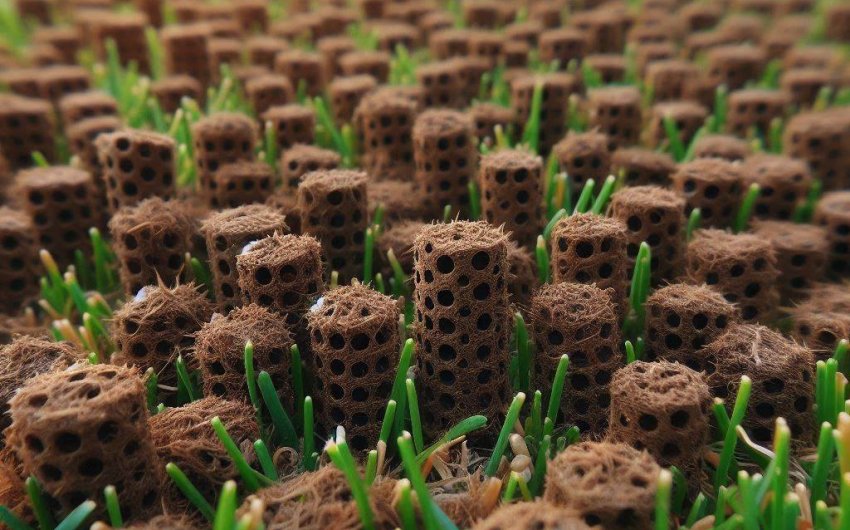
Lawn aeration is the process of making small holes in your lawn to loosen the soil. Think of it as giving your grass roots more room to grow and better access to everything they need. It's a key part of having a truly healthy, vibrant lawn. But knowing when to aerate your lawn is just as important as knowing how. Do it at the wrong time, and you could do more harm than good!
This guide will explain why aeration is so important, how often you should do it, and, most crucially, the absolute best times to aerate for cool-season and warm-season grasses. Get ready to give your lawn a breath of fresh air and watch it thrive!
Why Aerate Your Lawn? The Benefits of Loosening Up
You might be wondering, why go through the effort of poking holes in my beautiful lawn? The benefits are huge!
1. Relieves Soil Compaction
This is the main reason for lawn aeration. Over time, soil gets squished down by:
- Foot traffic: Kids playing, pets running around, people walking.
- Heavy equipment: Lawn mowers, tractors.
- Rain: The force of raindrops can compact the surface.
- Clay soil: Naturally more prone to compaction.
When soil is compacted, it's dense. Air and water can't move freely, and roots struggle to grow.
2. Improves Water Penetration
- No more puddles: If water just sits on your lawn or runs off, it means it's not soaking in. Aeration creates channels for water to quickly penetrate deep into the soil.
- Efficient watering: Your watering efforts (or rainfall) become much more effective because the water actually reaches the roots.
3. Enhances Nutrient Uptake
- Fertilizer reaches roots: When you fertilize, you want those nutrients to get to the roots. Compacted soil holds them at the surface. Aeration helps move fertilizers, compost, and other soil amendments where they're needed.
- Stronger growth: Better access to nutrients means healthier, stronger grass blades and roots.
4. Increases Air Exchange
- Roots need oxygen: Just like us, grass roots need oxygen to live and grow. Compacted soil starves them of air. Aeration allows vital oxygen to get into the root zone.
- Removes CO2: It also helps release carbon dioxide (CO2) from the soil, which is a byproduct of root respiration.
5. Reduces Thatch Buildup
- What is thatch? Thatch is a layer of dead grass stems and roots that builds up between the green grass blades and the soil surface. A thin layer (1/2 inch or less) is fine and actually protective.
- Problems with thick thatch: If thatch gets too thick (more than 1/2 to 3/4 inch), it can block water, air, and nutrients from reaching the soil. It also becomes a breeding ground for pests and diseases.
- Aeration's role: Aeration helps break down thatch by introducing soil microorganisms into the thatch layer, which helps decompose it naturally.
6. Promotes Stronger Root Growth
- Room to grow: By creating channels and loosening the soil, aeration gives roots the space and environment they need to grow deeper and spread out.
- Drought tolerance: Deeper roots mean your lawn is more drought-tolerant and better able to find water during dry spells.
How Often Should You Aerate Your Lawn?
Not every lawn needs aeration every year. It depends on several factors.
- High traffic lawns: If your lawn gets a lot of foot traffic (kids playing, pets running), it will compact faster and might need aeration every year.
- Heavy clay soil: Clay soils are naturally dense and prone to compaction, so they often benefit from annual aeration.
- Lawns that struggle: If your lawn is chronically thin, struggles to grow, or compacts easily, annual aeration can be beneficial.
- Established lawns: Most healthy, established lawns can benefit from aeration every 1-3 years.
- Newly seeded lawns: Avoid aerating newly seeded lawns or sod for at least a full growing season to allow the roots to establish.
When Should You Aerate Your Lawn? The Timing is Key!
This is the most critical question! Aerating at the wrong time can actually harm your lawn by stressing the grass when it's vulnerable or promoting weed growth. The best time to aerate depends on your grass type.
For Cool-Season Grasses (Northern Climates)
Cool-season grasses like Kentucky Bluegrass, Tall Fescue, and Perennial Ryegrass grow best in cool weather (spring and fall).
- Best Time: Early Fall (Late August to October)
- Why: This is the ideal time. The grass is actively growing but not stressed by summer heat. The soil is still warm enough for quick recovery.
- Benefits: Aeration opens up the soil, giving grass roots plenty of space to grow strong before winter. It's also the perfect time to overseed your lawn immediately after aeration. The seeds fall directly into the holes, leading to much better germination and establishment.
- Second Best Time: Early Spring (March to May)
- Why: The grass is just coming out of dormancy and starting its spring growth spurt.
- Considerations: If you aerate in spring, do it early enough that you don't encourage weed growth. Weeds also love bare soil. You might also disrupt pre-emergent herbicides if you've applied them for weed control.
Avoid: Do not aerate cool-season grasses in the middle of summer or winter.
- Summer: The grass is often stressed by heat and drought. Aerating would add more stress and potentially kill it.
- Winter: The ground is often frozen, and the grass is dormant. Aerating wouldn't provide any benefits.
For Warm-Season Grasses (Southern Climates)
Warm-season grasses like Bermudagrass, Zoysiagrass, St. Augustinegrass, and Centipedegrass thrive in hot weather. They go dormant in winter.
- Best Time: Late Spring to Early Summer (April to July)
- Why: This is when warm-season grasses are actively growing and vigorous. The soil is warm, and the grass can quickly fill in the holes and recover from the aeration process.
- Benefits: It helps them recover from winter dormancy and prepare for the peak summer heat.
- Considerations: For St. Augustinegrass, it's usually recommended after the last frost, typically late spring/early summer, before the most intense summer heat.
Avoid: Do not aerate warm-season grasses in the fall or winter.
- Fall: Aerating too late in the fall can leave the grass vulnerable to winter cold before it has time to recover. It can also open up the soil to winter weeds.
- Winter: The grass is dormant, and the ground might be cold. Aerating would stress it unnecessarily.
Important Factors for Timing:
- Soil Moisture: The soil should be moist but not soggy. If it's too dry, the aerator won't penetrate well. If it's too wet, you'll create mud and compact the soil even more. A good rule of thumb is to water your lawn thoroughly the day before you plan to aerate.
- Weather Forecast: Ensure there's no severe heat wave or drought expected right after you aerate, as this can put too much stress on the grass.
- Weed Control: If you apply pre-emergent herbicides, aerating afterward can break the herbicide barrier, allowing weeds to grow. Plan your aeration for before your pre-emergent application, or in the fall after the spring pre-emergent has worn off.
Types of Aerators
You have a few options when it comes to aerating your lawn.
1. Core Aerators (Plug Aerators)
- How they work: These are the most effective type. They use hollow tines to remove small "plugs" or "cores" of soil and thatch from the lawn.
- Pros: Relieves compaction best, improves air and water penetration significantly.
- Cons: Can be heavy and expensive to buy for a homeowner. You'll have plugs all over your lawn (which are good to leave to break down).
- Options:
- Rent: You can rent a gas-powered core aerator from a local tool rental shop. This is a good option for larger lawns.
- Hire a pro: Many lawn care services offer aeration.
- Manual/Handheld: For very small areas, a manual core aerator tool (like a pitchfork-style one) can be used, but it's very labor-intensive for a whole lawn.
2. Spike Aerators
- How they work: These aerators simply poke holes in the ground with solid spikes. They don't remove any soil.
- Pros: Simpler and less expensive than core aerators. You can buy aerator shoes for lawns or spike aerator roller tools.
- Cons: Less effective at relieving compaction than core aerators. They can actually cause some minor compaction around the holes.
- Best for: Very lightly compacted areas or as a quick, shallow treatment. Not recommended for severely compacted lawns.
Step-by-Step Lawn Aeration Process
If you decide to do it yourself, here's how to aerate your lawn effectively.
Step 1: Prepare Your Lawn
- Mow: Mow your lawn a day or two before aerating. Cut it to your normal height or slightly shorter.
- Water: Water your lawn thoroughly the day before you aerate. The soil should be moist but not soggy. Test by pushing a screwdriver into the soil; it should go in easily.
- Clear Debris: Remove any sticks, rocks, or other debris that could damage the aerator.
- Mark Sprinkler Heads/Invisible Fences: Very important! Mark any underground sprinkler heads, utility lines, or invisible dog fences with flags to avoid damaging them with the aerator. A marking flag set is useful.
Step 2: Aerate Your Lawn
- Operating the Aerator:
- Manual/Spike: Simply push or roll the tool over your lawn, ensuring even coverage.
- Rental Machine: Follow the rental company's instructions carefully. These machines can be heavy and require some muscle. Walk in straight, overlapping lines. For highly compacted areas, you might make two passes in perpendicular directions (e.g., once north-south, then once east-west).
- Pulling Plugs: A core aerator should pull out plugs of soil that are 2-3 inches long. If it's not, the soil might be too dry, or the machine might need adjustment.
Step 3: Post-Aeration Care
- Leave the Plugs: Don't remove the soil plugs! They will break down naturally within a few weeks due to rain and mowing, returning valuable organic matter and microorganisms to the lawn. You can speed up their breakdown by running your lawn mower over them.
- Overseed (Highly Recommended): The period immediately after aeration is the absolute best time to overseed your lawn. The grass seeds fall directly into the holes, giving them excellent seed-to-soil contact and a protected environment for germination. This will lead to thicker, healthier grass. A lawn spreader can help with even seed distribution.
- Fertilize: This is also a great time to fertilize. The aeration holes allow fertilizer to penetrate directly into the root zone. Use a slow-release lawn fertilizer for best results.
- Water: Water your lawn thoroughly after aeration, overseeding, and fertilizing. This helps settle the new seeds and fertilizer into the soil.
Common Aeration Mistakes to Avoid
- Aerating too dry soil: Your machine won't penetrate, or you'll wear yourself out for no results.
- Aerating too wet soil: Creates muddy conditions and can compact the soil even more.
- Aerating dormant grass: No benefit, only stress.
- Not marking obstacles: Can lead to costly damage to sprinkler systems or other buried lines.
- Ignoring local conditions: Always adapt timing based on your specific climate and recent weather.
- Not following up: Aeration is just the first step. Overseeding and proper watering/fertilizing afterwards maximize the benefits.
Understanding when to aerate your lawn is a game-changer for lawn health. By aerating at the optimal time for your grass type and following proper care steps, you'll be giving your lawn the gift of air, water, and nutrients, leading to a much more resilient and vibrant green carpet for years to come.