
How to Harvest Spring Greens for Continuous Growth?
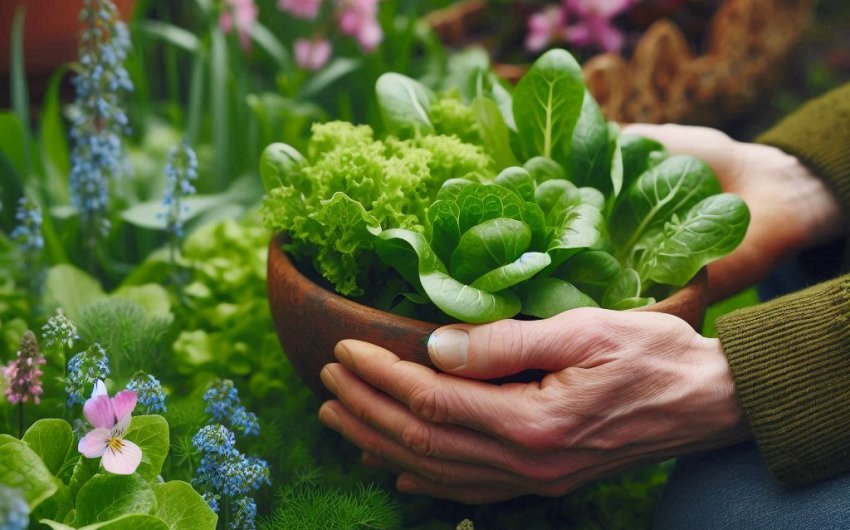
Do you love fresh salads? Imagine stepping into your garden and picking crisp, tender spring greens whenever you want. It's not just a dream! With the right techniques, you can enjoy a steady supply of delicious leafy greens for weeks, even months. This guide will show you exactly how to harvest your spring greens so they keep growing back.
Understanding Your Spring Greens
Before we dive into harvesting, let's get to know these amazing plants. Spring greens are a broad group of leafy vegetables that thrive in cool weather. They grow quickly and are perfect for early spring planting.
What Are Spring Greens?
When we talk about spring greens, we're usually thinking of plants like:
- Lettuce: Many varieties, from loose-leaf to romaine. Loose-leaf varieties are especially good for continuous harvesting.
- Spinach: A classic, packed with nutrients.
- Arugula: Adds a peppery kick to salads.
- Mustard Greens: Similar to arugula, but often spicier.
- Kale: While some kale varieties are harvested fully grown, many young kale leaves are perfect for spring greens mixes.
- Swiss Chard: Young chard leaves are tender and tasty.
- Mâche (Lamb's Lettuce): Small, delicate leaves with a nutty flavor.
- Radicchio: Adds a bitter, slightly spicy note and beautiful color.
These plants share a common trait: they prefer cooler temperatures. As the weather warms up, many of them will "bolt." Bolting means the plant sends up a flower stalk and goes to seed. When a plant bolts, its leaves often become bitter and tough. Understanding this helps us time our harvests just right.
The Importance of Soil and Sunlight
For healthy, fast-growing spring greens, good soil is key. They love rich, well-draining soil with plenty of organic matter. You can improve your soil by adding compost. This provides the nutrients your plants need to grow strong leaves.
Sunlight is also crucial. Most spring greens need at least 6 hours of direct sunlight per day. However, in warmer climates or late spring, a little afternoon shade can protect them from the intense heat and prevent premature bolting.
When to Start Harvesting
Timing is everything with spring greens. You don't want to wait too long, but you also don't want to harvest too early.
Signs Your Greens Are Ready
Generally, most spring greens are ready for their first harvest when their leaves are a few inches tall.
- For lettuce (especially loose-leaf varieties), look for leaves that are 4-6 inches long. They should be firm and vibrant green (or whatever color your variety is).
- Spinach leaves can be picked when they are 3-5 inches long.
- Arugula and mustard greens are often ready when they are 3-4 inches tall. Their flavor is best when young and tender.
- Kale and Swiss chard can be harvested when their leaves are 6-8 inches long for tender baby greens.
The idea is to pick leaves that are large enough to be useful but still young and tender. Waiting too long makes the leaves tougher and sometimes bitter, especially if the weather starts to warm up.
The "Cut and Come Again" Method
This is the secret to continuous growth! The "cut and come again" method (also known as "cut and grow again" or "perpetual harvest") means you harvest only the outer leaves of the plant, leaving the center intact. This allows the plant to keep producing new leaves from its growing point. It's like giving your plant a haircut that encourages it to grow more hair!
This method works incredibly well for most spring greens, especially loose-leaf lettuce, spinach, arugula, mustard greens, kale, and Swiss chard. Head-forming varieties like iceberg lettuce or full-sized romaine are usually harvested all at once, though you can often pick outer leaves from them too if you're careful.
How to Harvest for Continuous Growth
Now for the practical steps! Harvesting correctly is crucial for encouraging your plants to produce more.
Tools You'll Need
You don't need much, but a few simple tools will make the job easier and cleaner.
- Sharp Scissors or Shears: These are ideal for making clean cuts. A good pair of gardening scissors, such as the Fiskars Softgrip Micro-Tip Pruning Snip, will prevent tearing the plant tissue.
- Harvesting Basket or Bowl: To collect your greens. A simple garden harvesting basket is perfect.
Always make sure your tools are clean to prevent spreading diseases to your plants. You can wipe them down with rubbing alcohol before and after use.
The Harvesting Technique
This is the core of the "cut and come again" method.
- Identify the Outer Leaves: Look at your plant. You'll see new leaves emerging from the center. These are the youngest. The older, larger leaves are on the outside. These are the ones you want to pick first.
- Locate the Base of the Leaf: Trace the stem of an outer leaf down to where it connects to the main stem or crown of the plant.
- Make a Clean Cut: Using your sharp scissors or shears, cut the leaf stem about an inch above the soil line. Make a clean cut. Do not tear or pull the leaves, as this can damage the plant's main stem and slow its growth.
- Harvest Selectively: Don't take too many leaves at once. Aim to harvest about one-third to one-half of the outer leaves from each plant during a single harvest. This leaves enough foliage for the plant to continue photosynthesizing (making food) and growing new leaves.
- Leave the Central Growing Point: This is the most important part! Always leave the small, inner leaves untouched. This central cluster is the plant's growing point, and it's where all the new leaves will emerge from. If you damage or remove this, the plant will stop growing.
- Rotate Your Harvest: If you have many plants, harvest from different plants each time, or rotate which parts of a row you harvest. This gives other plants or sections a chance to recover and put out new growth.
Specific Tips for Different Greens
- Lettuce (Loose-Leaf): Pick the largest, outermost leaves. You can often harvest from the same plant every few days.
- Spinach: Harvest outer leaves. You can also snip off the entire plant about an inch above the soil line for a full harvest, and it will often regrow. This is less effective for continuous growth than the outer leaf method, but good if you need a large batch.
- Arugula & Mustard Greens: These are quick growers. Snip leaves about an inch from the ground. They are usually ready for harvest again in a week or two.
- Kale & Swiss Chard: Harvest the outer, larger leaves first, working your way around the plant. Leave at least 4-5 central leaves on the plant so it can continue to produce. These plants can often keep growing well into the summer, even producing through light frosts.
After the Harvest: Encouraging More Growth
Harvesting is just one part of the puzzle. What you do after you pick your greens is just as important for continuous production.
Watering After Harvest
Watering is critical. After harvesting, your plants have just expended energy growing those leaves. They need water to recover and to start forming new ones.
- Deep Watering: Give your plants a good, deep watering after each harvest. This helps the roots stay healthy and encourages new top growth.
- Consistency: Keep the soil consistently moist but not waterlogged. Dry spells can stress the plants and cause them to bolt prematurely or make their leaves bitter. An adjustable garden hose nozzle can help you control the water flow.
Fertilizing for Boosted Growth
Your spring greens are heavy feeders, especially since you're constantly taking their leaves. They need a steady supply of nutrients to keep producing.
- Organic Fertilizers: Use a balanced liquid organic fertilizer or a fish emulsion about once every two to three weeks, especially after a significant harvest. Follow the instructions on the fertilizer package for dilution rates. An example of a good product is the Neptune's Harvest Organic Fish & Seaweed Fertilizer.
- Compost Tea: Another excellent way to provide nutrients is with compost tea. You can make your own or buy pre-made solutions.
- Side-Dressing: Gently work a small amount of finished compost or worm castings into the soil around the base of your plants every few weeks. This slowly releases nutrients and improves soil structure.
Pest and Disease Management
Healthy plants are more resilient to pests and diseases. Regularly check your spring greens for any signs of trouble.
- Common Pests: Look out for aphids, flea beetles, and slugs.
- Aphids: Small, pear-shaped insects often found on the undersides of leaves. You can blast them off with a strong spray of water or use an insecticidal soap.
- Flea Beetles: Tiny, jumping beetles that chew small holes in leaves. Row covers can be very effective in keeping them away.
- Slugs: Leave slime trails and large holes in leaves. Hand-picking them in the evening is effective, or you can use slug bait (choose organic options if possible).
- Disease Prevention: Good air circulation helps prevent fungal diseases. Avoid overhead watering, especially in the evening, as wet leaves can lead to problems. Water at the base of the plant.
- Companion Planting: Planting certain herbs or flowers near your greens can deter pests. For example, marigolds are known to repel some insects.
Managing Bolting
As mentioned, bolting is when the plant sends up a flower stalk and goes to seed. This usually happens when temperatures rise or the plant is stressed. Once a plant bolts, its leaves become bitter and tough, and it puts all its energy into producing seeds.
- Harvest Frequently: Regular harvesting can delay bolting by keeping the plant in a vegetative state.
- Provide Shade: In warmer climates, consider providing some afternoon shade for your spring greens. A shade cloth can be an excellent investment, such as the Coolaroo Shade Cloth.
- Succession Planting: This is a key strategy. Instead of planting all your greens at once, plant small batches every 2-3 weeks. This way, as one batch starts to bolt, another younger batch is ready to take its place, ensuring a continuous supply throughout the spring and early summer.
- Harvest Before Bolting: If you see a plant starting to bolt (a central stalk begins to grow upwards), harvest all the remaining usable leaves immediately. While they might be slightly less tender, they are still edible. You can also let some bolt and collect the seeds for next year's planting, but remove them if you don't want them self-seeding.
Storing Your Freshly Harvested Greens
Once you've harvested your beautiful spring greens, you want to keep them fresh for as long as possible. Proper storage is key to enjoying their crispness and flavor.
Washing Your Greens
- Rinse Thoroughly: As soon as you bring your greens inside, give them a good rinse under cool running water. This removes any dirt, bugs, or garden debris.
- Spin or Pat Dry: Excess water can lead to faster spoilage. Use a salad spinner like the OXO Good Grips Salad Spinner to remove as much water as possible. If you don't have a spinner, gently pat the greens dry with a clean kitchen towel.
Best Storage Methods
- Paper Towel Method: This is a classic and effective method. Wrap your clean, dry greens loosely in a slightly damp paper towel. Then, place the wrapped greens in a sealable plastic bag or an airtight container. The paper towel helps absorb excess moisture while still maintaining a humid environment.
- Container Method: For larger quantities, line an airtight container with a paper towel, add your greens, and then place another paper towel on top before sealing the lid.
- Crisper Drawer: Store your greens in the crisper drawer of your refrigerator. This drawer is designed to maintain optimal humidity for produce.
- Avoid Overpacking: Don't stuff your greens too tightly into containers or bags. This can bruise them and reduce air circulation, leading to quicker spoilage.
- Store Separately: Keep strong-smelling fruits and vegetables (like apples or onions) away from your greens. These can release ethylene gas, which can cause greens to yellow and wilt faster.
With these storage tips, your freshly harvested spring greens should stay crisp and delicious for up to a week, sometimes even longer!
Enjoying Your Continuous Harvest
The best part about learning how to harvest spring greens for continuous growth is the endless supply of fresh, homegrown produce.
Culinary Uses
Your spring greens are incredibly versatile.
- Salads: The most obvious use! Mix different varieties for a complex flavor and texture. Add your favorite dressings, vegetables, and protein.
- Sandwiches and Wraps: Add a crisp, fresh layer to any sandwich or wrap.
- Smoothies: Spinach and kale are excellent additions to healthy smoothies. You won't even taste them!
- Sautéed Greens: Quickly sauté tougher greens like kale or Swiss chard with garlic and olive oil for a delicious side dish.
- Pesto: Arugula or even spinach can be used to make flavorful pestos.
- Stir-Fries: Add young greens to the end of a stir-fry for a quick boost of nutrition.
By mastering the "cut and come again" method, you'll not only enjoy a continuous supply of fresh, vibrant spring greens but also gain a deeper connection to your garden and the food you eat. Happy harvesting!