
How to Prune Trees and Shrubs in Late Winter?
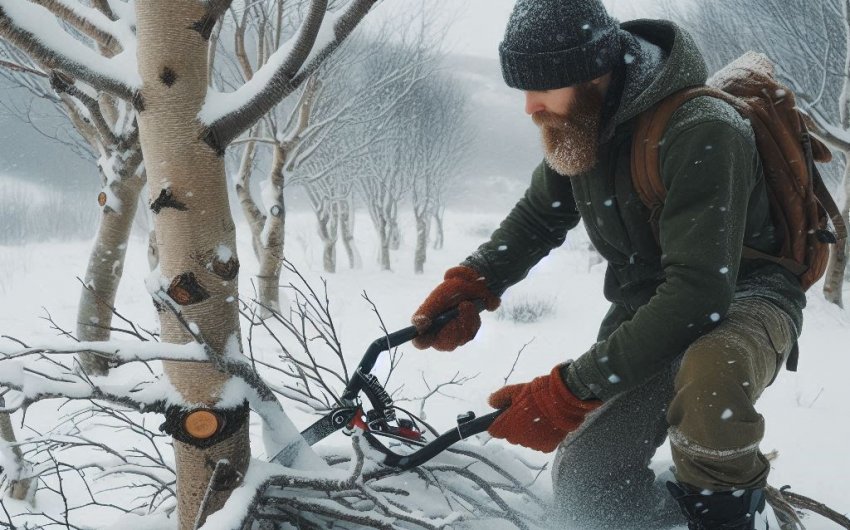
Have you ever looked at your trees and shrubs in late winter and wondered if they need a haircut? The answer is often yes! Pruning is a vital part of keeping your plants healthy, strong, and beautiful. And late winter is one of the very best times to do it.
This guide will walk you through everything you need to know about late winter pruning. We'll cover why it's so important, what tools you'll need, and exactly how to make the right cuts for different kinds of plants. Get ready to give your garden a fresh start for spring!
Why Late Winter Pruning is Best
You might be thinking, "Why prune when everything looks dead or asleep?" That's precisely the point! Late winter offers several big advantages that make it the ideal time for many pruning tasks.
The Dormant Advantage
When we talk about late winter, we mean the time after the coldest parts of winter but before new buds start to swell and open. This is typically from February to early March in many regions, but it depends on your local climate.
During this period, most deciduous trees and shrubs (those that lose their leaves in fall) are dormant. Dormancy means they are in a deep sleep. Their sap isn't flowing strongly yet, and they're not actively growing. This "sleep mode" makes pruning much easier and better for the plant.
Here's why dormancy is a huge plus:
- No Leaves, Clear View: Without leaves, you can clearly see the structure of the plant. It's much easier to spot dead, diseased, or crossing branches. You can make better decisions about which branches to remove and how to shape the plant.
- Reduced Stress: Because the plant isn't actively growing or putting out new leaves, pruning causes less stress. The plant is less likely to "bleed" sap, which can happen with some species if pruned too late in spring.
- Faster Recovery: When spring arrives, and the plant wakes up, all its energy will be focused on growing. Pruning wounds will heal quickly because the plant is ready to push out new growth and seal off cuts. This helps prevent diseases from entering the fresh cuts.
- Pest and Disease Control: Many pests and diseases are also dormant or inactive in late winter. This means you're less likely to spread them with your pruning tools or expose the plant to new infections.
Promoting Vigorous Spring Growth
Another great reason for late winter pruning is to encourage strong new growth in spring. When you remove certain branches, the plant redirects its energy.
- Increased Energy: By cutting back older or weaker branches, the plant doesn't waste energy on them. Instead, it sends all that stored energy into producing healthy new shoots and leaves when the warmer weather arrives.
- Better Flowering and Fruiting: For many flowering shrubs and fruit trees that bloom on new wood (wood grown in the current year), late winter pruning can lead to more abundant and higher-quality blooms and fruits. We'll talk more about this for specific plants.
- Improved Air Circulation: Removing dense, crossing branches opens up the plant's canopy. This allows better air flow, which reduces the risk of fungal diseases that thrive in damp, still conditions.
- Stronger Structure: You can identify and remove weak or poorly attached branches before they become a problem. This helps build a stronger, more stable plant that can better withstand wind and snow.
Essential Tools for Pruning
Having the right tools makes all the difference. Good quality, sharp tools make clean cuts, which are essential for the plant's health. They also make the job easier and safer for you.
What You'll Need
Here's a list of the basic pruning tools every gardener should have:
- Hand Pruners (Bypass Pruners): These are your most-used tool. They look like a pair of sturdy scissors and are perfect for cutting small branches up to about 3/4 inch thick. Bypass pruners have two blades that slide past each other, making a clean, precise cut. Avoid "anvil pruners" for live wood, as they can crush stems. A reliable pair like the Fiskars Bypass Pruning Shears is a great investment.
- Loppers: These are like larger, long-handled hand pruners. They give you extra leverage and reach, making them ideal for branches from 3/4 inch up to 1 1/2 or 2 inches thick. The long handles also help you reach into the plant. Consider a pair of Corona Forged DualCUT Bypass Loppers.
- Pruning Saw: For branches larger than 1 1/2 to 2 inches thick that are too big for loppers. A good pruning saw has sharp, aggressive teeth designed to cut through wood easily. They come in various sizes, from hand saws to pole saws for high branches. A folding saw like the Bahco Laplander Folding Saw is very handy.
- Gloves: Protect your hands from thorns, rough bark, and blisters. Sturdy gardening gloves, such as Wonder Grip Nitrile Coated Garden Gloves, are essential.
- Safety Glasses: Always protect your eyes from flying debris, snapping branches, or poking twigs. Any basic pair of safety glasses will do.
Tool Maintenance
Sharpness and Cleanliness are Key!
- Sharpen Regularly: Dull tools tear and damage plant tissue, leaving ragged wounds that are slow to heal and invite disease. Learn how to sharpen your pruners and loppers, or have them professionally sharpened. A simple pruning sharpener can keep your tools in top shape.
- Clean After Use: After each use, wipe down your tools to remove sap and dirt.
- Disinfect: If you're pruning diseased branches, it's crucial to disinfect your tools between cuts. Use a solution of 10% bleach (1 part bleach to 9 parts water) or rubbing alcohol. This prevents the spread of diseases from one part of the plant to another, or from one plant to another.
Basic Pruning Principles
Before you make any cuts, it's good to understand the basic rules of pruning. These principles apply to almost all trees and shrubs.
The "4 D's" of Pruning
This is an easy way to remember the primary targets for removal:
- Dead: Any branch that is clearly dead. Look for branches that are brittle, discolored, and don't bend. They won't produce leaves and can be a host for pests or diseases.
- Damaged: Branches that are broken, split, or otherwise injured. These can become entry points for disease.
- Diseased: Branches showing signs of disease, such as cankers, unusual growths, or discoloration. Remove these immediately to prevent the disease from spreading.
- Deranged (or Displaced): This refers to branches that are growing in an undesirable way.
- Crossing Branches: Branches rubbing against each other can create wounds and lead to disease. Remove the weaker or less ideally placed one.
- Rubbing Branches: Similar to crossing, but more about friction damage.
- Inward Growing Branches: Branches growing towards the center of the plant, especially if they are dense and block air circulation.
- Suckers: Shoots growing from the base of a tree or shrub below the graft union (the point where the desired plant was joined to a rootstock).
- Water Sprouts: Vigorous, upright shoots that grow rapidly from the main branches or trunk, often on stressed trees.
Making the Right Cut
The way you make a cut is as important as where you make it.
- Angle of Cut: When removing an entire branch at its origin (like a dead branch coming from a main stem), make your cut just outside the branch collar. The branch collar is the slightly swollen area at the base of the branch where it joins a larger stem or trunk. This area contains special cells that help the wound heal quickly. Do not cut flush with the trunk, as this removes the collar and harms the tree's ability to compartmentalize (seal off) the wound.
- Cutting to a Bud: When shortening a branch, cut about 1/4 inch above an outward-facing bud. This encourages new growth to sprout outwards, improving air circulation and shape. Make the cut at a slight angle, slanting away from the bud.
- Cutting to a Side Branch: When you want to remove part of a branch and direct growth, cut back to a healthy side branch that is growing in the direction you want.
- Three-Cut Method for Large Branches: For very large branches (over 1.5-2 inches), use a three-cut method to prevent bark tearing.
- First Cut (Undercut): Make a shallow cut on the underside of the branch, about 6-12 inches away from the trunk. Cut about one-third of the way through.
- Second Cut (Top Cut): Make a cut from the top, a few inches further out from your undercut. The branch will break off cleanly, leaving a stub.
- Third Cut (Final Cut): Cut off the remaining stub just outside the branch collar.
Pruning Specific Trees and Shrubs in Late Winter
While the basic principles apply to most plants, there are some important considerations for different types of trees and shrubs.
Deciduous Trees
Most deciduous shade trees (oaks, maples, elms, birches, etc.) benefit greatly from late winter pruning.
- Goals:
- Remove the "4 D's" (dead, damaged, diseased, deranged).
- Improve the tree's structure and form.
- Elevate the canopy if desired (removing lower branches).
- Thin out overly dense areas to improve air circulation.
- What to Remove:
- Any branches that are clearly dead, broken, or diseased.
- Branches that are rubbing or crossing.
- Suckers growing from the base or water sprouts growing straight up from branches.
- Branches that detract from the tree's overall shape.
- What to Avoid:
- Don't remove more than 25% of the tree's total live canopy in a single year. More than that can stress the tree.
- Avoid topping trees (cutting off the top of the main trunk or branches), which creates weak, unhealthy growth.
Flowering Shrubs
Flowering shrubs are where timing becomes very important. Late winter pruning is ideal for shrubs that bloom on new wood (wood grown in the current growing season). If you prune them in spring or summer, you'll cut off their flower buds.
- Shrubs that Bloom on New Wood (Prune in Late Winter):
- Hydrangea (Panicle and Smooth Types): Hydrangea paniculata ('PeeGee', 'Limelight', 'Vanilla Strawberry') and Hydrangea arborescens ('Annabelle', 'Incrediball'). These can be cut back hard in late winter to encourage vigorous new growth and larger blooms.
- Rose of Sharon (Hibiscus syriacus): Prune to shape and encourage more flowers.
- Butterfly Bush (Buddleia davidii): Can be cut back severely, even to just a few inches from the ground, to promote strong new stems and abundant flowers.
- Spiraea (Japanese Spiraea): Many varieties like 'Gold Mound' or 'Goldflame' bloom on new wood. Cut back to shape.
- Sumac (Rhus): Often pruned heavily to control size and encourage vibrant new foliage.
Pruning Goals for New Wood Bloomers:
- Remove weak, leggy, or crossing stems.
- Cut back stems to a few inches above the ground or to strong outward-facing buds, depending on the desired size and shape. This encourages vigorous new growth, which will then produce flowers.
- Maintain a compact, appealing shape.
Shrubs that Bloom on Old Wood (DO NOT Prune in Late Winter):
- These shrubs form their flower buds on the previous year's growth. If you prune them in late winter or early spring, you'll be cutting off all the flower buds for the upcoming season.
- Examples: Lilac, Forsythia, Mophead Hydrangea (Hydrangea macrophylla), Rhododendron, Azalea, Weigela.
- When to Prune These: Prune these shrubs immediately after they finish flowering in spring or early summer. This gives them time to produce new wood and set buds for the following year.
Evergreen Shrubs
Evergreen shrubs (those that keep their leaves all year) can also be pruned in late winter, but typically for different reasons and with a lighter hand.
- Goals:
- Remove dead, damaged, or diseased branches.
- Lightly shape and control size.
- Rejuvenate older, leggy plants.
- What to Remove:
- Any brown or dead foliage/branches.
- Branches that are too long or out of bounds.
- Crossing branches that are causing issues.
- Considerations:
- Conifers (Needled Evergreens like Junipers, Firs, Pines): Most conifers only grow from the tips of their branches. Avoid cutting into old wood that doesn't have needles, as it often won't regrow from there. Light tip pruning in late winter or early spring can encourage denser growth. For pines, "candling" (pinching off new growth before needles emerge) is done in spring.
- Broadleaf Evergreens (like Rhododendrons, Boxwood, Holly, Laurel): These can often be pruned more aggressively to shape or reduce size. You can remove dead or crossing branches in late winter. For major size reduction or rejuvenation, it's often better to do it in early spring after the risk of hard frost has passed, but before new growth.
- Boxwood: Often pruned in late winter for shaping, as their slow growth allows them to recover well.
- Avoid: Heavy pruning of evergreens too late in the season, as new growth might not harden off before the next winter, making it susceptible to cold damage.
Fruit Trees
Late winter pruning is crucial for most fruit trees (apples, pears, plums, cherries, peaches, etc.). It's the most important annual task for good fruit production.
- Goals:
- Improve Fruit Production: Pruning directs the tree's energy into producing more and better-quality fruit.
- Improve Air Circulation and Sunlight Penetration: This reduces disease and improves fruit ripening.
- Maintain Tree Size and Shape: Makes harvesting and pest management easier.
- Strengthen Tree Structure: Encourages strong branches that can support heavy fruit loads.
- What to Remove:
- The "4 D's" (dead, damaged, diseased, deranged).
- Suckers and Water Sprouts: These are vigorous, unproductive growths that steal energy from fruit production.
- Crossing or Rubbing Branches: Create wounds and block light.
- Branches Growing Inward: Block light and airflow.
- Branches Growing Straight Up (except central leader): Often unproductive.
- Weak or Thin Branches: Unlikely to bear good fruit.
- Specific Considerations:
- Peaches and Nectarines: These fruit on last year's growth. They are often pruned more heavily in late winter to remove a significant portion of older wood and encourage new fruiting wood.
- Apples and Pears: Fruit on spurs (short, woody growths) on older wood. Focus on thinning out crowded areas, removing diseased wood, and maintaining an open structure.
- Plums and Cherries: Generally require less aggressive pruning than apples and pears. Focus on thinning for light and air. Sweet cherries are often pruned lightly to avoid potential canker issues.
- Always Aim for an Open Structure: Think about a wine glass shape for many fruit trees – open in the center to allow light and air.
Important Considerations and Tips
A few extra tips will help you make the most of your late winter pruning.
Don't Prune Too Early or Too Late
- Too Early (Mid-Winter): Pruning during the coldest part of winter can expose fresh cuts to extreme cold, causing dieback and making it harder for the plant to heal.
- Too Late (Late Spring/Summer): If you prune once plants break dormancy and start growing leaves, you remove vital stored energy the plant needs for spring growth. This can stress the plant and reduce flowering for some species. Also, the risk of sap bleeding is higher.
Respect the Plant's Natural Shape
While pruning helps shape a plant, always try to work with its natural form. Don't force a square peg into a round hole. Observe how the plant grows and prune to enhance its inherent beauty and health.
Step Back and Observe
Before and during pruning, take frequent steps back to look at the plant from a distance. This helps you see the overall shape and identify areas that need more attention. It prevents you from cutting too much in one spot.
Clean Up
After you're done, clean up all the pruned branches and debris. This removes potential hiding spots for pests and diseases. Compost healthy clippings or dispose of diseased material separately.
Don't Fear Pruning!
Many new gardeners are nervous about pruning, fearing they might harm the plant. While it's true that improper pruning can be damaging, doing nothing is often worse! Unpruned trees and shrubs can become overgrown, weak, disease-prone, and produce fewer flowers or fruits. Start with the "4 D's" and work your way up. With sharp tools and these guidelines, you'll be giving your plants the best possible start to the spring season.