
Best Flowers to Plant in Fall for a Vibrant Spring
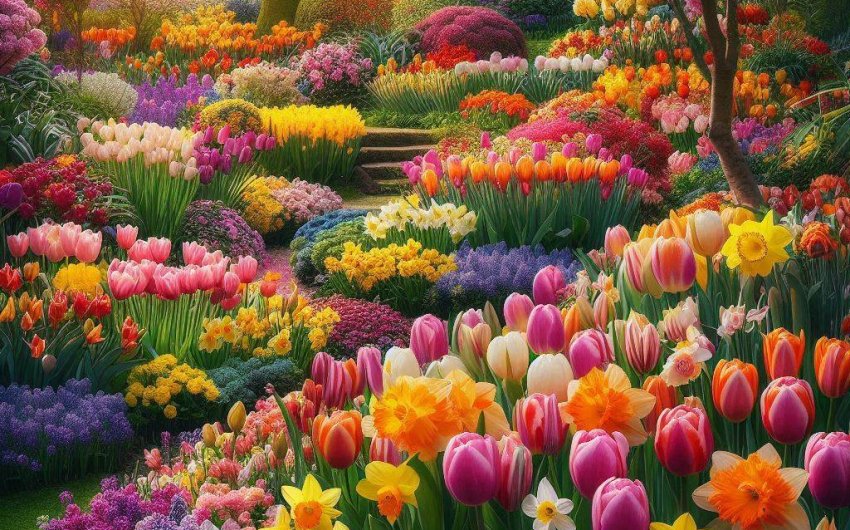
For a truly vibrant spring display, the best flowers to plant in fall are spring-flowering bulbs like tulips, daffodils, and hyacinths, along with hardy perennials such as pansies and violas. Planting them during the cooler autumn months allows them to establish roots and undergo a necessary chilling period.
Why Plant Flowers in Fall for Spring Blooms?
Planting flowers in fall for spring blooms is a gardening secret that ensures a spectacular kickoff to the growing season. This proactive approach takes advantage of autumn's unique conditions, which are ideal for many spring-flowering varieties.
Here's why fall planting is so beneficial:
- Chilling Requirement (Vernalization): Many spring-flowering bulbs, like tulips and daffodils, need a period of cold temperatures to properly develop their flowers. Planting them in fall allows them to experience this natural chilling process (vernalization) while dormant in the ground. Without it, they might produce foliage but no blooms.
- Root Establishment: The cooler soil temperatures and often consistent moisture of fall provide the perfect environment for bulbs and perennial roots to establish themselves. They can focus on growing a strong root system without the stress of summer heat or intense spring growth.
- Early Blooms: When spring arrives, these fall-planted flowers are already settled and ready to go. They emerge much earlier than spring-planted annuals, giving you a burst of color when other plants are just waking up.
- Less Competition: In fall, gardeners often have more time and cooler, more pleasant weather for planting compared to the busy, often unpredictable spring season.
- Natural Cycle: Mimicking nature's cycle, where bulbs and seeds naturally fall to the ground in autumn, leads to more robust and healthier plants.
- Maximized Growing Season: By getting your spring flowers in the ground during fall, you maximize their potential growing season, leading to stronger plants and more prolific blooms.
What Are the Best Bulbs to Plant in Fall for Spring Flowers?
When planning for a vibrant spring, selecting the best bulbs to plant in fall is paramount. These unsung heroes of the garden spend the winter underground, silently preparing to erupt in a dazzling display of color when warmer temperatures arrive.
Here are the top choices for spectacular spring blooms:
1. Tulips (Tulipa)
Tulips are synonymous with spring. Their diverse range of colors, shapes, and sizes makes them incredibly versatile for any garden design.
- Features: Come in almost every color imaginable, from classic reds and yellows to deep purples, striped, and fringed varieties. Heights range from dwarf (6 inches) to tall (28 inches).
- Bloom Time: Early to late spring, depending on the variety.
- Planting Depth: Plant bulbs about 2-3 times their height deep (typically 6-8 inches).
- Spacing: 4-6 inches apart.
- Sunlight: Full sun (at least 6 hours of direct sun per day).
- Soil: Well-draining soil is crucial to prevent rot. Amend heavy clay soils with compost.
- Why they're great: Unmatched variety, stunning visual impact, classic spring icon. For extended blooms, plant early, mid, and late-season varieties. Consider deer and critter resistance; tulips are often a favorite snack.
- Recommended Varieties: 'Darwin Hybrid Tulips' Darwin Hybrid Tulips for large, classic blooms; 'Triumph Tulips' Triumph Tulip Bulbs for a wide color range.
2. Daffodils (Narcissus)
Daffodils are cheerful, reliable, and largely pest-resistant, making them a gardener's favorite.
- Features: Iconic trumpet-shaped flowers, often yellow or white, but also orange and pink varieties exist. Heights vary from mini (6 inches) to tall (2 feet). Deer and rodent resistant due to toxic compounds.
- Bloom Time: Early to mid-spring.
- Planting Depth: 6-8 inches deep.
- Spacing: 4-6 inches apart.
- Sunlight: Full sun to partial shade.
- Soil: Adaptable to various soil types, but prefers well-draining.
- Why they're great: Extremely reliable, naturalize well (come back year after year), excellent pest resistance, a symbol of new beginnings.
- Recommended Varieties: 'Dutch Master' Dutch Master Daffodil Bulbs for classic yellow trumpets; 'Ice Follies' Ice Follies Daffodil Bulbs for white petals with a yellow cup.
3. Hyacinths (Hyacinthus orientalis)
Hyacinths are beloved for their intensely fragrant, dense flower spikes.
- Features: Cone-shaped clusters of star-shaped flowers. Available in shades of blue, purple, pink, white, and yellow. Highly fragrant.
- Bloom Time: Early to mid-spring.
- Planting Depth: 6-8 inches deep.
- Spacing: 4-6 inches apart.
- Sunlight: Full sun to partial shade.
- Soil: Well-draining, rich soil.
- Why they're great: Powerful, sweet fragrance that can fill an entire garden, vibrant color saturation, great for mass plantings or near walkways to enjoy the scent.
- Recommended Varieties: 'Blue Jacket' Blue Jacket Hyacinth Bulbs for classic blue; 'Pink Pearl' Pink Pearl Hyacinth Bulbs for lovely pink.
4. Crocuses (Crocus)
Crocuses are some of the first signs of spring, often pushing through late snow.
- Features: Small, goblet-shaped flowers in purple, white, yellow, and striped varieties. Perfect for naturalizing in lawns.
- Bloom Time: Late winter to early spring.
- Planting Depth: 3-4 inches deep.
- Spacing: 2-3 inches apart.
- Sunlight: Full sun to partial shade.
- Soil: Well-draining soil.
- Why they're great: Very early bloomers, naturalize easily, delightful burst of color after winter.
- Recommended Varieties: 'Giant Crocus Mix' Giant Crocus Mix Bulbs.
5. Grape Hyacinths (Muscari)
Despite the name, these are not true hyacinths but are related. They are charming, long-lasting, and multiply readily.
- Features: Densely packed, tiny bell-shaped flowers resembling grapes, usually blue, but also white and pink.
- Bloom Time: Early to mid-spring.
- Planting Depth: 3 inches deep.
- Spacing: 2-3 inches apart.
- Sunlight: Full sun to partial shade.
- Soil: Well-draining soil.
- Why they're great: Easy to grow, naturalize quickly, beautiful intense blue color, good for mass plantings or borders.
- Recommended Varieties: 'Armeniacum' Muscari Armeniacum Bulbs for vibrant blue.
6. Alliums (Ornamental Onion)
Alliums offer unique globe-shaped flower heads that add architectural interest.
- Features: Spherical clusters of tiny star-shaped flowers on tall, sturdy stems. Colors include purple, pink, white, and yellow. Deer and rodent resistant.
- Bloom Time: Late spring to early summer.
- Planting Depth: 2-3 times the height of the bulb deep.
- Spacing: 6-12 inches apart, depending on variety.
- Sunlight: Full sun.
- Soil: Well-draining soil.
- Why they're great: Unique form, excellent cut flowers, long-lasting blooms, deter deer and rodents.
- Recommended Varieties: 'Globemaster' Globemaster Allium Bulbs for large purple spheres; 'Purple Sensation' Purple Sensation Allium Bulbs for striking violet.
7. Snowdrops (Galanthus nivalis)
True to their name, snowdrops often bloom while snow is still on the ground.
- Features: Delicate, nodding white flowers with green markings. Small but impactful.
- Bloom Time: Late winter to very early spring.
- Planting Depth: 2-3 inches deep.
- Spacing: 2-3 inches apart.
- Sunlight: Partial shade to full sun.
- Soil: Moist, well-draining soil.
- Why they're great: Earliest signs of spring, spread to form beautiful carpets, surprisingly hardy.
- Recommended Varieties: 'Common Snowdrop Bulbs' Common Snowdrop Bulbs.
What Are the Best Perennials and Biennials to Plant in Fall for Spring Blooms?
While bulbs offer spectacular early color, certain perennials and biennials are also fantastic choices to plant in fall for a vibrant spring. These plants offer continuous bloom, lovely foliage, and often more extended flowering periods than many spring bulbs.
1. Pansies (Viola x wittrockiana) and Violas (Viola cornuta)
Pansies and violas are surprisingly cold-tolerant and bring immediate color to fall and early spring.
- Features: Pansies have large, "faced" flowers in a vast array of colors and patterns. Violas are smaller but more numerous, often solid colors. Both are incredibly cheerful.
- Bloom Time: Often bloom in fall, go dormant in winter, then return with vigor in early spring, continuing until summer heat.
- Planting: Plant as small plants (not seeds) in fall.
- Sunlight: Full sun to partial shade.
- Soil: Rich, well-draining soil.
- Why they're great: Provide instant fall color and are among the first to bloom robustly in spring. They can even survive light snowfalls. Perfect for containers, window boxes, and front-of-border planting.
- Recommended Varieties: 'Matrix Mix Pansies' Matrix Mix Pansies; 'Sorbet XP Violas' Sorbet XP Violas.
2. Hellebores (Helleborus orientalis) - Lenten Rose
Hellebores are tough, elegant perennials that provide much-needed color in late winter to early spring.
- Features: Cup-shaped flowers in shades of white, pink, purple, green, and often speckled or spotted. Evergreen foliage provides winter interest.
- Bloom Time: Late winter through early spring, often blooming through snow.
- Planting: Plant as nursery plants in fall.
- Sunlight: Partial to full shade.
- Soil: Moist, well-draining, rich soil.
- Why they're great: Deer resistant, long-lived, provide essential early-season color when little else is blooming, thrive in shady spots.
- Recommended Varieties: 'Winter Jewels Hellebore' Winter Jewels Hellebore Plants.
3. Primroses (Primula vulgaris)
These charming plants bring a burst of bright color to early spring.
- Features: Small, brightly colored flowers, often with a contrasting "eye." Many colors available.
- Bloom Time: Early to mid-spring.
- Planting: Plant as nursery plants in fall.
- Sunlight: Partial shade.
- Soil: Moist, well-draining soil, rich in organic matter.
- Why they're great: Add cheerful pops of color to shady borders or containers. Can be short-lived perennials in warmer zones, but often return year after year where conditions are favorable.
- Recommended Varieties: 'Pacific Giant Primrose' Pacific Giant Primrose Plants.
4. Bleeding Heart (Dicentra spectabilis)
A classic shade garden perennial with unique heart-shaped flowers.
- Features: Arching stems with delicate, heart-shaped pink or white flowers. Fern-like foliage.
- Bloom Time: Mid to late spring.
- Planting: Plant as bare roots or nursery plants in fall.
- Sunlight: Partial to full shade.
- Soil: Moist, well-draining soil, rich in organic matter.
- Why they're great: Exquisite, romantic flowers, excellent for woodland gardens, deer resistant.
- Recommended Varieties: 'Alba' (white flowers) White Bleeding Heart Plants; 'Spectabilis' (classic pink) Pink Bleeding Heart Plants.
5. Basket of Gold (Aurinia saxatilis)
A low-growing perennial that creates a carpet of bright yellow.
- Features: Densely packed clusters of tiny, brilliant yellow flowers that bloom profusely. Attractive silvery-green foliage.
- Bloom Time: Early to mid-spring.
- Planting: Plant as nursery plants or from seed in fall.
- Sunlight: Full sun.
- Soil: Well-draining, even poor or rocky soil. Drought tolerant once established.
- Why they're great: Excellent for rock gardens, cascading over walls, or as a groundcover. Drought tolerant and low maintenance.
- Recommended Varieties: 'Compacta' Compacta Basket of Gold Seeds.
6. Forget-Me-Nots (Myosotis sylvatica)
A charming biennial (or short-lived perennial) that produces masses of tiny blue flowers.
- Features: Small, intensely blue flowers with a yellow or white eye. Often self-seeds readily.
- Bloom Time: Mid to late spring.
- Planting: Sow seeds in late summer/early fall for blooms the following spring.
- Sunlight: Partial shade to full sun.
- Soil: Moist, well-draining soil.
- Why they're great: Creates a lovely "blue haze" when planted en masse, perfect for naturalizing or underplanting with bulbs.
- Recommended Varieties: 'Indigo Blue' Indigo Blue Forget-Me-Not Seeds.
7. Lunaria (Lunaria annua) - Honesty Plant
Known for its beautiful purple flowers and distinctive silvery, translucent seed pods.
- Features: Showy purple (or sometimes white) flowers in spring, followed by unique, coin-shaped, silvery seed pods that persist into winter.
- Bloom Time: Mid to late spring.
- Planting: Sow seeds in fall for blooms the following spring. Biennial (flowers in its second year).
- Sunlight: Partial shade to full sun.
- Soil: Adaptable to various well-draining soils.
- Why they're great: Offers two seasons of interest – flowers in spring, then dried seed pods for fall and winter decor. Self-seeds reliably.
- Recommended Varieties: 'Purple Honesty Seeds' Purple Honesty Plant Seeds.
When is the Best Time to Plant Flowers in Fall?
The best time to plant flowers in fall for a vibrant spring depends heavily on your local climate and USDA Hardiness Zone. The general rule of thumb is to plant spring-flowering bulbs and perennials when soil temperatures have cooled but before the ground freezes solid.
Here's a breakdown:
For Spring-Flowering Bulbs (Tulips, Daffodils, Hyacinths, Crocuses, etc.):
- Ideal Window: Plant after the first hard frost, but at least 6-8 weeks before the ground freezes solid. This typically means:
- Northern Climates (Zones 3-5): Late September to October.
- Mid-Atlantic/Midwest (Zones 6-7): October to early November.
- Southern Climates (Zones 8-9): November to early December. Some warmer zones might need pre-chilled bulbs.
- Deep South (Zones 10+): Many spring bulbs won't perform well without artificial chilling (refrigerating bulbs for 6-10 weeks before planting) as the soil doesn't get cold enough. Plant pre-chilled bulbs in late December or January.
- Soil Temperature: Aim for soil temperatures consistently below 60°F (15°C) but above 40°F (4°C). This cool soil signals to the bulbs that it's time to send out roots, but not yet to sprout foliage. You can use a soil thermometer garden soil thermometer to check.
- Why Timing Matters: Planting too early can cause bulbs to sprout prematurely during a warm spell, making them vulnerable to later frosts. Planting too late may not allow enough time for root development before the ground freezes.
For Perennials and Biennials (Pansies, Hellebores, Primroses, etc.):
- Ideal Window: About 6 weeks before the first hard frost. This allows enough time for the plant's root system to establish before winter dormancy.
- Northern Climates (Zones 3-5): Late August to September.
- Mid-Atlantic/Midwest (Zones 6-7): September to October.
- Southern Climates (Zones 8-9): October to November.
- Pansies/Violas: These can often be planted even later into fall, as they tolerate cold well and are often sold as mature plants ready for instant color. In milder climates, they might even bloom through winter.
- Biennials from Seed: Sow seeds of biennials (like forget-me-nots or foxgloves) in late summer or early fall. They will establish foliage in autumn, overwinter, and then bloom the following spring.
General Fall Planting Tips:
- Monitor Weather: Keep an eye on your local weather forecast. Look for consistent cooler temperatures, rather than just a single cold snap.
- Soil Moisture: Ensure the soil is moist but not waterlogged. Fall often brings natural rainfall, which is ideal.
- Planting Medium: Always amend your soil with compost organic garden compost or other organic matter to improve drainage and fertility, regardless of when you plant.
How Do You Plant Bulbs and Perennials in Fall?
Proper planting techniques ensure your flowers planted in fall will thrive and deliver a magnificent vibrant spring display. While the specific methods vary slightly between bulbs and perennial plants, some fundamental steps are common.
Step-by-Step for Planting Bulbs:
Choose the Right Location:
- Sunlight: Most spring bulbs prefer full sun (at least 6 hours of direct sun daily) in spring, though they can tolerate partial shade, especially if the shade comes from deciduous trees that will be bare when the bulbs bloom.
- Drainage: Crucial! Bulbs will rot in soggy soil. Choose a well-draining spot. If your soil is heavy clay, amend it generously with compost garden compost for planting or coarse sand to improve drainage.
Prepare the Soil:
- Loosen the soil to a depth of at least 12 inches.
- Mix in 2-4 inches of organic compost bulk organic compost to enrich the soil and improve drainage.
Dig the Hole:
- Depth: The general rule is to plant bulbs 2-3 times their height deep. For a 2-inch tall bulb, dig a 4-6 inch deep hole. Larger bulbs like tulips and daffodils go 6-8 inches deep. Smaller bulbs like crocus or muscari go 3-4 inches deep.
- Tools: A bulb planter handheld bulb planter or a garden trowel heavy duty garden trowel works well. For mass plantings, you can dig a wider trench.
Place the Bulb:
- Position the bulb with the pointed end facing up and the flattened, root end facing down. If you can't tell which end is up, plant it on its side; the plant will find its way.
- For a natural look, scatter bulbs and plant them where they fall. For a more formal display, plant in clusters or rows. Plant in groups of at least 5-7 bulbs for the best visual impact.
Cover and Water:
- Gently cover the bulbs with soil, lightly patting down to remove air pockets.
- Water thoroughly after planting. This helps settle the soil and initiates root growth. Even if rain is expected, give them an initial drink.
Protect from Pests (Optional but Recommended):
- If you have issues with squirrels or voles, consider placing chicken wire galvanized chicken wire mesh or a bulb cage bulb protection cage over the planting area before covering with soil.
- You can also try critter repellent granules critter repellent granules to deter hungry animals.
Step-by-Step for Planting Perennials and Biennials:
- Select Healthy Plants: Choose plants from a reputable nursery that look vigorous and free of pests or diseases.
- Prepare the Planting Hole:
- Dig a hole twice as wide as the plant's root ball and just as deep. The top of the root ball should be level with the ground.
- Amend the excavated soil with compost plant compost mix to improve fertility and drainage.
- Planting:
- Gently remove the plant from its container. If roots are circling the pot, gently loosen them at the bottom.
- Place the plant in the hole, ensuring the crown (where the stems meet the roots) is at ground level.
- Backfill with the amended soil, lightly tamping down to remove air pockets.
- Water Thoroughly:
- Water immediately after planting to settle the soil around the roots.
- Mulch:
- Apply a 2-4 inch layer of organic mulch natural wood mulch garden (shredded leaves, wood chips, straw) around the base of the plant. This helps retain soil moisture, suppress weeds, and insulate the roots during winter. Do not pile mulch directly against the plant stem.
By following these planting guidelines, you set the stage for a spectacular and easy-care spring flower garden.
How Do You Care for Fall-Planted Flowers Over Winter?
Once your flowers are planted in fall, winter care is mostly about providing a protective layer and ensuring adequate moisture, especially for bulbs and newly established perennials. This minimal effort ensures a robust and vibrant spring bloom.
For Bulbs:
- Mulching:
- After the ground freezes or just before consistent cold weather sets in, apply a 2-4 inch layer of organic mulch garden mulch for winter protection (such as straw, shredded leaves, pine needles, or wood chips) over the planted area.
- Purpose: Mulch helps insulate the soil, maintaining a more consistent temperature. This prevents the bulbs from being heaved out of the ground by alternating freezing and thawing cycles. It also helps conserve moisture.
- Watering (If Dry):
- In most regions, natural rainfall and snowmelt provide sufficient moisture over winter.
- However, if you experience a very dry fall or a prolonged period without snow, occasionally check the soil moisture. If it's very dry and the ground isn't frozen, a light watering might be beneficial. Once the ground freezes, watering is not necessary until spring.
- Pest Protection:
- If you didn't use bulb cages or chicken wire at planting, and still have issues with squirrels, voles, or deer, consider applying a critter repellent deer and rodent repellent spray that is safe for garden use.
- Ensure mulch isn't piled too high, as it can sometimes provide shelter for rodents.
For Perennials and Biennials:
- Watering New Plants:
- Continue to water newly planted perennials and biennials regularly throughout the fall until the ground freezes. They need consistent moisture to establish their root systems.
- Mulching:
- Apply a 2-4 inch layer of mulch perennial garden mulch around new perennial plantings after the soil has cooled, but before a hard freeze. This helps insulate roots and prevent frost heave.
- Protection for Tender Varieties (if applicable):
- If you've pushed the zone boundaries with a slightly less hardy perennial, consider additional winter protection like covering with a garden cloche garden cloche plant cover or a thicker layer of straw.
- Do Not Fertilize: Avoid fertilizing plants in fall as this can encourage new growth that is vulnerable to winter damage. Wait until spring.
General Winter Care Tips:
- Resist the Urge to Disturb: Once planted, leave your bulbs and perennials alone during winter. Disturbing them can disrupt the chilling process or root establishment.
- Snow Cover is Good: Snow acts as a natural insulator, protecting plants and bulbs from extreme cold.
- Don't Forget Containers: If you've planted bulbs or perennials in containers, they are more vulnerable to freezing temperatures than in-ground plants. Move containers to a sheltered location (unheated garage, shed) or wrap them with burlap garden burlap fabric or bubble wrap for extra insulation.
- Deer Prevention (If an Issue): For plants especially attractive to deer, consider deer netting deer netting garden fence or spray repellents if deer are common in your area during winter.
By providing this simple winter care, your fall-planted flowers will be well-prepared to emerge and put on their best show when spring arrives.
How to Plan a Spring Garden Design with Fall Plantings?
Planning a spring garden design with fall plantings allows you to create a cohesive, dynamic, and truly vibrant spring display. Think about layers, color combinations, and bloom times to maximize visual impact.
1. Consider Bloom Times for Layered Color:
- Early Spring (Late Winter - Early March): Start with the earliest bloomers that push through snow.
- Bulbs: Snowdrops, early crocuses, early daffodils (e.g., 'Tête-à-Tête').
- Perennials: Hellebores, winter aconite.
- Mid-Spring (Mid-March - April): The peak of bloom for many popular varieties.
- Bulbs: Most daffodils, hyacinths, early-to-mid season tulips (e.g., 'Triumph'), grape hyacinths.
- Perennials/Biennials: Pansies, violas, primroses, basket of gold.
- Late Spring (Late April - May): Transitioning towards summer, often with taller blooms.
- Bulbs: Late-season tulips (e.g., 'Darwin Hybrid,' 'Parrot'), alliums, fritillaria.
- Perennials: Bleeding heart, forget-me-nots, aquilegia (columbine).
Strategy: Plant a mix of early, mid, and late-blooming varieties to ensure continuous color from late winter right into early summer.
2. Choose a Color Scheme:
Deciding on a color palette beforehand helps create a harmonious garden.
- Monochromatic: Use different shades and tints of a single color (e.g., various blues from muscari, blue hyacinths, and forget-me-nots). This creates a sophisticated, calming effect.
- Analogous: Use colors next to each other on the color wheel (e.g., yellows, oranges, and reds for a fiery display with daffodils, orange tulips). This is visually pleasing and dynamic.
- Complementary: Use colors opposite each other on the color wheel (e.g., purple and yellow with purple tulips and yellow daffodils, or purple pansies and basket of gold). This creates high contrast and energy.
- Pastels: Soft pinks, lavenders, pale yellows, and whites create a gentle, romantic feel.
- Bright & Bold: Intense reds, oranges, and purples for a high-energy, cheerful look.
3. Plant in Drifts and Clusters:
- Avoid planting bulbs in single, rigid rows, which can look unnatural.
- Drifts: For a naturalistic look, plant bulbs in large, irregular groupings or "drifts." Imagine how they would spread naturally. This creates a more impactful visual statement.
- Clusters: Plant at least 5-7 bulbs of the same variety together in a small cluster rather than scattering them individually. This provides a fuller, more substantial burst of color.
4. Consider Height and Form:
- Layering: Place taller plants at the back of borders (like tall alliums), mid-height plants in the middle (tulips, daffodils), and shorter plants or groundcovers at the front (crocuses, muscari, pansies, basket of gold).
- Foliage: Remember that bulb foliage remains after flowering. Plan for later-emerging perennials or annuals to fill in and hide the fading foliage (e.g., hostas, daylilies, or even annual impatiens planted in spring).
5. Utilize Containers and Window Boxes:
- Fall is an excellent time to plant spring-flowering bulbs in containers bulb planting containers. This allows you to place bursts of color precisely where you want them.
- "Lasagna Planting": Layer different bulbs in a single large container, with late-blooming, taller bulbs at the bottom, mid-season bulbs in the middle, and early-blooming, shorter bulbs at the top. This provides a continuous show from one pot.
- Plant pansies and violas directly in containers and window boxes for instant fall and early spring cheer.
6. Think About Pathways and Entryways:
- Plant fragrant flowers like hyacinths near doors, walkways, or benches where their scent can be best enjoyed.
- Place colorful clusters of tulips or daffodils along pathways to guide visitors and add cheer.
7. Sketch Your Plan:
- Before you buy a single bulb, sketch out your garden beds. Note where existing plants are, sunny and shady spots, and where you envision your spring flowers. This helps visualize the design and calculate how many bulbs or plants you'll need.
By combining these design principles with your list of best flowers to plant in fall, you can ensure a truly mesmerizing and vibrant spring awakening in your garden.