
How to Manage Watering During Summer Droughts?
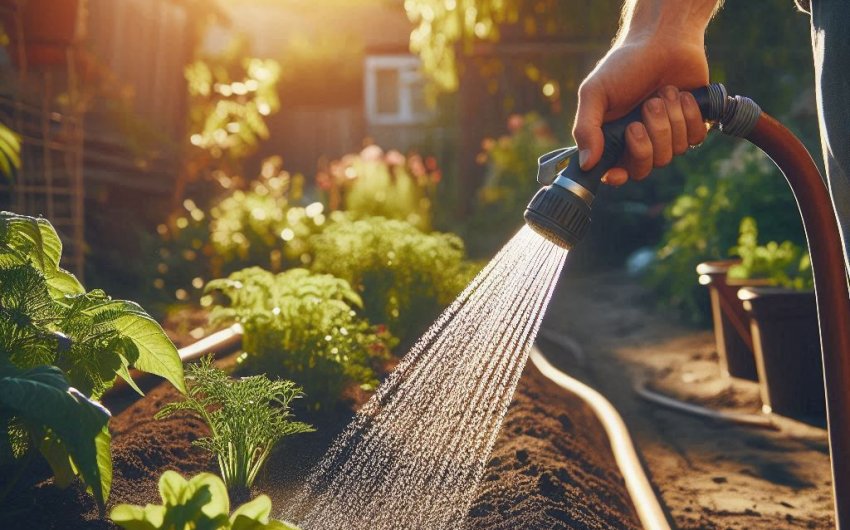
Summer is a wonderful time for gardening, but it often brings a challenge: drought. When the rain disappears and temperatures soar, keeping your plants hydrated becomes a top priority. Watering during summer droughts isn't just about turning on the hose; it's about smart strategies, efficient use of water, and understanding what your plants truly need.
This guide will help you navigate the tricky waters of drought watering. We'll show you how to conserve water, keep your plants alive and thriving, and make the most of every drop. Get ready to become a water-wise gardener!
Understanding Drought and Its Impact on Your Garden
Before we dive into solutions, let's understand what a drought really means for your plants and why regular watering becomes so critical.
What is a Drought?
A drought is simply a long period of abnormally low rainfall, leading to a shortage of water. This isn't just a concern for farmers; it directly impacts your garden.
- Evaporation: High temperatures and dry winds during a drought cause water to evaporate from the soil and from plant leaves (a process called transpiration) much faster than usual.
- Soil Moisture Depletion: Without regular rain, the moisture in the soil quickly disappears, leaving plant roots dry.
- Water Restrictions: Local authorities often implement water restrictions during droughts, limiting when and how much you can water. This makes efficient watering even more important.
How Drought Affects Plants
Plants need water for almost everything they do. When they don't get enough, they show signs of stress:
- Wilting: The most obvious sign. Leaves droop as cells lose water pressure.
- Yellowing and Browning: Leaves turn yellow or brown, especially on the edges, and may become crispy.
- Stunted Growth: Plants don't grow as much or produce as many flowers or fruits.
- Increased Vulnerability: Stressed plants are weaker and more susceptible to pests and diseases.
- Death: If prolonged, severe drought can lead to the death of plants.
Understanding these impacts helps you recognize the urgency and importance of proper drought watering.
Water-Wise Gardening Practices
The best defense against a drought is a proactive approach. By adopting water-wise gardening habits, you can reduce your plants' water needs even before a drought hits.
1. Improve Your Soil
Healthy soil is like a sponge, able to hold water and nutrients for longer.
- Add Organic Matter: Regularly mix in compost, aged manure, or other organic matter to your garden beds. This improves soil structure, making it better at retaining moisture and promoting healthy root growth. For clay soils, it helps drainage; for sandy soils, it improves water retention.
- Deep Tilling: Before planting, deep tilling (turning over the soil to a good depth) helps loosen compacted soil, allowing water to penetrate deeper rather than running off.
2. Mulch, Mulch, Mulch!
Mulch is a gardener's best friend, especially during a drought. It's a layer of material placed on top of the soil.
- Moisture Retention: Mulch acts like a blanket, shading the soil and significantly reducing water evaporation. This means the water you do apply stays in the soil longer.
- Weed Suppression: Mulch smothers weeds, which compete with your plants for precious water and nutrients.
- Temperature Regulation: It keeps soil temperatures more consistent, protecting roots from extreme heat.
- Application: Apply a 2-4 inch layer of organic mulch (such as shredded bark, straw, wood chips, or compost) around your plants. Keep it a few inches away from plant stems and tree trunks to prevent rot. You can find quality options like Gardens Alive! Organic Mulch.
3. Choose Drought-Tolerant Plants
When starting new garden beds or replacing plants, opt for species that are naturally adapted to dry conditions.
- Native Plants: Plants native to your region are often excellent choices because they are already accustomed to local climate patterns, including typical rainfall.
- Low-Water Plants: Many beautiful ornamental plants and some edibles are naturally drought-tolerant. Examples include lavender, sedum, coneflower, yarrow, rosemary, and many ornamental grasses.
- Water Needs: Research the water needs of any plant before you buy it. Look for terms like "low water," "drought-tolerant," or "xeriscape" (a type of landscaping that uses minimal water).
4. Group Plants with Similar Water Needs
Organize your garden by grouping plants that have similar water requirements. This strategy, sometimes called hydrozoning, makes watering much more efficient.
- High-Water Zone: Place plants that need more water (like many vegetables or thirsty annuals) together in one area. This is where you'll focus your most frequent watering efforts.
- Moderate-Water Zone: Group plants with average water needs.
- Low-Water Zone: Locate drought-tolerant plants in areas that receive less frequent watering.
This prevents you from overwatering some plants while underwatering others.
Smart Watering Techniques During a Drought
When you do water, make every drop count. It's not about how often you water, but how effectively you water.
1. Water Deeply and Infrequently
This is the golden rule for drought watering.
- Deep Soaking: Instead of light, frequent sprinkles, aim for a long, slow watering that penetrates deeply into the soil. This encourages plant roots to grow deeper, making them more resilient and able to access moisture further down.
- How Deep?: Aim for at least 6-12 inches of soil moisture penetration, depending on the plant's root depth. For established trees, water should go down even deeper. You can check soil moisture with a soil moisture meter or by simply digging a small hole.
- Infrequent: Let the soil dry out slightly between waterings. This "wet-dry" cycle is healthier for roots than constantly wet soil. Check the soil moisture before watering again. If it feels damp 2-3 inches down, wait.
2. Water at the Right Time of Day
Timing your watering can significantly reduce water loss.
- Early Morning is Best: The ideal time to water is in the early morning (before 10 AM).
- Less Evaporation: Temperatures are cooler, and winds are calmer, so less water evaporates into the air.
- Leaf Drying: Leaves have time to dry before nightfall, reducing the risk of fungal diseases.
- Avoid Midday: Never water in the middle of the day during a drought. The hot sun will cause most of the water to evaporate before it reaches the roots.
- Avoid Evening: Watering in the evening can leave foliage wet overnight, which promotes fungal diseases like powdery mildew. If you must water in the evening, try to water only the soil at the base of the plant.
3. Target the Roots
Deliver water directly where it's needed most: at the plant's root zone.
- Soaker Hoses: These are incredibly efficient. A soaker hose (a porous hose that "weeps" water) delivers water slowly and directly to the soil, minimizing evaporation and runoff. You can snake them through garden beds around your plants. Consider a Gilmour Flat Soaker Hose.
- Drip Irrigation Systems: Similar to soaker hoses but with emitters that deliver precise amounts of water. These systems are highly efficient for perennial beds, vegetable gardens, and even containers. A basic drip irrigation kit can be a great investment.
- Hand Watering: If hand watering, aim the nozzle at the base of the plant, letting the water soak in slowly. Avoid overhead sprinkling, especially for established plants, as much of the water is lost to evaporation and doesn't reach the roots. A good watering wand can help you direct water precisely.
- Watering Rings/Basins: For trees and large shrubs, create a small soil berm or basin around the base of the plant to hold water and ensure it soaks in rather than running off.
4. Monitor Plant Needs and Soil Moisture
Don't just water on a schedule. Pay attention to what your plants and soil are telling you.
- Visual Cues: Learn to recognize the early signs of wilting in your specific plants.
- The Finger Test: Stick your finger about 2-3 inches into the soil. If it feels dry, it's probably time to water. This is the simplest and often most reliable method.
- Moisture Meters: A soil moisture meter can give you a more precise reading of moisture levels at different depths.
5. Prioritize Your Plants
During severe droughts or with water restrictions, you may not be able to water everything. Prioritize!
- New Plants: Newly planted trees, shrubs, perennials, and annuals are the most vulnerable as their root systems aren't established. They need consistent watering.
- Vegetables and Fruits: These are often high-value crops that you're relying on for food. Focus water on them to ensure a harvest.
- Established Ornamentals: Many established trees and shrubs can tolerate some drought, but prolonged dryness will stress them. Water them deeply but less frequently than new plants or edibles.
- Drought-Tolerant Plants: These will be your lowest priority for supplemental watering once established.
Additional Drought Management Strategies
Beyond basic watering techniques, other methods can help your garden survive and even thrive during dry spells.
1. Rain Harvesting
Capture and store rainwater for later use. This is especially useful during droughts when municipal water might be restricted or expensive.
- Rain Barrels: Connect a rain barrel to your downspout to collect water from your roof. This water is excellent for plants as it's free of chlorine and other chemicals found in tap water. Many sizes are available, like a Good Ideas Rain Wizard Rain Barrel.
- Larger Cisterns: For serious water conservation, consider a larger cistern to store more significant amounts of water.
2. Gray Water Recycling
If permitted in your area, consider using gray water for irrigation. Gray water is gently used water from sinks (not kitchen sinks), showers, bathtubs, and washing machines.
- Simple Diversion: Simple systems can divert laundry water directly to certain landscape plants.
- Considerations: Avoid using gray water from dishwashers or kitchen sinks (due to food particles and grease) or from toilets. Be mindful of the soaps and detergents you use; opt for biodegradable, low-sodium products. Research local regulations before implementing a gray water system.
3. Avoid Fertilizing During Drought
Plants are already stressed during a drought. Adding fertilizer can actually make things worse.
- Increased Water Demand: Fertilizers often promote lush new growth, which requires more water.
- Salt Burn: During dry conditions, salts from fertilizers can concentrate in the soil and burn plant roots.
- Wait for Rain: It's best to hold off on fertilizing until regular rainfall returns or the drought breaks.
4. Minimize Weeding
Weeds compete with your desired plants for every drop of water.
- Regular Weeding: Keep up with weeding, especially around young plants.
- Mulch: As mentioned, a good layer of mulch significantly reduces weed growth.
5. Provide Temporary Shade
For particularly stressed or sensitive plants, temporary shade can make a big difference.
- Shade Cloth: Erect a temporary frame and drape it with shade cloth to reduce direct sun exposure and lower temperatures around the plant. A general purpose shade cloth can protect plants from harsh midday sun.
- Umbrellas or Tarps: For individual plants, a garden umbrella or even a carefully positioned tarp can provide temporary relief during the hottest part of the day.
6. Adjust Mowing Practices for Lawns
If you have a lawn, it's often the first thing to suffer during a drought.
- Raise Mower Blades: Mow your lawn higher (3-4 inches). Taller grass shades the soil, reducing evaporation and encouraging deeper roots.
- Let it Go Dormant: In severe droughts, it's often best to let your lawn go dormant (turn brown). It will typically green up again when rain returns. Trying to keep it green with excessive watering during restrictions is often inefficient and may not be allowed.
Managing watering during summer droughts requires a shift in mindset from simply "watering" to "water management." By understanding your plants' needs, improving your soil, using smart watering techniques, and exploring water-saving strategies, you can maintain a resilient and beautiful garden even when the rain doesn't fall.