
What Are the Benefits of a Fall Cover Crop?
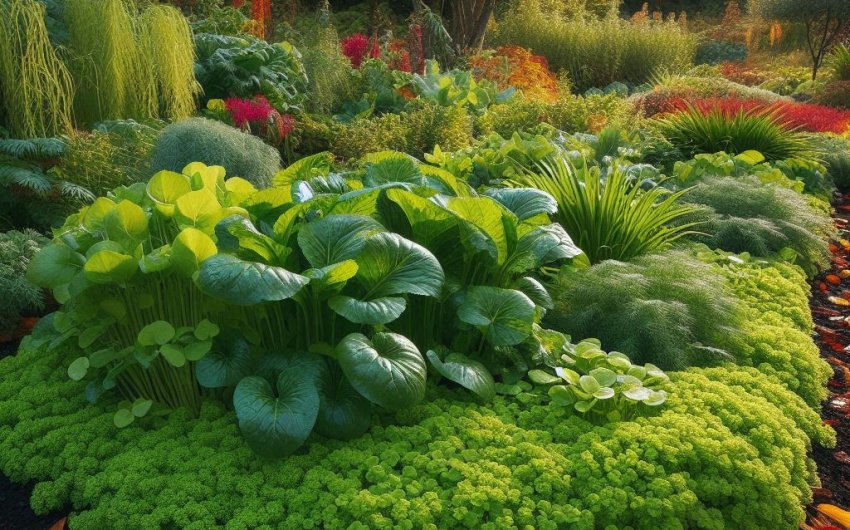
As summer gardens wind down, many of us clean out our raised beds and leave them bare for winter. But what if there was a way to make your soil even better over the cold months? Enter the fall cover crop! These incredible plants are like hardworking superheroes for your garden, protecting and improving your soil when your main crops are gone.
If you've ever wondered about giving your garden a boost for next spring, then understanding the benefits of a fall cover crop is a game-changer. This guide will explain why planting these special crops in autumn is one of the smartest things you can do for the long-term health and productivity of your garden.
Understanding Cover Crops
Before we dive into the many reasons to plant them, let's clarify what a cover crop is.
What is a Cover Crop?
A cover crop (also sometimes called "green manure") is a plant that you grow not to harvest for food, but to improve the soil. It's usually planted in between your main vegetable or flower crops, often during the off-season. When we talk about a fall cover crop, we mean varieties that you plant in autumn and let grow through the winter, or sometimes just until a hard frost.
- Not for Eating: Unlike your tomatoes or carrots, you won't be eating your cover crop. Its job is to work for your soil.
- Soil Builders: These plants are specifically chosen for their ability to enhance soil structure, add nutrients, prevent erosion, and more.
- Natural Solution: Using cover crops is a natural, organic way to build healthier soil without relying on synthetic chemicals.
Types of Fall Cover Crops
There are many different kinds of cover crops, and they each offer unique benefits. Knowing the main types helps you choose the best one for your garden's needs.
- Legumes: These are fantastic for adding nitrogen to the soil. They have special root nodules that host bacteria that "fix" nitrogen from the air into a form plants can use.
- Examples: Crimson clover, hairy vetch, field peas, fava beans.
- Benefits: Excellent nitrogen fixation, good weed suppression.
- Grasses: These are known for their ability to add a lot of organic matter and improve soil structure. They have extensive, fibrous root systems.
- Examples: Winter rye, oats, barley, annual ryegrass.
- Benefits: Great for preventing erosion, adding organic matter, suppressing weeds, scavenging nutrients.
- Broadleaves (Non-Legumes): These include plants like brassicas or other types that offer various benefits, such as breaking up compacted soil.
- Examples: Mustard, daikon radish, buckwheat (though buckwheat is usually a summer cover crop).
- Benefits: Deep taproots that can break up hardpan (compacted soil layers), nutrient scavenging, pest suppression.
Often, gardeners will plant a mix of cover crops (e.g., a legume and a grass) to get a wider range of benefits. You can find good cover crop seed mixes specifically for fall planting, such as Mountain Valley Seed Co. Fall Cover Crop Mix.
Top Benefits of a Fall Cover Crop
Leaving your garden beds bare over winter is like leaving a bank vault open. The soil is exposed and vulnerable. A fall cover crop acts as a protective shield and a powerful amendment program rolled into one. Let's explore the key benefits.
1. Erosion Control
This is one of the most immediate and visible benefits.
- Wind and Water Protection: Bare soil is easily washed away by heavy rains or blown away by strong winter winds. This loss of topsoil is called erosion.
- Root Network: A fall cover crop puts down a network of roots that holds the soil in place. The green leafy growth above ground also acts as a barrier, slowing down raindrops and reducing the force of wind on the soil surface.
- Preventing Runoff: By reducing erosion, you also prevent valuable topsoil and nutrients from washing away into storm drains or waterways, which is good for both your garden and the environment.
2. Weed Suppression
Winter might seem quiet, but weed seeds are just waiting for their chance.
- Outcompete Weeds: A dense cover crop grows quickly and shades the soil, blocking sunlight from reaching weed seeds. This makes it much harder for weeds to sprout and take hold.
- Natural Barrier: Even if some weeds do sprout, the established cover crop acts as a physical barrier, outcompeting them for water, nutrients, and light.
- Less Weeding Next Spring: By planting a cover crop in fall, you'll likely find fewer weeds popping up in your garden beds next spring, saving you a lot of time and effort.
3. Adding Organic Matter to the Soil
This is a huge benefit for long-term soil health.
- "Green Manure": When you're ready to plant your spring crops, you'll "terminate" (cut down or till in) your cover crop. The plant material, both above and below ground, then decomposes and becomes organic matter.
- Improved Soil Structure: Organic matter is vital for healthy soil. It helps bind sandy soils to improve water retention, and it loosens clay soils to improve drainage and air circulation. It also creates a crumbly, easy-to-work soil texture.
- Microbial Life: Decomposing organic matter feeds beneficial soil microbes, fungi, and earthworms. These tiny organisms are the unseen workforce of a healthy garden, breaking down nutrients and making them available to your future plants.
- Long-Term Fertility: The continuous addition of organic matter through cover crops builds up the soil's natural fertility over time, reducing the need for synthetic fertilizers.
4. Nitrogen Fixation (from Legumes)
If you choose a legume cover crop, you get a special superpower: nitrogen fixation.
- Atmospheric Nitrogen: The air around us is about 78% nitrogen, but plants can't use it directly in that form.
- Rhizobia Bacteria: Legumes have a symbiotic relationship with certain bacteria called Rhizobia. These bacteria live in special nodules on the legume's roots. They "fix" (convert) nitrogen gas from the atmosphere into a usable form for plants, like ammonia.
- Natural Fertilizer: When the legume cover crop is tilled into the soil, this fixed nitrogen becomes available to your next vegetable crops. This is like getting free, natural nitrogen fertilizer! It's especially beneficial for heavy feeders like corn, squash, and leafy greens.
- Reduced Need for Nitrogen Fertilizers: Over time, using legume cover crops can significantly reduce or eliminate your need to buy synthetic nitrogen fertilizers.
5. Nutrient Scavenging and Retention
Even if you don't use a legume, cover crops help with nutrient management.
- Prevent Leaching: After your main crops are harvested, any leftover nutrients in the soil (from fertilizers or decaying organic matter) can be washed away by winter rains. This is called leaching.
- "Catch Crop": Cover crops act as "catch crops." Their roots absorb these available nutrients, holding them in their plant tissue.
- Nutrient Cycling: When the cover crop is terminated and breaks down, these nutrients are released back into the soil, ready for your spring plantings. This effectively recycles nutrients that would otherwise be lost. This is especially true for grasses like winter rye, which are excellent scavengers.
6. Breaking Up Compacted Soil (from Deep-Rooted Varieties)
Some cover crops are excellent for improving soil structure, especially in areas with compacted soil or hardpan.
- Taproots: Certain cover crops, like daikon radish (often called "tillage radish") or broadleaf mustard, have long, deep taproots.
- Natural Aeration: These powerful roots bore deep into compacted soil, creating channels. As the roots grow and eventually die and decompose, they leave behind these channels, which help aerate the soil and improve water penetration.
- Reducing the Need for Mechanical Tilling: This "bio-drilling" or "bio-tillage" can reduce your reliance on heavy mechanical tillers, which can sometimes harm soil structure.
7. Creating Habitat for Beneficial Organisms
A healthy garden ecosystem includes more than just your cultivated plants.
- Soil Microbes and Earthworms: As mentioned, the addition of organic matter from cover crops provides food and shelter for beneficial soil microbes and earthworms. These organisms improve soil structure, break down organic matter, and make nutrients available.
- Beneficial Insects: In milder climates where cover crops grow significantly, they can provide shelter and food for beneficial insects over winter. These insects can then help control pests in your garden next spring.
Choosing the Right Fall Cover Crop
The best fall cover crop for you depends on your goals, your climate, and when you plan to plant your next crops.
Key Factors to Consider
- Your Climate Zone:
- Cold Climates: Choose winter-hardy varieties that can survive freezing temperatures and continue growing in spring, such as winter rye, hairy vetch, or crimson clover.
- Milder Climates: You have more options, including oats, field peas, or daikon radish, which may winter-kill (die from frost) but still provide benefits.
- Your Soil Needs:
- Low Nitrogen: Use a legume like hairy vetch or clover.
- Poor Soil Structure/Compaction: Use a deep-rooted broadleaf like daikon radish or a grass like winter rye.
- Erosion Control: Any dense cover crop will help, but grasses like winter rye are particularly good.
- Timing of Spring Planting:
- Early Spring Planting: If you need to plant very early, choose a cover crop that is easy to kill or will winter-kill, such as oats, field peas, or daikon radish. Winter rye can be very vigorous in spring and harder to manage if you need to plant right away.
- Later Spring Planting: If you have more flexibility, hardier cover crops like winter rye or clover can grow longer into spring, providing more benefits.
Popular Fall Cover Crops to Consider
- Winter Rye: A champion of fall cover crops in cold climates. It's incredibly cold-hardy, grows well in poor soil, is excellent for erosion control, adds a lot of organic matter, and scavenges nutrients. It can be tough to terminate in spring if it gets too tall, so plan your timing.
- Hairy Vetch: A cold-hardy legume that's fantastic for nitrogen fixation. Often planted with winter rye for a powerful duo. It forms a dense mat that smothers weeds.
- Crimson Clover: Another beautiful legume that fixes nitrogen. It's less cold-hardy than hairy vetch but still performs well in many regions. It has lovely crimson flowers in spring before termination.
- Oats: A good choice for areas where you want a cover crop that will usually winter-kill (die in severe cold). This means you don't have to worry about terminating it in spring, making bed preparation easier. They still add organic matter and suppress weeds.
- Field Peas: Another legume that generally winter-kills in colder climates. Good for nitrogen fixation and easy to work into the soil in spring.
- Daikon Radish (Tillage Radish): Not for eating! These radishes grow very long, thick taproots that burrow deep into the soil. When they die and decompose (often with the first hard frost), they leave behind channels that aerate the soil and break up compaction. They also scavenge nutrients.
Planting and Terminating Your Fall Cover Crop
Planting a fall cover crop is usually straightforward, but terminating it correctly is crucial for it to benefit your next garden season.
Planting Your Fall Cover Crop
- Timing: Plant your cover crop after harvesting your summer crops but before the ground freezes solid. Aim for at least 4-6 weeks of mild weather after planting for the seeds to establish before sustained cold. Check your local extension office for recommended planting dates.
- Prepare the Bed: Clear out any remaining plant debris and weeds from your garden bed. Lightly loosen the top inch or two of soil if it's compacted.
- Sow the Seeds: Follow the seeding rate recommendations on your seed packet. You can simply broadcast (scatter) the seeds evenly over the prepared bed. For larger areas, a handheld seed spreader can help.
- Cover the Seeds: Lightly rake the soil over the seeds, or simply cover them with a thin layer of compost or straw. The goal is to get good seed-to-soil contact.
- Water: Water the newly seeded area well to help germination. Keep the soil consistently moist until the seedlings are established.
Terminating Your Fall Cover Crop
This is the most critical step for integrating your cover crop into your garden. You need to kill the cover crop and work it into the soil before it goes to seed, but also early enough for it to decompose before you plant your spring crops.
- Timing: Terminate your cover crop 2-4 weeks before you plan to plant your main spring crops. This gives the plant material time to break down and release its nutrients. If you wait too long, the plant material might not be fully decomposed, and it could tie up nitrogen your new plants need.
Methods:
- Chop and Drop (No-Till): For smaller garden beds, you can simply cut down the cover crop at the soil line with pruning shears, a sharp hoe, or even a string trimmer. Leave the chopped material on the surface as a thick layer of mulch. The roots will decompose in place, adding organic matter. This is excellent for no-till gardening.
- Mowing: For larger areas, a lawnmower can be used to chop down the cover crop.
- Tilling: For those who prefer to till, you can chop down the cover crop first, then till it into the top few inches of soil. This speeds up decomposition. However, be mindful that excessive tilling can disrupt soil structure and harm beneficial soil organisms.
- Winter-Kill: If you've chosen a variety that isn't cold-hardy (like oats or field peas in a cold climate), nature might do the termination for you with a hard frost. You'll simply have a layer of dead plant material to work with in spring.
Important Note: Make sure to terminate the cover crop before it produces seeds. If it goes to seed, you'll just be planting a new weed problem!
By planting a fall cover crop, you're not just leaving your garden bare to the elements; you're actively working to build healthier, more fertile, and more productive soil for seasons to come. It's a simple, natural, and highly effective way to invest in the future of your garden.