
How do you repot a cactus plant?
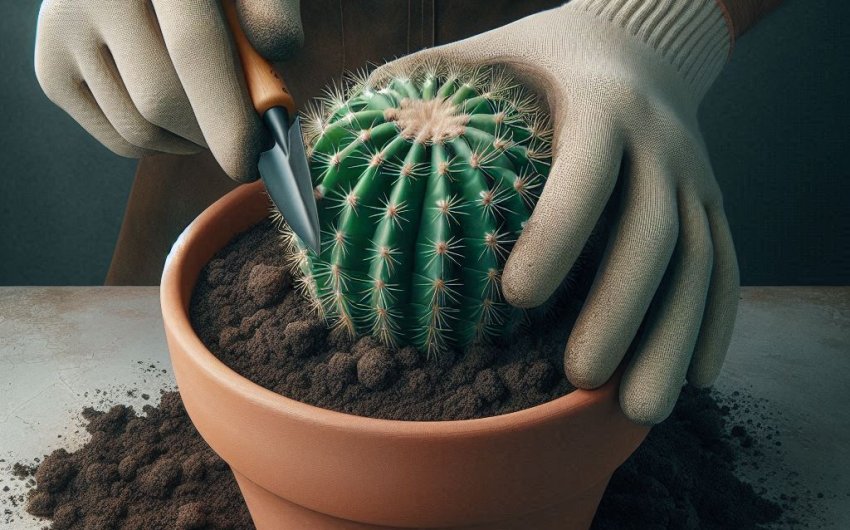
To repot a cactus plant successfully, ensure you have the right well-draining soil and a pot with drainage holes, then carefully extract the cactus using protective measures like thick gloves or folded newspaper, minimizing root disturbance before replanting. This process revitalizes the cactus and supports its growth.
Why and When Should I Repot a Cactus Plant?
Repotting a cactus plant is an essential part of its long-term care, promoting healthier growth and preventing common issues. Unlike many houseplants, cacti don't need to be repotted very often, so knowing the signs and best timing is key.
Why Repot a Cactus?
- Replenish Nutrients: Over time, the nutrients in the potting mix get used up by the plant, or they leach out with watering. Fresh soil provides a new supply of essential minerals for growth.
- Improve Soil Structure and Drainage: Old potting mix can degrade and become compacted, losing its aeration and excellent drainage properties. This is a significant problem for cacti, which are highly susceptible to root rot in soggy conditions. Repotting with fresh, gritty mix ensures optimal drainage.
- Provide More Root Space: While cacti generally prefer to be a bit root-bound, they will eventually outgrow their pot. When roots are too confined, the plant's growth can be stunted, and it may become unstable.
- Address Root Rot or Pests: Repotting offers an opportunity to inspect the root system for signs of root rot (mushy, black roots) or hidden pests (like root mealybugs). You can then prune unhealthy roots and address any pest issues.
- Stabilize Top-Heavy Cacti: As some cacti grow taller, they can become top-heavy and prone to tipping over. A slightly larger, heavier pot (like terracotta) provides better stability.
- Refresh Aesthetics: Sometimes, a new pot can simply refresh the look of your cactus and its display.
When to Repot a Cactus Plant?
- Growing Season: The best time to repot a cactus is during its active growing season, which is typically spring or early summer. This allows the plant to quickly recover from the stress of repotting and establish new roots. Avoid repotting during its dormant period (usually fall and winter), as it will be less resilient.
- Root-Bound Signs:
- Roots growing out of drainage holes: This is a clear indicator that the cactus has filled its current pot with roots.
- Cactus appears unstable: If the plant wobbles easily in its pot, it might be due to a dense root ball pushing it upwards or insufficient potting mix.
- Stunted Growth: If your cactus hasn't shown much growth despite proper light and care, it might need more root room.
- Water runs straight through: If water quickly drains out without seeming to soak into the soil, the mix is likely compacted or depleted.
- Soil Degradation: If the potting mix looks compacted, crumbles easily, or appears to have shrunk significantly from the pot edges, it's time for a refresh.
- New Purchase: It's often a good idea to repot newly purchased cacti within a few weeks or months. Nursery soil is rarely ideal for long-term health.
- Emergency: If you suspect root rot or a severe pest infestation, repotting becomes an immediate necessity, regardless of the season.
How Often to Repot?
Most cacti only need repotting every 2-4 years, sometimes even longer for very slow-growing varieties. Larger, faster-growing specimens might need it more frequently. Always prioritize the signs the plant gives you over a strict schedule.
What is the Best Soil for Repotting a Cactus Plant?
Choosing the best soil for repotting a cactus plant is the most crucial factor for its long-term health. Cacti demand a potting mix that provides excellent drainage and aeration, mimicking their native arid environments. Regular potting soil is a common cause of cactus demise due to its moisture retention.
Key Characteristics of Cactus Soil
- Fast Draining: The absolute priority. Cactus roots are highly susceptible to root rot in soggy conditions. Water should pass through quickly.
- Well Aerated: Plenty of air pockets are needed around the roots for oxygen exchange.
- Gritty/Porous: Incorporates coarse materials that prevent compaction and promote drainage.
- Low Organic Matter: While some organic matter is beneficial for nutrients, too much holds excess water.
- Slightly Acidic to Neutral pH: Most cacti prefer a pH between 6.0 and 7.0, though they can tolerate a slightly wider range.
Components of a Good Cactus Potting Mix
You can buy a pre-made cactus and succulent mix, or mix your own for customized control.
- Base (Organic Portion) - 1 part:
- Coarse Peat Moss or Coco Coir: Provides a light, airy base that retains some moisture and nutrients without becoming soggy. It's often slightly acidic.
- Not regular potting soil alone! While regular potting soil can be part of a mix, it should never be the sole component. Its fine particles compact easily and retain too much water.
- Drainage Enhancers (Inorganic/Gritty Portion) - 1 to 2 parts: This is where you add the grit.
- Perlite: Lightweight, white, volcanic glass. It's highly porous and creates excellent aeration and drainage. A good option is Perlite for Potting Mix.
- Pumice: Lightweight, porous volcanic rock. Similar benefits to perlite but heavier, so it won't float to the top as much during watering.
- Coarse Sand (Horticultural Grade): Adds grit and improves drainage. Crucially, use coarse, gritty sand, not fine play sand or builder's sand, which can actually compact soil and worsen drainage.
- Small Gravel or Grit: Very small, sharp pieces of gravel (like chicken grit or small aquarium gravel) can also be used.
- Expanded Clay Pellets (LECA): Can be used at the bottom of the pot or mixed in sparingly for drainage.
Sample DIY Cactus Soil Mix Ratio (by volume)
A popular and effective ratio is approximately:
- 1 part Potting Soil / Peat Moss / Coco Coir
- 1 part Perlite or Pumice
- 1 part Coarse Sand or Horticultural Grit
Thoroughly mix all ingredients until uniform. The resulting mix should feel very gritty and drain almost instantly when water is added.
What to Avoid
- Garden Soil: Never use soil from your garden. It's too dense, contains weed seeds, and can harbor pests and diseases.
- Fine Sand: Avoid fine sands like play sand or builder's sand, as they can fill in pore spaces and make drainage worse over time.
- Straight Peat Moss: While good as a component, pure peat moss can become hydrophobic when dry and difficult to re-wet.
Investing in or creating the right soil mix is the single most important step in successfully repotting a cactus plant and ensuring its long-term health.
What Kind of Pot Should I Use for Repotting a Cactus Plant?
Choosing the right pot is almost as important as choosing the right soil when repotting a cactus plant. The material and size of the pot play a significant role in drainage, moisture retention, and overall plant health.
1. Drainage Holes Are Non-Negotiable
- Absolute Must-Have: Every pot you use for a cactus must have at least one large drainage hole (and preferably multiple). Without proper drainage, water will accumulate at the bottom, leading to root rot, even with the best soil.
- Avoid "Drainage Layers": Do not put a layer of gravel, broken pottery, or packing peanuts at the bottom of a pot to "improve drainage." This actually creates a "perched water table" effect, where water sits above the drainage layer, making drainage worse and increasing the risk of root rot. Just use good soil and a pot with holes.
2. Pot Material: Terracotta vs. Plastic
- Terracotta (Unglazed Clay Pots):
- Pros: Highly recommended for cacti. Terracotta is porous, allowing moisture to evaporate through the sides of the pot. This helps the soil dry out faster, which is ideal for cacti that prefer drier conditions. They are also heavier, providing stability for top-heavy cacti. They have a classic, natural look.
- Cons: Dries out faster, so you might need to water slightly more frequently than in plastic. Can break if dropped. Can develop mineral salt buildup on the outside over time. A Terracotta Pot with Drainage is an excellent choice.
- Plastic Pots:
- Pros: Lighter, won't break easily, and retain moisture longer than terracotta.
- Cons: Retain moisture longer, which can be a disadvantage for cacti if you're prone to overwatering or if the environment is humid. Require a very gritty, fast-draining mix to compensate.
- Glazed Ceramic Pots:
- Pros: Attractive, decorative, retain moisture like plastic.
- Cons: Non-porous, so they offer no additional drying benefit. Must have excellent drainage holes. Often heavier than terracotta or plastic.
3. Choosing the Right Pot Size
- Slightly Larger: Cacti generally prefer to be a bit root-bound rather than in an overly large pot. When repotting, choose a pot that is only slightly larger than the current one, typically 1-2 inches wider in diameter.
- Why Not Too Big?
- Excess Moisture: A pot that is too large holds an excessive amount of potting mix that the cactus's roots cannot fill. This extra soil will retain more moisture than the plant can use, increasing the risk of root rot, even with good drainage.
- Stunted Growth: Cacti often put more energy into root growth when given too much space, at the expense of top growth and flowering.
- Unstable: Paradoxically, a much larger pot with loose soil can make a top-heavy cactus less stable if its root ball is relatively small.
- Depth: For most cacti, a pot that is about as deep as it is wide (standard pot) works well. For columnar or very tall cacti, a heavier, deeper pot may provide better stability. For shallow-rooted varieties, a shallower "cactus pot" might be appropriate.
By selecting a pot with ample drainage, considering the material, and choosing the correct size, you create an ideal home for your cactus plant, setting it up for success after repotting.
What Tools and Materials Do I Need to Repot a Cactus Plant?
Gathering the right tools and materials before you begin will make repotting your cactus plant much safer and more efficient, especially when dealing with thorny specimens.
Essential Tools for Cactus Repotting
- Thick, Puncture-Resistant Gloves: Absolutely critical for protecting your hands from spines and glochids (tiny, barbed hairs that are notoriously irritating). Leather gardening gloves are a good choice. Consider Leather Gardening Gloves with Long Cuffs for extra arm protection.
- Folded Newspaper, Cardboard, or Towel: For handling the cactus itself. This provides a thick, temporary "handle" that you can wrap around the cactus body, allowing you to grip it without touching the spines. Old bath towels or several layers of thick newspaper work well.
- Small Trowel or Scoop: For handling the potting mix and gently filling the pot.
- Chopsticks or Long Stick: Useful for gently tamping the soil around the roots and for breaking up any compacted soil in the old pot.
- Pruning Shears or Sharp Knife: Sterilized with rubbing alcohol. Needed for trimming unhealthy roots if you find root rot.
- Protective Eyewear (Optional but Recommended): For very spiny cacti or if you are concerned about glochids flying into your eyes.
- Newspaper or Tarp: To protect your work surface from spilled soil.
Essential Materials for Cactus Repotting
- New Pot with Drainage Holes: As discussed, choose the right size and material. Ensure it's clean before use.
- Cactus and Succulent Potting Mix: The correct well-draining, gritty soil mix is paramount. You can buy a commercial mix specifically formulated for cacti and succulents, or your own DIY blend. An example is Hoffman Organic Cactus and Succulent Soil Mix.
- Rubbing Alcohol (70% isopropyl alcohol): For sterilizing your pruning shears or knife to prevent the spread of disease.
- Hydrogen Peroxide (3%): Optional, but useful if you encounter root rot. A 3% solution diluted 1:1 with water can be used to gently soak roots after trimming to kill remaining pathogens.
- Dramm ColorStorm Mister or Spray Bottle: For misting or gently rinsing the cactus (optional, but helpful for dusty cacti).
Having these items ready before you begin will streamline the repotting process and ensure a safe and successful experience for both you and your cactus plant.
How Do I Safely Repot a Cactus Plant? (Step-by-Step Guide)
Repotting a cactus plant requires careful handling due to its spines, but the process is straightforward when done methodically. Follow these steps for a safe and successful transplant.
Step-by-Step Cactus Repotting
Prepare Your Workspace:
- Lay down newspaper or a tarp to catch spilled soil.
- Gather all your tools and materials: new pot, cactus mix, gloves, newspaper/towel, trowel, chopsticks, pruning shears, rubbing alcohol.
- Stop watering your cactus for about 1-2 weeks before repotting. Dry soil makes it easier to remove the plant and minimizes stress to roots during handling.
Add Initial Soil to New Pot:
- Place a small layer of your fresh, well-draining cactus potting mix at the bottom of the new pot. The amount depends on the cactus's height; you want the base of the cactus to be at the same level as it was in the old pot, with about 1 inch of space from the top of the pot's rim.
Carefully Remove the Cactus from Its Old Pot:
- Protection First: Put on your thick, puncture-resistant gloves.
- For Spiny Cacti: Take a thick piece of folded newspaper, cardboard, or an old towel. Wrap it around the body of the cactus to create a safe "handle." Avoid wrapping too tightly, which could damage the plant. For very large cacti, you might need two people or specialized cactus tongs.
- Extracting: Gently tip the old pot on its side. Wiggle the cactus while holding it with your protected hands/newspaper. If the cactus is stuck, gently tap the pot against a hard surface. For plastic pots, you can carefully squeeze the sides. For stubborn terracotta, you might have to break the pot if absolutely necessary. Never pull the cactus directly by its body or stem without protection, and avoid pulling hard on it.
- Dealing with Stuck Roots: If roots are growing out the bottom, you might need to carefully cut them or gently push them back through the holes.
Inspect and Prepare the Root System:
- Once the cactus is out, gently shake off as much of the old potting mix as possible from the roots. You can use a chopstick or your fingers to loosen compacted soil.
- Inspect Roots: Examine the root ball. Healthy roots are typically firm, light-colored (white or tan), and pliable.
- Prune Unhealthy Roots: If you see any roots that are black, mushy, soft, or smell foul, these are signs of root rot. Use your sterilized pruning shears to cut away all affected roots until you reach healthy, firm tissue. If you make cuts, allow the cut surfaces to dry and "callus over" for a few days before replanting to prevent new infections.
- Loosen Root Ball: If the roots are tightly coiled and circling the root ball (root-bound), gently tease them apart to encourage them to spread into the new soil.
Position the Cactus in the New Pot:
- Place the cactus (still protected by newspaper/towel/gloves) in the center of the new pot.
- Adjust the amount of soil underneath so the cactus sits at the same depth as it was in the old pot, with the soil line about 1 inch below the rim of the pot. This leaves space for watering.
Fill with New Soil:
- Carefully backfill around the roots with your fresh cactus potting mix using your trowel or scoop.
- Use a chopstick or your fingers to gently work the soil down around the roots, eliminating large air pockets. Gently tap the sides of the pot or gently lift and drop the pot a few times to help settle the soil. Do not pack the soil down tightly, as this will reduce aeration and drainage.
Final Steps:
- Remove your protective wrap/gloves.
- Use a soft brush (like a paintbrush) or a gentle puff of air to remove any stray soil particles from the cactus body and spines.
- Do NOT water immediately after repotting. Wait for at least 5-7 days, or even longer (up to 2 weeks for cacti that are very sensitive or if you trimmed roots). This allows any damaged roots to heal and reduces the risk of root rot, as the cactus won't be drawing up water while its roots are recovering.
Following these steps meticulously ensures a smooth transition for your cactus plant, minimizing stress and setting it up for continued healthy growth.
How Do I Care for a Cactus Plant After Repotting?
Proper aftercare is critical for a cactus plant's recovery and successful establishment in its new pot. Incorrect care immediately after repotting can undo all your hard work and even harm the plant.
1. The Crucial "No Water" Period
- Rule: Do NOT water your newly repotted cactus plant for at least 5-7 days, and preferably 1-2 weeks.
- Why:
- Root Healing: Repotting can cause tiny, unseen tears or damage to the roots. Watering immediately can introduce pathogens into these wounds, leading to root rot. Allowing the roots to dry out and "callus over" minimizes this risk.
- Stress Reduction: The cactus needs time to settle and begin extending new roots into the fresh soil.
- Exception: If you performed significant root pruning due to root rot, extend the dry period to 2-3 weeks.
2. First Watering After Repotting
- When: After the designated dry period, give your cactus its first deep watering.
- Method: Water thoroughly until water drains freely from the bottom of the pot. Ensure the entire soil ball gets moistened.
- Subsequent Waterings: Resume your normal "soak and dry" watering routine after this. Allow the soil to dry out completely before watering again. The frequency will depend on your cactus species, pot size, soil mix, and environment. Use a Moisture Meter for Plants to check deep into the pot.
3. Light and Temperature
- Bright, Indirect Light: For the first week or two after repotting, place your cactus in a spot with bright, indirect light. Avoid harsh, direct afternoon sun, which can stress the recovering plant.
- Stable Temperatures: Keep the cactus in a warm, stable environment (typically 65-85°F or 18-29°C) with good air circulation. Avoid cold drafts or sudden temperature changes.
- Gradual Return: After the initial recovery period (1-2 weeks), you can gradually move the cactus back to its preferred location with more direct sunlight, if appropriate for its species.
4. Fertilization
- No Immediate Fertilization: Do NOT fertilize a newly repotted cactus immediately. The fresh potting mix provides plenty of nutrients.
- When to Fertilize: Wait for at least 4-6 weeks after repotting, or even until the next active growing season (if you repotted late in the season). When you do fertilize, use a diluted, balanced cactus-specific fertilizer during its active growth period.
5. Patience and Observation
- Initial Stress: It's normal for a cactus to show some signs of stress after repotting, such as slowed growth or a slight change in color.
- Monitor: Continuously monitor your cactus for signs of recovery (new growth, firm body) or problems (wilting, browning, yellowing, or mushiness).
- Don't Overreact: Resist the urge to overwater or move the plant constantly if it's not immediately thriving. Consistency is key.
By giving your cactus plant proper rest, careful watering, and stable conditions after repotting, you'll greatly enhance its chances of recovery and vigorous future growth.
What Are Common Problems After Repotting a Cactus Plant?
Even with the best intentions, a cactus plant can experience issues after repotting. Understanding these common problems helps in diagnosing and addressing them quickly to ensure the plant's survival.
1. Transplant Shock
- Problem: All plants experience some degree of stress when moved to a new environment or when their roots are disturbed.
- Symptoms:
- Slowed Growth: The plant may pause new growth for several weeks as it focuses energy on establishing roots.
- Slight Wilting/Softness: The cactus body might feel slightly softer or appear a bit less vibrant than usual.
- Minor Discoloration: A slight yellowing or dullness.
- Cause: Normal physiological response to root disturbance and environmental change.
- Solution: Patience. Provide optimal light and temperature, and stick to the "no water" rule. Avoid further disturbance. Most cacti recover within a few weeks to a couple of months.
2. Root Rot (The Most Serious Problem)
- Problem: This occurs when the roots are deprived of oxygen due to soggy soil, leading to decay. It's the most common reason a repotted cactus fails.
- Symptoms:
- Mushy/Soft Base: The base of the cactus becomes soft, mushy, and often discolored (dark brown or black).
- Wilting/Drooping: The cactus may look dehydrated and shriveled, even though the soil is wet.
- Yellowing/Browning: Discoloration spreads from the base upwards.
- Foul Smell: The soil might emit a sour or rotten odor.
- Cause:
- Watering too soon after repotting: Allowing pathogens to enter root wounds.
- Overwatering: Watering too frequently or not allowing soil to dry out.
- Poor drainage: Using an incorrect soil mix or a pot without drainage holes.
- Solution:
- Act Immediately: Remove the cactus from the pot.
- Inspect Roots: Cut away ALL rotten, mushy, or black roots using sterilized shears until only healthy, firm, white/tan root tissue remains.
- Dry/Callus: Allow the cactus to air dry for several days (or even a week or two for severe cuts) to form a callus over the cut root surfaces. Place it in a dry, airy spot out of direct sun.
- Repot: Repot into a completely fresh, bone-dry cactus mix in a clean pot (or sterilized old pot).
- No Water: Do not water for another 1-2 weeks after this second repotting.
3. Fungal or Bacterial Infections (Other than Root Rot)
- Problem: Less common than root rot, but open wounds from trimming or damaged spines can be entry points for other fungal or bacterial diseases.
- Symptoms: Soft, spreading black or brown spots on the cactus body, unusual lesions, or fuzzy mold.
- Cause: Unsterilized tools, contaminated soil, or poor air circulation.
- Solution: Prune affected areas back to healthy tissue using sterilized tools. Apply a fungicide (for fungal infections) or allow cuts to callus. Ensure good air circulation.
4. Lack of Growth (Prolonged)
- Problem: While initial slow growth is normal due to transplant shock, if your cactus shows no signs of new growth after several months (during its active season), there might be an issue.
- Symptoms: No new pads, no new growth on columnar cacti, no new offsets.
- Cause: Still recovering from shock, insufficient light, improper watering (too little or too much), or nutrient deficiency (if not fertilized after a long time).
- Solution: Review light conditions. Ensure proper watering cycle. Consider a light fertilization if it's in its active growing season and it's been several months since repotting.
The most critical factor in managing post-repotting problems, especially root rot, is vigilance and immediate action. Providing optimal conditions for your cactus plant before, during, and after repotting is key to its long-term success.