
How Do You Propagate a Phalaenopsis Orchid?
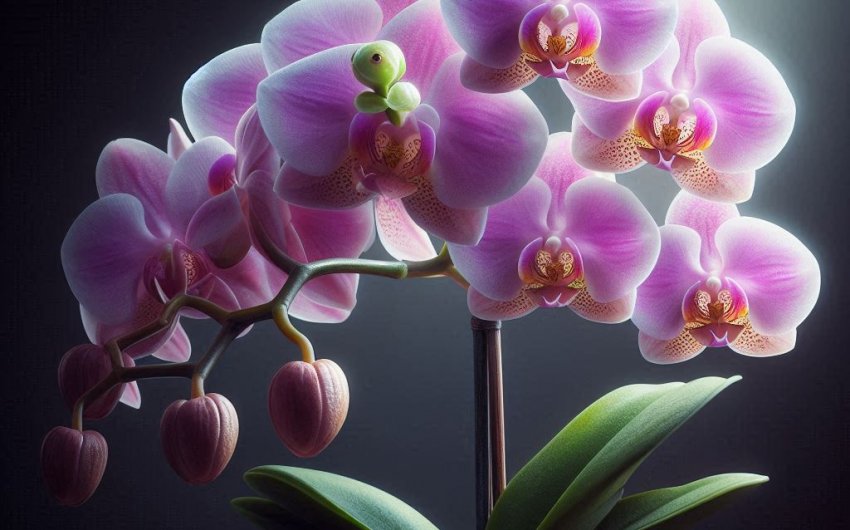
To propagate a Phalaenopsis orchid, the most common and successful method for home growers is through the division of mature plants or by nurturing "keikis" (baby orchid plants) that naturally form on old flower spikes. Tissue culture is also possible but requires specialized lab conditions.
What is Phalaenopsis Orchid Propagation?
Phalaenopsis orchid propagation refers to the process of creating new orchid plants from an existing one. Unlike many plants that can be easily propagated from simple stem cuttings, Phalaenopsis orchids (often called "Moth Orchids") have unique growth habits that require specific propagation methods. The goal is to produce genetically identical copies (clones) of the parent plant, allowing you to multiply your favorite varieties or share them with others. Understanding these methods is key to successfully expanding your orchid collection.
Why Propagate Phalaenopsis Orchids?
There are several compelling reasons why an orchid enthusiast might want to engage in Phalaenopsis orchid propagation.
- Expand Your Collection: The most obvious reason is to increase the number of beautiful Phalaenopsis orchids you own, without having to buy new plants.
- Share with Others: Propagating allows you to share your favorite or rare orchid varieties with friends, family, or fellow enthusiasts.
- Preserve a Special Plant: If you have an orchid with sentimental value or one that's a unique specimen, propagation ensures its lineage continues even if the parent plant eventually declines.
- Rejuvenate an Old Plant: Sometimes, an older Phalaenopsis plant may become too large, leggy, or lose vigor. Dividing it can rejuvenate the plant, giving it a fresh start and encouraging new, stronger growth.
- Experimentation and Learning: For many growers, the act of propagation itself is a fascinating challenge and a way to deepen their understanding of orchid biology and care. Successfully propagating an orchid is a rewarding experience.
- Cost Savings: While orchids are readily available, propagating your own can be a cost-effective way to acquire new plants, especially if you have an established parent plant producing keikis or are able to divide it.
- Rescue Mission: Occasionally, a distressed orchid might produce a keiki as a last effort to survive. Nurturing this keiki becomes a rescue mission to save the genetics of the parent plant.
These motivations highlight the practical and personal rewards of mastering Phalaenopsis orchid propagation.
What are Keikis and How Do They Form?
Keikis (pronounced KAY-keys) are a primary method of Phalaenopsis orchid propagation for home growers. The word "keiki" is Hawaiian for "baby" or "little one," and it perfectly describes these small, new orchid plantlets that spontaneously develop on the parent plant.
Where Do Keikis Form?
Keikis typically form on the nodes of a Phalaenopsis orchid's flower spike. After a flower spike has finished blooming, dormant "eyes" or nodes along the stem might activate. While some nodes will produce new flower branches, others can surprisingly develop into a completely new orchid plant.
Why Do Keikis Form?
Keiki formation is often a response to certain conditions, though sometimes it seems to happen randomly:
- Hormonal Imbalance: Often, keiki formation is attributed to an imbalance of growth hormones within the plant. Sometimes a surge of growth hormones (cytokinins) at the expense of rooting hormones (auxins) can lead to keiki development instead of flower branches.
- Stress: A plant under stress (e.g., inadequate light, improper watering, nutrient deficiency, or even the natural decline of an older plant) might put out a keiki as a survival mechanism, trying to reproduce itself.
- Environmental Conditions: High humidity and specific temperature fluctuations can sometimes encourage keiki growth.
- Keiki Paste Application: Applying a keiki paste (a hormonal compound containing cytokinin) directly to a dormant node on a flower spike is a common method used by growers to induce keiki formation.
How Do Keikis Develop?
A keiki starts as a small bump at a node. Over time, it will develop:
- Tiny Leaves: Usually two small leaves appear first.
- Roots: Crucially, a keiki must develop its own root system. Small, silvery-green roots will emerge from the base of the keiki. These roots are vital for its survival once separated from the parent.
Understanding keikis and their formation is fundamental if you want to use this natural method for Phalaenopsis orchid propagation.
How Do You Induce Keikis on a Phalaenopsis Orchid?
While keikis can form naturally, you can also actively encourage their development on a Phalaenopsis orchid's flower spike using a product called keiki paste. This method is a popular way to control Phalaenopsis orchid propagation.
What is Keiki Paste?
Keiki paste (also known as keiki cloning paste or orchid rooting hormone paste) is a lanolin-based paste containing a plant growth hormone called cytokinin. Cytokinins stimulate cell division and shoot development. Some pastes also contain a rooting hormone (auxin) to encourage root growth. You can typically find Orchid Keiki Paste online or at specialized orchid nurseries.
When to Apply Keiki Paste:
- After Blooming: The best time to apply keiki paste is after your Phalaenopsis orchid has finished blooming, and the flower spike is still green and healthy.
- Active Growing Season: Apply during the orchid's active growing season (typically spring or summer) when temperatures are warm and light is abundant, as this promotes vigorous growth.
Step-by-Step Keiki Induction:
- Identify a Node: Locate a dormant node (a small, triangular bump) on the flower spike. Nodes are usually covered by a thin, papery "bract." Choose a node that is green and healthy, often one of the lower nodes on the spike that hasn't bloomed or formed a branch.
- Prepare the Node: Gently peel back the papery bract covering the chosen node. Use clean, sterile tweezers or your fingernail. Be careful not to damage the underlying green tissue.
- Apply Keiki Paste: Using a clean cotton swab, toothpick, or a very small brush, apply a tiny amount of keiki paste directly onto the exposed green tissue of the node. A very thin layer is all that's needed – don't glob it on.
- Monitor: Place your orchid in its normal growing environment, ensuring it receives optimal light, humidity, and temperatures.
- Patience: It can take several weeks to a few months for a keiki (or new flower branch) to emerge from the treated node. Not all treated nodes will produce a keiki; some may produce a new flower spike, or nothing at all.
Important Considerations:
- Sterilize Tools: Always use clean, sterile tools when handling your orchid to prevent the spread of disease.
- Don't Overuse: Avoid applying keiki paste to too many nodes on a single spike, or to multiple spikes on the same plant, as this can stress the parent plant. Limit to 1-2 nodes per spike.
- Plant Health: Only attempt to induce keikis on a healthy, vigorous parent plant. A weak plant may not have the energy to support new growth.
- Light and Humidity: Optimal light and humidity levels (50-70%) are crucial for successful keiki development.
By carefully following these steps, you can actively participate in Phalaenopsis orchid propagation by encouraging keiki growth.
How Do You Separate and Pot Keikis?
Successfully separating and potting keikis is a key step in Phalaenopsis orchid propagation. Timing and gentle handling are crucial for the baby orchid's survival.
When is a Keiki Ready to Be Separated?
Do NOT rush to separate a keiki. This is the most common mistake. A keiki is ready for separation when it meets two crucial criteria, often referred to as the "3-3 rule":
- At least 3 leaves: The keiki should have developed at least three healthy, full-sized leaves.
- At least 3 roots, each 3 inches (7.5 cm) long: This is the most important factor. The keiki must have its own well-developed root system to survive independently. The roots should be plump and healthy, not shriveled.
- Why wait? Separating too early means the keiki doesn't have enough resources to establish itself, leading to very low survival rates. Patience is key!
What You'll Need:
- Sterile Cutting Tool: A sharp razor blade, scalpel, or small, sterile pruners. Sterilize with rubbing alcohol or a flame.
- Fungicide (Optional but Recommended): A powdered fungicide like cinnamon or sulfur powder.
- New Orchid Pot: A small, clear plastic orchid pot (e.g., 3-4 inches / 7.5-10 cm) with plenty of drainage and aeration holes. Clear Orchid Pots are ideal for monitoring root growth.
- Fresh Orchid Potting Medium: A high-quality, well-draining orchid mix, typically composed of bark, perlite, and charcoal. Do not use regular potting soil. You can use an Orchid Potting Mix.
Step-by-Step Separation and Potting:
- Prepare Work Area: Sterilize your cutting tool. Have your new pot and potting medium ready.
- Separate the Keiki:
- Locate where the keiki is attached to the parent flower spike.
- Using your sterile cutting tool, make a clean cut on the flower spike about 1 inch (2.5 cm) above and 1 inch (2.5 cm) below where the keiki is attached. This leaves a small piece of the spike attached to the keiki, which helps protect its base.
- Apply Fungicide: Immediately after separating, lightly dust the cut surface of both the keiki and the remaining flower spike on the parent plant with a powdered fungicide (like cinnamon). This helps prevent bacterial or fungal infections.
- Pot the Keiki:
- Place a small amount of fresh orchid potting medium at the bottom of the new clear pot.
- Gently place the keiki in the center of the pot, ensuring its roots are spread out and pointing downwards. The base of the keiki (where the roots emerge) should be just at or slightly below the surface of the potting medium.
- Carefully fill the pot with the rest of the orchid medium, working it around the roots. Gently tap the pot to settle the medium, but do not compact it. The keiki should feel stable in the pot.
Post-Potting Care:
- No Immediate Watering: Do not water the newly potted keiki for the first 2-3 days. This allows any minor cuts or abrasions to "scab over," reducing the risk of rot.
- High Humidity: Place the newly potted keiki in an area with high humidity (60-80% is ideal). A humidity tray or even placing a clear plastic bag loosely over the pot for the first week can help, but ensure good airflow to prevent rot.
- Warmth and Indirect Light: Provide consistent warm temperatures (70-80°F / 21-27°C) and bright, indirect light.
- First Watering: After 2-3 days, water thoroughly by soaking the pot. Allow it to drain completely. Then, resume a regular watering schedule suitable for orchids, allowing the medium to dry slightly between waterings.
Successfully separating and potting keikis is a highly gratifying step in Phalaenopsis orchid propagation, turning a baby plantlet into a thriving new orchid.
How Do You Propagate Phalaenopsis Orchids by Division?
Propagating Phalaenopsis orchids by division is a less common method for home growers compared to keikis, as most Phalaenopsis are monopodial (grow from a single stem). However, it is possible with mature plants that have produced multiple crowns or offsets, offering another way for Phalaenopsis orchid propagation.
When to Divide:
- Mature Plant with Multiple Crowns/Offsets: This method is only feasible if your Phalaenopsis has naturally developed more than one distinct growth point or crown, forming a clumping habit over time. This typically occurs in very old, established plants.
- During Repotting: The best time to divide is when you are already repotting the orchid, usually in spring after blooming, when new root growth is just beginning. This minimizes stress.
What You'll Need:
- Sterile Cutting Tool: A very sharp, sterile knife, razor blade, or pruners. Sterilize with rubbing alcohol or a flame.
- Fungicide: Cinnamon powder or sulfur powder to dust cut surfaces.
- New Orchid Pots: Clear plastic orchid pots with good drainage holes, sized appropriately for the divisions (e.g., 4-6 inches / 10-15 cm).
- Fresh Orchid Potting Medium: High-quality, well-draining orchid mix (bark-based).
- Gloves: To protect your hands.
Step-by-Step Division:
- Remove from Pot: Carefully remove the entire orchid plant from its existing pot. Gently untangle and remove as much old potting medium as possible.
- Inspect Roots and Crowns: Examine the root ball to identify natural divisions or distinct crowns. Each division should have at least 3-4 healthy leaves and a good amount of healthy, plump roots.
- Identify Division Points: Look for natural cleavage points where the crowns are attached but can be separated. Sometimes, they are connected by a short rhizome-like stem.
- Make the Cut: Using your sterile cutting tool, make a clean cut to separate the desired division from the parent plant. Try to minimize damage to both sections.
- Apply Fungicide: Immediately dust all cut surfaces on both the new division and the parent plant with a powdered fungicide (like cinnamon) to prevent infection.
- Pot Divisions:
- Place a small amount of fresh orchid potting medium at the bottom of each new clear pot.
- Gently place each division into its own pot, spreading the roots out. The base of the plant should be at or slightly below the surface of the potting medium.
- Carefully fill the pot with the rest of the orchid medium, working it around the roots. Gently tap the pot to settle the medium, but do not compact it. The plant should be stable.
- Repot Parent Plant: Repot the original parent plant (or its remaining sections) into fresh potting medium.
Post-Division Care:
- No Immediate Watering: Do not water newly divided orchids for the first 2-3 days. This allows cut surfaces to "scab over," significantly reducing the risk of rot.
- High Humidity: Place newly potted divisions in an area with high humidity (60-80% is ideal) for the first few weeks to reduce stress.
- Warmth and Indirect Light: Provide consistent warm temperatures (70-80°F / 21-27°C) and bright, indirect light.
- First Watering: After 2-3 days, water thoroughly by soaking the pots. Allow to drain completely. Then, resume a regular watering schedule, allowing the medium to dry slightly between waterings.
- Patience: Divided plants may take some time to re-establish and show new growth or blooms.
While more involved, propagating by division is a viable method for Phalaenopsis orchid propagation when your plant is mature enough.
What is the Best Orchid Potting Medium for Propagation?
Choosing the best orchid potting medium is vital for successful Phalaenopsis orchid propagation, whether you're potting keikis or divided plants. Unlike typical houseplants, orchids are epiphytes (or lithophytes) in nature, meaning they grow on trees or rocks, not in soil. Their roots need excellent air circulation and drainage.
Key Qualities of Ideal Orchid Potting Medium:
- Excellent Drainage: Prevents waterlogging and root rot. Water should flow through freely.
- Good Aeration: Allows oxygen to reach the roots, preventing suffocation.
- Moisture Retention: Despite good drainage, the medium needs to hold enough moisture to hydrate the roots.
- Slow to Decompose: Organic components will break down over time, but a good mix will last for 1-2 years before needing replacement.
- Nutrient-Free (initially): Most orchid media are inert and provide no nutrients, which is fine as orchids are fed through specialized fertilizers.
Recommended Components and Mixes:
Orchid Bark (Fir Bark or Douglas Fir Bark):
- Description: The most common and essential component. Comes in various sizes (fine, medium, coarse).
- Pros: Excellent drainage and aeration, holds moisture well while allowing air pockets.
- For Keikis/Young Plants: Use fine-grade orchid bark. It's smaller, providing better contact with tiny roots and holding more moisture, which is beneficial for newly separated keikis. You can use a Fine Grade Orchid Bark.
- For Mature Divisions: Medium to coarse bark is often preferred as plants grow larger.
Perlite:
- Description: Lightweight, porous volcanic glass.
- Pros: Significantly improves aeration and drainage. Doesn't absorb water but holds it on its surface.
- Use: Often mixed with bark and other components. You can add Horticultural Perlite.
Charcoal (Horticultural Grade):
- Description: Porous, lightweight carbonized material.
- Pros: Improves drainage and aeration, absorbs impurities and excess salts, helps keep the medium "sweet."
- Use: A small amount in mixes.
Sphagnum Moss (Long-Fiber):
- Description: Dried moss.
- Pros: Exceptional water retention, very lightweight. Useful for high humidity needs of young keikis or very young divisions.
- Use: Can be used alone for keikis initially (often combined with a bit of perlite), or as a component in a bark mix. If using alone, be extremely careful not to overwater, as it holds a lot of moisture. You can use Long Fiber Sphagnum Moss.
Typical Mixes for Propagation:
- For Keikis:
- 100% fine orchid bark
- Or, 70% fine orchid bark + 30% perlite
- Or, 100% long-fiber sphagnum moss (requires very careful watering)
- For Divided Plants:
- Mix of fine to medium orchid bark, perlite, and charcoal (e.g., 60% bark, 20% perlite, 20% charcoal).
Important Tips:
- Pre-Soak Bark: Always pre-soak new bark-based mixes in water for several hours or overnight before using. This helps the bark absorb water more readily and removes fine dust.
- Never Use Potting Soil: Regular potting soil is too dense, retains too much water, and will suffocate orchid roots, leading to root rot.
- Fresh Medium: Always use fresh potting medium when repotting or potting new propagations. Old medium breaks down, compacts, and can harbor pathogens.
By using the correct, well-draining, and aerated potting medium, you provide the optimal environment for new roots to thrive, greatly increasing your success in Phalaenopsis orchid propagation.
What Kind of Orchid Pot Should You Use for Propagation?
Choosing the right pot is just as important as the potting medium for successful Phalaenopsis orchid propagation. The pot's design directly impacts airflow around the roots and drainage, which are critical for healthy orchid growth.
Key Qualities of an Ideal Orchid Pot:
- Excellent Drainage Holes: This is non-negotiable. Orchids roots need to dry out between waterings. Ensure numerous and adequately sized drainage holes at the bottom.
- Good Aeration: Phalaenopsis orchid roots are accustomed to air movement in their natural habitat. Pots that allow for airflow around the roots help prevent rot and encourage healthy root growth.
- Size Appropriate: Start with a pot that is just slightly larger than the root ball of your keiki or division. Over-potting (using a pot that's too big) means the medium will stay wet for too long, leading to rot.
- Stability: The pot should be stable enough to hold the orchid upright.
Recommended Orchid Pot Types:
Clear Plastic Orchid Pots (Highly Recommended):
- Pros:
- Visibility: You can easily see the roots, monitor their health (green for hydrated, silvery for dry), and observe moisture levels in the potting medium. This is invaluable for beginners and seasoned growers alike.
- Aeration: Many clear orchid pots come with additional slits or holes on the sides, providing superior airflow.
- Light Exposure for Roots: Some orchid roots benefit from light exposure, mimicking their natural epiphytic growth.
- Cons: Can be slightly more expensive than basic plastic pots.
- Where to Buy: Widely available online or at orchid nurseries. Look for Clear Orchid Pots with Drainage Holes.
- Size for Keikis/Small Divisions: Start with 3-4 inch (7.5-10 cm) diameter pots.
- Pros:
Slotted/Vented Plastic Orchid Pots:
- Pros: Designed specifically for orchids with numerous slits or holes around the sides for maximum aeration and drainage. Lightweight and affordable.
- Cons: Not clear, so you can't visually inspect roots or moisture levels easily.
- Where to Buy: Common at garden centers and nurseries.
Terra Cotta/Clay Orchid Pots:
- Pros: Porous material allows for good airflow and helps the medium dry out faster. Heavy and stable.
- Cons: Can dry out too quickly in hot, dry climates, requiring more frequent watering. Can accumulate mineral salts on the outside. Not transparent. Can be heavy and fragile.
- Use: Suitable if you tend to overwater or live in a very humid environment.
Pots to Avoid:
- Standard Plastic Pots (without extra aeration): While some have basic drainage, they often lack the side ventilation critical for orchid roots.
- Glazed Ceramic Pots (without adequate drainage/ventilation): Non-porous and can lead to waterlogging and rot.
- Pots without Drainage Holes: An absolute no-go for orchids, as they will lead to root rot.
By selecting an orchid pot specifically designed for the needs of orchid roots, particularly a clear, vented plastic one, you provide the optimal environment for your newly propagated Phalaenopsis to thrive, ensuring success in Phalaenopsis orchid propagation.
What is the Aftercare for Newly Propagated Phalaenopsis Orchids?
Proper aftercare is crucial for the survival and establishment of newly propagated Phalaenopsis orchids, whether they are separated keikis or divisions. This initial period dictates their long-term health and success.
1. Humidity (Critical for First Weeks/Months):
- Why: Newly potted keikis and divisions have compromised or immature root systems and are highly susceptible to desiccation (drying out). High humidity reduces water loss from leaves.
- How to Provide:
- Humidity Tray: Place the potted orchid on a Humidity Tray for Plants filled with pebbles and water (ensure the pot is not sitting directly in water).
- Terrarium/Mini Greenhouse: For very delicate keikis, a clear plastic cloche or a small terrarium can provide very high, stable humidity. Ensure some ventilation to prevent fungal issues.
- Humidifier: In dry climates, a room humidifier near your orchids can significantly help.
- Gradual Reduction: As the orchid establishes new roots and shows signs of vigorous new leaf growth, gradually reduce the humidity to normal household levels over several weeks.
2. Watering:
- Initial Delay: As mentioned, do not water immediately after potting (2-3 days delay) to allow cut surfaces to heal.
- After Initial Delay: Water thoroughly when the potting medium becomes mostly dry. For keikis in fine bark, this might be every 3-5 days; for divisions in medium bark, perhaps every 5-7 days, depending on your environment.
- Check Roots: Use your clear pot to monitor root color (green when wet, silvery when dry) and moisture levels.
- Avoid Overwatering: This is the quickest way to kill a newly propagated orchid. Never let the pot sit in standing water.
3. Light:
- Bright, Indirect Light: Provide plenty of bright light, but avoid direct, scorching sun, especially during the establishment phase. A north or east-facing window, or a spot several feet from a south or west-facing window, is ideal.
- Grow Lights: Supplemental LED Grow Lights for Orchids can provide consistent, optimal light for faster growth.
4. Temperature:
- Consistent Warmth: Maintain consistent warm temperatures, ideally between 70-80°F (21-27°C). Avoid sudden drops or cold drafts.
- Avoid Extremes: Protect from very hot or very cold temperatures.
5. Fertilization:
- Delay Initial Fertilization: Do not fertilize newly potted keikis or divisions for the first 4-6 weeks after potting. Let them focus on root establishment.
- Dilute Feed: Once new root and leaf growth is visible and established, begin fertilizing with a very dilute orchid fertilizer (e.g., 1/4 strength of the recommended dose) every 1-2 weeks. Use a balanced orchid fertilizer. You can use Orchid Plant Food.
- Flush Regularly: To prevent salt buildup, occasionally flush the potting medium with plain water between fertilizer applications.
6. Patience and Observation:
- Growth is Slow: Orchid growth is slow. Be patient.
- Monitor Closely: Regularly inspect your new plants for signs of stress, pests, or disease. Address issues promptly.
By providing diligent and tailored aftercare, you significantly increase the chances of your newly propagated Phalaenopsis orchids not only surviving but thriving, a true testament to successful Phalaenopsis orchid propagation.
What are Common Problems in Phalaenopsis Orchid Propagation and Troubleshooting?
Even with careful planning, issues can arise during Phalaenopsis orchid propagation. Knowing common problems and how to troubleshoot them can save your precious new plants.
1. Keiki Fails to Root / Roots are Stunted:
- Problem: Keiki grows leaves but roots don't develop, or they remain tiny and shriveled.
- Causes:
- Keiki Removed Too Early: Most common mistake. Not mature enough.
- Insufficient Humidity: Roots dry out before they can establish.
- Inadequate Light/Warmth: Not enough energy for root production.
- Lack of Rooting Hormone (if induced): Keiki paste might not have enough auxin, or none was used.
- Rot at Base: Overwatering or poor drainage when first potted.
- Solutions:
- Patience: Wait for the "3-3 rule" (3 leaves, 3 roots each 3 inches long) before separating.
- Increase Humidity: Ensure high humidity, especially after potting.
- Optimize Light & Temp: Provide bright, indirect light and consistent warmth (70-80°F).
- Reapply Keiki Paste (if still on spike): If a keiki is stalled on the spike, carefully re-expose the base and apply a tiny bit more keiki paste, specifically one with rooting hormone (auxin).
- Check Potting Medium: Ensure good drainage and avoid overwatering.
2. Rot at Base of Keiki or Division:
- Problem: The base of the keiki or division turns mushy, black, or develops a foul odor.
- Causes:
- Overwatering: Potting medium stays too wet for too long.
- Poor Drainage/Aeration: Potting mix is too dense or pot lacks sufficient holes.
- Infection: Bacteria or fungi entered through cut surfaces or spread from old, degraded potting medium.
- Water Pooling: Water collects in the crown of the keiki after potting.
- Solutions:
- Immediately Isolate: Remove the affected keiki/division.
- Examine: Carefully cut away all mushy, discolored tissue using a sterile blade. Go back to healthy, firm tissue.
- Apply Fungicide: Dust the remaining healthy cut surfaces liberally with cinnamon powder or a commercial fungicide.
- Dry Time: Allow the keiki/division to air dry for 24-48 hours before attempting to repot it in fresh, dry medium.
- Repot & Re-evaluate Care: Repot in entirely new, perfectly draining medium. Adjust watering schedule, ensuring medium dries adequately between waterings. Improve airflow.
3. Leaves Yellowing or Dropping:
- Problem: Leaves turn yellow, often starting from the bottom, and may drop.
- Causes:
- Stress: General transplant shock or stress from inadequate conditions.
- Overwatering/Root Rot: Yellowing is a common sign of root issues.
- Underwatering: Too dry, especially in low humidity.
- Nutrient Deficiency: (Less common early on, as they live on stored energy).
- Solutions:
- Check Roots: Carefully unpot and inspect roots. Trim any mushy/black roots, dust with fungicide, and repot in fresh medium.
- Adjust Watering: Ensure proper moisture balance.
- Increase Humidity: If under-watered, this is key.
- Optimize Light & Temp.
4. No New Growth After Potting:
- Problem: The keiki/division seems stable but shows no signs of new leaf or root growth.
- Causes:
- Patience: Orchid growth is inherently slow.
- Insufficient Light/Warmth: Not enough energy for active growth.
- Inadequate Humidity: Plant is focused on survival, not growth.
- Underlying Root Issues: Roots may be present but not actively functioning well.
- Solutions:
- Wait Longer: Give it time.
- Optimize Conditions: Re-evaluate light, temperature, and especially humidity.
- Gentle Fertilization: Once established (after 4-6 weeks), a very dilute orchid fertilizer might stimulate new growth.
- Check for Pests: Ensure no hidden pests are draining energy.
By understanding these potential pitfalls and applying systematic troubleshooting, you can significantly increase your success rate and truly master Phalaenopsis orchid propagation.