
How Do You Repot a Jade Plant?
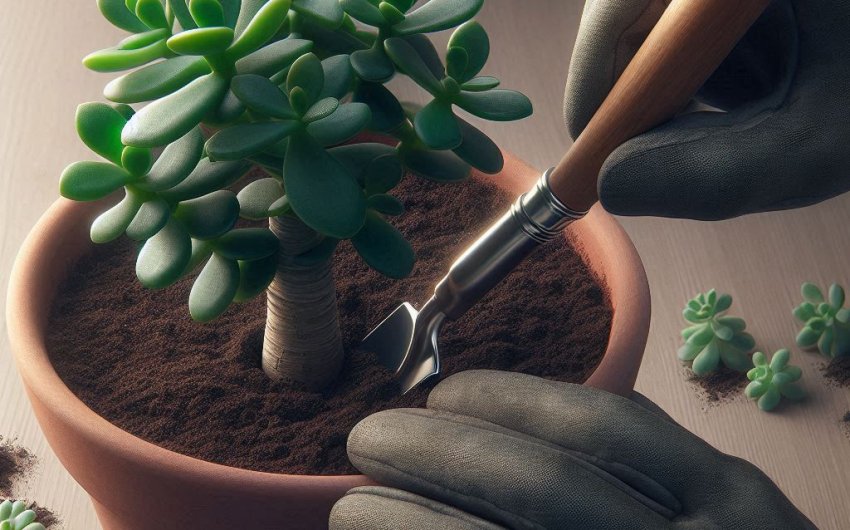
The Jade Plant (Crassula ovata) is a popular succulent prized for its thick, glossy leaves and ease of care. As a slow-growing plant, it doesn’t require frequent repotting, but when the time does come, repotting is essential for its long-term health. Whether your Jade Plant has outgrown its current pot or needs fresh soil to thrive, repotting can help ensure that it stays healthy, vibrant, and continues to add a touch of green to your space.
In this guide, we’ll walk through all the steps and best practices to repot a Jade Plant successfully. With the right approach and materials, you’ll be able to give your Jade Plant a fresh start.
Why Repot a Jade Plant?
Repotting a Jade Plant isn’t just about giving it more space. Over time, the soil in the pot depletes nutrients, and the plant’s roots can become crowded, limiting growth and impacting health. Repotting offers a few key benefits:
- Improves Root Health: Repotting gives the roots more room to grow, promoting a more robust and balanced root system.
- Refreshes Soil Nutrients: Fresh potting mix provides new nutrients that help support healthy growth.
- Prevents Root Rot: New soil improves drainage, reducing the risk of water-logged roots and root rot.
- Stabilizes a Top-Heavy Plant: As a Jade Plant grows taller, it can become top-heavy. A larger pot provides more stability.
If your plant is tipping over or its leaves are beginning to wilt, it’s a sign that it may be time to give it a new home.
To get started, check out some quality jade plants to complement your home decor or kickstart your indoor garden.
When to Repot a Jade Plant
Jade Plants don’t need frequent repotting due to their slow growth. Generally, repotting every 2-3 years is sufficient. However, here are a few signs that your Jade Plant may need repotting sooner:
- Roots are Growing Out of the Drainage Holes: This indicates that the roots are crowded and need more space.
- Water Drains Too Quickly or Slowly: Soil that retains too much water or dries out too quickly may be compacted or degraded.
- The Plant Becomes Top-Heavy: A top-heavy plant is likely too large for its current pot and needs a more stable base.
- Yellowing Leaves: If leaves are yellowing or wilting despite proper care, it may be due to poor soil health or lack of nutrients.
The best time to repot is during spring or early summer, when the plant is in its active growth phase. Avoid repotting in winter, as the plant will be dormant and less able to adapt to the new soil.
Tools and Materials Needed
To ensure a smooth and successful repotting, gather the following tools and materials:
- Potting Soil: Use a well-draining cactus or succulent potting mix.
- New Pot: Choose a pot that’s slightly larger than the current one, with good drainage holes.
- Pruning Shears: These are helpful for trimming any damaged roots or leaves.
- Gloves: Jade Plant leaves can be delicate, so gloves help protect both you and the plant.
- Trowel: Useful for scooping soil into the pot.
For an efficient repotting process, consider getting a sturdy trowel to make soil handling easy.
Step-by-Step Guide to Repotting a Jade Plant
1. Select the Right Pot
Choosing the correct pot is crucial for the success of your repotted Jade Plant. Here are a few things to keep in mind:
- Size: Select a pot that’s only 1-2 inches larger in diameter than the current pot. Too much extra space can lead to overwatering, as the soil will retain more water than the plant needs.
- Material: Terra cotta or clay pots are ideal because they are porous, allowing excess moisture to evaporate. Plastic pots work too, but they don’t dry out as quickly.
- Drainage: Ensure the pot has drainage holes at the bottom. This prevents water from sitting at the bottom of the pot, reducing the risk of root rot.
Browse a variety of terra cotta pots that offer both style and functionality for succulents like Jade Plants.
2. Prepare the Potting Mix
Jade Plants require a well-draining soil mix that prevents water retention. The ideal mix is a cactus or succulent soil, which contains sand or perlite for improved drainage.
- Cactus or Succulent Potting Mix: Purchase a mix specifically designed for succulents to provide the best foundation for your Jade Plant.
- DIY Mix: If you prefer to make your own, combine regular potting soil with equal parts sand and perlite. This helps create an airy, fast-draining environment for the roots.
Consider using cactus potting mix to provide your Jade Plant with the ideal balance of nutrients and drainage.
3. Remove the Jade Plant from Its Current Pot
Removing the plant from its current pot can be a delicate process. Here’s how to do it without damaging the roots:
- Loosen the Soil: Gently squeeze the sides of the pot (if it’s plastic) to loosen the soil around the roots.
- Grip the Base of the Plant: Hold the base of the plant carefully to avoid damaging the leaves or stem.
- Lift the Plant Out: Gently pull the plant out. If it’s stuck, use a trowel to loosen the soil around the edges until the plant comes free.
4. Examine and Trim the Roots
Once your Jade Plant is out of the pot, take a moment to inspect the roots for signs of health or damage:
- Trim Dead or Rotting Roots: Use a pair of pruning shears to cut away any dark, mushy, or dead roots. Healthy roots should be white or light tan.
- Leave Healthy Roots Intact: Avoid excessive trimming, as this can shock the plant. Trim only damaged or overly long roots to encourage balanced growth.
This step ensures that the Jade Plant has a healthy root system when repotted, which will support its growth in the new soil.
5. Prepare the New Pot
Now that the plant and soil are ready, it’s time to prepare the new pot:
- Add a Layer of Pebbles: Place a layer of pebbles or gravel at the bottom to enhance drainage, especially if the pot is prone to holding moisture.
- Fill with Potting Mix: Add a few inches of potting mix to the pot, enough to allow the plant to sit slightly below the rim. This positioning helps prevent soil and water from spilling over the edges.
6. Place the Jade Plant in the New Pot
Now it’s time to position the Jade Plant in its new pot:
- Center the Plant: Position the plant in the center of the pot, making sure the root ball is resting comfortably on the soil layer below.
- Add More Soil: Gently fill around the roots with potting mix, using your hands or a trowel. Avoid packing the soil too tightly, as Jade Plants need an airy, well-drained environment.
- Stabilize the Plant: As you add soil, make sure the plant remains stable. Press lightly on the soil to keep the plant in place without compacting it.
For a beautiful, healthy arrangement, you can add a decorative layer of pebbles on top to help retain moisture and enhance the plant's appearance.
7. Water the Jade Plant Carefully
After repotting, water the plant lightly. Avoid drenching it, as the fresh soil will hold moisture more effectively than compacted, older soil. Here’s a quick guide to watering your repotted Jade Plant:
- First Watering: Water sparingly after repotting, just enough to moisten the soil. Allow the soil to dry out between waterings, as Jade Plants store water in their leaves.
- Long-Term Watering Schedule: Water approximately every 2-3 weeks, adjusting based on the season and humidity level. In the winter, Jade Plants require even less water.
Consider using a watering can with a narrow spout to control the amount of water and avoid overwatering.
8. Find the Right Spot for Your Jade Plant
After repotting, place your Jade Plant in a spot where it will thrive:
- Light: Jade Plants prefer bright, indirect light. A location near a south or west-facing window is ideal, but avoid direct sunlight, which can scorch the leaves.
- Temperature: They thrive in temperatures between 65-75°F, making them perfect for indoor environments. Keep the plant away from drafts or heating vents.
- Humidity: Jade Plants do well in low to moderate humidity, making them an excellent choice for indoor spaces.
If you’re new to caring for Jade Plants, take a look at our detailed Jade Plant care guide for additional tips on maintaining your plant’s health.
Ongoing Care for a Recently Repotted Jade Plant
Once your Jade Plant is settled into its new pot, regular care will help it thrive. Here are a few additional tips for keeping it healthy and beautiful:
1. Fertilizing
After repotting, hold off on fertilizing for about 6-8 weeks. The fresh potting mix should provide enough nutrients during this time. Afterward, you can start a regular fertilizing routine:
- Use Succulent Fertilizer: Choose a balanced succulent fertilizer, preferably a liquid formula, which is easier to control.
- Apply During the Growing Season: Fertilize once a month during spring and summer, when the plant is actively growing. Avoid fertilizing in winter.
2. Pruning and Shaping
Pruning not only keeps the Jade Plant compact but also encourages new growth:
- Remove Dead Leaves: Use clean pruning shears to snip away any dead or yellowing leaves to maintain the plant’s appearance.
- Shape as Needed: For a bushier look, prune the tips of each branch to encourage branching. Pruning can also prevent the plant from becoming too top-heavy.
Pruning shears are handy tools to have, especially for maintaining succulent plants. You can find pruning shears that make the job easy and precise.
3. Pest Control
Jade Plants are generally resistant to pests, but they can occasionally be affected by mealybugs and spider mites. Regularly inspect your plant for signs of pests, such as small white fluff or webs. If pests are detected, take immediate action:
- Wipe with Alcohol: Dip a cotton swab in rubbing alcohol and gently wipe affected areas.
- Use Insecticidal Soap: For larger infestations, apply a gentle insecticidal soap that’s safe for indoor plants.
By following these repotting and care tips, you’ll help your Jade Plant establish a healthy, strong foundation that supports growth and keeps it looking vibrant in your indoor space. With the right attention, your Jade Plant will continue to thrive, bringing years of greenery and charm to your home.