
How Can I Tell If My Succulent Is Overwatered?
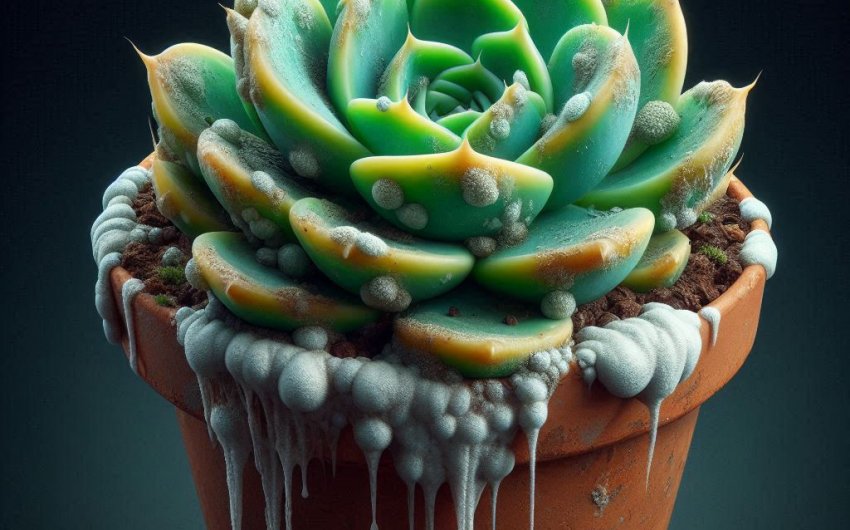
Watching your vibrant succulent transform into a sad, squishy version of its former self is a disheartening experience, and more often than not, the root cause is excessive kindness in the form of too much water. Understanding how can I tell if my succulent is overwatered? is the single most important skill for any succulent enthusiast, as these drought-adapted plants are notoriously sensitive to soggy conditions. Recognizing the subtle and not-so-subtle signs of overwatering early on can mean the difference between a quick recovery and losing your beloved plant. It's a common mistake, but fortunately, the symptoms are often clear, guiding you toward timely intervention.
Why is overwatering so detrimental to succulents?
Succulents are celebrated for their low-maintenance nature, but this reputation often leads to their demise by well-meaning but overzealous waterers. To truly understand how can I tell if my succulent is overwatered?, one must first grasp the fundamental biology of these plants and why excess moisture is their archenemy.
What are succulents and their natural adaptations for water storage?
The term "succulent" doesn't refer to a specific plant family but rather a characteristic: plants that have evolved to store water in specialized tissues. These adaptations allow them to survive in arid, drought-prone environments.
- Fleshy Leaves, Stems, or Roots: The most obvious adaptation is their ability to store water in thick, fleshy leaves (like Echeveria, Sedum, Aloe), stems (like cacti, euphorbias), or even in their roots (caudiciforms). This stored water allows them to endure long periods without rainfall.
- Waxy Cuticle: Many succulents have a thick, waxy coating (cuticle) on their surface, which acts as a protective barrier, preventing water from evaporating directly from the plant's surface.
- Farina: Some succulents, especially Echeverias, have a powdery, waxy coating called farina (also known as bloom). This white powdery layer reflects sunlight, helping to keep the plant cool and reduce water loss. It also deters pests.
- Reduced Stomata (and CAM Photosynthesis): Succulents have fewer stomata (tiny pores on leaves for gas exchange) compared to other plants, minimizing water loss. Many also use Crassulacean Acid Metabolism (CAM) photosynthesis, where they open their stomata only at night (when it's cooler and more humid) to absorb carbon dioxide, keeping them closed during the hot, dry day.
- Shallow, Widespread Root Systems: Many desert succulents have shallow, widespread root systems that can quickly absorb any surface water from light rains before it evaporates or sinks too deep.
These adaptations mean succulents are designed to go for extended periods without water and are highly efficient at using what little they get.
What happens to a succulent's roots and tissues when overwatered?
Given their water-storing capabilities, the biggest threat to a succulent's health is providing too much water, especially if the soil remains wet for prolonged periods.
- Root Rot (Asphyxiation): This is the most common and fatal consequence. Succulent roots, like most plant roots, need oxygen to function. When the soil is constantly saturated with water, all the air pockets are filled, depriving the roots of oxygen. This leads to root asphyxiation (suffocation). Once roots are oxygen-deprived, they start to die and decay.
- Bacterial and Fungal Infections: The anaerobic (oxygen-deprived) and constantly moist conditions created by overwatering are ideal for the proliferation of harmful bacteria and fungi. These pathogens attack the weakened, dying roots, causing them to turn mushy, black, or brown, and often emit a foul, sulfuric odor. This is what we commonly refer to as root rot.
- Compromised Water Uptake: Once the roots are rotting, they lose their ability to absorb water and nutrients from the soil, even though water is abundant. The plant essentially starves and dehydrates, even while sitting in wet soil.
- Cell Bursting (Edema): In some cases, if a succulent rapidly absorbs too much water (e.g., after a long dry spell followed by sudden heavy watering), its cells can swell beyond capacity and burst. This leads to visible blisters or scabs on the leaves, a condition called edema. While not always fatal, it's a sign of erratic watering.
- Stem Rot: If root rot is left unchecked, the decay can spread upwards from the roots into the stem of the succulent, turning it soft, mushy, and discolored. Once stem rot sets in, saving the entire plant becomes much more difficult, if not impossible.
Because succulents are so exquisitely adapted to drought, they have very little tolerance for consistently wet conditions. Overwatering is a far more common cause of succulent death than underwatering.
How can I tell if my succulent is overwatered by its leaves?
The leaves of your succulent are often the first place to show symptoms of distress, and they provide clear clues on how can I tell if my succulent is overwatered? Paying close attention to their color, texture, and firmness can help you diagnose the problem early.
What are the color changes in overwatered succulent leaves?
- Yellowing: One of the most common signs. Leaves, especially those lower on the plant or older leaves, will start to turn yellow. This is different from the natural yellowing of a very old leaf or the crisp yellowing of an underwatered leaf. Overwatered yellow leaves often remain soft.
- Translucent or Glassy Appearance: Leaves might become translucent, almost see-through, or take on a glassy, waterlogged look. This happens as the cells in the leaf become overly saturated with water, causing them to break down.
- Darkening to Brown or Black: As the rot progresses and the leaf tissue dies, the yellowing can deepen to brown or even black, often starting at the tips or edges and spreading inwards. This indicates severe cellular damage and decay.
- Loss of Variegation or Stress Colors: If your succulent normally displays beautiful stress colors (pinks, reds, purples) under good light, overwatering can cause these colors to fade and the plant to revert to a duller green. This is because the plant is struggling and not able to produce those pigments.
What about changes in leaf texture and firmness?
The feel of an overwatered succulent leaf is a very strong indicator.
- Soft and Mushy: This is the most definitive sign of overwatering. Healthy succulent leaves are firm and plump. Overwatered leaves will feel soft, squishy, or even slimy to the touch, like a water balloon that's about to burst. This is because the cells are bursting or decaying.
- Puffy or Swollen: The leaves may appear visibly swollen or bloated due to excessive water retention. They might look unnaturally plump.
- Drooping or Falling Off Easily: Overwatered leaves often droop downwards rather than standing upright. They may also detach from the stem with just a slight touch, or even fall off spontaneously. This happens because the connective tissue at the base of the leaf breaks down due to rot.
- Blisters or Scabs (Edema): Sometimes, if a succulent takes up water too quickly (especially after a period of drought), it can develop small, raised blisters or corky patches (scabs) on the leaves. This is called edema and while not necessarily fatal, it's a clear sign of inconsistent watering, usually too much too fast.
It's crucial to distinguish these signs from underwatering, where leaves become thin, wrinkled, crispy, and might dry up and fall off. If your succulent's leaves are soft and mushy, especially if the soil is still wet, you're almost certainly dealing with overwatering.
How can I tell if my succulent is overwatered by its stem and roots?
While leaf symptoms are often the first visible cues, examining the stem and roots provides definitive evidence of overwatering and is crucial for determining the severity of the damage. This deep inspection is key to understanding how can I tell if my succulent is overwatered?
What are the signs of rot on the stem?
Stem rot is a more advanced stage of overwatering, indicating that the decay has spread beyond the roots and into the main plant structure.
- Mushy or Discolored Stem: The most obvious sign is when the stem, particularly near the soil line, feels soft, squishy, or mushy to the touch. It might also appear discolored, turning black, brown, or dark gray. This indicates that the plant tissue is rotting.
- Black Spots or Streaks: You might see dark, sunken spots or streaks on the stem, which are areas where rot has begun.
- Foul Odor: A strong, unpleasant, decaying, or musty odor coming from the base of the plant or the soil is a clear indicator of bacterial or fungal activity associated with rot.
- Collapsing Plant: As the stem rots, it loses its structural integrity. The succulent may start to lean, flop over, or completely collapse at the soil line because the stem can no longer support the weight of the plant.
- Leaves Falling Off from the Bottom Up: While overwatered leaves generally fall off easily, if they are falling off starting from the lowest leaves and moving upwards, and the stem is mushy, it strongly points to stem rot progressing upwards.
How do I inspect the roots for overwatering damage?
Checking the roots requires gently unpotting your succulent. This is the most reliable way to confirm root rot.
- Gently Unpot: Carefully remove the succulent from its pot. If the soil is very wet, it might cling to the roots.
- Shake Off Soil: Gently shake off as much of the old, wet potting mix as possible from around the roots. You can even gently rinse the roots under lukewarm running water to get a clearer view.
- Examine Root Appearance and Feel:
- Healthy Roots: Will be firm, usually white or light tan, and might have a fresh, earthy smell. They should not be brittle or fall apart easily.
- Rotten Roots: Will appear dark (black or brown), mushy, slimy, and feel soft or brittle. They will often disintegrate or pull away easily when gently touched or tugged. They usually have a foul, decaying odor.
- Check for Root Mass: An overwatered plant might have very few healthy roots left, as many have rotted away.
If you find significant signs of root rot (dark, mushy roots with a foul smell), immediate action is required to save your succulent. This deep inspection is critical for a precise diagnosis.
What about the soil and presence of pests?
The condition of the potting mix and the presence of certain pests can also signal overwatering.
- Constantly Wet Soil: If the soil remains wet for days or even weeks after watering, it's a major sign of overwatering combined with poor drainage. The soil may look dark, dense, and potentially have a green algal growth on the surface.
- Foul Soil Odor: As mentioned, a sour, musty, or rotten smell from the soil indicates anaerobic conditions and microbial decay.
- Fungus Gnats: These tiny, annoying black flies often hover around the soil surface. Their larvae (small, clear-bodied worms) thrive in consistently moist soil, feeding on fungi and decaying organic matter. A sudden increase in fungus gnats is a strong indicator of overwatering. While not directly harmful to the succulent itself, they signal that the soil environment is too wet.
By combining the observations from the leaves, stem, roots, and soil, you can accurately determine how can I tell if my succulent is overwatered? and decide on the appropriate course of action.
What immediate steps should I take to save an overwatered succulent?
Once you've definitively answered how can I tell if my succulent is overwatered? and identified the signs of distress, prompt action is crucial. Time is of the essence to halt the spread of rot and give your plant the best chance of recovery.
Step 1: Immediately stop watering and unpot the plant.
This is the most critical first step, and it should be done as soon as you notice symptoms.
- Cease Watering: Do not give the plant another drop of water.
- Gentle Removal: Carefully remove the succulent from its pot. If the soil is very wet and heavy, you might need to lay the pot on its side and gently wiggle the plant out. Be as gentle as possible to avoid further damage to already compromised roots.
Step 2: Assess and prune rotten roots and stem.
This step is uncomfortable but absolutely necessary to remove diseased tissue.
- Remove Old Soil: Gently shake off as much of the old, wet potting mix as possible from the roots. If the soil is clinging stubbornly, you can use a soft brush or even gently rinse the roots under lukewarm water (briefly!) to clean them.
- Identify Rotten Parts: Look closely at the roots.
- Healthy roots: will be firm, often white or light tan, and flexible.
- Rotten roots: will be black, brown, mushy, slimy, or completely disintegrated. They often have a foul odor.
- Prune with Sterilized Tools: Using a clean, sharp pair of pruning shears or a sharp knife (sterilize with rubbing alcohol or a 10% bleach solution before and after use), cut away all the rotten, mushy roots. Cut back to healthy, firm root tissue. It's better to remove more than too little.
- Check the Stem: Crucially, inspect the stem, especially the part that was buried in the soil. If it feels soft or mushy, or has black/brown discoloration, you must cut it back. Keep cutting slices from the bottom of the stem until you see only clean, healthy, firm tissue with no dark spots or rings. If the rot has gone too far up the stem, you may not be able to save the original plant and might need to move to propagation (see Step 6).
Step 3: Allow the plant to air dry and callus.
This step is vital for allowing any remaining moisture to evaporate and for cut surfaces to heal.
- Place in Well-Ventilated Area: Lay the unpotted succulent on a clean, dry, absorbent surface like paper towels, newspaper, or a clean cloth. Place it in a dry, shaded, well-ventilated area. Avoid direct sunlight, which can dehydrate the plant too quickly.
- Drying Time: Allow the plant to air dry for several days, or even up to a week, depending on the humidity of your environment and the severity of the wetness. You want all the roots and any cut stem surfaces to feel completely dry and have formed a callus (a dry, hardened layer, like a scab). This callusing prevents new rot from forming when you repot.
Step 4: Repot into fresh, dry, well-draining succulent mix.
This provides a healthy environment for recovery.
- Choose the Right Pot:
- Drainage Holes are Essential: Always use a pot with adequate drainage holes. This is non-negotiable.
- Size: Choose a pot that is only slightly larger than the remaining healthy root ball. If you had to cut off a lot of roots, you might need to downsize the pot. Too large a pot will hold too much moisture.
- Cleanliness: If you're reusing the old pot, wash it thoroughly with soap and water and sterilize it (as described in Step 2) to kill any lingering pathogens.
- Use Proper Potting Mix: Succulents need a very fast-draining, gritty mix. A standard potting mix is too dense. Use a specialized cactus and succulent potting mix or create your own by mixing regular potting soil with equal parts perlite or pumice and coarse sand.
- Repotting: Fill the clean pot with fresh, dry succulent mix. Gently place the succulent on top, spreading out any remaining roots. Backfill with more mix, lightly firming it around the plant.
Step 5: Post-repotting care and recovery.
The period immediately after repotting is crucial for the plant to recover and re-establish.
- Do NOT Water Immediately: This is very important. Do not water your freshly repotted succulent for at least 7-10 days, or even longer (up to 2 weeks for very damaged plants). This forces the plant to start growing new roots in search of moisture and allows any remaining root wounds to completely heal.
- Light and Location: Place the recovering succulent in a spot with bright, indirect light. Avoid intense, direct sunlight, which can shock a stressed plant, but also avoid very low light, which will hinder recovery.
- Patience: Recovery takes time. It might take weeks or even months for your succulent to show signs of new, healthy growth. Don't fertilize during this recovery period, as it can stress already compromised roots.
- Pruning Remaining Damaged Leaves: As the plant recovers, any remaining soft, yellow, or mushy leaves will not improve. Gently remove these leaves as they continue to decline. The plant is wasting energy trying to sustain them.
Step 6: Propagate healthy cuttings (if main plant is unsalvageable).
If you had to cut away most of the plant due to severe rot, or if the stem rot was too extensive, don't give up entirely! You can often save healthy parts through propagation.
- Take Cuttings: Look for any healthy, firm leaves or sections of the stem that show no signs of rot.
- Callus Cuttings: Allow these cuttings to callus for 3-7 days (or even longer for very thick stems/leaves) in a dry, well-ventilated spot.
- Propagate: Once callused, place leaf cuttings on top of dry succulent soil. For stem cuttings, insert the callused end into dry succulent soil. Do not water until roots have formed (check by gently wiggling – if there's resistance, roots are forming) or new growth appears, which can take weeks to months.
By diligently following these steps, you maximize your chances of success in answering how can I tell if my succulent is overwatered? and bringing your plant back to vibrant health.
How can I prevent overwatering my succulent in the future?
Successfully saving an overwatered succulent is a major achievement, but the ultimate goal is to avoid the problem altogether. Preventing overwatering involves understanding the core needs of succulents and adjusting your care routine to match their drought-tolerant nature. This ensures you won't have to repeatedly ask yourself, "How can I tell if my succulent is overwatered?"
What are the essential watering practices for succulents?
This is the most critical area for prevention. Forget fixed schedules; focus on the plant and its environment.
- Water Only When Thirsty (The "Squeeze Test" or "Wrinkle Test"): This is the golden rule. Instead of watering on a specific day of the week, wait until your succulent shows signs of thirst.
- Leaves feel less firm: Gently squeeze a lower leaf. If it gives slightly and feels less plump than usual, it might be ready for water.
- Wrinkling: Many succulents will show subtle wrinkling on their leaves when they need water.
- Dry Soil All the Way Through: Use the wooden skewer test: stick a wooden skewer or chopstick all the way to the bottom of the pot. If it comes out completely dry, it's time to water.
- Light Pot Weight: Learn to judge the weight of your potted succulent. A dry pot will feel significantly lighter than a wet one.
- Thorough Soaking (When You Do Water): When it's time to water, give the plant a deep, thorough soaking until water drains freely from the bottom of the pot. This encourages the roots to grow downwards and strengthens the plant.
- Complete Drainage is Essential: Never let your succulent sit in standing water. Always empty the saucer beneath the pot within 15-30 minutes after watering.
- Adjust Seasonally: Succulents have active growing seasons and dormant periods.
- Growing Season (Spring/Summer): Water more frequently during active growth.
- Dormant Season (Fall/Winter): Significantly reduce watering. Many succulents need very little water during their winter dormancy, sometimes only once a month or even less. Adjust based on your indoor temperatures and light.
- Never Water a Dormant Plant Heavily: Watering a dormant plant (especially in cool conditions) is a common cause of rot. They are not actively growing or using water.
How do I ensure proper soil and pot conditions?
The right environment for the roots is your next line of defense.
- Gritty, Fast-Draining Potting Mix: This is non-negotiable. Use a specialized cactus and succulent potting mix. If you make your own, aim for a mix that is at least 50% inorganic material like perlite, pumice, or coarse sand. Avoid standard potting soil alone.
- Pots with Drainage Holes: Always, always use a pot with proper drainage holes. Without them, water will sit at the bottom, guaranteeing root rot. Unglazed terracotta pots are often recommended because their porous nature allows excess moisture to evaporate through the sides, helping the soil dry out faster.
- Appropriate Pot Size: Don't put a small succulent in a huge pot. Too much soil holds too much moisture for the small root system to absorb. Choose a pot that is only slightly larger than the succulent's root ball.
What environmental factors should I control?
Your home's environment directly impacts evaporation rates.
- Ample Light: Provide your succulent with bright light, ideally direct sunlight for at least 4-6 hours a day (for most common succulents). Plants in brighter light photosynthesize more, use water faster, and are less prone to rot because the soil dries out more quickly. If your succulent is etiolated (stretched and leggy), it's not getting enough light and will be more susceptible to overwatering.
- Good Air Circulation: Ensure good airflow around your succulents. Stagnant air can prolong soil drying times and increase the risk of fungal issues. If your plants are in a very humid or poorly ventilated area, consider a small fan on a low setting for a few hours after watering.
- Temperature: Warmer temperatures lead to faster evaporation from the soil and increased water usage by the plant. Cooler temperatures mean soil will stay wet longer, so reduce watering frequency.
By internalizing these preventative measures, you'll gain confidence in your succulent care, recognizing the signs of thirst before overwatering becomes an issue. This proactive approach will transform your gardening experience, ensuring you'll never again need to ponder, "How can I tell if my succulent is overwatered?" Instead, you'll simply enjoy their enduring beauty.