
When is the Best Time to Prune Elderberry Plants?
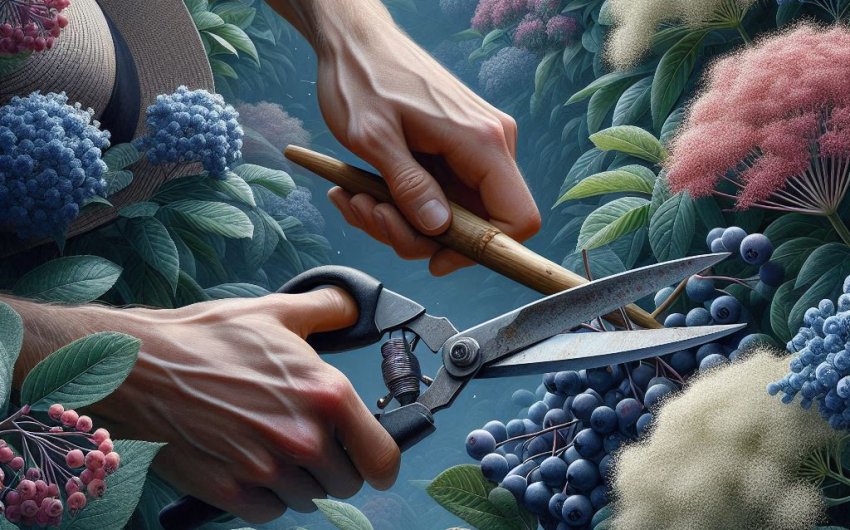
The elderberry plant (genus Sambucus) is a fascinating and incredibly versatile addition to any garden. Prized for its frothy clusters of fragrant white flowers in late spring, which mature into abundant bunches of dark, antioxidant-rich berries in late summer, it offers both ornamental beauty and a delicious harvest. Whether you're growing elderberries for their edible and medicinal qualities, to attract pollinators and birds, or simply for their natural charm, understanding their growth habits is key to maximizing their potential.
Like many shrubs, elderberry plants benefit significantly from thoughtful pruning. Pruning isn't just about making a plant look neat; it's a vital practice that influences the plant's health, vigor, and productivity. For elderberries, proper pruning encourages stronger stems, better air circulation, and, most importantly, more flowers and berries. However, knowing when to prune elderberry plants is crucial, as timing directly impacts the plant's growth cycle and subsequent yield. Prune at the wrong time, and you might accidentally cut off the very branches that would have produced your valuable harvest.
This comprehensive guide will delve into the art and science of pruning elderberry plants. We'll explore the specific reasons behind different pruning cuts, the ideal tools to use, and a detailed seasonal breakdown of when is the best time to prune elderberry plants for various goals – whether you're aiming for maximum berry production, maintaining a compact shape, or rejuvenating an older shrub. Master these techniques, and you'll ensure your elderberry thrives, rewarding you with years of beautiful blooms and bountiful harvests.
Why is Pruning Elderberry Plants So Important?
Pruning might seem like a scary task for new gardeners, but for elderberry plants, it's one of the most important things you can do to keep them healthy, productive, and looking their best. It's not just about trimming; it's about guiding their growth.
1. Encourages More Flowers and Berries
- Fruit Production: Elderberry plants produce flowers (and then berries) mostly on new wood or second-year wood. This means the best fruit comes from branches that grew last year. If you don't prune, the plant will produce less fruit on older, less vigorous wood.
- Stimulates New Growth: Pruning correctly encourages the plant to send out fresh, strong new shoots. These new shoots are what will produce the best flowers and berries in the following seasons.
2. Improves Air Circulation and Reduces Disease
- Open Structure: Elderberry bushes can get very dense and crowded if left unpruned. A dense plant means poor air circulation within the canopy.
- Disease Prevention: Good air circulation helps the leaves dry out faster after rain or dew, which greatly reduces the risk of common fungal diseases like powdery mildew or leaf spot. It also makes it harder for pests to hide and thrive.
3. Maintains Shape and Size
- Prevents Overgrowth: Elderberry plants can grow quite large and unruly if not managed. Pruning helps keep them within a manageable size for your garden space.
- Attractive Form: You can shape the plant to be bushier, more open, or to fit a specific aesthetic.
4. Removes Dead, Damaged, or Diseased Wood
- Plant Health: Any branches that are dead, broken, or show signs of disease should be removed right away, no matter the season.
- Prevents Spread: Removing diseased wood helps stop the disease from spreading to healthy parts of the plant or to other plants in your garden.
- Energy Conservation: The plant wastes energy trying to support dead or damaged branches. Removing them allows the plant to put all its energy into healthy, productive growth.
5. Rejuvenates Older Plants
- Renewing Vigor: As elderberry stems get older (more than 3-4 years old), they become less productive and less vigorous. Pruning out some of these older stems encourages the plant to put out strong new growth from the base. This is called renewal pruning.
So, pruning elderberry plants is not just a chore; it's a vital tool that directly leads to healthier plants, more abundant harvests, and a tidier, more attractive garden.
What Tools Do I Need for Pruning Elderberry?
Having the right pruning tools makes the job easier, safer, and ensures clean cuts that help your elderberry plant heal properly. Make sure your tools are always sharp and clean!
1. Hand Pruners (Bypass Shears)
- What they are: Small, scissor-like tools, perfect for cutting smaller stems.
- Why you need them: These are your most-used pruning tool. Use them for:
- Snipping off dead or weak twigs.
- Making precise cuts on young stems (up to about 3/4 inch thick).
- Deadheading spent flowers (though this is optional for elderberry).
- What to look for:
- Bypass Design: Essential! This means the blades "bypass" each other like scissors, making a clean cut that doesn't crush the stem. Avoid "anvil" pruners for live wood.
- Sharp, Durable Blades: High-carbon steel or stainless steel blades stay sharp longer.
- Comfortable Grip and Spring Mechanism: To reduce hand fatigue.
- Safety Lock: To keep them closed when not in use.
- Example: A high-quality pair of bypass pruning shears is a must-have for any gardener.
2. Loppers
- What they are: Long-handled pruners with powerful jaws, designed for cutting thicker branches.
- Why you need them: When branches get too thick for hand pruners (from 3/4 inch up to 1.5-2 inches thick), loppers provide the extra leverage you need. Use them for:
- Removing older, thicker stems from the base of the elderberry.
- Cutting back larger branches for shape or rejuvenation.
- What to look for:
- Long Handles: For leverage and reach. Lengths vary, typically 15-30 inches.
- Bypass Blades: Again, bypass is best for clean cuts on live wood.
- Strong, Sharp Blades.
- Lightweight but Durable: Aluminum handles can reduce weight.
- Example: Bypass loppers for branches will save your arms.
3. Pruning Saw (Optional, for Very Thick Stems)
- What it is: A saw specifically designed for cutting tree and shrub branches.
- Why you might need it: For very old or neglected elderberry plants with stems thicker than 1.5-2 inches (that loppers can't handle), a pruning saw is necessary.
- What to look for:
- Curved Blade: Often makes it easier to cut in tight spaces.
- Sharp, Aggressive Teeth: Designed for cutting live wood.
- Folding or Fixed Blade: Folding saws are safer for storage.
- Example: A folding pruning saw for branches is handy to have.
4. Gardening Gloves
- Why you need them: Elderberry stems can be a bit rough, and any pruning exposes you to sap and potential thorns or splinters. Gloves protect your hands.
- What to look for:
- Comfort and Fit.
- Durable Material: Leather or heavy-duty synthetic gloves offer good protection.
- Good Grip.
- Example: Sturdy gardening gloves with thorn protection.
5. Sterilizing Agent
- Why you need it: Before and after pruning each plant (and between cuts if you suspect disease), sterilize your tools. This prevents the spread of diseases from one plant to another.
- How to use it: Wipe blades with rubbing alcohol or a 10% bleach solution.
- Example: Keep a bottle of rubbing alcohol handy.
By having these pruning tools ready and keeping them sharp and clean, you'll be well-prepared to effectively and safely prune your elderberry plants.
When is the Best Time to Prune Elderberry Plants for Maximum Berries?
For most gardeners, the main goal of growing elderberry plants is to get a lot of delicious berries. To achieve this, timing your pruning is absolutely crucial.
The Golden Rule: Late Winter to Early Spring
The best time to do your main pruning for elderberry berry production is during the dormant season, which means late winter to early spring, before new growth begins.
- Why this time is best:
- Flowers on New/Second-Year Wood: Elderberries form their flower and berry clusters primarily on the current season's growth (new wood) that grew last year, or on two-year-old wood. If you prune too late (e.g., in spring once leaves appear), you risk cutting off the very stems that would produce flowers and berries this year.
- Easy to See Structure: Without leaves, it's much easier to see the overall structure of the plant, identify dead or weak branches, and plan your cuts.
- Healing: The plant is dormant, so it's under less stress. Cuts will heal well as spring growth begins.
Specific Pruning Steps for Berry Production (Annual Maintenance)
Focus on a renewal pruning system, where you consistently remove some older stems each year to encourage new, productive growth.
- Remove Dead, Damaged, or Diseased Branches: This is your first priority. Cut these back to the ground or to a healthy side branch. Do this immediately whenever you see them, regardless of the season (though easier to spot in winter).
- Remove Weak or spindly growth: Cut out any thin, weak, or crossing branches that won't be good producers.
- Remove Oldest Stems: Identify the oldest, thickest, and least productive stems. These are usually 3-4 years old (or older) and might have less branching. Cut these back completely to the ground.
- Target: Aim to remove about 20-25% of the total stems each year, focusing on the oldest ones. This way, you encourage new growth without removing too much fruit-bearing wood.
- Goal: You want a mix of 1-year-old, 2-year-old, and maybe some 3-year-old stems, with very few older than that. Ideally, a mature bush will have about 6-8 strong, healthy stems of varying ages.
- Open Up the Center: If the center of the bush is too dense, remove a few interior branches that are growing inward or crossing others. This improves air circulation and allows more sunlight into the bush.
- Maintain Desired Height/Shape: If your elderberry is getting too tall, you can cut back some of the taller stems. Remember that these cuts might reduce the current year's berry production slightly on those specific stems, but it's important for managing the plant's size.
By following this pruning schedule in late winter to early spring, you ensure your elderberry plants continually produce new, strong, fruit-bearing wood, leading to the largest and most consistent berry harvests.
Are There Other Times to Prune Elderberry Plants? (And Why)
While late winter to early spring is the main pruning time for elderberry plants to maximize berries, there are a few other times when you might make specific cuts for different reasons.
1. Mid-Summer Pruning (After Berry Harvest)
- Why: Some gardeners do a light pruning right after the berries have been harvested (usually late summer/early fall).
- What to do:
- Remove Spent Canes: Cut back the branches that just finished producing berries. These branches won't produce again, and removing them allows the plant to put energy into developing new shoots for next year.
- Shape Lightly: You can do some very light shaping or remove any obviously weak or straggly new growth.
- Benefit: Cleans up the plant, encourages the plant to focus energy on next year's growth, and keeps the plant tidy.
- Caution: Don't do heavy pruning at this time, as it can stimulate too much new, tender growth that won't harden off before winter and could be damaged by frost.
2. Pruning for Size Control (As Needed)
- Why: If your elderberry plant is growing too large for its space, you might need to prune it for size, regardless of berry production goals.
- What to do: Remove larger, taller stems back to a strong side branch or to the ground. This will reduce the overall size of the plant.
- When:
- Late Winter/Early Spring: Still the best time for significant size reduction, as it aligns with overall plant health.
- Mid-Summer (Lightly): If a branch is simply in the way or growing awkwardly, you can trim it back lightly during summer. Keep in mind this might remove some potential berries for that year.
- Benefit: Keeps the plant contained and manageable.
3. Removing Dead, Damaged, or Diseased Wood (Any Time of Year)
- Why: This type of pruning is called sanitation pruning, and it's essential for the health of your elderberry plant.
- What to do: Whenever you see a branch that is dead (looks dry, brittle, no signs of life), damaged (broken, split), or diseased (shows signs of cankers, unusual spots, or wilting), cut it out immediately. Cut back to healthy wood or to the ground.
- Tools: Use sharp, sterilized pruners or loppers. Clean your tools with rubbing alcohol between each cut, especially if dealing with diseased wood, to prevent spreading the problem.
- Benefit: Prevents disease from spreading, allows the plant to focus energy on healthy growth, and reduces hazards.
4. Pruning for Rejuvenation (For Neglected Plants)
- Why: If you have a very old, overgrown, or unproductive elderberry plant that hasn't been pruned in years, a more drastic rejuvenation pruning might be needed.
- What to do: This involves cutting back most or all of the stems.
- Hard Cut Back: Cut all stems back to about 6-12 inches from the ground, or even to the ground entirely.
- Staggered Rejuvenation: Alternatively, you can do this gradually over 2-3 years, cutting back about one-third of the oldest stems each year until you have a completely renewed shrub.
- When: Late winter or early spring is the best time for rejuvenation pruning, as the plant is dormant and will respond with vigorous new growth.
- Benefit: Revitalizes old, unproductive plants, encouraging strong new stems and better berry production in subsequent years. Note that you will likely sacrifice the current year's berry harvest if you do a full hard cut back.
Understanding these different pruning times and their specific goals allows you to manage your elderberry plants effectively throughout the year, ensuring their health, vigor, and productivity.
How to Make the Right Pruning Cuts on Elderberry Plants
Making the correct cuts is just as important as knowing when to prune elderberry plants. Clean, well-placed cuts help the plant heal quickly and grow properly.
1. Always Use Sharp and Clean Tools
- Sharpness: Dull tools can crush or tear stems, creating jagged wounds that are harder for the plant to heal. This leaves the plant open to diseases and pests. A pruning shear sharpener helps maintain sharpness.
- Cleanliness: Always clean your pruning tools with rubbing alcohol or a 10% bleach solution before you start pruning and especially if you are moving between different plants, or even between diseased and healthy parts of the same plant. This prevents the spread of plant diseases.
2. Understand "To the Ground" Cuts
- Purpose: Many of the pruning steps for elderberry (removing old stems, renewal pruning) involve cutting stems all the way back to the ground.
- How to do it: Cut the stem as close to the soil line as possible, ideally without leaving a stub sticking up. This encourages new shoots to emerge from the base of the plant.
3. Understanding "To a Bud" or "To a Side Branch" Cuts
- Purpose: When you want to shorten a branch or direct its growth, you cut back to a bud or a side branch.
- To a Bud:
- How to do it: Locate an outward-facing bud (a small bump on the stem). Make your cut about 1/4 inch above this bud, at a slight angle slanting away from the bud.
- Why: The bud facing outwards will become the new growth, directing the plant's energy outwards and keeping the center open.
- To a Side Branch:
- How to do it: Cut the main branch back to a healthy side branch that is growing in the direction you want. Make the cut just outside the "branch collar" (the slightly swollen area where the side branch connects to the main branch).
- Why: This directs the plant's energy into the side branch, maintaining the overall shape and structure.
4. Avoid Leaving Stubs
- Why: Stubs (short bits of branch left after a cut that don't have a bud or side branch) are a common mistake. They don't heal well, can die back, and become entry points for pests and diseases.
- How to Avoid: Always cut back to a bud, a healthy side branch, or flush to the ground.
5. Prioritize Your Cuts
- The 4 D's: When pruning, always prioritize removing branches that are:
- Dead
- Damaged
- Diseased
- Deformed (crossing, rubbing, growing inward)
- Do these cuts first, then move on to shaping and renewal.
6. Don't Remove Too Much At Once (Unless Rejuvenating)
- General Rule: As a general guideline, try not to remove more than one-third of the total plant's mass in a single pruning session (unless you are doing a severe rejuvenation prune on a very old, neglected plant).
- Why: Removing too much at once can stress the plant and reduce its vigor for the current season.
By understanding these techniques and always using the right tools, you'll be able to make precise, clean cuts that promote the health, vigor, and abundant fruit production of your elderberry plants.