
When is the Best Time to Prune Mulberry Plants?
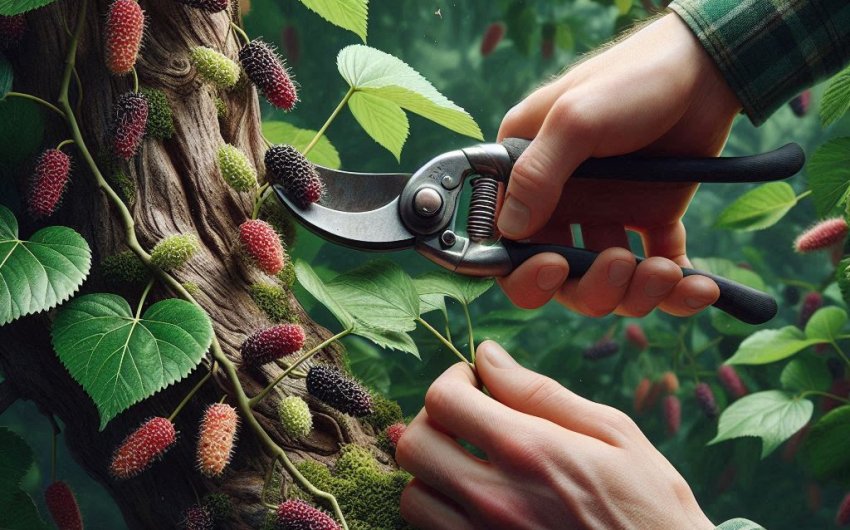
Knowing when is the best time to prune mulberry plants is crucial for maintaining their health, managing their size, and optimizing fruit production. Unlike some fruit trees, mulberries have specific needs that, if ignored, can lead to excessive bleeding, stunted growth, or reduced yields. Understanding the tree's growth habits and sap flow patterns dictates the ideal windows for various pruning tasks, ensuring a vigorous and productive plant.
Why Do Mulberry Plants Need Pruning?
Pruning is an essential horticultural practice for mulberry plants, serving multiple purposes beyond just shaping. It directly impacts the tree's health, vigor, and most importantly, its ability to produce abundant and accessible fruit. Understanding these reasons highlights when is the best time to prune mulberry plants for optimal results.
How Does Pruning Affect Fruit Production?
Pruning directly influences the quantity and quality of fruit your mulberry plant yields.
- Encourages New Growth: Mulberries typically produce fruit on new wood (growth from the current season). Pruning encourages the development of new branches and spurs, which in turn leads to more fruiting sites.
- Improves Fruit Size and Quality: By removing overcrowded or weak branches, the tree can direct its energy to fewer, stronger branches. This results in larger, better-quality berries with improved flavor.
- Maximizes Sunlight Exposure: Pruning opens up the canopy, allowing more sunlight to penetrate to inner branches. Adequate sunlight is crucial for fruit development, ripening, and sugar production, leading to sweeter mulberries.
Does it Improve Plant Health?
Absolutely, regular and appropriate pruning is vital for the overall health of mulberry plants.
- Removes Dead, Damaged, or Diseased Wood: Pruning eliminates any wood that is dead, broken, or showing signs of disease. This prevents the spread of pathogens, removes potential entry points for pests, and directs the tree's energy to healthy tissues. Always use clean, sharp pruning shears to prevent introducing disease.
- Improves Air Circulation: A dense canopy can trap humidity, creating conditions favorable for fungal diseases. Pruning helps to open up the tree, allowing air to circulate more freely through the branches, which reduces disease risk.
- Reduces Stress: By removing unproductive or crossing branches, you reduce the overall stress on the tree, allowing it to put its energy into healthy growth and fruit production.
Can Pruning Manage Size and Shape?
Mulberry plants are known for their vigorous and often sprawling growth, making size and shape management a primary reason for pruning.
- Controlling Height and Spread: Regular pruning helps keep the tree to a manageable size, which is especially important for harvesting fruit without the need for tall ladders. It also prevents the tree from becoming too wide or encroaching on structures.
- Developing a Strong Structure: Pruning guides the tree to develop a strong central leader (if desired for a tree form) or an open, balanced framework that can support the weight of fruit and withstand wind. This minimizes the risk of structural damage.
- Aesthetics: A well-pruned mulberry has a more attractive and tidy appearance, contributing positively to your garden landscape.
What is the Messiness Factor?
Mulberries are notoriously messy trees, and pruning can help mitigate this.
- Reduced Fruit Drop: By managing the canopy and fruit load, you can potentially reduce the amount of fruit that drops and stains pathways or structures.
- Easier Cleanup: A more open and manageable tree canopy makes collecting fallen fruit easier, and reduces the amount of leaves that drop in the fall.
Considering these critical reasons, understanding when is the best time to prune mulberry plants becomes essential for any gardener.
When is the Best Time for Major Pruning (Dormant Season)?
For mulberry plants, the dormant season is unequivocally the best time to prune for most significant structural work. This period offers crucial advantages that minimize stress to the tree and maximize its ability to heal and respond positively to cuts.
Why is Late Winter/Early Spring Ideal?
Late winter to early spring, typically from late January to early March (depending on your climate zone), is the optimal window for major pruning of mulberry plants.
- Tree Dormancy: During this period, the tree is completely dormant, meaning its metabolic processes have slowed down, and sap flow is minimal. This significantly reduces the risk of excessive "bleeding" or sap weeping from cuts, which mulberries are notoriously prone to if pruned too late in spring.
- Visible Structure: With no leaves on the branches, the tree's entire structure is clearly visible. This allows you to easily identify dead, diseased, crossing, or poorly placed branches, making it easier to make informed pruning decisions.
- Promotes Vigorous Spring Growth: Pruning during dormancy stimulates the tree to produce strong, new growth in the spring. Since mulberries fruit on new wood, this dormant pruning sets the stage for a good harvest.
What Are the Specific Benefits of Dormant Pruning?
- Minimized Stress: Pruning when the tree is dormant causes the least amount of stress to the plant, as it's not actively trying to grow or support foliage.
- Reduced Disease Risk: While still important to use clean tools, the absence of active sap flow during dormancy can reduce the risk of disease entry compared to pruning when sap is flowing (e.g., in late spring).
- Controlled Growth: Dormant pruning allows you to make significant cuts to shape the tree, control its size, and establish a strong framework for the upcoming growing season. This includes removing large branches or making significant heading cuts to reduce height.
What Tools Do I Need?
Having the right tools is essential for making clean, precise cuts during dormant pruning.
- Hand Pruners: For branches up to 3/4 inch thick. Look for bypass pruning shears for clean cuts.
- Loppers: For branches up to 1.5-2 inches thick. Bypass loppers provide extra leverage.
- Pruning Saw: For branches larger than 1.5-2 inches. A folding pruning saw is convenient.
- Safety Gear: Always wear gardening gloves and safety glasses.
- Disinfectant: Always disinfect your tools with rubbing alcohol or a bleach solution between cuts, especially if removing diseased wood, to prevent spreading pathogens.
What Pruning Cuts Should I Make?
During dormant pruning, focus on the following types of cuts for your mulberry plants:
- Remove Dead, Damaged, or Diseased Wood: Cut back to healthy wood, ensuring the cut is made just beyond a healthy bud or branch collar.
- Remove Crossing or Rubbing Branches: Eliminate branches that rub against each other, as this creates wounds and weakens the structure.
- Thin Out Overcrowded Areas: Remove some interior branches to improve air circulation and light penetration into the canopy.
- Remove Suckers and Water Sprouts: Cut these vigorous, unproductive growths back to their point of origin.
- Shape the Tree: Determine the desired shape (e.g., central leader, open vase) and make cuts to maintain that structure. You may reduce height by cutting back to a strong side branch.
By timing your major pruning to the dormant season, you are performing when is the best time to prune mulberry plants, ensuring their long-term health and productivity.
When is Summer Pruning Appropriate for Mulberries?
While dormant season pruning handles the heavy lifting, summer pruning also has a valuable, albeit different, role in managing mulberry plants. It's a lighter touch, focused on maintenance and fine-tuning, with specific benefits for plant health and fruit ripening.
Why Do Light Summer Pruning?
Light summer pruning on mulberry plants is done after the current season's fruit harvest, typically from late spring to mid-summer.
- Controls Excessive Growth: Mulberries are fast-growing, and summer pruning helps to slow down overly vigorous vegetative growth, particularly water sprouts and suckers that can emerge after spring growth.
- Improves Light Penetration: Removing select branches in summer allows more sunlight to reach developing fruit and inner branches, which can improve ripening and potentially set up next year's fruit buds.
- Directs Energy: By removing unproductive growth, the tree can redirect energy towards fruit development (for varieties that fruit later) or root development and storage for the next season.
- Maintains Shape: It's used for light shaping and maintaining the tree's form without stimulating excessive new growth.
What Are the Risks of Heavy Summer Pruning?
Performing heavy summer pruning on mulberry plants carries significant risks:
- Sap Bleeding: Mulberries are "bleeders," and sap flows strongly during the active growing season. Heavy cuts in summer will result in copious amounts of sticky sap weeping from the wounds, which can be messy and stressful for the tree.
- Reduced Fruit Production: Heavy summer pruning removes wood that might have already set buds for the following year's crop, or it removes current season's growth that is producing fruit.
- Weakens the Tree: Removing too much foliage in summer can stress the tree, especially in hot, dry conditions, as it reduces the plant's ability to photosynthesize and generate energy. This can make the tree more susceptible to disease and pests.
- Stimulates Unwanted Growth: Heavy summer pruning can actually stimulate a flush of vigorous, weak, upright "water sprouts" as the tree tries to compensate for the lost foliage, creating more pruning work later.
What Pruning Cuts Should I Make in Summer?
Summer pruning should be limited to specific, light cuts for your mulberry plants:
- Remove Water Sprouts: These are fast-growing, upright shoots that often emerge from main branches or the trunk. Cut them back to their origin.
- Remove Suckers: Shoots that grow from the rootstock below the graft union (if grafted). Remove these completely to ground level.
- Remove Damaged or Diseased Branches: If you spot any broken or clearly diseased branches, it's best to remove them immediately to prevent further issues, regardless of the time of year.
- Light Thinning: You can remove a very limited number of small, interior branches that are excessively shading fruit or creating dense pockets, to improve air circulation and light. Use hand pruning shears for precision.
- Harvest Pruning: For certain varieties or if you are training the tree, you might make specific cuts as you harvest fruit to encourage future production, but this is typically very light.
Understanding the distinct purposes and risks associated with summer pruning is crucial for knowing when is the best time to prune mulberry plants for specific maintenance tasks, without causing undue stress.
What is Pruning for Size Control?
For mulberry plants, which can grow into very large trees, pruning for size control is often a necessary and ongoing process. This type of pruning aims to keep the tree at a manageable height and spread, ensuring easy fruit harvesting and preventing it from overwhelming its space.
Why is Size Control Important for Mulberries?
Size control is particularly important for mulberry plants due to several factors:
- Vigorous Growth: Mulberries are notoriously fast and vigorous growers, quickly reaching substantial sizes if left unpruned.
- Harvesting: A primary goal for fruit trees. An excessively tall tree makes fruit difficult or impossible to pick without specialized equipment, and much of the crop might go to waste.
- Space Limitations: In urban or suburban gardens, a full-sized mulberry tree can quickly outgrow its allocated space, encroaching on buildings, power lines, or neighboring properties.
- Messiness: As discussed, fallen mulberries can stain surfaces. A smaller, more contained tree means less fruit drop and easier cleanup.
How Do I Use Heading Cuts?
Heading cuts are a primary technique used for pruning for size control in mulberry plants.
- What they are: Heading cuts involve removing a portion of a branch, cutting back to a lateral branch, a side shoot, or a bud. This stops the outward or upward growth of that particular branch.
- Effect: Heading cuts stimulate branching and bushier growth below the cut point. For size control, they are used to reduce the overall height or width of the canopy.
- When to Use: Primarily used during dormant season pruning for larger reductions in height. Can be used very lightly in summer to manage new growth. Always cut to a strong outward-facing bud or branch to direct new growth away from the center of the tree. A pruning saw is essential for larger heading cuts.
How Do I Use Thinning Cuts?
Thinning cuts also contribute to size control and overall tree health.
- What they are: Thinning cuts involve removing an entire branch back to its point of origin (e.g., back to the main trunk, or back to a larger scaffold branch).
- Effect: Thinning cuts open up the canopy, improve air circulation, and reduce the overall density of the tree. While they don't directly reduce height, they reduce the overall mass and spread, helping to contain the tree. They also direct energy to the remaining branches.
- When to Use: Primarily used during dormant season pruning for structural integrity and light penetration.
Can I Train it as a Bush or Dwarf Tree?
Yes, with consistent pruning, mulberry plants can be trained into more compact forms, such as a large bush or a dwarf tree, which is excellent for size control in smaller gardens.
- Bush Form: To encourage a bushy habit, remove the central leader and allow multiple main stems to develop from a low point. Regular heading cuts will keep the overall plant compact and bushy.
- Dwarf Tree Form: While true dwarf mulberries exist (often grafted onto dwarfing rootstock), standard mulberries can be kept smaller through rigorous annual dormant pruning, combined with very light summer pruning. This involves consistent heading back of main branches and thinning.
- Espalier or Fan Training: For very limited spaces, some gardeners even attempt espalier or fan training against a wall, though this requires very specific pruning techniques and dedication. This approach is highly effective at controlling spread.
Understanding and implementing these techniques for size control is a key aspect of knowing when is the best time to prune mulberry plants to fit your garden's needs.
Are There Any Times to Avoid Pruning Mulberries?
Just as there are optimal times, there are also critical periods when you should absolutely avoid pruning mulberry plants. Making cuts during these times can cause significant stress, sap loss, or vulnerability to disease, ultimately harming the tree rather than helping it.
Why Avoid Pruning in Late Spring/Early Summer?
Late spring to early summer (typically April through June, depending on your region and the onset of warm weather) is a period to largely avoid pruning mulberry plants, especially for major cuts.
- Heavy Sap Flow ("Bleeding"): This is the most crucial reason. Mulberries are known as "bleeders" because their sap rises vigorously in spring. Cuts made during this period will result in copious amounts of sticky, milky sap weeping from the wounds. While bleeding itself is not usually fatal, it's messy, can attract pests, and indicates significant stress on the tree.
- Energy Loss: The sap contains vital nutrients and sugars that the tree needs for new growth, flowering, and fruiting. Excessive bleeding is a waste of the tree's stored energy.
- Increased Disease Risk: Open wounds during periods of high sap flow and active growth can be more susceptible to bacterial and fungal infections.
- Disrupted Fruiting: Pruning during this time can also remove developing fruit or branches that are setting buds for the current season's crop.
Why Avoid Pruning in Late Fall/Early Winter?
While dormant pruning is ideal, late fall to early winter (after leaf drop but before sustained freezing temperatures) is generally not the absolute best time for major pruning of mulberry plants.
- Winter Kill: Fresh pruning cuts made too late in the fall, just before deep freezes set in, do not have enough time to heal properly. This makes the exposed wood susceptible to winter kill or frost damage, which can lead to dieback of the pruned branches.
- Disease Entry: Unhealed wounds are also entry points for disease pathogens, especially if fungal spores are active in wet, cool fall conditions.
- Limited Healing: The tree's metabolic activity is slowing down rapidly, so it won't be able to form protective callus tissue over the wounds as effectively as it would in late winter just before spring growth.
What are the Consequences of Poor Timing?
Ignoring the ideal pruning windows for mulberry plants can lead to several negative consequences:
- Reduced Vigor: Consistent poor timing can stress the tree, leading to weaker growth and reduced overall health.
- Lower Yields: Improper pruning can remove fruiting wood or hinder fruit development, resulting in a significantly smaller and poorer quality harvest.
- Unsightly Appearance: Excessive bleeding, dieback from winter damage, or rampant water sprout growth can make the tree look messy and unhealthy.
- Increased Vulnerability: Stressed trees with unhealed wounds are more vulnerable to pest infestations and diseases.
By understanding and adhering to these "no-pruning zones," you can ensure that when is the best time to prune mulberry plants is chosen for the tree's ultimate benefit and your successful harvest.