
What Are the Common Pests and Diseases That Affect Papaya Trees?
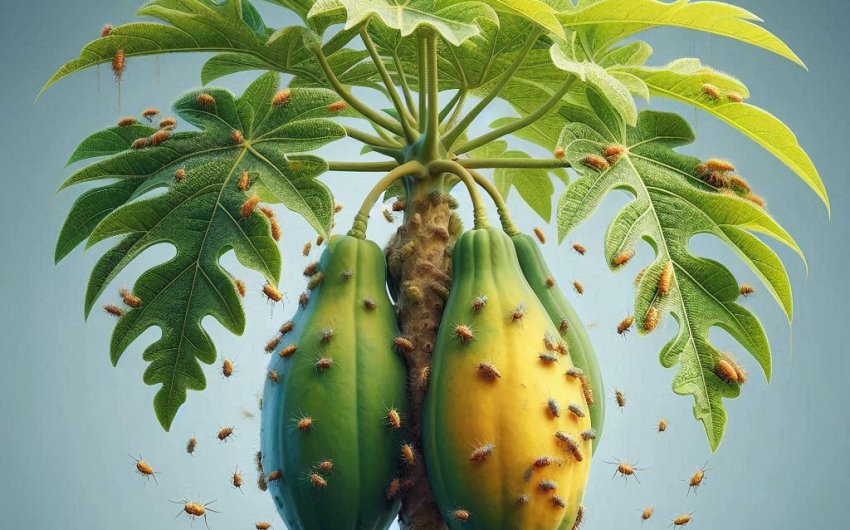
Are you curious about the challenges that can impact your tropical fruit trees, specifically seeking to identify what are the common pests and diseases that affect papaya trees? Cultivating these fast-growing, fruit-bearing plants can be incredibly rewarding, but like all crops, they are susceptible to a range of issues that can hinder their health and productivity. Understanding these potential threats is the first step toward effective prevention and management, ensuring a bountiful harvest.
Why Are Papaya Trees Susceptible to Pests and Diseases?
Papaya trees are susceptible to pests and diseases for several reasons. Their rapid growth and constant fruit production can make them vulnerable to stress. Also, in many tropical and subtropical regions where they thrive, conditions like warmth and humidity are ideal not only for papayas but also for a wide range of insects, fungi, and viruses that can cause problems. A stressed or unhealthy tree is always more susceptible.
What Are the Most Common Pests of Papaya Trees?
The most common pests of papaya trees are typically small insects that feed on the plant's sap or leaves, weakening the tree and sometimes spreading diseases. Recognizing these tiny invaders early is key to preventing widespread damage and maintaining tree health.
How Do Aphids Affect Papaya Trees?
Aphids are small, soft-bodied insects, often green, black, or yellow, that cluster on the undersides of leaves and on new shoots of papaya trees. They feed by sucking sap from the plant, which can cause leaves to curl, distort, and turn yellow. Aphids also excrete a sticky substance called honeydew, which can lead to the growth of sooty mold. They are also known to transmit several viruses. You can try to dislodge them with a strong spray of water from a garden hose nozzle.
What Are Mealybugs and How Do They Harm Papayas?
Mealybugs are small, oval, soft-bodied insects covered in a white, cottony wax, making them look like tiny pieces of cotton. They also feed on papaya sap, usually found in leaf axils (where leaves join the stem), on stems, and on developing fruit. Like aphids, they produce honeydew and can lead to sooty mold. Heavy infestations can cause stunted growth, leaf yellowing, and even fruit drop. An organic neem oil spray can be effective against them.
How Do Spider Mites Impact Papaya Trees?
Spider mites are tiny arachnids, barely visible to the naked eye, often red or brown, that feed on the undersides of papaya leaves. They cause tiny yellow stippling (dots) on the leaves, and in heavy infestations, they can produce fine webbing over the foliage. Their feeding causes leaves to turn yellow, bronze, and eventually drop, severely weakening the tree and reducing fruit yield. A good magnifying glass for garden helps spot them.
What are Whiteflies and Their Damage to Papayas?
Whiteflies are tiny, white, winged insects that are usually found on the undersides of papaya leaves. When disturbed, they fly up in a cloud. They feed on plant sap, causing yellowing, wilting, and stunted growth. Like aphids and mealybugs, they produce honeydew, leading to sooty mold growth, which can hinder photosynthesis. They can also transmit viruses. Yellow sticky traps, like non-toxic insect traps, can help monitor their presence.
What is the Papaya Fruit Fly?
The papaya fruit fly (Toxotrypana curvicauda) is a significant pest in many papaya-growing regions. The adult female lays her eggs inside developing papaya fruit. The larvae hatch and feed on the pulp, causing the fruit to rot from the inside out, making it inedible. Infested fruit may show puncture marks on the skin. Trapping and proper sanitation are key to control. Fruit fly traps can help reduce populations.
What Are the Most Common Diseases of Papaya Trees?
The most common diseases of papaya trees are primarily caused by fungi and viruses, which can lead to various symptoms affecting leaves, stems, roots, and fruit. These diseases can be quite destructive, making early identification and management critical for saving your papaya crop.
What is Papaya Ring Spot Virus (PRSV)?
Papaya Ring Spot Virus (PRSV) is one of the most devastating diseases affecting papaya trees worldwide. It is primarily transmitted by aphids. Symptoms include yellowing and mottling of leaves, distorted and stunted new growth, dark green "watermarks" or rings on petioles (leaf stalks) and stems, and distinct dark green rings on the fruit. Infected trees become unproductive and eventually die. There is no cure, so prevention (aphid control, resistant varieties) is key.
How Does Powdery Mildew Affect Papayas?
Powdery mildew is a fungal disease that appears as white, powdery patches on the upper and lower surfaces of papaya leaves, stems, and sometimes fruit. It can also appear as white patches on ripe fruit. Severe infections can lead to leaf yellowing, distortion, and premature leaf drop. It thrives in humid conditions with poor air circulation. An organic fungicide spray can help manage it.
What is Anthracnose in Papayas?
Anthracnose is a common fungal disease that affects papaya fruit, leaves, and stems, especially in warm, humid conditions. On fruit, it causes sunken, dark, circular spots that can develop a pinkish ooze. On leaves, it appears as dark, irregular spots, often spreading from the margins. Severe infections can lead to fruit rot and defoliation. Good sanitation and fungicidal sprays are used for control.
How Does Damping-Off Affect Papaya Seedlings?
Damping-off is a fungal disease that primarily affects young papaya seedlings. It causes seedlings to suddenly wilt and collapse at the soil line, often appearing as if they've been cut. This happens when the fungal pathogens attack the stem at or just below the soil surface. It's common in overly wet, poorly drained soil, or when seeds are planted too deeply. Using sterile seed starting mix helps prevent this.
What is Phytophthora Root Rot and Stem Rot?
Phytophthora root rot and stem rot are serious fungal diseases caused by various Phytophthora species, often referred to as "water molds." Root rot occurs in waterlogged or poorly drained soils, causing roots to turn dark and mushy, leading to wilting, yellowing, and eventual death of the tree. Stem rot causes dark, water-soaked lesions on the lower stem, leading to girdling and collapse. Proper drainage and avoiding overwatering are critical for prevention.
How Does Papaya Witches' Broom Disease Manifest?
Papaya Witches' Broom Disease is caused by a phytoplasma (a type of bacteria-like organism) and results in the abnormal proliferation of shoots and leaves, forming dense, broom-like growths on the branches. Leaves become smaller, yellow, and distorted, and the tree often stops producing fruit. It is spread by small sucking insects. Infected trees usually need to be removed to prevent spread.
What Are General Strategies for Pest and Disease Control?
General strategies for pest and disease control in papaya trees focus on prevention, early detection, and integrated management. A healthy tree is more resilient. These strategies often involve cultural practices, physical barriers, biological controls, and judicious use of organic or chemical treatments as a last resort.
Why is Good Sanitation Important?
Good sanitation is vital for preventing the spread of pests and diseases. This includes regularly removing and disposing of diseased plant parts, fallen leaves, and rotten fruit. Weeds around the base of the tree can also harbor pests and should be removed. Clean tools after use to prevent cross-contamination.
How Does Proper Watering Prevent Problems?
Proper watering is one of the most effective ways to prevent both fungal diseases (like root rot and powdery mildew) and pest infestations. Overwatering can lead to root rot and create humid conditions that favor fungi. Underwatering stresses the tree, making it more vulnerable to pests. Aim for consistent, deep watering that allows the soil to dry slightly between applications. Use a water timer for garden for consistent watering.
What Role Does Proper Nutrition Play?
Proper nutrition helps build a strong, healthy papaya tree that is more resistant to pests and diseases. Provide a balanced fertilizer appropriate for fruit trees, based on soil test results. Avoid excessive nitrogen, which can lead to lush, soft growth that is more attractive to sap-sucking insects. A balanced fruit tree fertilizer can be beneficial.
How Do I Encourage Beneficial Insects?
Encouraging beneficial insects (like ladybugs, lacewings, and predatory mites) can help naturally control pest populations. Avoid broad-spectrum pesticides that kill beneficials along with pests. Plant flowering plants nearby that provide nectar and pollen for beneficial insects. You can even buy live ladybugs for pest control to release in your garden.
What About Organic Pesticides and Fungicides?
When pest or disease issues arise, consider organic pesticides and fungicides as a less harmful option than synthetic chemicals. Options include neem oil, insecticidal soap, and horticultural oils for pests, and various organic copper or sulfur-based fungicides for fungal diseases. Always follow product instructions carefully. An organic insecticidal soap is a good general choice.
When Should I Consider Chemical Treatments?
Chemical treatments should generally be considered as a last resort, after other control methods have failed. If using chemicals, choose those specifically labeled for papayas and the particular pest or disease you're targeting. Always follow safety precautions, wear protective gear, and adhere strictly to dosage and timing instructions to minimize harm to the environment, beneficial insects, and yourself.
What is Integrated Pest Management (IPM)?
Integrated Pest Management (IPM) is a comprehensive approach to pest and disease control that uses a combination of methods to manage problems in an environmentally responsible way. It emphasizes prevention and monitoring, using cultural practices, biological controls, and physical methods first, and only resorting to chemical controls when absolutely necessary and with the least harmful options. An IPM handbook for home gardeners can provide more detail.
How Can I Choose Disease-Resistant Papaya Varieties?
Choosing disease-resistant papaya varieties is one of the best preventative measures against common diseases, especially viruses like PRSV. Look for varieties explicitly advertised as resistant to major local diseases. While resistance doesn't mean immunity, it significantly reduces the likelihood and severity of infection, making your cultivation efforts more successful. Some seed packets will clearly state "PRSV resistant papaya seeds" like these disease resistant papaya seeds.
What are Specific Treatments for Papaya Pests?
Specific treatments for papaya pests often involve targeted applications of organic or less toxic solutions. For aphids and mealybugs, strong water sprays or insecticidal soap are effective. For spider mites, horticultural oil or neem oil are good choices. For whiteflies, yellow sticky traps and neem oil can help. For papaya fruit fly, traps and removing fallen fruit are important.
What are Specific Treatments for Papaya Diseases?
Specific treatments for papaya diseases vary depending on the pathogen. For Powdery Mildew, organic fungicides like sulfur or potassium bicarbonate can be used. Anthracnose can be managed with copper-based fungicides and good sanitation. For Damping-Off, ensure proper drainage, use sterile soil, and avoid overwatering seedlings. Unfortunately, there is no cure for Papaya Ring Spot Virus or Witches' Broom Disease; infected trees should be removed to prevent further spread.
By staying vigilant and applying knowledge of what are the common pests and diseases that affect papaya trees, you can cultivate a thriving and productive papaya patch.