
When is the Best Time to Prune Papaya Plants for Healthy Growth?
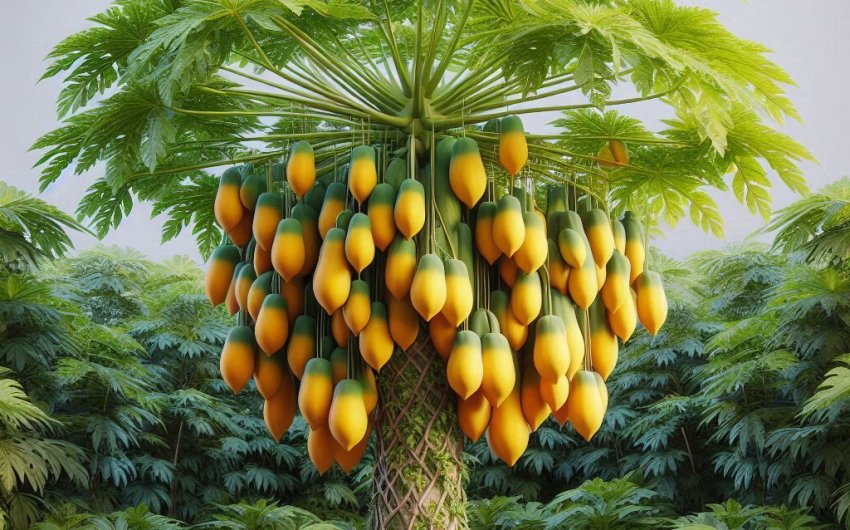
Papaya plants (Carica papaya) are a fantastic addition to tropical and subtropical gardens, rewarding growers with sweet, succulent fruit that ripens quickly. Unlike many fruit trees that require extensive, intricate pruning, papayas have a relatively straightforward growth habit, often resembling a tall, single-stemmed palm. This unique structure means that pruning papaya plants isn't about shaping for intricate fruit production, but rather about managing height, promoting branching, and maintaining overall plant health.
Knowing when is the best time to prune papaya plants and how to do it correctly is key to a productive and manageable tree. Improper pruning can stress the plant, reduce fruit yield, or even make it more susceptible to disease. This guide will delve into the various reasons for pruning papayas and provide clear, actionable advice on timing and techniques to ensure your plants thrive and produce abundant, easy-to-reach fruit.
Why Should I Prune My Papaya Plant?
While papayas don't require the detailed, structural pruning common for apple or peach trees, strategic pruning offers several significant benefits that contribute to a healthier, more productive, and easier-to-manage plant. It's about optimizing the plant's natural growth for the gardener's advantage.
1. Control Plant Height
This is perhaps the most common and practical reason for pruning papaya trees.
- Easier Harvesting: Papaya plants grow remarkably fast and can quickly become very tall, reaching heights of 15-20 feet (4.5-6 meters) or more. When the fruit sets high up on the stem, it becomes increasingly difficult and dangerous to harvest without special tools or ladders. Pruning helps to keep the plant at a manageable height for easy, hands-on harvesting. You'll avoid needing a long fruit picker pole.
- Reduced Wind Damage: Taller, single-stemmed papaya plants are more susceptible to snapping or toppling over in strong winds, especially when heavily laden with fruit. Keeping the plant shorter and more compact makes it more stable and wind-resistant.
2. Promote Branching and Increased Yields
- Single Stem vs. Multi-Stem: Papaya plants naturally tend to grow as a single stem. However, removing the growing tip (the apical bud) forces the plant to produce multiple side branches.
- More Fruit Production Points: Each new branch that forms after pruning becomes a new stem capable of producing flowers and fruit. More stems generally mean more potential fruit-bearing areas, leading to a higher overall yield from a single plant.
- Better Fruit Quality: While individual fruits on a branched plant might be slightly smaller, the increased surface area for photosynthesis and better air circulation (due to more open canopy) can lead to improved fruit quality across the plant.
3. Improve Air Circulation and Light Penetration
- Disease Prevention: Dense, overcrowded foliage creates humid, stagnant conditions, which are ideal for the development and spread of fungal diseases (like powdery mildew or anthracnose). Pruning helps to open up the canopy, allowing for better air circulation around leaves and fruit. This helps foliage dry faster after rain or watering, significantly reducing disease risk.
- Even Ripening: Improved light penetration throughout the plant ensures that all developing fruits receive adequate sunlight for proper ripening. This can lead to more uniformly ripened fruit and fewer hidden, rotting fruits.
4. Remove Dead, Damaged, or Diseased Parts
- Plant Health: Regularly removing dead, yellowing, diseased, or damaged leaves and stems is vital for the overall health of your papaya plant.
- Prevents Disease Spread: Diseased plant parts can act as a source of infection, allowing pathogens to spread to healthy areas. Removing them promptly helps contain the problem.
- Pest Control: Removing dying or stressed foliage can also eliminate hiding spots or breeding grounds for certain pests.
- Energy Diversion: By removing non-productive or unhealthy parts, the plant can direct its energy towards producing healthy new growth and fruit.
5. Rejuvenate Older Plants
- Extended Productive Life: While papayas have a relatively short productive lifespan (typically 3-5 years for peak production), strategic heading back (pruning a tall plant significantly) can sometimes rejuvenate an older, leggy plant, encouraging new vigorous growth from the base or lower stem and extending its productive life.
In summary, proper papaya plant pruning is a management technique that helps shape the plant for convenient harvesting, encourages more fruit-bearing surfaces, promotes plant health by improving air circulation, and keeps the plant robust for a longer, more productive life.
When is the Best Time to Prune Papaya Plants?
Timing is crucial when it comes to pruning papaya plants. As tropical plants, they don't have a distinct dormant season like temperate fruit trees. Therefore, pruning decisions are guided by growth cycles, climate, and the plant's overall health.
1. After Main Fruiting Season (Primary Pruning)
This is generally the best time to prune papaya plants for significant shaping or heading back.
- Why this Time: Papaya plants typically have a main fruiting period. After the majority of the fruit from a particular flush has been harvested, the plant has completed a major energy output cycle. This is an ideal time to conduct more aggressive pruning without severely impacting an ongoing harvest.
- Timing Varies by Climate:
- Tropical/Year-Round Growing Zones: In truly tropical climates where papayas grow continuously and fruit year-round, you might not have a distinct "after fruiting season." In this case, you can prune when the plant is between major flushes of fruit production, or when you notice a slight lull in flowering. The best indication is when the fruit higher up is starting to ripen, but new flowers aren't abundant lower down.
- Subtropical/Mild Winter Climates (e.g., Florida, Southern California): Where there might be a slight cool down in winter, the heaviest fruiting might occur in summer/fall. Pruning can then be done in late fall (after harvest, before the coldest weather) or early spring (as temperatures warm up and new growth is about to begin). Late winter/early spring is often preferred to allow the fresh cuts to heal in warming weather.
- Benefit: Allows the plant to put energy into developing new branches and flowers rather than supporting a large, unproductive stem or ripening a few remaining fruits. It also gives new growth time to establish before a new fruiting cycle or potentially stressful weather.
2. Early Spring (For Rejuvenation or Promoting New Growth)
For gardeners in subtropical regions or those looking to rejuvenate older plants, early spring is a good window.
- Why this Time: As temperatures consistently rise after any mild winter, and before the plant enters its most vigorous growth phase, it's an opportune time for more significant pruning. The warming weather helps cuts heal quickly and minimizes the risk of infection.
- Benefit: Stimulates vigorous new growth and branching, setting the plant up for a productive summer/fall.
3. Any Time (For Maintenance Pruning)
Minor pruning tasks can be done throughout the year as needed.
- Dead, Damaged, or Diseased Leaves/Stems: Immediately remove any yellowing, brown, mushy, or clearly diseased leaves or stems as soon as you notice them, regardless of the season. This prevents disease spread and redirects plant energy. Use clean pruning shears for plants.
- Overlapping Branches: If branches are rubbing or crossing in a way that will cause future problems, or if air circulation is being severely restricted, minor trimming can be done.
- Removing Suckers: Papaya plants occasionally produce suckers (new shoots) from the base or lower stem. If you want to maintain a single-stemmed plant, remove these suckers as they appear. If you want a multi-stemmed plant from the base, you can let them grow.
4. Avoid Pruning During Key Periods (When Not to Prune)
- During Heavy Flowering/Fruiting: Avoid major pruning when the plant is heavily laden with flowers or developing fruit. This can stress the plant, cause fruit drop, or reduce the size of the developing fruit.
- Just Before Cold Weather: In subtropical zones, avoid aggressive pruning just before the coldest part of winter. Fresh cuts are vulnerable to frost damage and can make the plant more susceptible to cold injury or disease. Allow cuts time to heal before cold weather sets in.
- During Very Wet Periods: While you might do minor removals, avoid major pruning (especially heading back) during prolonged rainy periods. Open wounds created by pruning are more susceptible to fungal and bacterial infections when continuously wet. Choose a dry day for pruning whenever possible.
By aligning your pruning efforts with the papaya's natural growth cycles and local climate conditions, you can maximize your plant's health and fruit production.
How Do I Prune Papaya Plants?
Pruning papaya plants is a relatively straightforward process, but using the right techniques and tools ensures healthy cuts and promotes the desired growth. Remember, the goal is to manage height and encourage branching for better fruit production.
1. Essential Tools
Using sharp, clean tools is crucial to make clean cuts that heal quickly and prevent the introduction of diseases.
- Pruning Shears/Bypass Pruners: For smaller stems (up to 3/4 inch or 2 cm in diameter) and removing leaves. Choose a high-quality pair of bypass pruning shears.
- Loppers: For thicker stems (up to 1.5-2 inches or 4-5 cm in diameter). Long handle loppers provide extra leverage.
- Pruning Saw: For very thick, mature stems (over 2 inches or 5 cm) when heading back a large plant. A folding pruning saw is compact and effective.
- Disinfectant: Rubbing alcohol or a 10% bleach solution (1 part bleach to 9 parts water). Use this to clean your tools before you start and between cuts, especially if you suspect disease.
- Gloves: To protect your hands from sap and thorns (if present on some varieties).
2. General Pruning Techniques
- Clean Cuts: Always make clean, sharp cuts. Ragged cuts take longer to heal and are more susceptible to disease.
- Angle: Make cuts at a slight angle (around 45 degrees) away from any buds or future growth points. This helps water run off and prevents rot.
- Disinfect Tools: Dip your pruning tools in disinfectant between plants, and especially after cutting diseased material, to prevent spreading pathogens.
3. Types of Pruning for Papaya Plants
There are a few main types of pruning you'll perform on papayas:
A. Heading Back (for Height Control and Branching)
This is the most impactful type of pruning for papaya.
- Purpose: To reduce the overall height of a tall plant and force it to produce multiple new branches below the cut, leading to a bushier plant with more fruit-bearing surfaces.
- Timing: Best done after a main fruiting season (late fall or early spring, depending on your climate).
- How to Do It:
- Identify Desired Height: Decide on a manageable height for your plant, usually 5-7 feet (1.5-2 meters), making sure you can comfortably reach the top.
- Make the Cut: Using your loppers or pruning saw, make a clean, horizontal cut across the main stem at your desired height. Don't worry about cutting directly above a node; new branches will emerge from latent buds below the cut.
- Expect Sap: Papaya stems are hollow and will release a milky white sap (latex) after being cut. This is normal. You can let it drain naturally, or sometimes rubbing dirt or ash on the wound is suggested to help it seal, though it usually seals itself.
- New Growth: Within a few weeks, you should see multiple new shoots (typically 2-4) emerging from just below the cut. These will become your new main stems.
- Consideration: This is a drastic cut and can temporarily reduce fruit production on that specific stem until the new branches mature.
B. Removing Leaves (Maintenance Pruning)
- Purpose: To remove old, unproductive, yellowing, diseased, or damaged leaves. This improves air circulation, prevents disease spread, and redirects plant energy.
- Timing: Can be done any time of year as needed.
- How to Do It:
- Identify: Look for leaves that are entirely yellow, brown, have large spots, show signs of severe pest damage, or are completely dead.
- Cut at Base: Use your pruning shears to cut the leaf stem (petiole) as close to the main trunk as possible without damaging the trunk itself.
- Sap: Again, expect some sap to bleed from the cut.
C. Thinning Branches (If Multi-Stemmed)
If your plant produces many branches (either naturally or after heading back), you might want to thin them.
- Purpose: To ensure good air circulation and light penetration throughout the canopy, preventing overcrowding that can lead to disease and uneven ripening.
- Timing: After the main fruiting period or in early spring.
- How to Do It:
- Observe: Step back and look at the overall shape. Identify any branches that are crossing, rubbing, or making the canopy too dense.
- Selectively Remove: Remove the weaker, inward-growing, or least productive branches at their base, leaving 2-4 strong, well-spaced branches that allow for good airflow.
D. Removing Suckers (Optional)
- Purpose: To direct the plant's energy into its main stem(s) if you want to maintain a single-stemmed plant or limit the number of productive stems.
- Timing: As they appear.
- How to Do It: Snip off new shoots (suckers) that emerge from the base of the plant or low on the main trunk.
By applying these pruning techniques with careful timing and clean tools, you can effectively manage your papaya plants for healthy growth, abundant fruit, and convenient harvesting.
How Do I Care for My Papaya Plant After Pruning?
Proper aftercare is just as important as the pruning itself. It helps your papaya plant heal quickly, minimizes stress, and encourages vigorous new growth, setting the stage for a bountiful harvest.
1. Water Thoroughly
- Immediately After Pruning: Give your plant a good, deep watering immediately after pruning, especially if you've done a significant heading back cut. Pruning is a stressful event for the plant, and adequate moisture helps it cope and begin the healing process.
- Consistent Moisture: Continue to provide consistent watering, ensuring the soil remains moist but not waterlogged. Avoid letting the soil dry out completely, as this can add to stress.
2. Provide Balanced Nutrition
- Fertilize After Pruning: A few days to a week after pruning, apply a balanced fertilizer to support the new growth that will emerge.
- Type of Fertilizer: Use a balanced granular fertilizer or a liquid feed, suitable for fruiting plants. Look for formulations that support overall plant health (e.g., NPK ratios like 8-8-8, 10-10-10, or slightly higher in potassium for fruiting). An organic fruit tree fertilizer can work well.
- Application: Follow the product's instructions carefully. Don't over-fertilize, as too much nitrogen can lead to excessive leafy growth at the expense of fruit, or "burn" the plant.
- Compost: Top-dressing the soil around the base of the plant with a layer of good quality compost is always beneficial, providing a slow release of nutrients and improving soil health.
3. Monitor for Pests and Diseases
- Vulnerability: Fresh cuts are entry points for pests and pathogens. While sap bleeding helps seal the wound, always be vigilant.
- Regular Inspection: Inspect your plant regularly (daily or every few days) for any signs of pest infestations or disease development, especially around the cut areas.
- Early Intervention: If you spot any issues, address them immediately using organic pest control methods or targeted organic disease treatments. Early detection is key.
- No "Pruning Sealant": For papaya, a specific "pruning sealant" or "wound paint" is generally not recommended unless you are in an area with known specific disease risks and advised by a local extension office. Papayas typically heal well on their own, and sealants can sometimes trap moisture, leading to rot or disease. The natural sap acts as a protective barrier.
4. Provide Adequate Sunlight
- Essential for Growth: Papayas are sun-loving plants. Ensure your pruned plant continues to receive at least 6-8 hours of direct sunlight per day. This energy is essential for photosynthesis and driving new growth.
- Consider Placement: If you moved your plant for pruning, move it back to its sunniest spot.
5. Be Patient and Observe
- New Growth: After heading back, it might take a few weeks for new shoots to emerge from the nodes below the cut. Be patient.
- Branching: Once the new shoots appear, they will begin to develop into new branches, which will eventually produce flowers and fruit.
- Adjust as Needed: Continue to observe your plant's response to pruning. If new branches are too dense, you might thin them slightly once they are established to maintain good air circulation.
By diligently following these aftercare steps, you will help your papaya plant recover from pruning quickly, encourage vigorous, healthy new growth, and set the stage for an even more productive harvest in the future.