
How to Treat Fungus Gnats in Houseplant Soil?
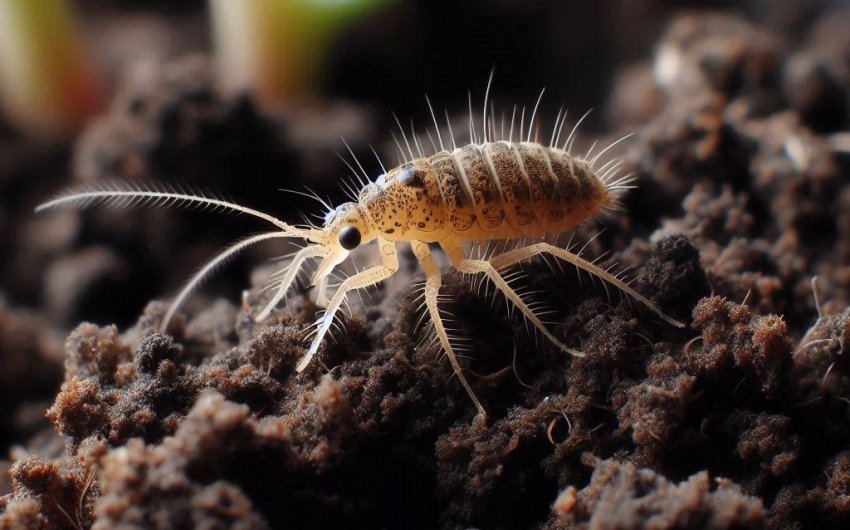
Fungus gnats are a common nuisance for houseplant owners, those tiny, dark flies buzzing around your pots or crawling on the soil surface. If you're constantly swatting away these annoying insects and asking, "How to treat fungus gnats in houseplant soil?" you're in the right place. While mostly harmless to mature plants, a severe infestation can damage seedlings and be incredibly annoying. The good news is that tackling these pests is entirely manageable with a multi-pronged approach that targets both the adult flies and their larvae.
What Are Fungus Gnats and Why Are They a Problem?
Before diving into how to treat fungus gnats in houseplant soil, it's helpful to understand what these pests are and why they've chosen your plants as their home. Knowing their life cycle is key to effective treatment.
What They Are
Fungus gnats (Sciaridae family) are small, dark-bodied flies, typically about 1/8 inch long, resembling tiny mosquitoes. They are often seen flying around houseplants, especially near the soil surface, or crawling on the soil itself.
- Adult Gnats: The adults are mostly harmless to plants. Their main role is to lay eggs in moist soil. They are primarily a nuisance to humans.
- Larvae: These are the real culprits. Fungus gnat larvae are tiny (up to 1/4 inch long), clear or whitish, legless worms with shiny black heads. They live in the top few inches of moist potting soil.
The Fungus Gnat Life Cycle
Understanding their life cycle reveals their vulnerability. The entire cycle, from egg to adult, takes about 3-4 weeks.
- Eggs: Adult female gnats lay tiny eggs in the moist top layers of potting mix. One female can lay up to 200 eggs.
- Larvae: Eggs hatch into larvae in about 3-4 days. The larvae feed on fungi, decaying organic matter, and sometimes the tender roots of plants for about 2 weeks. This is the stage that can cause plant damage.
- Pupae: Larvae then develop into pupae in the soil, which lasts about 3-4 days.
- Adults: Adult gnats emerge from the pupae, fly around, mate, and lay more eggs, continuing the cycle.
Why They Are a Problem
- Annoyance: The most obvious problem is their sheer annoyance. Swarms of tiny flies around your indoor plants are just plain irritating.
- Plant Damage (Mainly for Seedlings/Young Plants): While adult gnats don't harm mature plants, the larvae can. They primarily feed on fungi and decaying organic matter in the soil. However, if food sources are scarce, or if the infestation is severe, they will chew on tender roots, especially those of seedlings, cuttings, or young, delicate plants. This root damage can lead to stunted growth, yellowing leaves, wilting, and in severe cases, the death of very young plants.
- Indicator of Overwatering: The presence of fungus gnats is a strong indicator that your potting soil is staying too wet for too long. They require consistently moist conditions to lay eggs and for larvae to thrive.
- Spreading Fungal Spores: Some research suggests that adult fungus gnats can potentially carry and spread fungal disease spores from one plant to another.
Addressing how to treat fungus gnats in houseplant soil means targeting both the flying adults and, more importantly, the soil-dwelling larvae, as well as fixing the underlying moisture problem.
What Are the Best Cultural Control Methods?
The most effective and fundamental way to treat fungus gnats in houseplant soil involves cultural control methods. These strategies tackle the root cause of the infestation – overly moist soil – and make your plant's environment inhospitable to these pests.
1. Let the Soil Dry Out
This is the golden rule for fungus gnat control and the single most important step. Fungus gnat eggs and larvae absolutely need moist conditions to survive and develop.
- Deep Dry-Out: Allow the top 2-3 inches of potting soil to dry out completely between waterings. For many plants, this might mean watering less frequently than you're used to.
- Test the Soil: Stick your finger into the soil or use a moisture meter to accurately gauge moisture levels before watering. If it feels even slightly damp at the top, wait.
- Adjust Watering Habits: This might be the hardest change, but it's essential. Most people overwater their houseplants. Learn your plant's specific needs and water based on dryness, not a schedule.
- Bottom Watering (Optional but Helpful): If your plant tolerates it, consider bottom watering. Place the potted plant in a tray or sink filled with about 2-3 inches of water and let it soak up moisture from the drainage holes. This keeps the top layer of soil drier while ensuring the roots get enough water.
2. Improve Drainage and Aeration
Proper drainage and well-aerated soil are crucial for preventing standing water and allowing the soil to dry out efficiently.
- Use Pots with Drainage Holes: Never use pots without drainage holes. If you have a decorative pot without holes, place the plant in a nursery pot with drainage holes inside it.
- Use Well-Draining Potting Mix: Ensure your potting mix is designed for houseplants and drains well. Avoid heavy, dense soils that retain too much moisture. For succulents or plants prone to root rot, use a cactus and succulent potting mix. You can also amend standard potting mix with perlite or coarse sand to improve drainage.
- Avoid Overpotting: Don't put a small plant in a huge pot. Excess soil in a too-large pot holds too much moisture, staying wet for longer than the plant needs.
3. Remove Decaying Organic Matter
Fungus gnat larvae feed on decaying organic matter in the soil. Removing it eliminates a food source.
- Clean Up Fallen Leaves/Debris: Regularly remove any fallen leaves, spent flowers, or other plant debris from the soil surface.
- Avoid Compost/Manure as Top-Dressing: While good for outdoor gardens, using fresh, uncomposted organic matter on indoor plants can provide an inviting food source for gnats.
4. Improve Air Circulation
Good airflow helps the soil surface dry out faster.
- Space Out Plants: Don't crowd plants together, which can hinder airflow.
- Fans: In particularly humid environments or if you have a lot of plants, a small oscillating fan can help circulate air and dry out soil surfaces.
By diligently implementing these cultural control methods, you'll disrupt the fungus gnat life cycle at its most vulnerable point (the need for constant moisture), making significant progress in how to treat fungus gnats in houseplant soil.
What Are Effective Physical and Mechanical Traps?
While cultural controls address the root cause, physical and mechanical traps are excellent for reducing the adult fungus gnat population, which helps break their breeding cycle. These methods are safe, non-toxic, and effective parts of how to treat fungus gnats in houseplant soil.
1. Yellow Sticky Traps
These are by far the most popular and effective physical trap for adult fungus gnats.
- How They Work: Fungus gnats are attracted to the color yellow. The sticky surface of the trap captures the flying adults, preventing them from laying more eggs.
- Application: Place yellow sticky traps directly into the soil of infested pots or hang them near the plants. You can cut larger traps into smaller pieces for more coverage.
- Benefits:
- Highly Effective: Quickly reduces the adult population.
- Non-Toxic: Safe for pets and children.
- Monitoring Tool: Shows you the extent of your infestation.
- Considerations: Replace them regularly as they fill up with gnats and dust. They are primarily for adults, so they must be used in conjunction with other methods targeting larvae.
2. DIY Apple Cider Vinegar Traps
A simple, homemade trap can lure and drown adult gnats.
- How to Make:
- Pour a small amount of apple cider vinegar into a shallow bowl or small container.
- Add a few drops of liquid dish soap (this breaks the surface tension of the vinegar, causing the gnats to sink).
- You can also add a pinch of sugar or a small piece of ripe fruit to make it more appealing.
- Placement: Place these traps near your infested plants.
- Benefits: Inexpensive and uses common household items.
- Considerations: Only targets adult gnats. The appearance might not be desirable for all spaces. Change the mixture every few days.
3. Potato Slices (for Larvae)
This method targets the larvae directly by providing an irresistible food source that you can then remove.
- How to Use: Cut a few thin slices of raw potato. Place them directly on the soil surface of infested pots.
- How it Works: Fungus gnat larvae are attracted to the starch in the potato. They will crawl into the potato slices to feed.
- Removal: After 24-48 hours, carefully remove the potato slices (they'll likely have larvae clinging to them) and discard them outside or in a sealed bag. Repeat with fresh slices daily for several days or until no more larvae are found.
- Benefits: Directly removes larvae from the soil.
- Considerations: Can be a bit messy. Not for long-term use.
4. Physical Barriers (Top Dressing)
Creating a dry barrier on the soil surface can deter adult gnats from laying eggs.
- Materials: Apply a 1/2 to 1-inch thick layer of coarse sand, diatomaceous earth (food grade), or decorative pebbles/gravel on top of the potting mix.
- How it Works:
- Sand/Pebbles: Creates a dry, unsuitable layer for egg-laying and makes it difficult for emerging adults to break through.
- Diatomaceous Earth (DE): A natural, finely powdered fossilized algae. When insects crawl over it, its microscopic sharp edges cut their exoskeletons, causing them to dehydrate and die.
- Application: Ensure the layer is thick enough to be effective. For DE, apply a fine, even layer.
- Benefits: Non-toxic, long-lasting barrier.
- Considerations: DE needs to be dry to be effective; if it gets wet, it loses its abrasive quality. Diatomaceous earth is safe for humans and pets but can be irritating if inhaled, so apply it carefully.
By combining these physical and mechanical traps with cultural controls, you can significantly reduce both adult and larval populations, making excellent progress in how to treat fungus gnats in houseplant soil.
What Are Biological Control Methods?
Biological control methods involve using natural enemies of fungus gnats to eliminate them. These are highly effective, environmentally friendly, and safe solutions for how to treat fungus gnats in houseplant soil, especially for persistent or larger infestations.
1. Bacillus thuringiensis israelensis (BTI)
BTI is a naturally occurring soil bacterium that is specifically toxic to the larvae of certain flying insects, including fungus gnats, mosquitoes, and black flies. It's completely harmless to humans, pets, plants, and beneficial insects.
- How it Works: When fungus gnat larvae ingest BTI, the bacteria produce toxins that disrupt their digestive system, leading to their death.
- Product Forms:
- Dunks or Bits: Often found as Mosquito Bits or "mosquito dunks."
- Liquid Concentrate: Some products offer liquid BTI that can be mixed with water.
- Application:
- For Bits/Dunks: Sprinkle the bits directly onto the soil surface, or soak them in your watering can for 20-30 minutes and then use the BTI-infused water to water your plants. The larvae will ingest the BTI from the soil.
- For Liquid: Dilute according to package instructions and water your plants with the solution.
- Frequency: Apply BTI with every watering for 2-3 weeks (or until the infestation is gone) to ensure you kill successive generations of larvae.
- Benefits: Highly targeted, very effective, safe, and organic. It's one of the best methods for eliminating larvae.
2. Beneficial Nematodes (Steinernema feltiae)
Nematodes are microscopic, unsegmented roundworms. Some species are beneficial and act as parasites to various insect pests, while being harmless to plants, humans, and pets. For fungus gnats, the species Steinernema feltiae is particularly effective.
- How they Work: These nematodes are "entomopathogenic" (insect-killing). They seek out fungus gnat larvae in the soil, enter their bodies, and release symbiotic bacteria that kill the larvae. The nematodes then reproduce within the dead larvae.
- Product Form: Beneficial nematodes come as a living product, usually in a sponge or powder form that needs to be mixed with water. You can buy Steinernema feltiae nematodes online.
- Application:
- Follow the package instructions carefully, as they are living organisms.
- Mix the nematodes with dechlorinated water.
- Apply the solution directly to the soil as a drench, ensuring even coverage.
- Keep the soil moist for several days after application to allow the nematodes to move through the soil.
- Frequency: Usually a single application is sufficient, but severe infestations might benefit from a second application after a few weeks.
- Benefits: Long-lasting control, completely safe, and targets the larvae effectively.
- Considerations: Nematodes are living organisms; check the expiration date and store them properly (refrigerated) until use. Apply them quickly after mixing.
3. Predatory Mites (Hypoaspis miles / Stratiolaelaps scimitus)
These are tiny, beneficial predatory mites that live in the soil and feed on fungus gnat larvae and pupae, as well as thrips pupae and springtails.
- How they Work: These mites actively patrol the top layers of soil, searching for and consuming fungus gnat larvae and pupae.
- Product Form: Purchased as live mites, usually mixed with a carrier substrate like vermiculite. Look for Hypoaspis miles mites.
- Application: Gently sprinkle the mite mixture onto the soil surface of infested plants. The mites will then move down into the soil.
- Frequency: A single application can provide long-term control, as they can establish populations in the soil.
- Benefits: Excellent long-term control for severe or recurring infestations, very safe.
- Considerations: Requires careful handling as they are live organisms. Can be more expensive than BTI.
Biological control agents are powerful tools for how to treat fungus gnats in houseplant soil naturally and effectively, especially when integrated with proper cultural practices and physical traps.
What Are Other Treatment Options and Prevention Tips?
Beyond the primary methods, a few other options and consistent prevention tips can round out your strategy for how to treat fungus gnats in houseplant soil and keep them from coming back.
Other Treatment Options
Hydrogen Peroxide Drench:
- How it Works: Hydrogen peroxide (H2O2) is an oxidizing agent. When mixed with water and poured into the soil, it releases oxygen, which kills fungus gnat larvae on contact. The fizzing action also helps aerate the soil.
- Application: Mix 1 part 3% hydrogen peroxide with 4 parts water. Water your plants with this solution. You'll see a fizzing action on the soil surface – that's the oxygen being released.
- Benefits: Kills larvae quickly, provides a temporary oxygen boost to roots.
- Considerations: Should be used cautiously and infrequently as it can also kill beneficial soil microbes if overused. Test on a small area first.
- Note: Use sparingly, as excessive use can sterilize soil, harming beneficial microorganisms.
Neem Oil Soil Drench:
- How it Works: Neem oil is a natural insecticide that disrupts the life cycle of many insects. When applied as a soil drench, the larvae ingest it, and it acts as a growth disruptor, preventing them from developing into adults.
- Application: Mix concentrated neem oil with water and a few drops of mild dish soap (as an emulsifier) according to package directions. Water your plants thoroughly with this solution.
- Benefits: Organic, also helps control other soil-dwelling pests.
- Considerations: Can have a strong odor. Requires multiple applications (every 7-10 days) to be effective over the pest's life cycle.
Long-Term Prevention Tips
Prevention is always easier than cure when it comes to fungus gnats.
- Inspect New Plants Carefully: Always inspect new houseplants thoroughly for signs of fungus gnats or other pests before bringing them into your home. If possible, quarantine new plants for a few weeks in a separate area.
- Sterilize Potting Mix (if reusing or making your own): If you're reusing old potting mix or making your own, briefly sterilizing it in the oven (heating to 180-200°F / 82-93°C for 30 minutes) can kill any gnat eggs or larvae present. However, this also kills beneficial microbes, so it's a trade-off.
- Buy High-Quality Potting Mix: Good quality, sterile potting mixes from reputable brands are less likely to contain fungus gnat eggs initially. Avoid bags that feel overly wet.
- Avoid Over-Fertilizing with Organic Fertilizers: While organic fertilizers are great, excessive use can lead to more decaying organic matter in the soil, which feeds fungus gnat larvae.
- Clean Up Spills Promptly: Don't leave standing water or spilled soil/potting mix around your plants, as these moist conditions can attract gnats.
- Use a Top Dressing: As mentioned in physical methods, a layer of decorative pebbles, coarse sand, or bark chips on the soil surface can create a dry barrier that discourages adult gnats from laying eggs. This works well for preventing re-infestations.
- Know Your Plant's Water Needs: The most important long-term prevention is to avoid consistently soggy soil. Learn to tell when your individual plants need water by checking the soil dryness with your finger or a moisture meter.
By combining active treatment methods with ongoing preventative strategies, you can effectively resolve current infestations and ensure you know how to treat fungus gnats in houseplant soil to keep your plants pest-free and thriving in the long run.