
What Causes Brown Tips on Spider Plant Leaves?
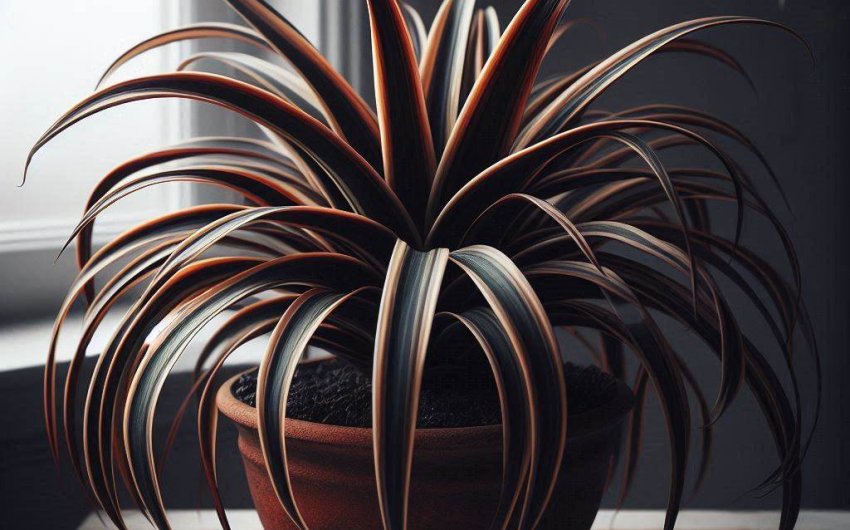
Spider plants are beloved houseplants, cherished for their easy-care nature, air-purifying qualities, and charming "spiderettes" that trail gracefully. However, even these resilient plants can display distress, often signaling a problem with their environment. If you're observing discoloration and wondering what causes brown tips on spider plant leaves, it's a very common issue, almost always related to water quality, humidity, or mineral buildup. Understanding these factors is the key to restoring your spider plant's vibrant green foliage.
What Role Does Water Quality Play in Brown Tips?
The most frequent culprit behind brown tips on spider plant leaves is the quality of the water you use. Spider plants are sensitive to certain chemicals and minerals commonly found in tap water.
Fluoride Toxicity
- Cause: Fluoride is a common additive in municipal tap water. While safe for humans, spider plants are particularly sensitive to it. Fluoride accumulates in the leaf tips, becoming toxic and causing the plant cells to die, leading to the characteristic brown or black tips.
- Solution: Use distilled water, rainwater, or filtered water (such as from a reverse osmosis system). If using tap water, let it sit out for 24-48 hours to allow chlorine to dissipate (though this won't remove fluoride). A water filter pitcher can also reduce some impurities.
Chlorine Sensitivity
- Cause: Chlorine is another common chemical in tap water used for disinfection. While less of an issue than fluoride, high levels of chlorine can also contribute to leaf tip burn, especially in sensitive plants like spider plants.
- Solution: Similar to fluoride, letting tap water sit uncovered for 24 hours allows chlorine gas to evaporate.
Salt Buildup (from Fertilizers or Hard Water)
- Cause: Mineral salts from tap water (especially hard water) or from excessive fertilizer can accumulate in the soil over time. These salts are drawn up into the plant's leaves and, as water evaporates from the tips, the salts are left behind, scorching the delicate leaf tissue.
- Solution: Flush the soil periodically (every few months) by slowly pouring a large volume of plain, filtered water through the pot. This leaches out accumulated salts. Ensure proper drainage. Reduce fertilizer use, or use a slow-release houseplant fertilizer.
How Does Humidity Affect Spider Plant Leaves?
Spider plants are tropical natives, accustomed to humid environments. The dry indoor air typical of many homes, especially during winter with heating or summer with air conditioning, can directly contribute to brown tips. This climatic factor is often a reason for what causes brown tips on spider plant leaves.
Low Humidity Stress
- Cause: When the surrounding air is too dry, the plant loses moisture through its leaves faster than its roots can absorb it. The water is drawn out from the farthest points first – the leaf tips – causing them to dry out, turn brown, and become crispy.
- Symptoms: Besides brown tips, you might notice the plant generally looks less lush or vibrant.
Solutions for Low Humidity
- Pebble Tray: Place the plant's pot on a saucer filled with pebbles and water. Ensure the bottom of the pot doesn't sit directly in the water, as this can lead to root rot. As the water evaporates from the tray, it increases humidity around the plant. A plant pebble tray is an easy solution.
- Humidifier: For consistent and effective humidity increase, especially in very dry environments, use a room humidifier near your plant collection.
- Grouping Plants: Grouping several plants together can create a localized microclimate with higher humidity, as plants naturally release moisture through transpiration.
- Misting (Limited Effect): While popular, misting provides only a very temporary humidity boost. It can also leave water spots on leaves or encourage fungal issues if air circulation is poor. It's not a long-term solution for dry air.
Can Underwatering or Overwatering Lead to Brown Tips?
While brown tips are most commonly associated with water quality or humidity, both extremes of watering (too little or too much) can also stress a spider plant and manifest as leaf tip damage. Mismanaging hydration is a common answer to what causes brown tips on spider plant leaves.
Underwatering
- Cause: Infrequent or insufficient watering can lead to dehydration. The leaf tips, being the furthest from the water source, will dry out first and turn brown and crispy. The entire plant will also look limp and droopy.
- Symptoms: Dry, crispy brown tips; entire leaves may yellow and shrivel; soil will be bone dry.
- Solution: Establish a consistent watering schedule. Water thoroughly until water drains from the bottom of the pot. Always check the soil moisture before watering; only water when the top 1-2 inches of soil feel dry. Use a soil moisture meter if unsure.
Overwatering (Leading to Root Rot)
- Cause: Consistently soggy soil deprives roots of oxygen, leading to root rot. When roots can't function, the plant can't absorb water or nutrients, mimicking drought symptoms. The tips will brown because the plant can't hydrate properly.
- Symptoms: Brown or yellow tips, yellowing entire leaves (often starting from the bottom), wilting despite wet soil, a foul smell from the soil.
- Solution: Immediately stop watering. Allow the soil to dry out significantly. If root rot is severe, repot into fresh, well-draining soil after trimming away rotten roots. Ensure the pot has adequate drainage holes.
What is the Role of Potting Mix and Drainage?
The medium your spider plant grows in and how well water can exit the pot significantly influence its overall health and susceptibility to brown tips. Suboptimal potting conditions are often behind what causes brown tips on spider plant leaves.
Poorly Draining Potting Mix
- Cause: Heavy, dense potting mixes that retain too much water can lead to perpetually soggy soil, which then causes root rot (as discussed above). Even if you water correctly, the soil never properly dries out.
- Symptoms: Mimics overwatering symptoms: wilting, yellowing leaves, and eventually brown tips as roots fail.
- Solution: Repot your spider plant into a well-draining potting mix for houseplants. You can amend standard potting mix with perlite, coarse sand, or orchid bark to improve aeration and drainage.
Insufficient Drainage Holes
- Cause: A pot without drainage holes, or with clogged holes, means excess water has nowhere to go. This inevitably leads to waterlogged soil and root rot.
- Symptoms: Same as root rot from overwatering.
- Solution: Always use pots with proper drainage holes. If you love a decorative pot without holes, use it as a cachepot (decorative outer pot) and keep your spider plant in a nursery pot with drainage holes inside it. Ensure you empty any excess water that collects in the cachepot.
Too Large Pot
- Cause: Planting a small spider plant in a pot that is too large means there's too much soil relative to the root ball. This excess soil holds moisture for too long, increasing the risk of overwatering and root rot.
- Symptoms: Symptoms related to root rot and constant moisture stress.
- Solution: Repot your spider plant into a pot that is only slightly larger than its current root ball (about 1-2 inches wider in diameter). Spider plants actually prefer to be slightly root-bound.
Can Light Levels Cause Brown Tips on Spider Plants?
While less common than water-related issues, improper light exposure can also stress your spider plant and contribute to leaf tip browning. Extreme light conditions can be a factor in what causes brown tips on spider plant leaves.
Too Much Direct Sun
- Cause: Spider plants prefer bright, indirect light. Direct, intense sunlight, especially hot afternoon sun, can scorch their delicate leaves. The tips are often the first to show signs of this "sunburn."
- Symptoms: Brown, crispy tips or margins, often accompanied by bleached or faded patches on the leaf surface.
- Solution: Move your spider plant to a location where it receives bright, indirect light. An east-facing window is often ideal. If it's near a south or west-facing window, pull it back a few feet or use sheer curtains to diffuse the light.
Insufficient Light
- Cause: While low light doesn't directly cause brown tips, a consistently very low-light environment can stress the plant, making it generally weaker and more susceptible to other issues like improper watering or nutrient imbalances, which could then lead to tip browning.
- Symptoms: Pale color, leggy growth, and a general lack of vigor.
- Solution: Ensure your spider plant receives at least moderate, indirect light. If natural light is insufficient, consider supplementing with an LED grow light for houseplants.
What About Pests and Diseases Causing Brown Tips?
While less common than environmental factors, some pests and diseases can also lead to discolored or browning leaf tips on spider plants. Investigating these possibilities is part of a comprehensive assessment of what causes brown tips on spider plant leaves.
Spider Mites
- Cause: Tiny sap-sucking pests that thrive in dry, dusty conditions.
- Symptoms: Fine stippling (tiny dots) on the leaves, followed by yellowing and eventual browning, often starting at the tips or edges. In severe infestations, you might see fine webbing on the undersides of leaves or between stems.
- Solution: Isolate the plant. Hose down the plant thoroughly, paying attention to leaf undersides. Use insecticidal soap spray or neem oil. Increase humidity around the plant.
Thrips
- Cause: Small, slender insects that feed by rasping plant tissue and sucking sap.
- Symptoms: Silvery streaks, distorted new growth, and sometimes browning or crisping of leaf tips where they feed.
- Solution: Use blue sticky traps for monitoring. Apply insecticidal soap or neem oil.
Fungal Diseases (e.g., Anthracnose)
- Cause: Fungal pathogens that can attack stressed plants, often favored by high humidity with poor air circulation, or excessively wet leaves.
- Symptoms: Can cause brown spots or blotches that may spread to the tips, sometimes with distinct margins.
- Solution: Improve air circulation, avoid overhead watering, remove affected leaves. Fungicides are rarely needed for houseplant issues; focus on cultural changes.
How to Remedy Brown Tips and Promote Healthy Growth?
Addressing brown tips is about prevention and consistent good care. While you can't reverse existing brown tips, you can stop new ones from forming and encourage healthy new growth. Implementing these solutions helps clarify what causes brown tips on spider plant leaves.
Pruning Brown Tips
- Aesthetics Only: Once a leaf tip is brown and crispy, it won't turn green again. You can trim off the brown parts with clean, sharp scissors for aesthetic reasons. Cut along the natural curve of the leaf, leaving a tiny sliver of brown to avoid cutting into healthy tissue, which could trigger more browning.
Repotting (if necessary)
- When to Repot: If your plant is severely root-bound, suffering from root rot due to poor soil/drainage, or if salt buildup is extreme, repotting into fresh, well-draining soil and a pot with good drainage may be necessary. Spider plants generally need repotting every 1-2 years. Use a slightly larger pot if root-bound.
- Procedure: Gently remove the plant, inspect roots (trim any rotten ones), and repot with fresh houseplant potting mix.
Consistent Care Routine
- Watering: Stick to a routine of checking soil moisture and watering thoroughly when the top 1-2 inches are dry, allowing full drainage.
- Light: Ensure bright, indirect light exposure.
- Humidity: Maintain moderate to high humidity levels.
- Fertilization: Fertilize only during the growing season (spring and summer) with a diluted, balanced houseplant fertilizer. Stop fertilizing in fall and winter.
- Regular Flushing: Periodically flush the soil to prevent salt buildup.
Observe and Adapt
Every home environment is unique. Pay close attention to how your spider plant responds to changes in its care. It might take a few weeks to see noticeable improvement in new growth and a reduction in new brown tips. This ongoing observation and adaptation are crucial for maintaining a truly healthy spider plant.
Understanding what causes brown tips on spider plant leaves empowers you to take targeted action. By focusing on water quality, appropriate humidity, proper watering techniques, and a healthy growing environment, you can banish those unsightly brown tips and enjoy a lush, thriving spider plant for years to come.