
How to Identify Root Rot in Peace Lilies?
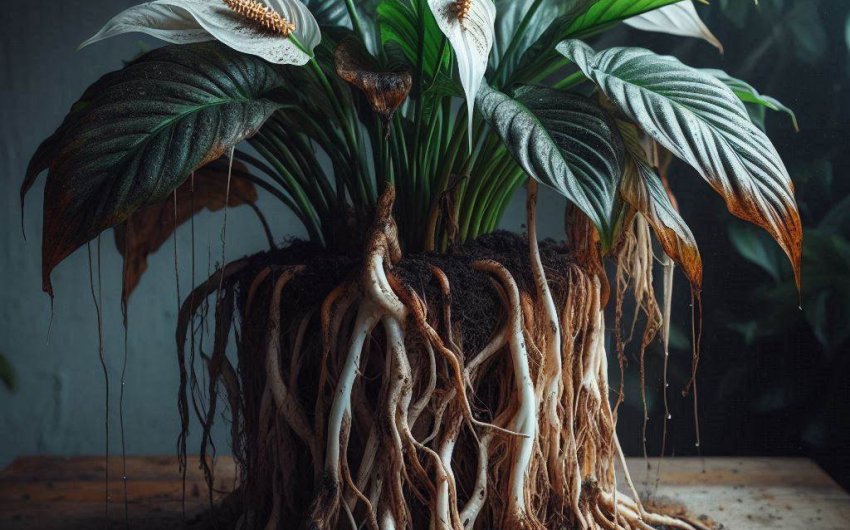
Understanding how to identify root rot in Peace Lilies is crucial for maintaining the health of these popular houseplants. Peace Lilies are known for their dramatic wilting when thirsty, but persistent wilting despite watering, often accompanied by yellowing leaves, can be a tell-tale sign of this serious condition. Recognizing the subtle and obvious indicators allows you to intervene promptly and potentially save your beloved plant from irreparable damage caused by overly wet conditions.
What is Root Rot and Why Do Peace Lilies Get It?
Root rot is a common and often fatal disease for houseplants, particularly for those sensitive to overwatering like Peace Lilies. Understanding what it is and why Peace Lilies are susceptible is the first step in prevention and identification.
What is Root Rot?
- Not a Single Disease: Root rot isn't caused by just one thing; it's a general term for the decay of a plant's roots, usually due to a lack of oxygen and the proliferation of harmful pathogens (like fungi or water molds).
- Anaerobic Conditions: When soil stays waterlogged for too long, oxygen is pushed out of the soil. Plant roots need oxygen to "breathe" and absorb water and nutrients. In anaerobic (oxygen-lacking) conditions, roots cannot function properly and begin to suffocate.
- Pathogen Growth: These anaerobic conditions also create an ideal environment for harmful fungi and bacteria to thrive. These pathogens attack the weakened roots, causing them to break down and rot.
Why Peace Lilies are Susceptible
Peace Lilies (Spathiphyllum) are particularly prone to root rot for several reasons:
- "Dramatic Wilters": Peace Lilies are known for wilting dramatically when they are thirsty. This often leads well-meaning owners to overwater, as they constantly see the plant drooping and assume it needs more water, even if the soil is already wet.
- Sensitive to Overwatering: While they love humidity and consistent moisture, their roots are very sensitive to prolonged periods of wetness. They prefer soil that dries out slightly between waterings.
- Dense Root Systems: Peace Lilies often have dense root balls that can quickly fill a pot. If the pot is too large, or the soil is too dense, it can hold too much moisture around these roots.
- Common Potting Mix Issues: Many commercial potting mixes can become compacted over time or may not drain sufficiently for Peace Lilies, especially if they contain too much peat without enough perlite or other aerating materials.
- Lack of Drainage Holes: Using pots without drainage holes, or pots with blocked drainage holes, guarantees water accumulation and leads to root rot.
When roots rot, they can no longer absorb water and nutrients, even if water is present in the soil. This leads to the symptoms observed in the plant's foliage, mimicking underwatering, which is why identifying root rot in Peace Lilies can be tricky.
What Are the Early Signs of Root Rot in Peace Lilies?
Catching root rot in Peace Lilies early is crucial for successful recovery. These initial signs often appear on the foliage and can be subtle, sometimes mimicking other less severe issues.
1. Persistent Wilting (Despite Watering)
- The Most Confusing Sign: This is often the first and most misleading symptom. Your Peace Lily will wilt, similar to when it's thirsty. You water it, but unlike a thirsty plant that perks up within hours, a plant with root rot remains wilted, or even wilts more, after being watered.
- Why it Happens: The rotting roots can no longer absorb water efficiently, even if the soil is soaked. So, even with plenty of moisture around them, the plant's leaves are suffering from a lack of hydration.
- Key Indicator: If your Peace Lily is wilting, and its soil still feels moist or wet (not dry) an hour or more after watering, this is a strong red flag for potential root rot.
2. Yellowing Leaves
- Pattern of Yellowing:
- Overall Yellowing: Leaves may start to turn yellow uniformly across the entire leaf blade.
- Lower Leaves First: Often, the older, lower leaves will yellow first as the plant sacrifices them to try and preserve newer growth.
- Yellowing with Green Veins (less common but possible): Sometimes the tissue between the veins yellows while the veins remain green, possibly indicating a struggle with nutrient uptake due to damaged roots.
- Distinguishing from Other Causes: Yellowing can be caused by many factors (underwatering, nutrient deficiency, normal aging). However, when paired with persistent wilting despite wet soil, root rot becomes a very strong suspect.
3. Stunted or Slowed Growth
- Lack of New Shoots: You might notice that your Peace Lily isn't putting out new leaves or flowers, or that any new growth is unusually small or weak.
- Why it Happens: The damaged root system cannot provide adequate energy and nutrients for robust growth.
4. Mushy or Soft Stems
- Base of Stems: Gently feel the stems at the soil line. If they feel soft, mushy, or discolored (darker than usual), this indicates that the rot has spread from the roots up into the plant's vascular system. This is a more advanced sign.
5. Fungus Gnats
- Indicator, Not Cause: While fungus gnats don't cause root rot, their presence is a strong indicator of consistently wet soil. Fungus gnat larvae thrive in constantly damp potting mix and feed on decaying organic matter (including rotting roots).
- Symptoms: Small, black, mosquito-like insects flying around the plant, especially when watered or disturbed. Tiny white larvae may be visible if you examine the soil surface closely.
- Connection to Root Rot: If you have fungus gnats and your Peace Lily is wilting with wet soil, it significantly increases the likelihood of root rot.
Early Detection Checklist
- Is the plant wilting?
- Does the soil feel wet/moist despite the wilting?
- Are leaves yellowing, especially older ones?
- Is growth stunted or are new leaves tiny?
- Do you see fungus gnats flying around?
If you answer yes to several of these, it's time to take the next step and inspect the roots directly.
What Are the Definitive Signs of Root Rot (Inspecting the Roots)?
While external symptoms can strongly suggest root rot, the definitive way to confirm it and understand its severity is by directly inspecting the plant's roots. This step is crucial in understanding how to identify root rot in Peace Lilies conclusively.
Steps to Inspect the Roots
- Gently Remove the Plant from its Pot:
- Lay the potted Peace Lily on its side.
- Support the base of the plant near the soil with one hand.
- Gently slide the pot off with the other hand. If the plant is stuck, you may need to tap the pot's edges or run a knife around the rim. Avoid pulling the stems.
- Examine the Root Ball:
- Once out of the pot, gently shake off some of the loose potting mix to expose the roots.
- Carefully untangle some of the roots if they are tightly coiled (root-bound).
- Look, Feel, and Smell the Roots:
Key Indicators of Healthy Roots vs. Rotting Roots
| Characteristic | Healthy Peace Lily Roots | Rotting Peace Lily Roots |
|---|---|---|
| Color | White or creamy tan, light brown. | Dark brown, black, sometimes reddish. |
| Texture | Firm, pliable, springy. | Mushy, slimy, squishy, brittle, fall apart easily when touched. |
| Smell | Earthy, clean soil smell, or no strong odor. | Foul, decaying, musty, sulfur-like, or distinctly rotten odor. |
| Appearance | Well-branched, fills the pot without being overly dense or compacted. | Sparse, main roots may be intact but side roots missing, may look stringy. |
Interpreting Your Findings
- All Roots Healthy: If all roots are firm, white/tan, and smell clean, then root rot is unlikely. The external symptoms (wilting, yellowing) might be due to other issues like underwatering, nutrient deficiency, or transplant shock.
- Some Roots Affected: If only parts of the root ball are dark, mushy, or smelly, you've caught it early! You can likely save the plant with prompt treatment.
- Widespread Rot: If a large majority of the roots are black, mushy, and foul-smelling, the plant is severely compromised. Recovery is possible but will require significant intervention and patience.
- Almost No Healthy Roots: If nearly all the roots are gone or completely rotted, the plant's chances of survival are very low, but you can still try to save it.
Once you have definitively identified root rot through root inspection, you can proceed to the appropriate steps for treatment and recovery. This thorough examination is critical for successful intervention.
How Do You Treat Root Rot in Peace Lilies?
Once you have definitively identified root rot in your Peace Lily, immediate action is crucial for its survival. The goal is to remove the diseased parts, create a healthy environment, and allow the remaining roots to recover.
Step-by-Step Treatment
Remove from Pot and Inspect Roots (Again):
- Carefully take the plant out of its pot.
- Gently shake off as much of the old potting mix as possible to fully expose the root system. You can even gently rinse the roots under lukewarm running water to wash away all the old soil, which may harbor fungus.
Prune Affected Roots:
- Identify: Look for roots that are dark brown or black, mushy, slimy, or disintegrating when touched. These are the rotten parts.
- Cut Cleanly: Using clean, sharp scissors or pruning shears (sterilize them with rubbing alcohol before and after to prevent spreading disease), cut away all of the affected, rotten roots. Cut back to healthy, firm, white or tan root tissue.
- Be Ruthless: It might feel drastic, but removing all diseased tissue is essential. If you leave any rotten parts, the fungus can continue to spread.
- Trim Foliage (Optional but Recommended): If a significant portion of the roots had to be removed, it's a good idea to prune some of the foliage as well. This reduces the amount of water the compromised root system needs to support. Remove some of the oldest or most yellowed leaves, cutting them at the base of the plant.
Prepare a Fresh Pot and Potting Mix:
- Clean Pot: Use a clean pot. If reusing the old pot, thoroughly wash and sterilize it with a 10% bleach solution (1 part bleach to 9 parts water) to kill any lingering fungal spores.
- Right Size: Choose a pot that is only slightly larger than the remaining healthy root ball. A pot that is too large will hold too much moisture and increase the risk of future root rot.
- Excellent Drainage: Ensure the pot has ample drainage holes.
- Fresh Potting Mix: Use a fresh, well-draining, airy potting mix. A good mix for Peace Lilies would be a general houseplant mix amended with extra perlite or orchid bark to improve drainage and aeration. Avoid heavy, dense soils.
Repot the Peace Lily:
- Place a small layer of fresh potting mix at the bottom of the clean pot.
- Center the Peace Lily in the pot, ensuring the base of the plant is at the same level it was previously.
- Backfill with fresh potting mix, gently firming it around the roots. Do not compact the soil tightly.
- Leave about 1 inch of space from the rim of the pot for watering.
Water (Very Carefully) After Repotting:
- Initial Watering: Water lightly, just enough to moisten the soil and settle it around the roots. Do not saturate the soil.
- Crucial Drying Period: For the next few days to a week (or even longer, depending on humidity and temperature), do not water again. Allow the soil to dry out almost completely between waterings to give the healing roots a chance to recover in an oxygen-rich environment. This is vital to prevent immediate re-occurrence of root rot.
- Future Watering: Once the plant shows signs of recovery (new growth), resume watering only when the top 2-3 inches of soil are dry.
Provide Ideal Conditions for Recovery:
- Light: Place the recovering Peace Lily in a location with bright, indirect light. Avoid direct sun, which can stress a weakened plant.
- Humidity: Maintain moderate to high humidity. A humidifier or a pebble tray can help.
- Temperature: Keep temperatures consistent and warm (65-75°F or 18-24°C).
- No Fertilizer: Do not fertilize a recovering plant. Its roots are too fragile to absorb nutrients, and excess fertilizer can further damage them. Wait until you see significant new, healthy growth (several weeks to months) before considering a very diluted feeding.
Recovery Timeline
- Be patient. It can take several weeks or even months for a Peace Lily to fully recover from root rot.
- You may see continued yellowing or shedding of some existing leaves as the plant redistributes its resources. Focus on the new growth as the true sign of recovery.
- If new, healthy leaves begin to emerge, you're on the right track!
This meticulous approach gives your Peace Lily the best chance to bounce back from root rot, solidifying your understanding of how to identify root rot in Peace Lilies and effectively treat it.
How Can You Prevent Root Rot in Peace Lilies?
Prevention is always better than cure, especially when it comes to root rot in Peace Lilies. By adopting careful watering habits and optimizing their growing environment, you can significantly reduce the risk of this common issue.
1. Master Proper Watering Techniques
This is the most critical preventative measure.
- Check Soil Moisture Before Watering: Never water on a schedule. Instead, always stick your finger 2-3 inches (5-7 cm) deep into the potting mix. Only water when the soil at that depth feels dry. The frequency will vary based on light, temperature, humidity, and pot size.
- Water Thoroughly: When you do water, water deeply until water drains freely from the bottom of the pot. This ensures the entire root ball is moistened.
- Empty Excess Water: Never let your Peace Lily sit in standing water in its saucer. Dump out any excess water within 15-30 minutes after watering.
- Bottom Watering (Optional but Good): Occasionally, you can water from the bottom by placing the pot in a tray of water for 30-60 minutes. This ensures the plant absorbs water through its roots and helps prevent salt buildup on the soil surface. Just remember to remove it promptly.
2. Ensure Excellent Drainage
- Drainage Holes are Non-Negotiable: Always use pots that have drainage holes. If your decorative pot lacks them, use a nursery pot with drainage holes inside it, and remove the plant to water it, allowing it to drain fully before returning it to the decorative pot.
- Well-Draining Potting Mix: Use a high-quality, airy potting mix that drains well. A standard houseplant mix can often be improved by adding extra perlite, coco coir, or small amounts of orchid bark to increase aeration. Avoid heavy, dense soils.
3. Choose the Right Pot Size
- Don't Overpot: Resist the urge to put a small Peace Lily into a much larger pot. An oversized pot holds too much soil and thus too much moisture for the root system to absorb, increasing the risk of overwatering and root rot.
- Gradual Upsizing: When repotting, only go up one pot size (e.g., from a 6-inch to an 8-inch pot). Repot only when the plant is visibly root-bound (roots are circling the pot or growing out of drainage holes).
4. Provide Adequate Light
- Bright, Indirect Light: While Pothos are low-light tolerant, Peace Lilies prefer bright, indirect light. Good light levels help the plant utilize water more efficiently. In very low light, the plant's metabolic processes slow down, reducing its water uptake and making it more susceptible to overwatering.
- Avoid Direct Sun: Too much direct sun can scorch the leaves.
5. Maintain Consistent Temperatures
- Stable Warmth: Peace Lilies thrive in consistent indoor temperatures, typically between 65-75°F (18-24°C).
- Avoid Cold Drafts: Keep your plant away from cold drafts from windows, doors, or air conditioning vents, as cold stress can weaken the plant and make it more vulnerable to root rot.
6. Consider Pot Material
- Terra Cotta/Unglazed Clay: These pots are porous, meaning they allow air and moisture to pass through their walls. This helps the soil dry out faster, which can be beneficial for plants prone to root rot.
- Plastic/Glazed Ceramic: These pots are non-porous and retain moisture longer. While fine for experienced waterers, they require more careful monitoring to prevent overwatering.
7. Avoid Fertilizing a Stressed Plant
- Fertilize Healthy Plants: Only fertilize your Peace Lily during its active growing season (spring and summer) and when it is healthy.
- Diluted Fertilizer: Always dilute your liquid houseplant fertilizer to half or quarter strength, as Peace Lilies are sensitive to fertilizer burn.
- No Fertilizer for Root Rot: Never fertilize a plant that is showing signs of root rot or is recovering from it, as the damaged roots cannot absorb nutrients and excess salts can cause further damage.
By being mindful of these preventative measures, you empower yourself to keep your Peace Lilies vibrant and healthy, effectively preventing root rot before it ever becomes an issue.