
Why Are My Succulents Dying from the Bottom Up?
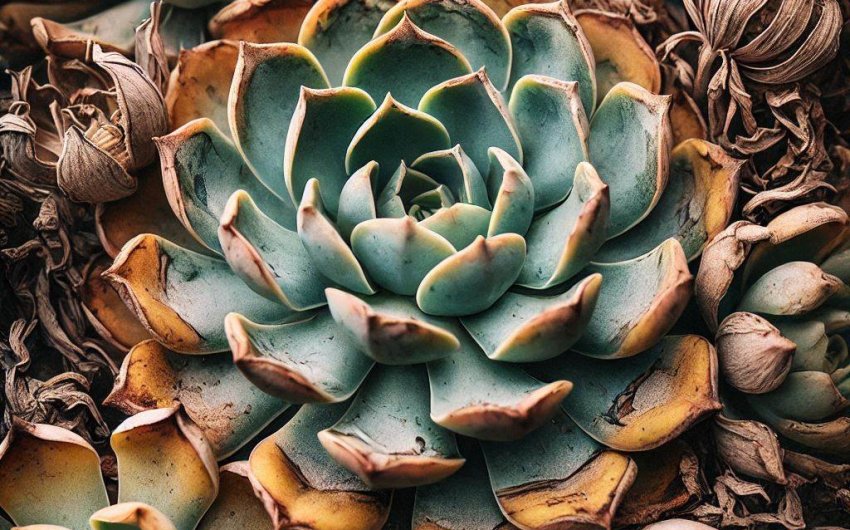
Witnessing your beloved succulent decline can be disheartening, especially when the issue progresses from the base upwards. Understanding why your succulents are dying from the bottom up is crucial for diagnosing and rectifying the problem, safeguarding the rest of your plant collection. This specific pattern of deterioration usually points to distinct issues related to moisture, light, or root health, signaling a need for immediate intervention to prevent total plant loss. This guide will explore the common culprits behind this peculiar decline and offer practical solutions for successful recovery.
Why are my succulents dying from the bottom up? Understanding the common causes.
When your succulents are dying from the bottom up, it's a clear signal that something specific is going wrong at the base of the plant or in its root system. This pattern of decline often points to issues related to water, soil, or light that compromise the plant's ability to thrive. Unlike general wilting or top-down decay, bottom-up dying usually indicates a foundational problem.
Here are the most common causes when your succulents are dying from the bottom up:
1. Overwatering (The Most Common Culprit)
- Problem: Succulents store water in their leaves and stems and are highly adapted to arid conditions. They are far more sensitive to too much water than too little. When the soil stays wet for too long, the roots essentially "drown" due to lack of oxygen.
- How it causes bottom-up death: The roots are the first to suffer from overwatering. As they rot, they lose their ability to absorb water and nutrients. The lower leaves, being the oldest and closest to the compromised root system, are the first to show symptoms. They absorb too much water in an attempt to compensate for the dying roots, becoming mushy and translucent, then rotting away. This rot can then spread up the stem.
- Symptoms:
- Lower leaves turning yellow, translucent, or black.
- Leaves becoming mushy and soft to the touch (not firm).
- Leaves falling off easily at a gentle touch.
- A foul, rotten smell coming from the soil or plant base.
- The stem turning black and mushy at the soil line.
2. Root Rot (A Direct Consequence of Overwatering)
- Problem: This is what happens when overwatering persists. Fungi and bacteria thrive in soggy, anaerobic (oxygen-lacking) conditions. They attack and break down the succulent's roots, turning them to mush.
- How it causes bottom-up death: As roots rot, they can no longer transport water and nutrients to the rest of the plant. The rot then travels up the stem, starting from the roots, and affecting the lower leaves first as the plant slowly dies from the base upwards.
- Symptoms: Same as severe overwatering (mushy, yellowing/blackening lower leaves, mushy stem, foul smell). Often, by the time symptoms are visible on leaves, the root rot is already advanced.
3. Inadequate Drainage
- Problem: Even if you water correctly, if your pot doesn't have drainage holes, or if the potting mix is too dense and heavy, water will sit around the roots for too long.
- How it causes bottom-up death: Leads directly to overwatering and root rot, causing the plant to decline from the base upwards.
- Symptoms: Similar to overwatering and root rot. You might notice water pooling in the pot or taking a very long time to dry.
4. Lack of Adequate Sunlight
- Problem: While succulents are known for being drought-tolerant, they also need plenty of bright light. In insufficient light, succulents become "etiolated" or "leggy" (stretching for light, with weak, elongated stems and widely spaced leaves).
- How it causes bottom-up death: When a succulent is severely light-starved, it becomes weak and more susceptible to various issues, including overwatering (because it uses water much slower without adequate light). Over time, the lowest leaves may yellow and shrivel as the plant tries to conserve energy or shed inefficient older leaves that aren't getting enough light. While less common to cause mushy rot directly, it weakens the plant to the point where other issues become fatal.
- Symptoms:
- Elongated, stretched stems with wide gaps between leaves.
- Pale green color rather than vibrant hues.
- Lower leaves yellowing and potentially shriveling (sometimes from natural shedding, but excessive is a concern).
- Increased susceptibility to fungal diseases.
5. Natural Leaf Senescence (Normal Shedding)
- Problem: This is a natural, harmless process. Succulents, like many plants, periodically shed their oldest, lowest leaves as they grow new ones from the top.
- How it causes bottom-up "death": The lowest leaves dry up, shrivel, and fall off naturally. The stem beneath them usually remains firm and healthy.
- Symptoms:
- Lower leaves slowly turning yellow, then brown, then dry and crispy (not mushy).
- Leaves shriveling from the tips inward.
- The stem beneath the shedding leaves remains firm and healthy.
- New growth is evident at the top of the plant.
- Distinguishing from Rot: This is crucial. Natural shedding is dry and gradual. Rot is mushy, quick, and the stem usually feels soft.
By learning to differentiate between these causes, particularly between normal shedding and insidious rot, you can accurately diagnose why your succulents are dying from the bottom up and take appropriate, timely action to save them.
How do I prevent overwatering and root rot in succulents?
Overwatering and root rot are the leading causes when your succulents are dying from the bottom up. Preventing these issues is paramount for long-term succulent health. It involves a combination of careful watering techniques, proper soil, and the right pot.
Here’s how to prevent overwatering and root rot:
1. Use a Well-Draining Potting Mix
- Avoid Regular Potting Soil: Standard potting soil is designed to retain moisture, which is the opposite of what succulents need.
- Choose a Succulent-Specific Mix: Use a succulent and cactus potting mix that is fast-draining and gritty.
- DIY Mix: You can create your own excellent mix by combining:
- 50% standard potting mix
- 50% inorganic amendments like perlite, pumice, or coarse sand (not play sand, which is too fine and can compact).
- Why it works: This gritty mix allows water to drain rapidly and ensures excellent airflow around the roots, preventing them from sitting in soggy conditions.
2. Choose Pots with Drainage Holes
- Non-Negotiable: Every pot for a succulent must have at least one drainage hole at the bottom. Without proper drainage, water has nowhere to go, leading to saturated soil and inevitable root rot.
- Material Matters:
- Terra Cotta Pots: Unglazed terra cotta pots are highly recommended. Their porous nature allows excess moisture to evaporate through the sides of the pot, helping the soil dry out faster.
- Plastic/Glazed Ceramic: If using these, ensure they have sufficient drainage holes and be extra cautious with watering, as they retain moisture more.
- Avoid Cachepots (with water): If you use a decorative pot without drainage (a cachepot), never let the inner pot sit in collected water. Empty the cachepot immediately after watering.
3. Master the "Thirsty" Test for Watering
- Wait Until Soil is Bone Dry: Only water your succulent when the soil is completely dry. Stick your finger deep into the pot (2-3 inches or even to the bottom for smaller pots). If it feels damp at all, wait. For new succulents, aim for a week or two between waterings, but adapt to your environment.
- Observe Plant Signs: Look for subtle signs of thirst from the succulent itself:
- Slightly wrinkled or deflated leaves.
- Leaves feeling less plump or firm.
- When in Doubt, Don't Water: It's always better to underwater succulents than to overwater. They are far more forgiving of drought.
4. Water Thoroughly, But Infrequently
- Soak Method: When it's time to water, water thoroughly until you see water draining from the bottom of the pot. This ensures the entire root ball gets hydrated.
- Avoid Dribbling: Don't just give a small "dribble" of water, as this can encourage shallow root growth.
- Empty Saucer: Always discard any excess water that collects in the saucer within 15-30 minutes. Do not let the pot sit in standing water.
5. Consider Pot Size
- Don't Overpot: Avoid planting small succulents in oversized pots. A large pot holds more soil, which means more moisture, and it will take much longer for the soil to dry out, increasing the risk of root rot. Choose a pot that is only slightly larger than the succulent's root ball.
6. Provide Adequate Light
- Indirect Link: While not directly about watering, providing enough bright light for your succulent means it will grow more vigorously and use water more efficiently. Weak, leggy plants in low light use less water and are more susceptible to overwatering.
By diligently following these preventative measures, you will effectively avoid overwatering and root rot, ensuring your succulents thrive and don't end up dying from the bottom up.
How do I revive a succulent showing signs of root rot?
If your succulents are dying from the bottom up with mushy, yellowing leaves and a soft stem, it's highly likely you're dealing with root rot. This is an emergency, but often, with swift action, you can still save your beloved plant. The key is immediate intervention to stop the rot from spreading.
Here’s a step-by-step guide to reviving a succulent with root rot:
1. Act Quickly and Unpot the Plant
- Immediate Action: The moment you suspect root rot (mushy leaves, soft stem, foul smell), unpot the succulent immediately. Do not water it again.
- Remove from Pot: Gently remove the succulent from its pot. If the soil is very wet, it might slide out easily. Be careful not to damage any healthy roots that might remain.
- Discard Old Soil: Dispose of the old, potentially contaminated soil. Do not reuse it, as it may harbor fungi or bacteria that caused the rot.
2. Inspect and Prune the Roots
- Clean Roots: Gently shake off as much of the old potting mix as possible from the root ball. You can use a soft brush or even gently rinse the roots under a very gentle stream of cool water to get a clearer view.
- Identify Rot: Healthy succulent roots are typically firm, light-colored (white, tan, sometimes even pinkish). Rotted roots will be black, dark brown, mushy, slimy, or completely shriveled and dry.
- Prune Ruthlessly: Using clean, sharp pruning snips or a sharp knife (sterilize with rubbing alcohol between cuts), cut away all affected roots. Trim back until you only see firm, healthy tissue. If the main stem is also black and mushy, you'll need to cut higher up the stem until you reach clean, healthy, green tissue (this becomes a "beheading" and propagation process).
3. Dry and Callus (Crucial Step)
- Air Dry: This step is vital to allow any cuts on the roots or stem to heal and form a callus. Place the unpotted succulent (after root pruning) in a dry, well-ventilated area with bright, indirect light. Do not put it in direct sun.
- Duration: Let it air dry for several days to a week, or even longer for larger plants or if you had to cut into the main stem. The cuts should look dry and hardened, not raw. This prevents remaining rot from spreading when repotted.
4. Repot in Fresh, Well-Draining Mix
- Clean Pot: Use a clean pot with drainage holes. If reusing the old pot, sterilize it thoroughly with a 10% bleach solution and rinse well.
- New Soil: Use a fresh, sterile, fast-draining succulent and cactus potting mix.
- Repot: Place the succulent in the new pot, ensuring its base is at the same level as it was before. Backfill with the fresh mix, gently firming it around the roots.
5. Resume Watering with Extreme Caution
- Delay Watering: After repotting, do not water immediately. Wait at least 3-7 days (or even 1-2 weeks if the plant was severely rotted or beheaded) to allow the plant to settle and grow some new feeder roots. Watering too soon can reintroduce rot.
- Gradual Reintroduction: When you do water, do so lightly initially, then gradually return to your deep, infrequent watering schedule only when the soil is completely dry.
6. Provide Optimal Conditions for Recovery
- Bright, Indirect Light: Place the recovering succulent in a spot with plenty of bright, indirect light. This provides energy for recovery but avoids further stress from intense sun.
- Patience: Recovery can take time. Don't expect instant miracles. New growth is a sign of success.
By following these emergency steps, you significantly increase your chances of reviving a succulent that is dying from the bottom up due to root rot, demonstrating that early detection and aggressive intervention can save your plant.
How do I ensure proper lighting for succulents to prevent etiolation?
Proper lighting is foundational for healthy succulent growth and plays an indirect role in preventing them from dying from the bottom up due to associated weakness or overwatering. When succulents don't get enough light, they become "etiolated" – stretched out and pale – a common problem that weakens the plant and makes it more vulnerable. Ensuring proper lighting is key to vibrant, compact growth.
Here’s how to ensure proper lighting for succulents:
1. Provide Abundant Bright Light
- Full Sun (Generally): Most succulents, especially those with compact rosettes, bright colors, or a powdery "farina" coating, need at least 6 hours of direct sunlight per day. In their natural habitats, they receive intense, unfiltered sun.
- Brightest Possible Location: Indoors, this typically means a south-facing window (in the Northern Hemisphere). A west-facing window can also work, but watch for scorching afternoon sun in hot climates. East-facing windows provide good morning sun, but some succulents might need even more. North-facing windows usually do not provide enough light for most succulents to thrive long-term.
- Gradual Acclimation: If moving a succulent from a low-light spot to a very sunny one, do so gradually over 1-2 weeks to prevent sunburn. Start with a few hours of direct sun, increasing daily.
2. Recognize Signs of Insufficient Light (Etiolation)
- Stretching (Legginess): The most obvious sign. The stem elongates, and the leaves become widely spaced, often pointing downwards, as the plant "stretches" to find light.
- Pale or Dull Color: Leaves lose their vibrant hues (pinks, reds, purples) and turn a dull, often pale green.
- Weak Growth: The plant appears flimsy and soft, not compact and firm.
- Smaller, Thinner Leaves: New leaves may be smaller and thinner than older ones.
- Increased Vulnerability: Etiolated succulents are weaker, making them more susceptible to root rot (as they use less water) and other diseases.
3. Supplement with Grow Lights
- When to Use: If you don't have enough natural light, especially during winter months, or live in a perpetually cloudy climate, a grow light is essential to prevent etiolation.
- Type of Light:
- Full-Spectrum LED Grow Lights: These are energy-efficient and provide the full spectrum of light that plants need.
- Fluorescent Grow Lights (T5 or T8): Also effective and affordable.
- Placement: Position the grow light close to your succulents, typically 4-12 inches above the plant, depending on the light's intensity. Too far away, and it's ineffective.
- Duration: Provide 12-16 hours of light per day. Use a timer for consistency.
4. Rotate Your Plants
- Even Growth: If light is coming from a single direction (e.g., a window), rotate your succulent pots every few days or weekly. This ensures all sides of the plant receive adequate light, promoting even, symmetrical growth and preventing one-sided stretching.
5. Consider Outdoor Placement (Seasonally)
- Summer Outdoors: If possible, move your succulents outdoors during the warmer months (after all danger of frost) to a spot with bright, direct morning sun and afternoon shade, or full sun (acclimated gradually). The natural light outdoors is far more intense and beneficial than indoor light.
- Bring Indoors for Winter: Move them back indoors before the first frost.
By proactively providing abundant light and recognizing the early signs of etiolation, you empower your succulents to grow strong, healthy, and vibrant, making them far more resilient and less prone to the problems that can lead to them dying from the bottom up.
What is natural leaf senescence and how do I distinguish it from problems?
When your succulents are dying from the bottom up, it's natural to worry. However, not all shedding of lower leaves is a sign of a problem. Understanding natural leaf senescence – the normal aging and shedding of old leaves – is crucial for accurate diagnosis and to avoid unnecessary panic or intervention. Distinguishing this natural process from concerning issues like rot is key to proper succulent care.
What is Natural Leaf Senescence?
- Normal Process: Natural leaf senescence is simply the plant's way of shedding its oldest, lowest leaves as it grows new ones from the top. It's a healthy, continuous part of a succulent's life cycle.
- Energy Conservation: As a succulent grows, its lowest leaves are the oldest. The plant reabsorbs nutrients and moisture from these older leaves to fuel new growth at the top. Once depleted, the old leaves dry up and are shed.
- Stem Formation: For many rosette-forming succulents (like Echeveria), this process gradually forms a "stem" as the plant matures, revealing the woody base beneath the leaves.
How to Identify Natural Leaf Senescence:
Look for these key characteristics to distinguish natural shedding from a problem:
- Appearance:
- Dry and Crispy: The dying leaves will slowly turn yellow, then brown, then become dry, thin, and crispy, resembling dried autumn leaves. They will NOT be mushy, translucent, or black.
- Wrinkled, Not Swollen: They will appear to be shriveling and wrinkling as they lose moisture, not swelling up with excess water.
- Gradual Change: The process is slow and gradual, not a sudden decline.
- Texture: The leaves will feel dry and brittle, easily crumbling when touched. They will not feel soft, mushy, or slimy.
- Stem Health: The stem underneath the shedding leaves will remain firm and healthy-looking. It will not be discolored, mushy, or have any foul odor.
- New Growth: There will be active, healthy new growth appearing at the top or center of the plant. The plant will generally look vibrant and well otherwise.
- Number of Leaves: Only a few (1-3) of the very lowest leaves will be affected at any given time, not a large section of the plant.
How to Distinguish Natural Senescence from Overwatering/Rot:
This comparison table highlights the critical differences:
| Feature | Natural Leaf Senescence | Overwatering / Root Rot |
|---|---|---|
| Affected Leaves | Lowest, oldest leaves | Often lower leaves first, but can spread rapidly up the stem. |
| Appearance | Yellow -> Brown -> Dry -> Crispy; wrinkled, shriveled. | Yellow -> Translucent -> Black; mushy, soft, swollen, slimy. |
| Texture | Dry, brittle, easily crumbles | Soft, mushy, squishy |
| Odor | None, or slight earthy smell | Foul, rotten, musty smell |
| Stem Health | Firm, healthy | Soft, black, mushy at or above soil line |
| Progression | Slow, gradual, few leaves at a time | Often rapid, spreads quickly |
| New Growth | Healthy new growth at top is visible | New growth may be absent, stunted, or dying back |
What to Do:
- For Natural Senescence: No intervention is needed. Simply wait for the leaves to dry completely, then gently pull them off the stem. This cleans up the plant and prevents any potential hiding spots for pests.
- For Overwatering/Rot: Immediate action is required (refer to the "How do I revive a succulent showing signs of root rot?" section).
By clearly understanding these differences, you'll avoid misdiagnosing a healthy process as a problem, allowing you to correctly address true issues when your succulents are dying from the bottom up, while leaving happy, naturally shedding plants alone.