
How to Get Rid of Spider Mites on Indoor Plants?
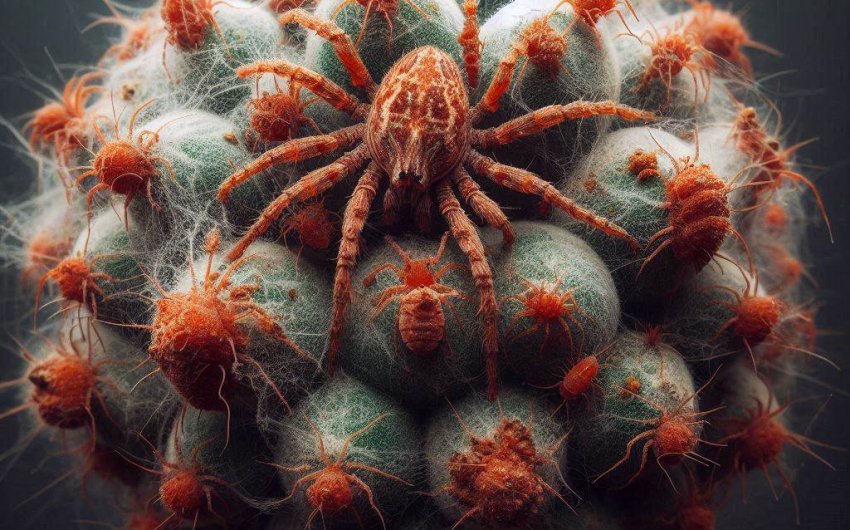
Learning how to get rid of spider mites on indoor plants is a crucial skill for any plant enthusiast, as these tiny pests can quickly devastate your beloved green companions. Spider mites are common adversaries, thriving in dry conditions and multiplying rapidly, making early detection and consistent treatment vital for saving your houseplants. Understanding their behavior and applying the right methods will ensure your plants remain healthy and vibrant.
What Are Spider Mites and Why Are They a Problem?
Spider mites are microscopic pests that can wreak havoc on indoor plants, often going unnoticed until significant damage has occurred. Understanding what they are and how they operate is the first step in effectively combating them and protecting your cherished houseplants.
What Exactly Are Spider Mites?
Despite their name, spider mites are not insects; they are actually tiny arachnids, more closely related to spiders and ticks. They are incredibly small, often less than 1 millimeter in size, making them difficult to spot with the naked eye until an infestation is well underway.
- Appearance: Adult spider mites can be reddish-brown, green, or yellow, and some have two dark spots on their backs (hence the common name "two-spotted spider mite"). They have eight legs. Their eggs are clear or pale.
- Webbing: A tell-tale sign of a spider mite infestation is fine, silken webbing, often found on the undersides of leaves, in leaf axils (where the leaf meets the stem), or across the plant's branches. This webbing protects them from predators and environmental factors.
- Life Cycle: Spider mites have a very rapid life cycle, especially in warm, dry conditions. A single female can lay hundreds of eggs, and a new generation can hatch and mature in as little as 5-7 days. This quick reproduction rate is why infestations can escalate so rapidly.
How Do Spider Mites Harm Plants?
Spider mites are sap-sucking pests, meaning they feed by piercing plant cells and sucking out the chlorophyll and nutrients. This feeding activity causes noticeable damage to the plant, weakening it over time.
- Stippling: The first visible sign of damage is usually tiny, pin-prick sized yellow or white dots on the upper surface of the leaves. This is called stippling and occurs where the mites have extracted chlorophyll.
- Discoloration and Browning: As feeding continues, the stippling worsens, leading to a general yellowing, bronzing, or browning of the leaves. The leaves may eventually dry out and drop off.
- Webbing Accumulation: In severe infestations, the fine webbing becomes more pronounced, encasing leaves and stems. This webbing can restrict photosynthesis and further weaken the plant.
- Stunted Growth and Plant Death: If left untreated, spider mite infestations can significantly stunt a plant's growth, lead to extensive leaf drop, and eventually cause the plant to die. They weaken the plant's ability to produce food, making it more vulnerable to other stresses.
How Can I Identify Spider Mites on My Indoor Plants?
Early detection is critical when dealing with spider mites, as it allows for quicker and more effective treatment before the infestation becomes severe. These small pests are masters of disguise, but knowing what to look for can help you spot them early.
What Are the Visible Signs of an Infestation?
While individual spider mites are hard to see, they leave behind characteristic clues that indicate their presence. Learning to recognize these signs can help you catch infestations early.
- Fine Webbing: This is the most distinctive sign. Look for delicate, silky strands, especially between leaf veins, in the crooks of stems, or spanning across leaves. It looks similar to a tiny spider's web.
- Tiny Spots (Stippling): Examine the upper surface of leaves for very small, pin-prick sized yellow, white, or silvery dots. This stippling is where the mites have damaged cells to feed. As damage increases, these spots may merge, causing larger discolored patches.
- Specks on Leaves: If you look closely, especially on the undersides of leaves, you might see tiny moving specks. These are the spider mites themselves. They can be red, brown, or light-colored, depending on the species.
- Dusty Appearance: Infested leaves might look generally dull or dusty due to the accumulation of mites, shed skins, and fine webbing.
What Is the "White Paper Test"?
The "white paper test" is a simple yet highly effective method for confirming the presence of spider mites, especially when you suspect an infestation but can't quite see the pests themselves.
- How to Perform:
- Place a clean sheet of white paper directly under the suspected plant leaf or stem.
- Gently tap or shake the leaf/stem vigorously over the paper.
- Inspect the paper carefully.
- What to Look For: If spider mites are present, tiny, moving specks will fall onto the paper. If you smudge these specks, they will often leave a reddish or brownish streak, confirming they are spider mites. This test helps you see them against a contrasting background.
What Are the First Steps to Take After Detection?
Once you've confirmed a spider mite infestation, taking immediate and decisive action is crucial to prevent them from spreading and to begin the process of eradication. These initial steps focus on containment and preparation.
Isolate the Infected Plant
Isolation is the most critical first step to protect your other houseplants from becoming infested. Spider mites can easily spread from one plant to another.
- Move the Plant: Carefully move the infested plant away from all other houseplants. Place it in a separate room, a bathroom, or an area where it won't have contact with healthy plants.
- Clean the Area: Thoroughly clean the surface where the infected plant was sitting and any nearby surfaces that might have come into contact with it. Use a damp cloth with a mild soap solution or an all-purpose cleaner.
Rinse the Plant Thoroughly
A strong spray of water is an incredibly effective physical removal method and often the first line of defense against spider mites. This helps dislodge a large portion of the adult mites, nymphs, and eggs.
- Use a Strong Stream: Take the isolated plant to a sink, shower, or outdoors. Use a strong, steady stream of water to rinse all parts of the plant, focusing on the undersides of leaves where mites typically reside.
- Be Thorough: Ensure you get into all crevices and leaf axils. You can use a plant mister with a strong stream or even your shower head.
- Repeat as Needed: This initial rinse is a crucial step but often not enough on its own. You'll likely need to repeat this rinsing daily or every other day as part of your treatment plan.
Trim Severely Damaged Leaves
Removing heavily infested or severely damaged leaves can reduce the overall pest population on the plant and help the plant focus its energy on new growth.
- Identify Damaged Areas: Look for leaves that are heavily stippled, yellowed, browned, or covered in dense webbing.
- Use Clean Pruners: Use clean, sharp pruning shears to carefully cut off these leaves.
- Dispose Properly: Immediately discard the removed leaves in a sealed bag to prevent mites from escaping and spreading. Do not compost them.
What Are Effective DIY and Organic Treatment Methods?
For homeowners preferring natural and less harsh solutions, several effective DIY and organic methods can successfully control and eliminate spider mite infestations on indoor plants. These options are generally safer for your plants, pets, and family.
Neem Oil Spray
Neem oil is a popular organic pesticide derived from the neem tree. It works in multiple ways to disrupt the life cycle of spider mites without harming beneficial insects or mammals.
- How it Works: Neem oil acts as an antifeedant, growth disruptor, and repellent. It messes with the mites' hormones, preventing them from maturing and reproducing. It also suffocates them on contact.
- Preparation: Mix 1-2 teaspoons of 100% cold-pressed neem oil concentrate with 1 teaspoon of mild liquid dish soap (as an emulsifier) per liter of warm water. Shake the mixture well before each use, as the oil and water can separate.
- Application:
- Thorough Coverage: Liberally spray the entire plant, focusing heavily on the undersides of leaves, stems, and any visible webbing. Ensure complete coverage until the plant is dripping wet.
- Frequency: Apply every 5-7 days for at least 2-4 weeks, or until all signs of mites are gone. Consistency is key due to the mites' rapid life cycle.
- Patch Test: Always do a patch test on a small, inconspicuous leaf first to ensure your plant doesn't react negatively to the spray. Avoid applying in direct sunlight to prevent leaf burn.
Insecticidal Soap Spray
Insecticidal soap is a fast-acting organic option that works by breaking down the outer protective layer of soft-bodied insects, leading to dehydration and death. It's generally safe for most plants.
- How it Works: The fatty acids in the soap dissolve the waxy cuticle of the mites, causing them to dry out and die. It only works on contact, so thorough coverage is essential.
- Preparation: You can purchase a ready-to-use insecticidal soap spray or make your own by mixing 1-2 teaspoons of mild, unperfumed liquid dish soap (like castile soap, not detergent) per liter of water. Avoid soaps with degreasers or additives.
- Application:
- Direct Contact: Spray all affected areas of the plant, ensuring every mite-infested spot is drenched. Pay close attention to the undersides of leaves.
- Frequency: Apply every 3-5 days for at least 2 weeks. Since it only works on contact, repeated applications are necessary to catch newly hatched mites.
- Rinse After: Some plant types might be sensitive to soap residue. Consider rinsing the plant with plain water an hour or two after application if your plant seems delicate.
Rubbing Alcohol (Isopropyl Alcohol)
Rubbing alcohol is a highly effective spot treatment for small spider mite infestations or for cleaning off individual leaves. It works by dissolving the mites' outer protective layer.
- How it Works: Alcohol quickly dehydrates and kills mites on contact.
- Preparation: Mix a solution of 70% isopropyl rubbing alcohol and water. A common ratio is 1 part alcohol to 1 part water. For very sensitive plants, you can dilute it further to 1 part alcohol to 2 parts water.
- Application:
- Spot Treatment: Dip a cotton swab or a soft cloth in the solution and carefully wipe down affected leaves, stems, and any visible mites or webbing.
- Spray: For more widespread infestations, you can spray the solution onto the plant.
- Patch Test: Always perform a patch test on a small, hidden leaf and wait 24 hours to ensure there's no adverse reaction before treating the entire plant. Alcohol can sometimes burn sensitive foliage.
- Frequency: Apply every 3-5 days until the infestation is gone.
Horticultural Oil Spray
Horticultural oil (also known as mineral oil or dormant oil) is another organic pesticide that suffocates spider mites by coating their bodies and blocking their breathing pores.
- How it Works: Coats mites and eggs, effectively suffocating them. It's less persistent than neem oil and generally evaporates cleanly.
- Preparation: Purchase a ready-to-mix horticultural oil concentrate and follow the dilution instructions on the label.
- Application:
- Thorough Coverage: Spray all surfaces of the plant, especially the undersides of leaves, ensuring complete coverage.
- Frequency: Apply every 7-10 days for several weeks.
- Avoid Sensitive Plants: Some plants (e.g., those with fuzzy leaves like African Violets, or some ferns) can be sensitive to horticultural oils. Always patch test first. Avoid using on plants that are stressed or dehydrated. Do not apply when temperatures are extreme (very hot or very cold).
What About Introducing Beneficial Insects?
For persistent or recurring spider mite problems, or for those seeking a truly ecological approach, introducing beneficial insects can be an excellent long-term solution. These natural predators are specialized in hunting and feeding on spider mites.
Predatory Mites (Phytoseiulus persimilis)
Predatory mites are tiny, fast-moving mites that specifically prey on spider mites. They are a popular biological control agent for both indoor and greenhouse settings.
- How They Work: Phytoseiulus persimilis (often shortened to "P. persimilis") are larger and more active than spider mites, and typically bright orange or reddish. They aggressively hunt down and consume spider mites in all life stages (eggs, nymphs, and adults). They reproduce quickly and can effectively decimate a spider mite population.
- Application: Predatory mites are usually purchased online from biological control suppliers. They come mixed with a carrier material (like vermiculite or sawdust) in bottles or sachets. You simply sprinkle or distribute the contents onto the infested plants.
- Conditions for Success:
- Temperature and Humidity: They prefer warmer temperatures (68-80°F or 20-27°C) and higher humidity (above 60%) to be most effective.
- No Pesticides: You must avoid using chemical pesticides (even organic sprays) for several weeks before and during the release of predatory mites, as they will kill the beneficial insects.
- Timing: Release them early in an infestation for best results. For severe infestations, you might need multiple releases or combine them with initial physical removal.
- Benefits: Provides a long-term, self-sustaining solution if conditions are favorable. They are safe for plants, humans, and pets.
- Considerations: Can be more expensive than sprays for initial purchase. They may die off once their food source (spider mites) is depleted, requiring reintroduction for new infestations.
How Can I Prevent Future Spider Mite Infestations?
Prevention is always better than cure, especially when it comes to pests like spider mites. By implementing a few simple cultural practices and maintaining a vigilant eye, you can significantly reduce the likelihood of future infestations on your indoor plants.
Increase Humidity Around Plants
Spider mites thrive in dry, warm conditions. Increasing humidity is one of the most effective non-chemical ways to deter them.
- Misting: Regularly mist your plants, especially the undersides of leaves, with clean water. Do this daily or even twice daily. A fine mist sprayer works best. While misting doesn't kill existing mites, it makes the environment less hospitable for them and can dislodge some.
- Pebble Trays: Place plant pots on trays filled with pebbles and water. As the water evaporates, it increases localized humidity around the plant. Ensure the bottom of the pot doesn't sit directly in the water to prevent root rot.
- Humidifier: For very dry homes, especially during winter when heating systems are on, using a room humidifier near your plants can make a significant difference.
- Grouping Plants: Grouping plants together can create a microclimate with slightly higher humidity as plants release moisture through transpiration.
Regular Inspection and Cleaning
Consistent vigilance and good plant hygiene are your best tools for early detection and prevention.
- Weekly Checks: Make it a habit to inspect your plants thoroughly once a week. Pay close attention to the undersides of leaves, new growth, and leaf axils. Use the white paper test if you suspect anything.
- Dust Removal: Dust accumulating on leaves can create a favorable environment for spider mites and also hinder photosynthesis. Gently wipe down leaves with a damp cloth every few weeks to keep them clean.
- Quarantine New Plants: Before introducing any new plant to your collection, isolate it for at least 2-4 weeks. During this time, inspect it daily for any signs of pests (not just spider mites) to ensure it's pest-free before mingling with your existing plants. A small quarantine shelf can be useful.
Proper Watering and Fertilization
Healthy plants are more resilient to pest attacks. Providing proper care strengthens your plant's natural defenses.
- Appropriate Watering: Ensure your plants are watered correctly for their species. Over-watering can lead to root rot and weaken a plant, making it more susceptible to pests. Under-watering, on the other hand, can stress a plant, making it more vulnerable to spider mites that prefer dry conditions.
- Balanced Fertilization: Fertilize your plants according to their needs and the growing season. Over-fertilizing, especially with nitrogen, can promote lush, soft growth that spider mites find appealing. A balanced houseplant fertilizer used at the correct dilution is best.
- Good Air Circulation: Ensure your plants have good air circulation around them. Stagnant air, combined with warmth, can create ideal conditions for spider mites. Avoid overcrowding plants.
Keep Tools and Pots Clean
Pests can hitchhike on dirty tools and pots, inadvertently spreading infestations from one plant to another.
- Sanitize Tools: Always clean your pruning shears or other gardening tools between plants, especially after using them on an infested plant. Wiping them with rubbing alcohol is effective.
- Clean Pots: Reuse old pots only after thoroughly cleaning and sanitizing them. A solution of 1 part bleach to 9 parts water can be used for sanitization, followed by a good rinse.
By consistently applying these methods, you'll master how to get rid of spider mites on indoor plants, keeping your green collection thriving and free from these troublesome arachnids.