
How to Keep Pests Away During Spring Gardening?
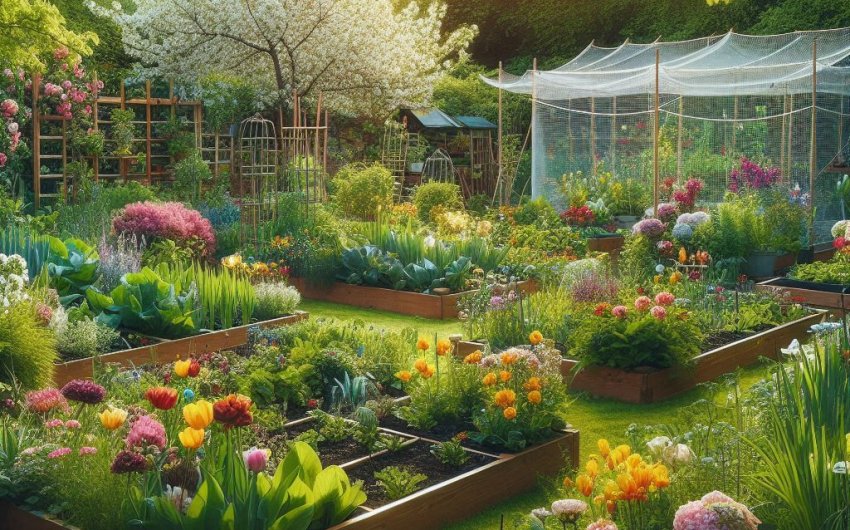
As the weather warms and new growth emerges, so too do the myriad of garden invaders ready to feast on your tender plants. Understanding how to keep pests away during spring gardening is a critical skill for any successful grower, safeguarding your efforts and ensuring a bountiful harvest. This comprehensive guide will equip you with effective, eco-friendly strategies to deter common garden pests before they can wreak havoc on your burgeoning plants.
Why Do Pests Emerge in Spring?
The arrival of spring signals a rebirth in the garden, but it also marks the awakening of numerous insect and animal pests. Understanding why they emerge and become active during this season is the first step in developing effective preventative strategies. The combination of favorable conditions and abundant food sources makes spring a prime time for pest activity.
What Conditions Attract Pests in Spring?
Several environmental and biological factors converge in spring to create an ideal environment for pests.
- Rising Temperatures: As temperatures consistently rise after winter's chill, many insects emerge from dormancy (overwintering as eggs, larvae, pupae, or adults in soil, leaf litter, or sheltered spots). Their metabolic rates increase, and they become active, seeking food and mates.
- New Plant Growth: Spring offers a flush of tender, new plant growth that is particularly appealing to many pests. Young leaves and stems are soft, succulent, and rich in nutrients, providing an easy food source compared to hardened mature foliage.
- Increased Moisture: Spring often brings increased rainfall, which can create humid conditions that favor certain pests (like slugs and snails) and fungal diseases that can weaken plants, making them more susceptible to pest attack.
- Reduced Natural Predators (Early Spring): Beneficial insects (predators and parasites of garden pests) often emerge later in the spring than their pest counterparts. This gives pests a head start in reproduction before their natural enemies are fully active.
- Rapid Reproduction: Many common garden pests (e.g., aphids) have short lifecycles and can reproduce rapidly, leading to quick population explosions if not controlled early.
- Habitat: Gardens offer an abundant supply of food, water, and shelter, making them attractive homes for a wide range of insects and animals.
What are Common Spring Garden Pests?
Knowing your enemy is crucial for effective defense. Here are some of the most common pests you'll likely encounter in your spring garden:
- Aphids: Small, soft-bodied insects, often green, black, or brown, that cluster on new growth. They suck plant sap, causing distorted leaves, stunted growth, and sticky honeydew (which can lead to sooty mold). A magnifying glass for gardening can help identify them.
- Slugs and Snails: Mollusks that leave shiny slime trails. They chew irregular holes in leaves, especially on young seedlings and leafy greens. Most active at night or on damp, cloudy days.
- Cabbage Worms/Loopers: Green caterpillars (larvae of white cabbage butterflies and moths) that chew large holes in brassicas (cabbage, broccoli, kale) and other leafy greens.
- Cutworms: Grey-brown caterpillars that hide in the soil during the day and come out at night to sever young seedlings at the stem base, often completely toppling the plant.
- Flea Beetles: Tiny, jumping beetles that chew numerous small, round holes (shotgun-like damage) in leaves, especially on brassicas, eggplant, and peppers.
- Squash Bugs: Greyish-brown, shield-shaped bugs that suck sap from squash, pumpkins, and melons, causing leaves to yellow, wilt, and eventually die.
- Spider Mites: Tiny arachnids, almost invisible, that cause stippling (tiny dots) on leaves and fine webbing. They thrive in hot, dry conditions.
- Earwigs: Dark brown, elongated insects with pincers at the rear. They can chew holes in leaves and flowers, especially on dahlias and zinnias, but also eat aphids.
- Grubs (Larvae of Beetles): White, C-shaped larvae that live in the soil and feed on grass roots, causing brown patches in lawns. They can also damage vegetable garden roots.
- Rabbits, Deer, and Squirrels: Larger animal pests that can decimate young plants overnight.
How Can You Prevent Pests Organically?
The most effective and environmentally friendly approach to managing garden pests is prevention. By creating a healthy garden ecosystem and employing smart cultural practices, you can deter pests before they become a problem, minimizing the need for interventions.
Healthy Soil and Plant Selection
A strong plant starts with strong roots and good genetics.
- Build Healthy Soil: Rich, living soil teeming with beneficial microbes is the foundation of resilient plants. Healthy soil leads to healthy plants that are naturally more resistant to pest and disease attacks.
- Amend with Compost: Regularly incorporate ample amounts of organic compost into your garden beds. Compost improves soil structure, drainage, water retention, and provides slow-release nutrients.
- Avoid Chemical Fertilizers: Harsh synthetic fertilizers can sometimes promote rapid, tender growth that is more attractive to sap-sucking insects like aphids. Opt for organic fertilizers that provide balanced nutrition. A slow-release organic fertilizer is ideal.
- Choose Disease and Pest-Resistant Varieties: Many plant varieties are bred for natural resistance to common pests and diseases. Read seed packets and plant tags carefully.
- Example: Some squash varieties are resistant to squash vine borers, or certain bean varieties resist bean weevils.
- Select Strong Seedlings: Start with healthy, vigorous seedlings that are free of pests and diseases. Inspect plants carefully at the nursery before bringing them home.
Cultural Practices
Everyday gardening habits can make a big difference in pest management.
- Crop Rotation: Don't plant the same crop (or related crops) in the same spot year after year. Pests specific to certain crops can build up in the soil. Rotate vegetables to different areas of your garden each season to break pest cycles.
- Proper Watering: Water deeply and less frequently to encourage strong root systems. Avoid overhead watering in the evening, which can create humid conditions favoring certain pests (like slugs) and diseases that weaken plants. Use a soaker hose system for efficient watering.
- Good Air Circulation: Space plants appropriately according to their mature size. Overcrowding can lead to stagnant, humid conditions that favor some pests (like spider mites) and diseases. Prune dense foliage to improve airflow.
- Weed Control: Weeds compete with your plants for nutrients and water, stressing them. They can also act as host plants for pests. Keep your garden beds weed-free. A garden hoe or a hand weeder are great tools.
- Sanitation/Cleanliness: Remove plant debris, fallen leaves, and diseased plants from the garden. These can harbor overwintering pests or disease spores.
- Timely Planting: Plant at the optimal time for your region. Very early or very late planting can sometimes allow plants to establish before pests are fully active, or help them mature past their most vulnerable stage.
Companion Planting
Using plants to protect other plants is a time-honored organic strategy.
- Pest Repellents: Certain plants naturally repel specific pests.
- Marigolds (Tagetes spp.): Repel nematodes (root-knot worms) in the soil and some insects above ground. Plant marigold seeds around susceptible vegetables.
- Nasturtiums: Can act as a "trap crop" for aphids, drawing them away from more valuable plants. They are also edible.
- Herbs: Strong-smelling herbs like basil (deters flies, some beetles), rosemary (repels cabbage moths, carrot rust fly), mint (can deter aphids, slugs – plant in pots as it spreads aggressively), and chives (repel aphids, carrot rust fly) can confuse pests.
- Garlic and Onions: Repel aphids, slugs, and onion maggots.
- Attract Beneficial Insects: Some plants attract predatory insects that prey on garden pests.
- Dill, Fennel, Cilantro, Parsley (when flowering): Attract lacewings, ladybugs, and parasitic wasps, which feed on aphids and other soft-bodied pests.
- Cosmos, Sunflowers, Sweet Alyssum: Attract a wide range of beneficial insects.
- Consider planting a "beneficial insect mix" of flower seeds near your vegetables.
How Can You Use Physical Barriers Against Pests?
Sometimes, the simplest solution is to physically block pests from reaching your plants. These methods are non-toxic and highly effective for many common garden invaders.
Row Covers
Lightweight fabrics that cover plants to exclude insects.
- Description: Floating row covers are made of spun-bonded polypropylene or similar materials that allow sunlight, air, and water to pass through but keep insects out.
- Uses: Excellent for protecting young seedlings from flea beetles, cabbage worms, squash bugs, and cucumber beetles. Also effective against larger pests like rabbits and deer.
- Application: Drape the fabric over plants and secure the edges with soil, rocks, or fabric garden staples. For taller plants, use garden hoops to create a tunnel.
- Timing: Apply at planting or immediately after germination. Remove when plants need pollination (for fruiting crops) or when temperatures become too hot underneath.
Fencing and Cages
For larger animal pests or climbing insects, a sturdy physical barrier is often needed.
- Fencing:
- For Rabbits: Install a garden fence that is at least 2 feet high and ideally buried 6-12 inches deep to prevent burrowing. Use chicken wire or hardware cloth with small openings.
- For Deer: Deer fences need to be significantly taller (6-8 feet) as deer can jump high.
- For Groundhogs/Woodchucks: These require sturdy fencing buried deeply, often with an outward-facing skirt to deter burrowing.
- Plant Cages: Individual cages or cloches can protect specific plants.
- Tomato Cages: While primarily for support, they can be adapted with netting to keep pests off.
- Cabbage Collars/Cutworm Collars: Create small collars (cardboard, plastic) around the base of young seedlings to prevent cutworms from severing stems.
- Netting: Fine mesh insect netting can be draped over specific plants or trellises to exclude flying insects like cabbage moths or squash vine borers.
Traps and Repellents (Non-Chemical)
Strategic use of traps can monitor pest populations and reduce their numbers.
- Sticky Traps: Yellow sticky traps attract and trap flying insects like aphids, whiteflies, and fungus gnats. Place them near susceptible plants.
- Slug Traps: Shallow dishes filled with beer (or a yeast/sugar/water solution) buried to soil level will attract and drown slugs and snails.
- Hand Picking: For larger pests like tomato hornworms, slugs, or squash bugs, simply inspecting plants regularly and hand-picking them off is highly effective. Drop them into a bucket of soapy water. A garden headlamp is useful for nighttime slug hunts.
- Diatomaceous Earth (Food Grade): A fine powder made from fossilized diatoms. When insects crawl over it, it scratches their exoskeletons, causing them to dehydrate and die.
- Uses: Effective against slugs, snails, ants, earwigs, and some crawling insects.
- Application: Sprinkle a fine layer on dry leaves or around the base of plants. Reapply after rain. Ensure it's food-grade diatomaceous earth and wear a mask to avoid inhaling the dust.
- Copper Tape: Place copper slug tape around the rims of raised beds or containers. Slugs and snails get a mild electric shock when they cross it and turn back.
How Can You Manage Pest Outbreaks Organically?
Even with the best preventative measures, pests can sometimes slip through. When an outbreak occurs, the goal is to address it quickly and effectively using organic methods that minimize harm to beneficial insects and the environment.
Encouraging Beneficial Insects
Your garden's best allies are often already present or can be attracted.
- Identify Good Bugs: Learn to recognize beneficial insects like ladybugs (both adults and larvae), lacewings, hoverflies, predatory mites, and parasitic wasps. They often look very different from pests.
- Provide Habitat: Plant a diverse array of flowers, especially those with small blooms (like dill, cilantro, sweet alyssum), which provide nectar and pollen for beneficials. Leave a small patch of "wild" area.
- Avoid Broad-Spectrum Pesticides: Even organic pesticides can harm beneficials. Use them only as a last resort and target applications carefully.
Organic Sprays and Solutions
For direct treatment of active infestations, several organic sprays can be effective.
- Insecticidal Soap:
- Description: A gentle, non-toxic spray that suffocates soft-bodied insects like aphids, spider mites, and whiteflies by disrupting their cell membranes.
- Application: Mix according to label directions (or 1-2 tablespoons of pure liquid castile soap per gallon of water). Spray thoroughly, ensuring full coverage, especially on the undersides of leaves. Reapply every 5-7 days as needed. A garden sprayer bottle works well.
- Neem Oil:
- Description: A natural extract from the neem tree that acts as an antifeedant, growth disruptor, and repellent for many insects. It's also a mild fungicide.
- Uses: Effective against aphids, spider mites, whiteflies, thrips, and some chewing insects.
- Application: Mix concentrated neem oil for plants with water and a few drops of mild soap (as an emulsifier). Spray thoroughly. Best applied in the evening to avoid harming beneficials and direct sun.
- Horticultural Oil:
- Description: Highly refined petroleum or vegetable oils that suffocate insects and mites.
- Uses: Effective against a wide range of soft-bodied pests and eggs.
- Application: Mix according to label directions. Apply thoroughly. Be careful applying in hot weather, as it can burn leaves.
- Garlic or Pepper Sprays (Homemade):
- Description: Extracts from pungent plants that can repel or deter some pests.
- Uses: Can help deter aphids, slugs, and some beetles.
- Application: Blend garlic cloves or hot peppers with water, strain, and dilute. Spray on affected plants. Effectiveness varies.
Biological Controls
Introducing beneficial organisms to control pests.
- Ladybugs: Purchase live ladybugs for gardens and release them in your garden. They are voracious predators of aphids. Release them in the evening when temperatures are cooler and water the garden first to keep them from flying away immediately.
- Praying Mantis Egg Cases: While impressive, praying mantises are generalist predators and may not target specific pests effectively.
- Beneficial Nematodes: Microscopic roundworms that attack soil-dwelling pests like cutworms, grub worms, and flea beetle larvae.
- Application: Apply living beneficial nematodes to moist soil, following package directions.
Emergency Measures for Severe Infestations
When pests are overwhelming your plants, sometimes more drastic but still organic steps are needed.
- Blast with Water: A strong stream of water can knock aphids, spider mites, and whiteflies off plants. Repeat daily until the population is reduced.
- Prune Affected Parts: For localized, severe infestations, carefully prune away and dispose of the most heavily infested leaves or stems.
- Replant: If a plant is completely decimated, sometimes it's best to remove it, destroy it, and replant with a fresh, healthy seedling, learning from the experience for next time.
By embracing a proactive, multi-faceted strategy that prioritizes prevention, organic barriers, and the encouragement of beneficial insects, you can effectively manage common garden invaders. Learning how to keep pests away during spring gardening empowers you to cultivate a healthy, vibrant garden that thrives naturally, yielding bountiful rewards without relying on harsh chemicals.