
Best Perennials to Plant in Early Spring
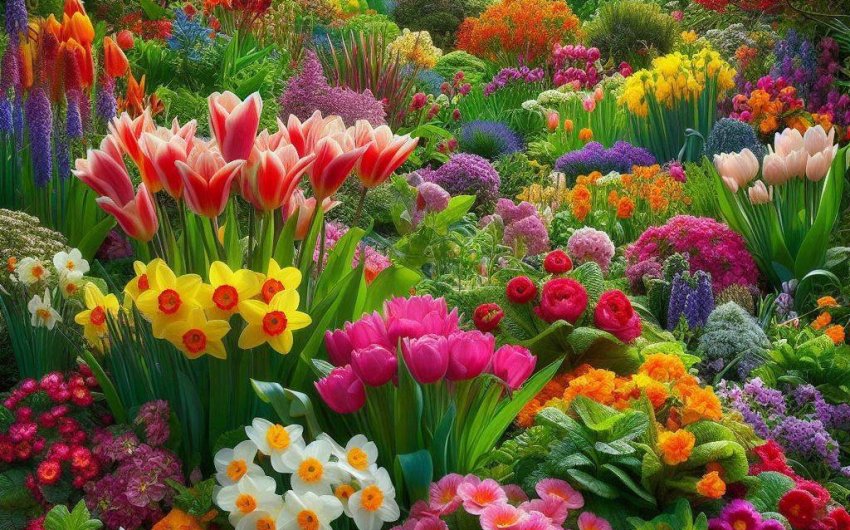
As the last remnants of winter fade, the arrival of early spring signals the perfect opportunity to invigorate your garden with long-lasting beauty. Understanding the best perennials to plant in early spring allows you to establish robust plants that will return year after year, offering vibrant blooms and lush foliage with minimal fuss. This comprehensive guide explores top choices for various garden conditions, providing inspiration and practical tips to ensure your landscape bursts into life as the temperatures rise.
Why is Early Spring the Best Time to Plant Perennials?
Early spring is often considered the optimal window for establishing new perennial plants, offering several distinct advantages that contribute to their long-term success in your garden. This timing is crucial for setting up your best perennials to plant in early spring for years of enjoyment.
- Cooler Soil Temperatures: The soil has begun to thaw and warm slightly, but it's still cool. This ideal temperature encourages strong root development before the plant needs to focus its energy on top growth and flowering. Cooler soil also reduces transplant shock.
- Adequate Moisture: Early spring typically brings ample rainfall, which helps keep the soil consistently moist after planting. This reduces the need for frequent supplemental watering, helping new roots establish without drying out.
- Less Heat Stress: Planting in early spring means plants avoid the intense heat of summer. High temperatures can severely stress newly planted perennials, especially as they try to establish a root system. By getting them in the ground early, they have time to settle before the summer sun arrives.
- Longer Growing Season: When planted in early spring, perennials have the entire spring, summer, and fall seasons to establish a strong root system, accumulate energy, and grow larger before the stress of their first winter. This significantly improves their chances of surviving the cold and thriving in subsequent years.
- Nursery Availability: Garden centers are typically well-stocked with a wide variety of perennials in early spring, often in their dormant or newly emerging state, which are ideal for transplanting.
- Reduced Pest and Disease Pressure: Many garden pests and diseases are less active in early spring compared to the warmer months, giving new plants a healthier start.
By taking advantage of these favorable conditions, you give your best perennials to plant in early spring the strongest possible foundation for a flourishing future in your garden.
What are the Best Perennials for Sun in Early Spring?
If your garden receives abundant sunshine, you have a wealth of vibrant perennials to choose from that will thrive when planted in early spring. These sun-loving beauties promise a dazzling display and consistent performance year after year.
Coneflower (Echinacea purpurea)
A classic American perennial, beloved for its daisy-like flowers and medicinal properties.
- Description: Sturdy plants with prominent central cones surrounded by ray petals, typically in shades of purple, pink, white, or yellow.
- Light Needs: Full sun (at least 6 hours direct sun daily).
- Soil Needs: Adaptable to most well-draining soils. Tolerant of drought once established.
- Bloom Time: Summer to fall.
- Key Benefits: Attracts pollinators (bees, butterflies), deer resistant, excellent for cutting gardens. Very tough and low maintenance.
- Planting Tip: Plant from coneflower seeds or nursery plants in early spring.
Daylily (Hemerocallis spp.)
Extremely tough and reliable plants known for their trumpet-shaped flowers, each blooming for only one day but in succession.
- Description: Wide variety of colors, sizes, and bloom forms. Clump-forming plants with arching foliage.
- Light Needs: Full sun to partial sun (at least 4-6 hours direct sun daily). Full sun generally leads to more abundant blooms.
- Soil Needs: Adaptable to most soils but prefers well-draining, fertile soil.
- Bloom Time: Late spring through fall, depending on the variety (some are rebloomers).
- Key Benefits: Extremely drought-tolerant once established, deer and rabbit resistant, great for mass planting or borders. Very low maintenance.
- Planting Tip: Easy to plant from bare roots or nursery pots in early spring. Look for specific daylily varieties that suit your color scheme.
Salvia (Salvia nemorosa)
A diverse genus, with many perennial salvias offering spikes of vibrant, long-lasting flowers.
- Description: Upright spikes of purple, blue, pink, or white flowers above aromatic foliage.
- Light Needs: Full sun (at least 6 hours direct sun daily).
- Soil Needs: Prefers well-draining soil. Tolerates average to dry conditions.
- Bloom Time: Late spring through summer, with rebloom if deadheaded.
- Key Benefits: Highly attractive to hummingbirds and pollinators, deer resistant, wonderfully fragrant foliage.
- Planting Tip: Plant from nursery containers in early spring. Popular cultivars include 'May Night' (deep violet-blue) and 'Caradonna' (dark stems). A great choice among the salvia plants for sale.
Sedum (Stonecrop) (Hylotelephium spectabile/Sedum spectabile)
Succulent perennials valued for their unique foliage and late-season blooms.
- Description: Fleshy leaves and broccoli-like flower heads that open to starry blooms, often turning rusty red in fall.
- Light Needs: Full sun (at least 6 hours direct sun daily) for best growth and flowering.
- Soil Needs: Requires very well-draining soil. Tolerates poor, rocky, or sandy soil.
- Bloom Time: Late summer to fall.
- Key Benefits: Drought-tolerant, attractive to pollinators (especially butterflies), provides architectural interest in the fall and winter garden. Very low maintenance.
- Planting Tip: Plant from nursery pots in early spring. Popular varieties include 'Autumn Joy' and 'Neon'. These are hardy additions for a sunny spot, found among sedum plants.
These sun-loving options provide reliable beauty, making them excellent choices among the best perennials to plant in early spring for a sunny garden bed.
What are the Best Perennials for Shade in Early Spring?
Even shady spots can be transformed into vibrant havens with the right perennial choices. Early spring is an ideal time to establish these shade-loving plants, ensuring they flourish and bring life to dimmer corners of your garden.
Hosta (Hosta spp.)
Known primarily for their diverse and striking foliage, hostas are a cornerstone of shade gardens.
- Description: Varieties range from tiny miniatures to massive clumps, with leaves in shades of green, blue, yellow, and variegations. Some produce delicate lavender or white flowers on tall scapes.
- Light Needs: Partial to full shade (less than 4 hours direct sun daily, or dappled light). Hostas with yellow or white variegation can tolerate more light but need protection from hot afternoon sun.
- Soil Needs: Prefers moist, well-draining soil rich in organic matter.
- Bloom Time: Summer (flowers).
- Key Benefits: Low maintenance, excellent for groundcover, borders, or mass plantings in shade. Many different sizes and colors to choose from.
- Planting Tip: Plant from bare roots or nursery containers in early spring. Choose hosta varieties based on mature size and desired leaf color.
Astilbe (Astilbe spp.)
Astilbes offer feathery, colorful plumes that add texture and brightness to shady garden areas.
- Description: Distinctive upright feathery plumes in shades of pink, red, purple, and white, rising above fern-like foliage.
- Light Needs: Partial shade to full shade. Prefers consistent moisture in shadier spots. Too much sun or dry conditions can scorch leaves.
- Soil Needs: Requires consistently moist, rich, well-draining soil. Does not tolerate dry conditions.
- Bloom Time: Late spring to late summer, depending on the variety.
- Key Benefits: Deer and rabbit resistant, attracts pollinators, excellent for woodland gardens, borders, or near water features.
- Planting Tip: Plant from nursery pots or bare roots in early spring. Ensure adequate moisture, especially in the first season. Find these among astilbe plants.
Bleeding Heart (Dicentra spectabilis/Lamprocapnos spectabilis)
A classic spring-flowering perennial, cherished for its unique heart-shaped blossoms.
- Description: Arching stems adorned with delicate, heart-shaped pink or white flowers. Foliage is fern-like.
- Light Needs: Partial shade to full shade. Benefits from morning sun and afternoon shade.
- Soil Needs: Prefers moist, well-draining, rich soil.
- Bloom Time: Early to mid-spring.
- Key Benefits: Adds early spring color, deer resistant, dies back in summer (dormant) in warmer climates but reliably returns in spring.
- Planting Tip: Plant bare roots or nursery pots in early spring. Consider companion plants that will fill in the space after it goes dormant. Look for bleeding heart plants in your local nursery.
Hellebore (Helleborus spp.)
Also known as Lenten Rose or Christmas Rose, hellebores are among the first perennials to bloom, often in late winter or very early spring.
- Description: Evergreen foliage provides winter interest, with nodding, cup-shaped flowers in shades of white, pink, purple, and green.
- Light Needs: Partial to full shade. Tolerates dry shade once established.
- Soil Needs: Prefers well-draining, rich, slightly alkaline soil.
- Bloom Time: Late winter to early spring.
- Key Benefits: Extremely early blooms, evergreen foliage, deer and rabbit resistant, very long-lasting flowers.
- Planting Tip: Plant from nursery pots in early spring. Ensure they are in a spot where their early blooms can be appreciated. Find these hellebore plants.
These shade-loving perennials provide essential texture, form, and color for those trickier, less sunny spots, making them top contenders for the best perennials to plant in early spring.
What are Drought-Tolerant Perennials for Early Spring Planting?
For gardeners in dry climates or those seeking low-water landscapes, selecting drought-tolerant perennials is a smart choice. Planting these in early spring allows them to establish a robust root system before the summer dry spells.
Lavender (Lavandula spp.)
Known for its fragrant flowers and foliage, lavender is a beautiful and relatively low-maintenance perennial.
- Description: Aromatic evergreen shrub-like plants with spikes of purple, pink, or white flowers.
- Light Needs: Full sun (at least 6-8 hours direct sun daily) is essential for best flowering and fragrance.
- Soil Needs: Requires excellent drainage. Prefers sandy, lean soil; dislikes wet feet.
- Bloom Time: Late spring to summer, depending on the variety.
- Key Benefits: Highly drought-tolerant once established, deer and rabbit resistant, attracts pollinators, beautiful fragrance, suitable for culinary or craft uses.
- Planting Tip: Plant from nursery pots in early spring. Amend heavy clay soil with grit or gravel to ensure drainage. Find lavender plants.
Russian Sage (Perovskia atriplicifolia)
A tough, silvery-leaved perennial that offers long-lasting spires of airy blue flowers.
- Description: Woody, upright stems with silvery-gray, finely dissected foliage and clouds of small, sky-blue flowers.
- Light Needs: Full sun (at least 6-8 hours direct sun daily).
- Soil Needs: Requires excellent drainage. Thrives in poor, rocky, or sandy soil.
- Bloom Time: Mid-summer to fall.
- Key Benefits: Extremely drought-tolerant once established, deer and rabbit resistant, attractive to pollinators, provides long-season interest and texture.
- Planting Tip: Plant from nursery containers in early spring. Don't over-fertilize or over-water. Look for Russian Sage plants.
Yarrow (Achillea millefolium)
A cheerful and hardy perennial with flattened flower clusters that come in a range of bright colors.
- Description: Fern-like aromatic foliage with flat-topped flower clusters in yellow, white, pink, red, or orange.
- Light Needs: Full sun (at least 6 hours direct sun daily).
- Soil Needs: Adaptable to various soil types but requires good drainage. Tolerates poor, dry soil.
- Bloom Time: Early summer to fall.
- Key Benefits: Highly drought-tolerant once established, attracts beneficial insects, good for cutting and drying, deer and rabbit resistant.
- Planting Tip: Plant from nursery containers or yarrow seeds in early spring. Some taller varieties may need staking.
Coneflower (Echinacea purpurea)
(Reiterating for its versatility, as it also excels in sunny, dry conditions)
- Description: Sturdy plants with prominent central cones surrounded by ray petals, typically in shades of purple, pink, white, or yellow.
- Light Needs: Full sun (at least 6 hours direct sun daily).
- Soil Needs: Adaptable to most well-draining soils. Tolerant of drought once established.
- Bloom Time: Summer to fall.
- Key Benefits: Attracts pollinators (bees, butterflies), deer resistant, excellent for cutting gardens. Very tough and low maintenance.
- Planting Tip: Plant from coneflower seeds or nursery plants in early spring.
These drought-tolerant options help conserve water while still delivering vibrant color and long-term interest, making them excellent choices among the best perennials to plant in early spring.
What are Important Planting Tips for Perennials in Early Spring?
Even with the best perennials to plant in early spring, proper planting techniques are crucial for ensuring they establish quickly and thrive for many years. A little extra care during planting goes a long way.
- Prepare the Soil:
- Weed Thoroughly: Remove all weeds and debris from the planting area.
- Amend with Organic Matter: Dig in a generous amount of compost or other aged organic matter to improve soil structure, drainage, and fertility. Incorporate it into the top 6-12 inches of soil.
- Address Drainage: If you have heavy clay soil, consider adding grit or coarse sand along with organic matter to improve drainage. For very sandy soil, organic matter helps retain moisture.
- Dig the Right Size Hole:
- Width is Key: Dig a hole that is at least twice as wide as the plant's root ball, but only as deep as the root ball. This allows the roots to spread out easily into loosened soil.
- Loosen Sides: Roughen the sides of the hole, especially in compacted soil, to prevent a glazed surface that roots can't penetrate.
- Inspect the Plant:
- Check Roots: Gently remove the plant from its nursery pot. If the roots are tightly circling the bottom (root-bound), gently tease them apart with your fingers or make a few vertical cuts down the root ball with a clean knife.
- Look for Healthy Foliage: Ensure the plant's foliage looks healthy, without significant yellowing, spotting, or signs of pests.
- Plant at the Correct Depth:
- Crown Level: The top of the root ball (where the stems emerge from the soil, often called the "crown") should be level with the surrounding soil surface. Planting too deep can cause rot, and planting too shallow can cause roots to dry out.
- Bare Roots: For bare-root perennials, position the crown at soil level, ensuring roots spread downwards.
- Backfill and Firm:
- Backfill Gently: Fill the hole with the amended soil you removed, gently firming it around the roots to eliminate large air pockets. Avoid compacting the soil too tightly.
- Water In: Water thoroughly immediately after planting. This helps settle the soil around the roots and removes any remaining air pockets. A watering can with a gentle shower head is ideal.
- Mulch:
- Apply a Layer: After watering, apply a 2-3 inch layer of organic mulch (e.g., shredded bark, compost, straw) around the base of the plant.
- Benefits: Mulch helps retain soil moisture, suppresses weeds, moderates soil temperature, and adds nutrients as it decomposes. Keep mulch a few inches away from the plant's crown to prevent rot.
- Water Consistently:
- Establishment Period: For the first few weeks after planting, water regularly to keep the soil consistently moist (but not soggy) to help the roots establish. This is crucial even if it rains, as shallow rain may not reach the root zone.
- Reduce Frequency: Once established (usually after a month or two), you can gradually reduce watering frequency, allowing the plant to develop a deeper, more drought-tolerant root system.
By following these detailed planting tips, you'll give your best perennials to plant in early spring the ideal start, ensuring a robust and beautiful display for seasons to come.