
How to Start a Spring Vegetable Garden from Scratch?
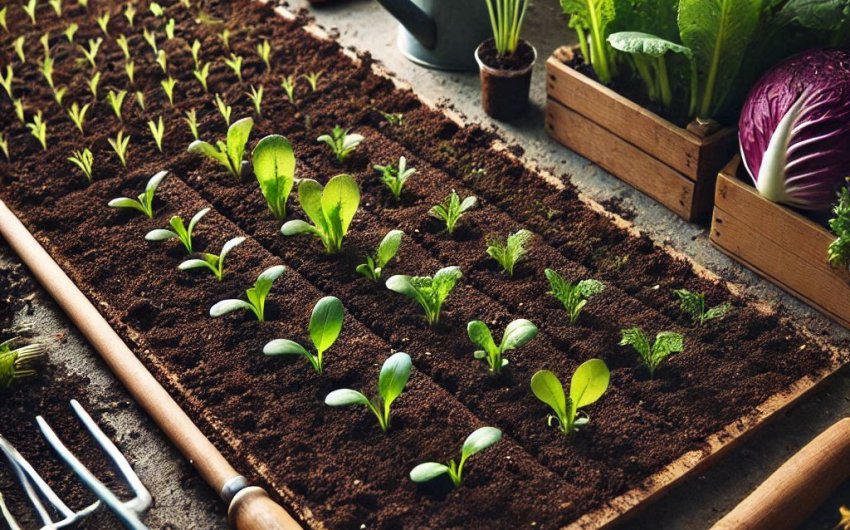
There’s nothing quite like the taste of fresh, homegrown vegetables picked right from your own backyard. The crunch of a freshly pulled carrot, the juicy sweetness of a sun-ripened tomato, the crispness of just-harvested lettuce – it’s a culinary delight and a deeply satisfying experience. If you’ve been dreaming of having your own bounty but feel overwhelmed by the idea of starting a garden from zero, you’re in the right place! Learning how to start a spring vegetable garden from scratch is easier than you think, and it’s an incredibly rewarding journey. This guide will walk you through every step, from choosing the perfect spot to harvesting your first delicious crops. Get ready to dig in and turn your garden dreams into a delicious reality!
What Do You Need to Know Before You Start Your Garden?
Before you grab your shovel, a little planning goes a long way. These foundational steps will set your spring vegetable garden up for success.
1. Choose the Perfect Location
The spot you pick for your garden is crucial. It’s arguably the most important decision you’ll make.
Sunlight is King (or Queen!)
- Most Vegetables Love Sun: The vast majority of vegetables need at least 6-8 hours of direct sunlight every single day to grow well and produce a good harvest. "Direct" means no shadows from trees, fences, or buildings falling on the spot during those hours.
- Observe Your Yard: Walk around your yard throughout the day. Where does the sun hit in the morning, noon, and afternoon? Note how the sunlight changes with the seasons. A spot that seems sunny in winter might be shady in summer once trees leaf out.
- Partial Sun for Some: A few vegetables (like lettuce, spinach, kale, and other leafy greens) can tolerate a bit less sun (4-6 hours), especially in hotter climates where afternoon sun can be too intense for them. Root vegetables might also manage with slightly less sun.
Accessibility and Convenience
- Near a Water Source: Hauling water can get tiring quickly! Try to locate your garden reasonably close to a spigot or hose.
- Easy Access: Ensure you can easily get to your garden beds for planting, weeding, and harvesting. Avoid placing it in a remote corner of your yard that you rarely visit.
- Good Drainage: Even if you build a raised bed, the ground beneath should not hold standing water after a heavy rain. Raised beds help with drainage, but soggy ground underneath can still be an issue.
2. Decide on Your Garden Type
You don't just have to dig a big hole in the ground. There are several ways to create a garden bed.
In-Ground Beds
- Pros: Uses existing soil, can be inexpensive to start (no lumber costs).
- Cons: Requires more work to prepare the soil (digging, amending), can be prone to weeds spreading from the surrounding lawn, drainage might be an issue in heavy clay soils.
Raised Beds
- Pros:
- Better Drainage: Especially useful in areas with poor drainage or heavy clay soil.
- Control Over Soil: You fill them with high-quality soil mix, so you don't have to deal with existing poor soil.
- Less Weeding: Defined borders help prevent weeds from creeping in.
- Easier on the Back: Higher beds mean less bending over.
- Warmer Soil: Soil in raised beds warms up faster in spring, allowing for earlier planting.
- Cons: Can be more expensive initially (cost of materials and soil mix), dry out faster.
- Materials: You can build raised beds from untreated wood (cedar, redwood are good choices), composite lumber, stone, brick, or galvanized metal. A raised garden bed kit is easy to assemble.
- Size: A common and manageable size is 4 feet by 4 feet or 4 feet by 8 feet. This allows you to reach the center of the bed from all sides. A height of 10-12 inches is usually good.
Container Gardening
- Pros: Super flexible for small spaces (patios, balconies), allows you to move plants to optimize sun exposure, easy to control soil and drainage.
- Cons: Requires more frequent watering, plants might need more frequent feeding, limited in what you can grow.
- Pots: Choose large pots (at least 5-gallon size for most vegetables), grow bags, or even repurposed containers (ensure drainage holes). You can find fabric grow bags that are lightweight and breathable.
3. Understand Your Soil
Good soil is the backbone of a successful vegetable garden.
The Soil Test
- Highly Recommended: Get a soil test done before you start. This tells you your soil's composition (sandy, loamy, clay) and its nutrient levels (nitrogen, phosphorus, potassium, pH). Your local university extension office often provides this service for a small fee, or you can use an at-home soil test kit.
- Why It Matters: Knowing your soil's pH (how acidic or alkaline it is) is critical, as most vegetables prefer a slightly acidic to neutral pH (6.0-7.0). The test results will guide how you should amend your soil.
Soil Amendments
- Compost: This is the universal answer for improving almost any soil! It adds organic matter, which improves drainage in clay soil, helps sandy soil retain moisture, and provides a slow release of nutrients. Mix in a generous layer (2-4 inches) of compost into your garden beds. You can buy organic compost or make your own.
- For Raised Beds: Fill your raised beds with a blend of good quality topsoil and plenty of compost (at least 50% compost for the top 6-12 inches). For a super easy mix, consider Mel's Mix (1/3 compost, 1/3 vermiculite, 1/3 peat moss or coconut coir) if you're doing Square Foot Gardening.
4. Know Your Climate Zone and Last Frost Date
This is vital for knowing when to plant.
USDA Hardiness Zones
- What They Are: These zones indicate which plants are likely to survive winter in your area. While primarily for perennials, knowing your zone helps understand your general climate.
- Find Yours: You can find your zone by searching online for "USDA Hardiness Zone Map" and entering your zip code.
Last Frost Date
- Crucial for Spring Planting: This is the average date when the last spring frost is expected in your area. Planting tender vegetables before this date risks them being killed by cold.
- Find Yours: Search online for "last frost date" followed by your city/state. It's usually a range, so aim for the later side of the range for tender plants.
How Do You Prepare Your Garden Beds?
Once you've chosen your location and garden type, it's time to get your hands dirty and prepare the actual planting beds.
1. Clear the Area
- Remove Weeds and Grass: If starting an in-ground bed, remove all existing grass, weeds, and debris from your chosen spot. You can use a shovel to dig it out, lay down cardboard or thick layers of newspaper to smother it (lasagna gardening method), or use a rototiller for larger areas.
2. Double Digging or Tilling (for In-Ground Beds)
- Improve Soil Structure: For in-ground beds, especially if you have compacted soil, you'll want to break it up.
- Double Digging: A labor-intensive but effective method for opening up compacted soil. You dig one trench, move the soil to the side, then loosen the soil at the bottom of the trench, then fill it with the soil from the next trench, and so on.
- Tilling: Use a rototiller to break up the soil to a depth of 8-12 inches. A garden tiller can make this much faster. Be careful not to over-till, as it can harm soil structure.
3. Add Amendments
- Compost, Compost, Compost!: Once cleared and/or tilled, spread a generous layer (2-4 inches) of high-quality compost over the entire bed. If your soil test suggested other amendments (like lime to raise pH, or sulfur to lower it), now is the time to add them according to the test results.
- Mix In: Work the compost and other amendments into the top 6-12 inches of your garden soil using a garden fork or rake.
4. Shape the Beds
- Raised Beds: If using raised beds, simply fill them with your prepared soil mix.
- In-Ground Beds: For in-ground beds, you might want to slightly raise the planting area by mounding the soil a few inches higher than the surrounding pathways. This helps with drainage and visually defines your garden space.
How Do You Choose What to Plant and When?
This is where your taste buds come into play! Spring gardens offer a fantastic array of cool-season and warm-season vegetables.
1. Plan Your Garden Layout
- Draw It Out: Sketch your garden on paper, dividing it into sections. This helps you visualize what goes where.
- Consider Sun Needs: Place sun-loving plants where they'll get the most sun.
- Plant Height: Put taller plants (like staked tomatoes or pole beans on a trellis) on the north side of your garden so they don't shade out shorter plants.
- Companion Planting: Consider grouping plants that benefit each other (e.g., basil near tomatoes, marigolds to deter pests).
- Crop Rotation: If you garden year after year, avoid planting the same crop in the exact same spot to prevent disease buildup and nutrient depletion.
2. Know Your Spring Crops
Spring is generally divided into two planting phases: Cool-Season Crops and Warm-Season Crops.
Cool-Season Vegetables (Plant Early Spring, before or around last frost)
These plants can handle some cool weather and even light frosts.
- Leafy Greens: Lettuce (many varieties!), spinach, kale, Swiss chard, arugula, collards. These are fast-growing and produce continuously.
- Root Vegetables: Radishes (super fast!), carrots, beets, turnips.
- Brassicas: Broccoli, cabbage, cauliflower, kohlrabi.
- Peas: Snow peas, snap peas, shelling peas. They love cool weather and often need a trellis to climb.
- Onions: Sets (small bulbs) or seeds for green onions or bulbs.
Warm-Season Vegetables (Plant After All Danger of Frost Has Passed)
These are sensitive to frost and need consistently warm temperatures.
- Tomatoes: Indispensable! Choose determinate (bushy, fruit all at once) or indeterminate (vining, fruit all season) varieties. They always need stakes or cages. A heavy duty tomato cage is a good investment.
- Peppers: Bell peppers, hot peppers.
- Cucumbers: Vining varieties need trellises. Bush varieties are more compact.
- Squash: Zucchini, yellow squash, pumpkins, winter squash. Very productive!
- Beans: Bush beans or pole beans. Pole beans need support.
- Corn: Needs to be planted in blocks for good pollination.
- Eggplant
3. Seeds vs. Transplants
You can start your garden from seeds or purchase young plants (transplants) from a nursery.
Seeds
- Pros: Cheaper, wider variety of options, gives you full control from start to finish.
- Cons: Takes longer, requires indoor starting for some crops, might have lower germination rates.
- Direct Sowing: Plant seeds directly into the garden bed for many cool-season crops (radishes, carrots, peas, beans, lettuce) and some warm-season ones (corn, bush beans).
- Indoor Starting: For longer-season warm-season crops (tomatoes, peppers, eggplant), it's best to start seeds indoors 6-8 weeks before your last frost date. You'll need seed-starting mix and possibly grow lights. A seed starting kit with grow lights can make this easy.
Transplants (Starter Plants)
- Pros: Faster results, easier for beginners (no need to worry about germination), plants are already established.
- Cons: More expensive, limited variety.
- When to Buy: Purchase healthy, stocky transplants from a reputable nursery close to your planting time.
4. Hardening Off Transplants
If you've started seeds indoors or bought transplants that have been grown in a greenhouse, you must "harden them off" before planting them outdoors.
- What it is: Gradually getting plants used to outdoor conditions (wind, direct sun, temperature fluctuations).
- Method: Over 7-10 days, slowly increase the time your plants spend outdoors. Start with a few hours in a sheltered, shady spot, then gradually increase sun exposure and time outdoors until they can stay out overnight. This prevents "transplant shock."
How Do You Plant Your Spring Vegetable Garden?
The exciting moment! Putting your plants in their new home.
1. Follow Spacing Guidelines
- Read Seed Packets/Plant Tags: These will tell you how far apart to plant seeds or seedlings. Proper spacing ensures plants have enough room to grow, get good air circulation, and access to nutrients.
- Rows vs. Blocks: Traditional gardens often use rows. For raised beds, Square Foot Gardening (planting in a grid of 1x1 foot squares with specific numbers of plants per square) is very efficient and productive.
2. Planting Seeds
- Prepare Furrows: Use the edge of a hoe or a stick to make shallow furrows or holes as deep as recommended on the seed packet.
- Sow Seeds: Place seeds at the recommended spacing. For very tiny seeds (like carrots), you might sow them a bit thicker and thin them later.
- Cover Lightly: Gently cover seeds with soil according to package directions. Some tiny seeds need light to germinate and are just pressed onto the soil surface.
- Water Gently: Water immediately with a fine spray to avoid disturbing the seeds. A watering can with a fine rose works well.
3. Planting Transplants
- Dig a Hole: Dig a hole that is slightly wider and as deep as the plant's root ball.
- Remove from Container: Gently remove the plant from its nursery pot. If roots are circling densely, gently tease them apart.
- Place Plant: Place the plant in the hole so that the top of its root ball is level with the surrounding soil. For tomatoes, you can plant them deeper to encourage more root growth along the stem.
- Backfill: Fill the hole with soil, gently firming around the base of the plant.
- Water In: Water thoroughly immediately after planting to settle the soil and reduce air pockets.
4. Provide Support (for Vining Plants)
- Install Early: For plants that climb (pole beans, peas, cucumbers, vining tomatoes), install their supports (trellises, cages, stakes) at planting time. It's much harder to add them once the plants are large. A garden trellis kit can be customized to your needs.
How Do You Care for Your Spring Vegetable Garden?
Once your garden is planted, ongoing care is vital for a bountiful harvest.
1. Watering
- Consistency is Key: Vegetables need consistent moisture, especially during flowering and fruit development.
- Deep and Infrequent: Water deeply (enough to soak the root zone) rather than frequent, shallow sprinkles. This encourages deep root growth.
- Morning Watering: Water in the early morning to allow leaves to dry before night, reducing fungal diseases.
- Check Soil: Stick your finger into the soil; if it feels dry an inch or two down, it's time to water.
- Mulch: Apply a 2-4 inch layer of organic mulch (straw, wood chips, shredded leaves, grass clippings) around your plants. Mulch helps retain soil moisture, suppresses weeds, and regulates soil temperature. A good option is organic garden straw mulch.
2. Weeding
- Stay on Top of It: Weeds compete with your vegetables for water, nutrients, and sunlight.
- Weed When Small: It's easiest to remove weeds when they are small. A little weeding every day is better than a big weeding session once a month.
- Mulch Helps: Your layer of mulch will significantly reduce weed growth.
- Hand Pull or Hoe: For smaller areas, hand-pulling is effective. For larger areas, a garden hoe can quickly remove young weeds.
3. Fertilizing
- Start with Good Soil: If you amended your soil with plenty of compost, your plants might not need much additional fertilizer for their first few weeks.
- Signs of Need: Watch for signs of nutrient deficiency, such as yellowing leaves or stunted growth.
- Balanced Fertilizer: If needed, use a balanced organic vegetable fertilizer. For fruiting plants (tomatoes, peppers, squash) once they start setting fruit, a fertilizer slightly higher in phosphorus and potassium might be beneficial.
- Follow Directions: Always follow the package instructions for application rates and frequency. Too much fertilizer can burn roots. A good option is organic vegetable garden fertilizer.
4. Pest and Disease Management
- Inspect Regularly: Walk your garden daily and inspect plants for any signs of pests (chewed leaves, sticky residue) or diseases (spots, wilting, discoloration). Early detection is key.
- Identify Correctly: Know your common garden pests and diseases in your area.
- Least Toxic First:
- Handpick Pests: For larger pests (like tomato hornworms or slugs), simply pick them off and drop them in soapy water.
- Strong Water Spray: For aphids, a strong jet of water can knock them off plants.
- Organic Sprays: Use insecticidal soap or neem oil for more persistent pest issues. A neem oil spray for plants is safe for edibles when used as directed.
- Good Air Circulation: Space plants properly and prune lower leaves if necessary to improve airflow and prevent fungal diseases.
- Remove Diseased Plants: If a plant is severely diseased, remove it entirely to prevent spread.
When and How Do You Harvest Your Bounty?
The best part! Harvesting your own fresh vegetables is immensely satisfying.
1. Know When to Harvest
- Read Seed Packets/Tags: They usually provide "days to maturity" – an estimate of when the plant will be ready to harvest from planting.
- Visual Cues:
- Leafy Greens: Harvest outer leaves as needed for "cut-and-come-again," or the entire head.
- Root Vegetables: Pull when tops are the right size or based on package recommendations.
- Tomatoes: Harvest when fully colored and firm but slightly soft to the touch.
- Peppers: Pick when they reach full size and color (or earlier for milder flavor).
- Cucumbers/Squash: Harvest frequently when young and tender for best flavor and to encourage more production.
- Taste Test: Sometimes the best way to know is to taste!
2. How to Harvest
- Gentle Handling: Be gentle with your plants to avoid damaging them.
- Sharp Tools: Use clean, sharp gardening shears or a knife for cutting vegetables like squash, peppers, or greens. For smaller items like beans or peas, you can usually snap them off.
- Regular Harvesting: Frequent harvesting encourages the plant to produce more, maximizing your yield throughout the season.
Starting a spring vegetable garden from scratch is a journey of learning, patience, and immense reward. It connects you with nature, provides healthy food for your table, and gives you a wonderful sense of accomplishment. Don't be afraid to make mistakes; every gardener does! Each season brings new lessons and new opportunities for delicious success. Get ready to experience the joy of growing your own food – it’s a taste that truly can’t be beaten!