
How to use composting to support United Nations SDGs?
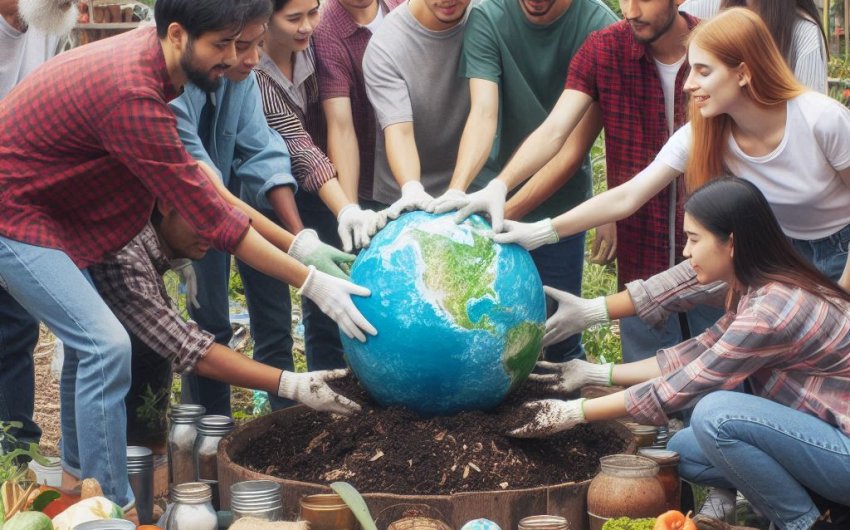
Composting significantly supports multiple United Nations Sustainable Development Goals (SDGs) by transforming organic waste into a valuable resource, addressing environmental challenges like climate change and land degradation, and promoting sustainable consumption and production. It's a tangible action with far-reaching positive impacts across various global objectives.
What are the United Nations Sustainable Development Goals (SDGs)?
The United Nations Sustainable Development Goals (SDGs) are a collection of 17 interconnected global goals designed to be a "blueprint to achieve a better and more sustainable future for all." Adopted by all UN member states in 2015 as part of the 2030 Agenda for Sustainable Development, they address the global challenges we face, including poverty, inequality, climate change, environmental degradation, peace, and justice.
The Origin and Purpose of the SDGs
The SDGs built upon the Millennium Development Goals (MDGs), which focused primarily on poverty reduction in developing countries from 2000-2015. The SDGs expanded this scope significantly:
- Universal Applicability: Unlike the MDGs, the SDGs apply to all countries—developed and developing—recognizing that sustainability challenges are global and require universal action.
- Integrated Approach: The 17 goals are deeply interconnected, acknowledging that progress in one area often depends on progress in others. For example, tackling climate change (SDG 13) is linked to sustainable cities (SDG 11) and responsible consumption (SDG 12).
- Holistic Vision: They cover a broad spectrum of social, economic, and environmental issues, aiming for a truly holistic approach to sustainable development.
- Call to Action: The SDGs are a call to action for all stakeholders – governments, civil society, the private sector, and individuals – to work together to achieve these ambitious targets by 2030.
The 17 Sustainable Development Goals
Here's a brief overview of each of the 17 SDGs:
- No Poverty: End poverty in all its forms everywhere.
- Zero Hunger: End hunger, achieve food security and improved nutrition and promote sustainable agriculture.
- Good Health and Well-being: Ensure healthy lives and promote well-being for all at all ages.
- Quality Education: Ensure inclusive and equitable quality education and promote lifelong learning opportunities for all.
- Gender Equality: Achieve gender equality and empower all women and girls.
- Clean Water and Sanitation: Ensure availability and sustainable management of water and sanitation for all.
- Affordable and Clean Energy: Ensure access to affordable, reliable, sustainable, and modern energy for all.
- Decent Work and Economic Growth: Promote sustained, inclusive, and sustainable economic growth, full and productive employment, and decent work for all.
- Industry, Innovation, and Infrastructure: Build resilient infrastructure, promote inclusive and sustainable industrialization, and foster innovation.
- Reduced Inequalities: Reduce inequality within and among countries.
- Sustainable Cities and Communities: Make cities and human settlements inclusive, safe, resilient, and sustainable.
- Responsible Consumption and Production: Ensure sustainable consumption and production patterns.
- Climate Action: Take urgent action to combat climate change and its impacts.
- Life Below Water: Conserve and sustainably use the oceans, seas, and marine resources for sustainable development.
- Life on Land: Protect, restore, and promote sustainable use of terrestrial ecosystems, sustainably manage forests, combat desertification, and halt and reverse land degradation and halt biodiversity loss.
- Peace, Justice, and Strong Institutions: Promote peaceful and inclusive societies for sustainable development, provide access to justice for all, and build effective, accountable, and inclusive institutions at all levels.
- Partnerships for the Goals: Strengthen the means of implementation and revitalize the global partnership for sustainable development.
Each SDG has specific targets and indicators to measure progress. Understanding these goals is the first step in identifying how composting, as a fundamental sustainable practice, can contribute to their achievement.
How Does Composting Directly Support SDG 12: Responsible Consumption and Production?
Composting directly supports SDG 12: Responsible Consumption and Production, particularly its targets related to waste reduction and sustainable management of natural resources. By transforming organic waste into a valuable soil amendment, composting closes resource loops and shifts away from linear "take-make-dispose" models.
SDG 12.3: Halve Per Capita Global Food Waste
- Composting's Role: Composting addresses food waste, a massive global problem. While waste reduction at the source (prevention) is always the first priority, for unavoidable food scraps, composting is the best available option for managing them sustainably.
- Diverting from Landfills: By diverting food scraps from landfills, composting directly reduces the amount of edible and inedible food that becomes waste.
- Measurement and Awareness: Implementing a composting program often starts with a waste audit, which helps facilities and individuals measure their food waste. This increased awareness can then lead to further efforts in preventing food waste upstream.
SDG 12.4: Achieve the Environmentally Sound Management of Chemicals and All Wastes Throughout their Life Cycle
- Sound Waste Management: Composting provides an environmentally sound method for managing organic waste. Unlike landfilling, which generates potent greenhouse gases and can contaminate soil and water, composting is a biological process that safely breaks down organic materials.
- Reduced Pollution: By preventing organic waste from being landfilled, composting reduces the potential for leachate (toxic liquid formed in landfills) and methane emissions, thereby contributing to less pollution.
SDG 12.5: Substantially Reduce Waste Generation Through Prevention, Reduction, Recycling and Reuse
- Waste Reduction: Composting is a key strategy within the waste hierarchy (reduce, reuse, recycle, compost, dispose). It focuses on diverting a significant portion of the waste stream (organic matter) from disposal.
- Resource Recovery: Instead of discarding organic materials as "waste," composting transforms them into a valuable resource – nutrient-rich soil amendment. This embodies the principle of resource recovery and circularity.
- Closing the Loop: Composting completes a natural cycle: organic matter grows, is used, decomposes, and then its nutrients return to the soil to grow new life. This minimizes the depletion of virgin resources and reduces reliance on synthetic fertilizers.
SDG 12.6: Encourage Companies to Adopt Sustainable Practices and Integrate Sustainability Information into their Reporting Cycle
- Sustainable Practice Adoption: Implementing composting is a tangible example of a company, institution, or community adopting a sustainable practice. It demonstrates a commitment to environmental responsibility.
- Transparency and Reporting: Organizations that compost can integrate their waste diversion metrics (e.g., tons of organic waste composted, reduction in landfill waste) into their sustainability reports, showcasing their progress towards SDG 12 and other related goals.
SDG 12.8: Ensure that People Everywhere Have the Relevant Information and Awareness for Sustainable Development
- Education and Awareness: Composting initiatives naturally lead to increased awareness about waste, food systems, and environmental impacts. Educating staff, customers, students, or community members about how to separate organics for composting fosters a deeper understanding of responsible consumption.
- Behavioral Change: Participating in composting promotes behavioral changes towards more sustainable habits in daily life, both at home and in public spaces.
In essence, SDG 12 is about doing more and better with less. Composting aligns perfectly with this by seeing organic "waste" not as a problem to be disposed of, but as a valuable resource to be regenerated, thereby promoting truly responsible consumption and production patterns.
Which Other SDGs Does Composting Support?
Beyond SDG 12 (Responsible Consumption and Production), composting has a powerful ripple effect, contributing significantly to multiple other United Nations Sustainable Development Goals across environmental, social, and economic dimensions.
SDG 2: Zero Hunger
- Sustainable Agriculture: Composted organic matter is a nutrient-rich soil amendment. When added to agricultural land, it improves soil health, structure, and water retention, leading to healthier crops and increased yields. This supports sustainable farming practices that are essential for long-term food security.
- Reduced Need for Chemicals: Healthy, compost-amended soil often reduces the need for synthetic fertilizers and pesticides, which can harm soil life and pollute water sources, indirectly supporting more sustainable food systems.
- Local Food Systems: Composting initiatives in communities or urban farms can directly support local food production, enhancing food access and reducing reliance on distant supply chains.
SDG 3: Good Health and Well-being
- Reduced Pollution: By diverting organic waste from landfills, composting reduces methane emissions (a greenhouse gas) and the production of leachate (a toxic liquid). This lessens air and water pollution, which directly impacts human health and well-being.
- Pest Control: Properly managed composting reduces potential breeding grounds for pests (like rodents and flies) that are attracted to rotting food waste in landfills or unmanaged dumps.
- Safer Environment: Using compost in landscaping can reduce reliance on synthetic pesticides and fertilizers, creating healthier outdoor spaces for communities and reducing exposure to harmful chemicals.
SDG 6: Clean Water and Sanitation
- Water Quality Protection: Preventing organic waste from landfilling reduces leachate, which can contaminate groundwater and surface water sources.
- Improved Water Retention in Soil: Compost improves soil structure, increasing its capacity to hold water. This reduces runoff, preventing erosion and reducing the flow of pollutants (like excess nutrients from synthetic fertilizers) into waterways. It also means plants need less irrigation, conserving fresh water.
SDG 7: Affordable and Clean Energy (Indirectly, via Anaerobic Digestion)
- While traditional composting doesn't directly produce energy, anaerobic digestion of organic waste (often seen as a complementary or alternative process to composting for high-volume organic streams) produces biogas (primarily methane), which can be captured and used as a renewable energy source for electricity or heat. Many large commercial organic waste facilities integrate anaerobic digestion.
SDG 8: Decent Work and Economic Growth
- Green Jobs: The composting industry (commercial composting facilities, organic waste collection services, compost equipment manufacturers) creates jobs, contributing to economic growth in the green sector.
- Sustainable Business Practices: For businesses, adopting composting demonstrates responsible operations, which can attract customers and investors, contributing to sustainable economic growth.
SDG 11: Sustainable Cities and Communities
- Efficient Waste Management: Composting is a key component of sustainable urban waste management systems, helping cities become cleaner and more livable by diverting waste and reducing landfill reliance.
- Urban Greening: Finished compost can be used in urban parks, community gardens, and green spaces, enhancing urban biodiversity and providing recreational areas.
- Reduced Urban Pollution: Less waste going to landfills near cities means less air pollution and fewer environmental burdens on urban peripheries.
SDG 13: Climate Action
- Greenhouse Gas Reduction: This is one of the most direct links. Composting organic waste prevents it from decomposing anaerobically in landfills, thereby significantly reducing methane emissions, a powerful greenhouse gas. This directly combats climate change.
- Carbon Sequestration (Soil): Adding compost to soil can help sequester carbon, meaning carbon from the atmosphere is stored in the soil, which is another way to mitigate climate change.
SDG 15: Life on Land
- Combating Land Degradation: Compost enhances soil fertility and structure, making land more resilient to degradation, erosion, and desertification. This supports the restoration of degraded land.
- Protecting Biodiversity: Healthy soil ecosystems, supported by compost, are home to a vast array of beneficial microorganisms and invertebrates, contributing to soil biodiversity. Reducing the use of synthetic chemicals in agriculture and landscaping (due to compost use) also protects above-ground biodiversity.
Composting is thus not just about waste management; it's a foundational sustainable practice that contributes to a healthier planet, thriving communities, and a more resilient future, touching upon nearly every aspect of the SDGs.
How Can Different Sectors Use Composting to Support SDGs?
Composting is a versatile practice that can be adapted and implemented across various sectors, each contributing uniquely to the SDGs. From households to large industries, collective action amplifies its positive impact.
1. Households and Individuals
- Primary Focus: Reducing personal waste footprint, promoting sustainable habits.
- SDG Contributions:
- SDG 12 (Responsible Consumption & Production): Directly reduces household food and yard waste sent to landfills. Encourages a shift in mindset about "waste."
- SDG 13 (Climate Action): Prevents methane emissions from organic waste in landfills.
- SDG 2 (Zero Hunger) & SDG 15 (Life on Land): Creates nutrient-rich soil for home gardens, supporting local food production and healthy soil.
- SDG 11 (Sustainable Cities & Communities): Contributes to cleaner neighborhoods and reduces municipal waste burdens.
- Implementation: Backyard Compost Bins, Compost Tumblers, worm composting (vermicomposting), participation in municipal curbside composting programs.
2. Educational Institutions (Schools, Universities)
- Primary Focus: Educating the next generation, integrating sustainability into curriculum, managing cafeteria/dorm waste.
- SDG Contributions:
- SDG 4 (Quality Education): Provides hands-on learning opportunities about waste management, environmental science, and sustainable living.
- SDG 12 (Responsible Consumption & Production): Diverts cafeteria and landscaping waste from landfills.
- SDG 2 (Zero Hunger) & SDG 15 (Life on Land): Compost used in school gardens, often growing food for cafeterias or local food banks.
- SDG 11 (Sustainable Cities & Communities): Creates a greener, healthier campus environment.
- SDG 13 (Climate Action): Reduces institutional carbon footprint.
- Implementation: Cafeteria food waste collection, outdoor compost piles, vermicomposting in classrooms, integration with garden programs.
3. Businesses (Restaurants, Hotels, Grocery Stores, Offices)
- Primary Focus: Reducing operational costs, enhancing brand image, meeting sustainability goals.
- SDG Contributions:
- SDG 12 (Responsible Consumption & Production): Addresses massive volumes of food waste and biodegradable packaging. Drives shifts towards more sustainable sourcing.
- SDG 8 (Decent Work & Economic Growth): Creates green jobs in waste management. Boosts sustainable economic activity.
- SDG 13 (Climate Action): Significantly reduces methane emissions from commercial organic waste.
- SDG 11 (Sustainable Cities & Communities): Contributes to cleaner urban environments and efficient waste management infrastructure.
- SDG 17 (Partnerships for the Goals): Often involves partnerships with commercial composters, local farms, or non-profits.
- Implementation: Dedicated kitchen waste collection, staff training, clear signage for customers, partnerships with commercial organic waste haulers, in-house compact composting systems.
4. Agriculture and Rural Communities
- Primary Focus: Improving soil health, reducing reliance on synthetic fertilizers, managing agricultural waste.
- SDG Contributions:
- SDG 2 (Zero Hunger): Directly supports sustainable agriculture by building healthier, more productive soils.
- SDG 15 (Life on Land): Combats land degradation, improves soil biodiversity, and reduces chemical runoff.
- SDG 6 (Clean Water & Sanitation): Improved soil water retention reduces runoff and pollution of water bodies.
- SDG 13 (Climate Action): Sequesters carbon in the soil, reduces methane from decomposing manure/crop residues.
- Implementation: On-farm composting of manure, crop residues, and food waste; large-scale windrow composting, vermicomposting.
5. Municipalities and Governments
- Primary Focus: Developing sustainable waste management infrastructure, meeting environmental targets, educating citizens.
- SDG Contributions:
- SDG 11 (Sustainable Cities & Communities): Provides essential infrastructure for sustainable waste management, leading to cleaner, healthier cities.
- SDG 12 (Responsible Consumption & Production): Implements policies and programs (e.g., curbside composting, organics bans) that enable sustainable consumption.
- SDG 13 (Climate Action): Significant reduction of landfill methane emissions at a city-wide scale.
- SDG 6 (Clean Water & Sanitation) & SDG 15 (Life on Land): Protects local ecosystems by reducing pollution from landfills.
- SDG 17 (Partnerships for the Goals): Fosters public-private partnerships with waste haulers, composting facilities, and community groups.
- Implementation: Curbside organic waste collection programs, community composting sites, public education campaigns, supportive policies and regulations.
Composting, therefore, is not a niche activity but a fundamental sustainable practice that, when scaled across different sectors, becomes a powerful tool for advancing numerous SDGs, creating a more sustainable and equitable world.
What are the Practical Steps to Launch an SDG-Aligned Composting Initiative?
Launching a composting initiative with an explicit focus on aligning with the SDGs involves a strategic, step-by-step approach. It's about moving beyond simply "doing good" to intentionally measuring and communicating impact.
Step 1: Secure High-Level Commitment and Define SDG Alignment
- Leadership Buy-In: Gain full support from organizational leadership (CEO, Mayor, School Principal, etc.). Frame composting not just as waste management, but as a direct contribution to specific SDGs.
- Form a Core Team: Assemble a multi-stakeholder team representing relevant departments (e.g., sustainability, operations, communications, finance).
- Identify Primary SDGs: Based on your organization's context and waste streams, identify the 2-4 primary SDGs that composting will most directly support (e.g., SDG 12, SDG 13, SDG 2, SDG 11).
- Set Clear Targets: Translate SDG targets into measurable goals for your initiative (e.g., "By end of 202X, divert X% of food waste from landfill, contributing to SDG 12.3," or "Reduce methane emissions by Y tons, contributing to SDG 13.2").
Step 2: Conduct a Detailed Waste Audit and Feasibility Study
- Baseline Data: Perform a thorough waste audit to quantify organic waste streams (types, volumes, existing disposal costs). This provides the baseline for measuring progress towards your SDG targets.
- Identify Compostable Materials: Determine exactly what organic materials can be safely and effectively composted given your local context and chosen method.
- Research Composting Options:
- Commercial Off-Site: Research local commercial organic waste haulers. Confirm their acceptance criteria for all your identified compostable materials (e.g., food waste, compostable packaging). Get quotes.
- On-Site Composting: Assess available space, labor, and budget for on-site systems (e.g., Large-scale compost bins, in-vessel systems). Consider potential odor, pest, and regulatory challenges.
- Community Partnerships: Explore partnerships with local farms, community gardens, or university research programs for specific waste streams (e.g., coffee grounds).
- Cost-Benefit Analysis: Develop a detailed financial projection, including initial investment, ongoing operational costs, and potential savings/revenue. This strengthens the business case for SDG alignment.
Step 3: Design and Implement Collection & Segregation Systems
- Strategic Bin Placement: Place clearly designated bins where organic waste is generated (e.g., kitchen prep areas, dishwashing stations, staff breakrooms, cafeterias, landscaping collection points).
- Clear, Visual Signage: This is crucial for SDG alignment through behavior change. Design prominent, simple, and visually intuitive signs (using pictures, not just text) for each waste stream (Compost, Recycling, Landfill). Align colors with common waste sorting systems.
- Appropriate Containers: Use durable, easy-to-clean bins with tight-fitting lids for organic waste to prevent odors and pests. For large volumes, consider Commercial Wheeled Bins.
- Compostable Liners (if applicable): If using liners, ensure they are certified compostable and meet your hauler's or on-site system's requirements.
- Streamlined Workflow: Map out the entire waste flow from generation to collection, temporary storage, and hauler pick-up/on-site processing. Minimize cross-contamination points.
Step 4: Comprehensive Staff Training and Engagement
- Mandatory Training: All relevant staff must receive comprehensive, mandatory training. This is paramount for preventing contamination.
- SDG Integration: Weave the "why" of SDG alignment into the training. Explain how their daily actions contribute to global goals (e.g., "Sorting food waste correctly contributes to SDG 12, reducing waste, and SDG 13, fighting climate change").
- Practical Application: Use hands-on sorting exercises with actual waste items.
- Regular Reinforcement: Conduct frequent refreshers, toolbox talks, and departmental meetings to address challenges and reinforce correct procedures.
- Empower "Green Champions": Identify and empower staff members who are enthusiastic about sustainability to become internal champions, helping to train peers and monitor compliance.
Step 5: Pilot Program and Launch
- Phased Rollout: Start with a pilot program in a manageable area or department (e.g., main kitchen, administrative offices) to test the system, identify unforeseen challenges, and refine protocols before a full-scale launch.
- Official Launch: Announce the program internally and externally, emphasizing its alignment with the SDGs.
Step 6: Monitor, Evaluate, and Report on SDG Impact
- Data Collection: Continuously track key performance indicators (KPIs) relevant to your chosen SDGs:
- Volume/weight of organic waste composted.
- Overall waste diversion rate.
- Contamination rates.
- Financial savings from reduced landfill fees.
- (If applicable) Tons of CO2e prevented (from methane reduction).
- Regular Audits: Conduct frequent waste audits to identify and address sorting errors.
- Feedback Mechanism: Create an easy way for staff and other stakeholders to provide feedback or report issues.
- SDG Reporting: Integrate your composting data and achievements directly into your annual sustainability reports, CSR reports, or communications, explicitly linking them to the relevant SDG targets. Use compelling narratives and visuals.
Step 7: Continuous Improvement and Promotion
- Optimize Processes: Regularly review the program's effectiveness. Are there ways to further reduce contamination, increase diversion, or improve efficiency?
- Innovate: Explore opportunities to expand to other waste streams or adopt more advanced composting technologies.
- Internal Promotion: Celebrate successes internally. Acknowledge and reward staff who consistently excel.
- External Promotion: Publicize your SDG-aligned composting efforts through your website, social media, press releases, and industry platforms. Highlight your commitment to a sustainable future, directly addressing the core intent of how to use composting to support United Nations SDGs.
How to Measure and Report Composting's Contribution to SDGs?
Measuring and reporting on your composting initiative's contribution to the United Nations Sustainable Development Goals (SDGs) is essential for demonstrating impact, ensuring accountability, and driving continuous improvement. It transforms a good practice into a powerful story of sustainability.
1. Identify Relevant SDG Indicators
Each SDG has specific targets, and many of these targets have associated indicators. Focus on the indicators that are directly or indirectly impacted by your composting efforts.
- SDG 12: Responsible Consumption and Production:
- Target 12.3: Halve per capita global food waste at the retail and consumer levels and reduce food losses along production and supply chains.
- Indicator: Amount of food waste generated (tons/kg) per year diverted to composting/anaerobic digestion. This is your primary metric.
- Target 12.5: Substantially reduce waste generation through prevention, reduction, recycling and reuse.
- Indicator: Overall waste diversion rate (%) (total waste diverted from landfill divided by total waste generated). This shows your overall commitment to waste reduction, with composting as a key component.
- Amount of organic waste (tons/kg) diverted from landfill.
- Target 12.3: Halve per capita global food waste at the retail and consumer levels and reduce food losses along production and supply chains.
- SDG 13: Climate Action:
- Target 13.2: Integrate climate change measures into national policies, strategies and planning.
- Indicator: Estimated greenhouse gas (GHG) emission reductions (tons of CO₂ equivalent) from diverting organic waste from landfill. This requires calculating methane avoidance based on standard conversion factors.
- Target 13.2: Integrate climate change measures into national policies, strategies and planning.
- SDG 2: Zero Hunger:
- Target 2.4: Ensure sustainable food production systems and implement resilient agricultural practices that increase productivity and production, that help maintain ecosystems, that strengthen capacity for adaptation to climate change, extreme weather, drought, flooding and other disasters and that progressively improve land and soil quality.
- Indicator: Amount of compost produced (tons/cubic yards) and where it is utilized (e.g., on-site gardens, local farms, community projects). This shows resource creation.
- Target 2.4: Ensure sustainable food production systems and implement resilient agricultural practices that increase productivity and production, that help maintain ecosystems, that strengthen capacity for adaptation to climate change, extreme weather, drought, flooding and other disasters and that progressively improve land and soil quality.
- SDG 11: Sustainable Cities and Communities:
- Target 11.6: Reduce the adverse per capita environmental impact of cities, including by paying special attention to air quality and municipal and other waste management.
- Indicator: Improvement in air quality (indirectly, via GHG reduction) and efficiency of waste management system. This supports the broader goal of making cities healthier.
- Target 11.6: Reduce the adverse per capita environmental impact of cities, including by paying special attention to air quality and municipal and other waste management.
2. Establish Robust Data Collection Systems
Accurate and consistent data is the foundation of credible reporting.
- Weighing/Measuring Organic Waste:
- For Commercial Collection: Work with your waste hauler to get regular reports on the weight or volume of organic waste collected. Ensure these reports are distinct from general waste.
- For On-Site Composting: Implement a system to regularly weigh or estimate the volume of organic material added to your compost pile. This could involve weighing bins before emptying, or tracking the number of full bins collected daily.
- Tracking Finished Compost: Keep records of the volume or weight of finished compost produced and how it is used (e.g., applied to X acres of landscaping, donated to Y community gardens).
- Contamination Rates: Periodically conduct visual audits of compost bins to estimate contamination rates. While not an SDG indicator directly, high contamination impacts the composting process and indirectly affects SDG outcomes.
- Cost Tracking: Meticulously track all costs associated with composting (hauling fees, equipment, labor, training) and compare them against previous landfill disposal costs to calculate actual savings.
3. Calculate Environmental Impact Metrics
Translate your raw data into meaningful environmental impacts that directly relate to the SDGs.
- Methane Avoidance: Use conversion factors to estimate the reduction in methane emissions. For example, diverting one ton of food waste from landfill can prevent approximately 0.8 to 1.5 tons of CO₂ equivalent, depending on the specific methane capture rates of the landfill and the carbon content of the food waste. Consult EPA or local environmental agency guidelines for standard conversion factors.
- Water Savings: If compost improves soil water retention, estimate potential water savings in landscaping or agriculture.
- Fertilizer Reduction: If using compost for landscaping or gardening, quantify the reduction in purchased synthetic fertilizers.
4. Create a Reporting Framework
Develop a consistent method for internal and external reporting.
- Internal Dashboards/Reports: Create simple dashboards or monthly/quarterly reports for management and staff. These should show progress against your targets, highlight successes, and pinpoint areas needing improvement (e.g., contamination spikes).
- Annual Sustainability Reports: Include a dedicated section in your annual sustainability or Corporate Social Responsibility (CSR) report.
- Quantify Achievements: Clearly state metrics (e.g., "In 2024, we diverted 150 tons of organic waste from landfill, equivalent to preventing 120 tons of CO₂e emissions, directly contributing to SDG 12.5 and SDG 13.2.").
- Narrative Storytelling: Complement data with compelling stories. Describe the journey, the challenges overcome, and the positive impact on the environment and community.
- Direct SDG Linkage: Explicitly state which SDGs and targets your composting program supports.
- Website and Social Media: Use infographics, short videos, and compelling posts on your website and social media channels to communicate progress to a wider audience.
- Guest/Customer Communications: For hotels, restaurants, or schools, use discreet in-room cards, table tents, or lobby displays to inform guests/students about your composting efforts and their contribution to sustainability.
5. Seek Verification and Certifications
- Third-Party Audits: Consider having your waste diversion data and calculations verified by an independent third party for added credibility.
- Green Certifications: Pursue relevant green certifications (e.g., LEED, Green Seal, B Corp, specific hospitality/healthcare sustainability certifications) that recognize waste diversion efforts. Many of these require detailed reporting on organic waste.
By systematically measuring and reporting, organizations can not only track their progress in composting but also powerfully demonstrate their commitment to the ambitious vision of the United Nations Sustainable Development Goals.
Case Studies: Composting Supporting SDGs in Action
Examining real-world examples helps illustrate how composting initiatives, both large and small, tangibly contribute to the United Nations SDGs. These case studies showcase diverse approaches and impactful results across various sectors.
1. Food Waste Composting in a Major City (SDGs 11, 12, 13, 3)
- Context: Many large cities worldwide have implemented comprehensive curbside organic waste collection programs or mandatory commercial composting for businesses.
- Initiative: Cities establish infrastructure for residents and businesses to separate food scraps and yard waste. This material is then collected and sent to large-scale commercial composting facilities.
- SDG Impact:
- SDG 11 (Sustainable Cities and Communities): Directly makes cities more sustainable by drastically reducing the volume of waste sent to landfills, leading to cleaner urban environments and less strain on waste infrastructure. Improved air quality by reducing methane from landfills.
- SDG 12 (Responsible Consumption and Production): Achieves substantial waste diversion goals (Target 12.5) and directly tackles food waste (Target 12.3) by providing an environmentally sound management solution for organic waste.
- SDG 13 (Climate Action): Prevents millions of tons of methane (a potent GHG) from being released from landfills, directly contributing to climate change mitigation.
- SDG 3 (Good Health and Well-being): Reduces local air and water pollution associated with landfills, improving public health outcomes for residents living near disposal sites.
- Example: San Francisco, California, was an early pioneer, mandating composting for all residents and businesses, leading to an impressive diversion rate and significant reductions in landfill waste. Toronto, Canada, also has a widespread Green Bin program.
2. On-Farm Composting and Regenerative Agriculture (SDGs 2, 15, 6, 13)
- Context: Individual farms or agricultural co-ops adopting composting of manure, crop residues, and sometimes off-farm organic waste.
- Initiative: Farmers build large compost piles (windrows) using agricultural byproducts. The finished compost is then applied back to their fields.
- SDG Impact:
- SDG 2 (Zero Hunger): Directly supports sustainable agriculture (Target 2.4) by building healthier, more fertile soils. This improves crop productivity and resilience, contributing to food security.
- SDG 15 (Life on Land): Combats land degradation and improves soil quality (Target 15.3). Compost enhances soil biodiversity (microbes, earthworms), water retention, and nutrient cycling, reducing erosion and the need for synthetic fertilizers.
- SDG 6 (Clean Water and Sanitation): Improved soil structure from compost reduces nutrient runoff into waterways, protecting water quality (Target 6.3).
- SDG 13 (Climate Action): Sequesters carbon in the soil, removing CO₂ from the atmosphere. Also prevents methane emissions from unmanaged manure piles.
- Example: Many organic and regenerative farms globally practice extensive on-farm composting. Large-scale chicken farms, for instance, often compost poultry litter into valuable fertilizer.
3. Hotel/Resort Food Waste Composting (SDGs 12, 8, 11, 13)
- Context: A hospitality business with significant food and landscaping waste seeking to reduce its environmental footprint and enhance brand image.
- Initiative: The hotel implements a rigorous system for segregating pre- and post-consumer food waste in kitchens and dining areas. This organic waste is either collected by a commercial hauler or processed in an on-site in-vessel composter for use in resort landscaping.
- SDG Impact:
- SDG 12 (Responsible Consumption and Production): Significantly reduces operational waste, especially food waste (Target 12.3 & 12.5), aligning the business with sustainable consumption patterns.
- SDG 8 (Decent Work and Economic Growth): Drives sustainable business practices and potentially creates "green jobs" within the hotel's environmental services. Enhances the hotel's long-term economic viability.
- SDG 11 (Sustainable Cities and Communities): Contributes to the overall sustainability of the resort's operations and its local community by lessening burdens on local landfills.
- SDG 13 (Climate Action): Lowers the hotel's carbon footprint by preventing methane emissions from landfilled food waste.
- Example: The Walt Disney World Resort in Florida has extensive composting operations for food waste from its various restaurants and parks, using the compost for landscaping across the vast property.
4. Community Composting Hub (SDGs 11, 17, 4, 3)
- Context: A grassroots initiative where local residents, schools, and small businesses contribute organic waste to a central, cooperatively managed composting site.
- Initiative: Volunteers manage a compost site, educate participants, and organize collection points. The finished compost is shared among contributors or used in community gardens.
- SDG Impact:
- SDG 11 (Sustainable Cities and Communities): Directly supports building sustainable, inclusive communities (Target 11.6) by providing local waste solutions and fostering community green spaces.
- SDG 17 (Partnerships for the Goals): Exemplifies multi-stakeholder partnerships (local government, residents, schools, businesses) working together towards a common sustainability goal.
- SDG 4 (Quality Education): Serves as an invaluable educational hub, teaching practical sustainability skills to adults and children.
- SDG 3 (Good Health and Well-being): Creates healthier local environments and greenspaces, promoting well-being.
- Example: Many urban areas have thriving community composting initiatives, often linked to urban farms or green spaces, like NYC Compost Project.
These case studies underscore that whether an initiative is large or small, private or public, composting is a tangible and effective way to contribute to a more sustainable world, directly supporting the ambitious targets laid out in the United Nations Sustainable Development Goals.
The Future of Composting and the SDGs
The role of composting in achieving the United Nations Sustainable Development Goals is set to grow even more critical as global populations rise, waste generation increases, and climate change impacts intensify. The future of composting aligns deeply with a truly circular economy and resilient sustainable development.
1. Mainstreaming and Scaling Up
- Policy Drivers: We will likely see more widespread policies, such as mandatory organic waste diversion laws for businesses and residences, building on existing regulations in places like California, Massachusetts, and the European Union. These mandates will compel larger-scale adoption.
- Technological Advancements: Continued innovation in composting technologies, including more efficient in-vessel systems, anaerobic digesters, and improved aeration methods, will make composting more feasible and scalable for diverse waste streams and challenging environments (e.g., dense urban areas, remote communities).
- Infrastructure Expansion: Investment in commercial composting facilities will need to increase significantly to meet the growing demand, ensuring that there are sufficient processing capabilities for collected organic waste.
2. Integration into Circular Economy Models
- Resource Loops: Composting will be increasingly recognized not just as waste management, but as a fundamental component of a circular economy. It completes the nutrient cycle, transforming "waste" into a valuable resource (compost) that nourishes soil for new growth, thus reducing reliance on virgin materials and synthetic inputs. This directly supports SDG 12.
- Beyond Waste: The focus will shift from "what to do with waste" to "how to maximize resource recovery" from organic matter.
3. Deeper Links to Climate Action and Soil Health
- Carbon Sequestration: Research into the long-term carbon sequestration potential of compost-amended soils will likely grow, further solidifying composting's role as a natural climate solution (SDG 13). Incentives for carbon farming practices incorporating compost could become more common.
- Regenerative Agriculture: Composting is central to regenerative agricultural practices that aim to improve soil health, increase biodiversity, and enhance ecosystem services (SDG 2, 15). The demand for high-quality compost for food production will rise.
- Climate Resilience: Healthier soils, improved by compost, are more resilient to climate change impacts like drought and extreme rainfall, improving water infiltration and retention (SDG 6).
4. Innovation in Waste Prevention and Collection
- Smart Systems: AI and IoT (Internet of Things) could play a role in optimizing organic waste collection routes, monitoring bin fill levels, and even analyzing contamination, making composting more efficient for municipalities and businesses.
- Behavioral Science: A deeper understanding of human behavior will lead to more effective communication strategies and bin designs that encourage proper source separation.
- Upstream Solutions: While composting addresses the "end of life" for organic waste, the future will also emphasize greater waste prevention efforts (e.g., food donation, portion control, innovative packaging solutions) to truly achieve SDG 12.3.
5. Education and Awareness as a Foundation
- Curriculum Integration: Sustainability, including composting, will become more deeply embedded in educational curricula from early childhood through higher education (SDG 4).
- Public Engagement: Ongoing public education campaigns will be vital to maintain high participation rates in composting programs and to foster a cultural shift towards valuing organic resources.
- Citizen Science: Community-led composting initiatives and citizen science projects related to soil health will empower individuals to directly contribute to and measure progress against the SDGs.
The trajectory of composting is one of increasing importance and sophistication. As the world strives to achieve the SDGs by 2030 and beyond, composting stands out as a fundamental, actionable strategy that addresses multiple global challenges simultaneously. Its ability to regenerate resources, mitigate climate change, and foster sustainable communities makes it an indispensable tool for building a more resilient and equitable future, directly embodying the spirit of the United Nations Sustainable Development Goals.