
How do I identify and control slug infestations in my garden?
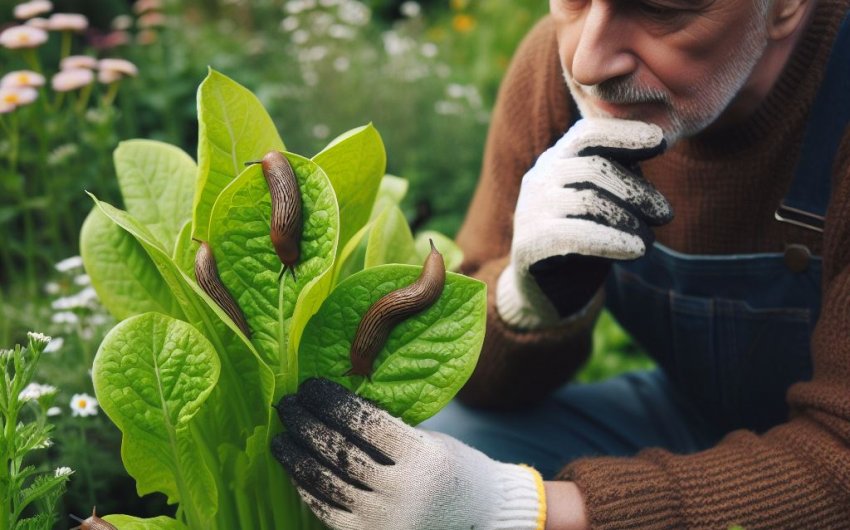
You step out into your garden, eager to check on your thriving plants, only to find a disheartening sight: ragged holes in tender leaves, gnawed edges on developing fruits, and glistening, silvery trails crisscrossing your prized hostas. The culprits, though often unseen during the day, leave behind unmistakable calling cards. Slug infestations can quickly turn a gardener's joy into a frustrating battle, as these slimy mollusks have an insatiable appetite for a wide array of plants, from young seedlings to mature vegetables and ornamentals. Identifying their presence and understanding their habits is the crucial first step in protecting your green sanctuary.
While slugs are a natural part of many ecosystems, their populations can sometimes explode, leading to significant damage. They thrive in damp, cool conditions, emerging under the cover of darkness to feast. Successfully controlling them requires a combination of vigilance, clever traps, and environmental adjustments that make your garden less appealing to these nocturnal munchers. This comprehensive guide will equip you with the knowledge to pinpoint a slug infestation and implement effective, sustainable strategies to reclaim your garden from these unwelcome, slimy invaders. Say goodbye to chewed-up leaves and hello to flourishing plants!
How Do I Identify a Slug Infestation?
Identifying a slug infestation in your garden often requires a bit of detective work, as these pests are mostly active at night. While you might not see the slugs themselves, they leave behind very clear signs. So, how do I identify and control slug infestations in my garden? The first part is all about recognizing the clues.
Irregular Holes in Leaves: This is the most common and obvious sign. Slugs chew irregular holes, often in the middle of leaves, rather than just the edges. They particularly love tender, soft leaves, so look closely at seedlings, hostas, lettuce, basil, and marigolds. The holes won't be as neat or defined as those left by caterpillars.
Silvery Slime Trails: This is the absolute giveaway for slugs (and snails). As they move, slugs leave behind a glistening, silvery trail of dried mucus. Look for these trails on leaves, stems, soil surfaces, patio stones, garden furniture, and even on the sides of your raised beds or pots. These trails are easiest to spot in the morning light.
Chewed Seedlings and Young Plants: Slugs are especially fond of tender young plants and seedlings, often devouring them completely overnight or severely stunting their growth. If your newly planted vegetables are disappearing mysteriously, slugs are a prime suspect.
AdvertisementDamage to Fruit and Vegetables: They also enjoy munching on soft fruits and vegetables that are close to the ground, such as strawberries, ripening tomatoes (especially those touching the soil), and bell peppers. Look for shallow, irregular holes in the fruit.
Direct Sightings (at night or in damp conditions):
- Night Patrol: The best way to confirm an infestation is to go out into your garden 1-2 hours after sunset with a flashlight. You'll often find them actively feeding.
- Damp, Shady Spots: During the day, slugs hide in cool, damp, dark places. Look under rocks, logs, pots, dense foliage, thick mulch layers, and garden debris. If you lift these items, you'll often find them clinging to the underside.
If you see these signs, especially the slimy trails and irregular holes, you almost certainly have a slug problem. Once you've identified them, you can move on to control strategies.
What's the Difference Between a Slug and a Snail?
When you're trying to identify and control slug infestations in your garden, it's helpful to know the difference between a slug and a snail, as they often get lumped together. They are actually very similar creatures and cause the same kind of damage, but they have one key difference.
Slug: A slug is essentially a snail without a visible shell. It's a soft-bodied mollusk that moves on a muscular foot, leaving behind a slimy trail. Slugs can be various colors, from grey and brown to black, and come in different sizes. Because they lack a hard shell, they are more vulnerable to drying out, so they prefer very damp conditions and tend to hide in dark, moist places during the day. This also makes them excellent at squeezing into tight spots to reach tender plants.
Snail: A snail is also a soft-bodied mollusk that moves on a muscular foot and leaves a slimy trail, but it carries a hard, coiled shell on its back. This shell provides protection from predators and helps reduce water loss, allowing snails to tolerate slightly drier conditions than slugs. They can often be seen active during damp daytime conditions after rain, unlike slugs which strictly prefer the night.
Similarities:
- Both are mollusks (gastropods).
- Both feed on plants using a rasping mouthpart called a radula, creating irregular holes in leaves and fruits.
- Both leave behind silvery slime trails.
- Both thrive in damp, cool environments.
- Many control methods that work for slugs also work for snails.
So, while their appearance is different, their destructive habits and the ways you control them are largely the same. For most gardeners, the methods for controlling slug infestations will work equally well for snail problems too.
What Plants Are Most Affected by Slugs?
Slug infestations can affect a wide variety of plants in your garden, but some are much more attractive to these slimy pests than others. Knowing what plants are most affected by slugs helps you identify damage faster and prioritize protective measures.
Slugs especially love:
- Young Seedlings and Tender Transplants: This is perhaps their favorite meal. New, soft, delicate growth is easy for them to chew through. If your newly planted vegetable starts or annual flowers disappear overnight, slugs are highly suspected.
- Hostas: These shade-loving plants are a top favorite. Their broad, soft leaves are easily perforated by slugs, leaving behind ragged holes and unsightly slime trails. If you have hostas, you probably have slugs.
- Lettuce and Leafy Greens: All types of lettuce, spinach, kale, and other leafy greens are highly attractive. The holes they leave make the produce unappetizing.
- Basil and Other Soft Herbs: Many tender herbs like basil are a gourmet meal for slugs, often showing significant damage.
- Marigolds: While sometimes suggested as a deterrent, many types of marigolds (especially young ones) are actually quite susceptible to slug damage.
- Strawberries: Slugs love ripe strawberries, often leaving shallow, irregular holes on the fruit, especially those touching the ground.
- Some Annual Flowers: Petunias, pansies, impatiens, and zinnias can be heavily damaged by slugs, particularly in damp conditions.
- Vegetables with Soft Leaves/Fruit:
- Cabbage and Broccoli Seedlings: While mature plants are tougher, young brassicas are vulnerable.
- Squash and Zucchini (young plants): The large, soft leaves and tender stems of young cucurbits are targets.
- Bell Peppers: Often chew holes in developing peppers, especially those near the ground.
- Tomatoes (ripe fruit): Ripe tomatoes, particularly those resting on the soil, can be chewed by slugs.
Plants with tough, hairy, or aromatic leaves (like rosemary, lavender, nasturtiums, or ornamental grasses) are generally less appealing to slugs, though no plant is entirely immune if slug populations are very high and food is scarce. Prioritizing protection for your most vulnerable plants is a smart strategy when controlling slug infestations.
What Plants Are Less Affected by Slugs?
While no plant is completely slug-proof, some plants are much less appealing to these slimy pests. Knowing what plants are less affected by slugs can help you choose resistant varieties for areas prone to infestations, or as part of a strategy for controlling slug infestations.
Slugs generally avoid plants with:
Strong Aromas or Flavors: Many herbs and pungent plants contain compounds that slugs find unappetizing.
- Rosemary: Its tough, needle-like leaves and strong scent make it unpopular.
- Lavender: Aromatic and somewhat woody, it's rarely bothered.
- Thyme: Especially creeping varieties, are often left alone.
- Sage: Aromatic and slightly fuzzy leaves deter them.
- Mint: Though vigorous, its strong scent can be a deterrent, though some slugs might try it if desperate.
- Garlic and Onions: Members of the Allium family are generally resistant.
Tough, Leathery, or Hairy Leaves: Leaves that are difficult for their rasping mouthparts to chew or are unpleasant to crawl over.
- Hellebores: Their tough, evergreen leaves are usually ignored.
- Euphorbias: Many have tough leaves and milky sap that deters pests.
- Ferns (some types): While Hostas are loved, many other ferns with tougher fronds are less appealing.
- Ornamental Grasses: Their thin, tough blades are not a slug's preferred food.
Toxic or Acrid Sap: Plants with sap that is irritating or poisonous to slugs.
- Poppies: Many contain alkaloids that deter slugs.
- Foxglove (Digitalis): Toxic to many animals, including slugs.
- Euphorbias: Their milky sap can be an irritant.
Plants with Spiky or Prickly Textures: These simply make crawling difficult or unpleasant.
- Spiky Sedums: Many succulents with thick, waxy, or spiky leaves are less prone to damage.
- Agaves: Tough and spiky.
While these plants offer some resistance, remember that extremely high slug populations or very hungry slugs might still attempt to nibble. However, incorporating these less susceptible plants into your garden design, especially around more vulnerable plants, can be a useful part of your overall slug control strategy.
How Can I Control Slug Infestations Organically?
Controlling slug infestations organically is the preferred approach for many gardeners, as it avoids synthetic chemicals and supports a healthy garden ecosystem. It often involves a combination of methods that make your garden less inviting to slugs and physically remove them. So, how do I identify and control slug infestations in my garden? Here's how to tackle them organically.
Reduce Moisture and Hiding Spots (Cultural Control):
- Water in the Morning: Water your plants in the early morning instead of evening. This allows the soil surface and plant foliage to dry out completely before nightfall when slugs are most active.
- Improve Air Circulation: Space plants appropriately to ensure good airflow. Trim lower leaves that touch the ground.
- Clear Debris: Remove leaf litter, weeds, logs, rocks, and other garden debris that provide cool, damp hiding spots for slugs during the day.
- Thin Mulch: While mulch is good for soil, very thick, consistently wet mulch layers (especially wood chips) can be a slug paradise. Use thinner layers or coarse, dry mulches like straw or pine needles. You can find Pine Bark Mulch.
Hand Picking (Manual Removal):
- Night Patrol: Go out 1-2 hours after sunset with a flashlight. Pick slugs off plants and dispose of them (e.g., into a bucket of soapy water, or simply crushing them). This is highly effective if done consistently.
- Morning Checks: Look under pots, stones, and dense foliage in the morning.
Trapping (Baited Traps):
- Beer Traps: Bury shallow dishes (like tuna cans or pie plates) in the soil so the rim is level with the ground. Fill with beer (slugs are attracted to the yeast) or a mixture of water, a little sugar, and yeast. Slugs crawl in and drown. Empty and refill daily.
- Melon Rinds/Citrus Peels: Place melon rinds or citrus halves (cut side down) near affected plants. Slugs will gather underneath overnight. In the morning, simply collect the rinds (with slugs) and dispose of them.
- A simple Garden Slug Trap can also be used.
Barriers (Physical Deterrents):
- Copper Tape: Slugs get a mild electric shock-like sensation when they cross copper. Place copper tape around the rims of raised beds or individual pots. Ensure it's wide enough that they can't stretch over it. You can get Slug and Snail Copper Tape.
- Rough Materials: A ring of crushed eggshells, diatomaceous earth (DE), coarse sand, or sharp grit around vulnerable plants can deter slugs. DE works by scratching their bodies, causing dehydration. Note: DE is only effective when dry and needs to be reapplied after rain. Use food-grade diatomaceous earth.
Encourage Natural Predators:
- Attract or introduce slug predators to your garden. These include frogs, toads, garter snakes, ground beetles, birds (especially thrushes, robins), and ducks. Create habitats for them (e.g., small pond for frogs, rock piles for ground beetles).
Beneficial Nematodes:
- Certain types of beneficial nematodes (Phasmarhabditis hermaphrodita) specifically target slugs. These microscopic worms enter the slug's body and release bacteria that kill the slug. They are applied as a soil drench and are completely safe for plants, pets, and humans. They are effective when soil temperatures are warm enough. You can find Nematode Slug Control.
By combining several of these organic methods, you can significantly reduce slug populations and protect your garden without harsh chemicals.
Do Eggshells Really Work to Deter Slugs?
The use of eggshells to deter slugs is a very popular and widely debated organic gardening tip. So, do they really work to control slug infestations? The short answer is: sometimes, and not as effectively as often believed.
The theory behind using eggshells is that their sharp, jagged edges will cut or irritate the soft bodies of slugs, deterring them from crawling over a barrier of crushed shells.
Here's what the science and experience suggest:
Limited Effectiveness (especially when wet): Slugs produce a layer of mucus as they crawl. This mucus acts as a protective barrier, making them quite resistant to sharp edges. When eggshells (or any other gritty barrier like diatomaceous earth or coarse sand) get wet, their abrasive qualities are significantly reduced, rendering them even less effective. A slug can often glide right over wet eggshells without much trouble.
Mechanical Barrier vs. Chemical Deterrent: Eggshells primarily function as a physical barrier, not a chemical deterrent. While slugs might prefer not to crawl over them if there's an easier path, they aren't repelled by any chemical properties of the shells.
Best Use: If you do use eggshells, they should be:
- Thoroughly crushed: The finer and sharper the pieces, the more likely they are to provide some discomfort.
- Applied in a wide, dense band: A thin line won't do much. You need a barrier several inches wide.
- Reapplied regularly: Especially after rain, as their effectiveness diminishes when wet.
- Used as part of a multi-pronged strategy: Don't rely on eggshells as your sole defense. They might contribute a small amount of deterrence in combination with other methods.
Nutrient Benefit: While their slug-deterring power is debatable, crushed eggshells do add calcium to the soil as they break down, which is beneficial for plant health. So, even if they don't solve your slug problem, they aren't harming your garden.
In summary, while using crushed eggshells is a harmless organic practice and provides a small nutrient boost, it's often an overhyped solution for slug infestations. For serious problems, you'll need to rely on more proven methods like hand-picking, beer traps, copper barriers, or beneficial nematodes to truly control slug infestations in your garden.
What Are Other Slug Control Options?
Beyond organic methods, there are a few other slug control options, including less common natural solutions and targeted conventional approaches. When considering how do I identify and control slug infestations in my garden?, these can be part of your strategy, especially for severe cases.
Diatomaceous Earth (Food-Grade DE):
- How it works: This is a fine, powdery substance made from the fossilized remains of diatoms (tiny aquatic organisms). On a microscopic level, it's very sharp and abrasive. When slugs crawl over dry DE, it scratches their protective outer layer, causing them to dehydrate and die.
- Application: Create a continuous, thin barrier around vulnerable plants or beds.
- Considerations: Only effective when dry. It becomes harmless when wet, so you'll need to reapply after rain or watering. Be careful not to inhale the fine dust. Use food-grade DE as it's safe for pets and beneficial insects once it's settled. You can find a bag of Food Grade Diatomaceous Earth.
Copper Barriers:
- How it works: When a slug or snail comes into contact with copper, it reacts with their slime to create a tiny electrical charge, essentially giving them a mild, unpleasant shock. They usually turn around.
- Application: Place copper tape (available at garden stores) around the rims of pots, raised beds, or form rings around individual plants. Make sure the barrier is at least 1-2 inches wide to prevent them from stretching over it.
- Considerations: Effective when properly installed. Can be more expensive initially but lasts longer than dry barriers. Get a roll of Slug and Snail Copper Tape.
Slug Baits (Iron Phosphate-Based):
- How it works: These are pelletized baits that slugs eat. The active ingredient, iron phosphate, is a naturally occurring compound that interferes with the slug's calcium metabolism, causing them to stop feeding and die.
- Considerations: This is often considered an "organic-friendly" slug bait because it's safe for pets, wildlife, and beneficial insects when used as directed. Unlike older metaldehyde baits (which are toxic), iron phosphate breaks down into iron and phosphate in the soil, which are plant nutrients.
- Application: Sprinkle pellets around affected plants or areas where slugs hide.
- Amazon link: Sluggo Slug & Snail Bait
Beneficial Nematodes:
- How it works: These are microscopic, naturally occurring worms (Phasmarhabditis hermaphrodit) that specifically parasitize slugs and snails. You apply them to the soil as a drench. Once applied, they seek out slugs, enter their bodies, and release bacteria that kill the slug. They are completely harmless to plants, humans, pets, and other wildlife.
- Considerations: Very effective for serious, persistent infestations. Requires specific soil temperatures to be effective (usually 50-68°F / 10-20°C). Often sold as a living product, so they have a shelf life and must be applied within a certain time frame.
- Amazon link: Nematode Slug Control
By combining several of these methods, you can create a multi-layered defense system that effectively tackles even stubborn slug infestations.
Should I Use Chemical Slug Baits (Metaldehyde)?
When discussing slug control options and how to identify and control slug infestations in my garden, the topic of chemical slug baits, particularly those containing metaldehyde, often comes up. However, for most home gardeners, using metaldehyde-based slug baits is generally not recommended and should be avoided.
Here's why:
Toxicity to Pets and Wildlife: This is the biggest and most serious concern. Metaldehyde is highly toxic to dogs, cats, birds, and other wildlife. Even a small amount ingested can cause severe poisoning, leading to symptoms like tremors, seizures, hyperthermia, and even death. Unfortunately, the pellets often resemble pet food kibble, making them very attractive to curious animals. Numerous pet poisonings and deaths occur each year due to accidental ingestion of metaldehyde baits.
Environmental Concerns: Metaldehyde can persist in the environment and leach into groundwater or runoff into waterways, where it can be harmful to aquatic life.
Less Effective in Wet Conditions: Ironically, metaldehyde baits become less effective in wet conditions, precisely when slugs are most active.
Availability and Alternatives: Due to these serious risks, many regions and countries have restricted or even banned the sale of metaldehyde baits. More importantly, there are safer and equally effective alternatives available for home gardeners.
The Safer Alternative: Iron Phosphate Baits If you choose to use slug baits, always opt for those with iron phosphate as the active ingredient. These baits (often sold under brand names like Sluggo, Escar-Go!, or Iron/Ferric Phosphate bait) are specifically formulated to be safe for pets, wildlife, and beneficial insects. When slugs ingest iron phosphate, it causes them to stop feeding and die, but it breaks down harmlessly in the soil into iron and phosphate, which are actually plant nutrients.
For the vast majority of home gardening situations, stick to the safer, pet-friendly iron phosphate baits or explore the wide range of organic and cultural control methods discussed previously. Prioritizing the safety of your pets and local wildlife is crucial when implementing any strategies for controlling slug infestations. You can confidently choose an Iron Phosphate Slug Killer for a safer approach.