
What are some companion planting strategies to naturally repel pests?
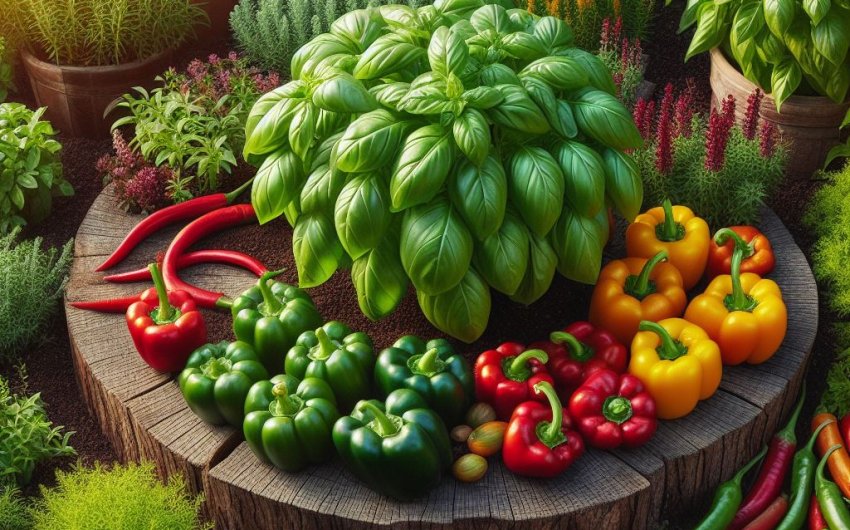
Gardening can be a truly rewarding experience, offering fresh produce and a connection to nature. However, it often comes with the frustrating challenge of dealing with unwanted guests: pests. These tiny invaders can decimate a garden, turning lush greens into a ragged mess. Many gardeners resort to chemical sprays, but these can harm beneficial insects, pollute the soil, and even leave residues on your food. Fortunately, there's a more natural, harmonious approach: companion planting. This age-old practice involves growing certain plants together because they benefit each other in various ways, including deterring pests. It's like building a little ecosystem right in your backyard, where plants work as a team to protect themselves. By strategically placing specific plants next to your vulnerable crops, you can create a natural barrier, confusing pests with strong scents, attracting their predators, or even luring them away from your prized plants. This method isn't just about keeping pests away; it's about fostering a healthier, more resilient garden that thrives with less intervention.
What is the secret behind plants that repel pests?
The magic of pest-repelling plants lies in their unique characteristics, primarily their scent and their ability to attract beneficial insects. Many plants produce strong aromatic compounds that are pleasant to humans but act as a deterrent to pests. Think of how a strong perfume can be overwhelming; for a tiny insect, these plant smells can be a powerful "keep out" sign. These compounds often mask the scent of vulnerable crops, making it harder for pests to find their desired meal. For example, some herbs emit odors that confuse common garden pests, making them unable to locate their target plants. This olfactory camouflage is a key strategy in companion planting.
Beyond smell, some plants are like five-star restaurants for beneficial insects. These insects, such as ladybugs, lacewings, and parasitic wasps, are the good guys in your garden. They feast on common pests, acting as natural pest control. By planting things that attract these helpful creatures, you're essentially hiring a tiny, tireless army to patrol your garden. For instance, tiny flowers provide nectar and pollen for these beneficial insects, encouraging them to set up shop in your garden and gobble up any unwelcome visitors. It's a win-win: the plants get protection, and the beneficial insects get a reliable food source.
How do aromatic plants confuse pests?
Many aromatic plants produce strong scents from compounds called essential oils. These oils are what give herbs like rosemary, mint, and lavender their distinctive smells. Pests, like aphids or cabbage worms, rely heavily on their sense of smell to find their host plants. They can sniff out specific chemical cues emitted by the plants they want to eat. When you interplant these aromatic heroes with your vegetables, the strong, often pungent, smell of the herbs can overwhelm or mask the scent of your vulnerable crops. It’s like trying to find a specific person in a crowded room full of different perfumes and colognes—it becomes much harder.
For example, the strong scent of marigolds (specifically French marigolds) is known to deter nematodes, tiny soil-dwelling worms that can damage plant roots. The chemicals released by marigold roots are toxic to these nematodes. Similarly, the pungent smell of garlic and onions can confuse and deter a wide range of pests, including aphids, slugs, and onion maggots. These plants effectively create a scent barrier, making your prized vegetables invisible or unappealing to pests. This natural confusion leads to pests moving on to find an easier target, leaving your garden relatively unharmed. Consider planting a border of French Marigold seeds around your vegetable beds to leverage their powerful deterrent qualities.
What are 'trap crops' and how do they work?
Trap crops are a clever companion planting strategy where you deliberately plant a highly attractive crop to lure pests away from your main garden plants. Think of it as a diversionary tactic. Pests are drawn to the trap crop because they find it more appealing, leaving your valuable vegetables alone. Once the pests are concentrated on the trap crop, you can then manage them more easily. This might involve physically removing the pests from the trap crop, or if the infestation is severe, removing the trap crop itself and disposing of it to get rid of the pests.
A classic example of a trap crop is nasturtiums. These beautiful flowering plants are incredibly attractive to aphids. Instead of aphids feasting on your beans or tomatoes, they'll flock to the nasturtiums. Once the nasturtiums are covered in aphids, you can simply pull out the nasturtium plants and discard them, taking the aphids with them. Another effective trap crop is dill for tomato hornworms. The hornworms prefer dill, so planting dill nearby can help draw them away from your tomato plants. This method reduces the need for constant monitoring of your main crops and provides a clear target for pest management. You might find a good selection of Nasturtium seeds to start your own trap crop strategy.
How do certain plants attract beneficial insects?
Attracting beneficial insects is a cornerstone of natural pest control. These helpful creatures include predators like ladybugs and lacewings, which devour aphids and other soft-bodied pests, and parasitic insects like parasitic wasps, which lay their eggs inside pest larvae, ultimately killing them. The key to drawing them in is providing what they need: nectar, pollen, and shelter. Many flowering plants, especially those with small, open flowers, are excellent at attracting these garden allies.
Dill, fennel, cilantro, and caraway are all members of the carrot family (Apiaceae) and produce clusters of tiny flowers that are perfect for beneficial insects to land on and feed from. Their flat, umbrella-like flower heads provide easy access to nectar and pollen. Yarrow, with its flat-topped flower clusters, is another superb choice. Sweet alyssum creates a low-growing carpet of small white flowers that attract a wide range of beneficials, including hoverflies, which are excellent at controlling aphids. By creating a diverse garden with a mix of these flowering plants, you're essentially rolling out the welcome mat for your tiny pest-fighting army. For an easy start, consider Sweet Alyssum seeds to quickly establish a beneficial insect haven.
What are the best plant pairings for common garden pests?
Choosing the right companion plants is crucial for effective pest management. Different pests are repelled by different plants, and some plants are particularly good at attracting the beneficial insects that prey on specific nuisances. Understanding these relationships allows you to create a personalized pest-repelling garden plan. It’s like knowing which superhero is best for which villain. Here are some proven pairings for common garden invaders:
Which plants deter aphids?
Aphids are one of the most common and persistent garden pests. These tiny, soft-bodied insects suck the sap from plants, causing stunted growth, curled leaves, and a sticky residue called honeydew, which can lead to sooty mold. Fortunately, there are many plants that either repel aphids or attract their predators.
Marigolds, especially French marigolds, are excellent aphid deterrents. Their strong scent is off-putting to aphids, and they also release compounds from their roots that can deter nematodes, which often weaken plants and make them more susceptible to aphid attacks. Planting chives around susceptible plants like roses or fruit trees can also help; aphids dislike the sulfur compounds released by chives. Nasturtiums, as mentioned, can act as a trap crop for aphids, luring them away from other plants.
To attract aphid predators like ladybugs and lacewings, plant dill, fennel, cilantro, yarrow, and sweet alyssum. These plants provide the nectar and pollen that beneficial insects need to thrive. For example, planting dill near your tomatoes or peppers can draw in ladybugs that will feast on any aphids that try to settle. You can easily find Dill seeds to incorporate into your garden.
What plants repel cabbage worms and other brassica pests?
Cabbage worms, also known as cabbage loopers and imported cabbageworms, are the bane of brassica growers. They munch through leaves of plants like cabbage, broccoli, kale, and cauliflower, leaving behind unsightly holes. These caterpillars are the larvae of small white or green moths. To protect your brassicas, you need plants that deter the moths from laying eggs or confuse the caterpillars.
Strong-smelling herbs are your best friends here. Rosemary, sage, thyme, and mint (planted in a container to prevent it from spreading too aggressively) are all excellent choices. Their pungent aromas can mask the scent of the brassicas, making it harder for the cabbage moths to find them. Planting hyssop and oregano nearby can also help confuse the moths.
Another effective strategy is to plant clover as a ground cover around your brassicas. Clover can deter cabbage worms by making it more difficult for the moths to land and lay eggs. It also provides beneficial insects with habitat. Additionally, marigolds can offer some protection against cabbage worms due to their general pest-repelling qualities. Consider adding some Rosemary plants to your garden to help protect your brassicas.
How can I keep squash bugs and cucumber beetles away?
Squash bugs and cucumber beetles are notorious pests for plants in the cucurbit family, which includes squash, cucumbers, melons, and pumpkins. Squash bugs suck sap from leaves, causing them to wilt and die, while cucumber beetles can transmit diseases like bacterial wilt, in addition to feeding on leaves and fruits.
To deter squash bugs, plant nasturtiums nearby. While nasturtiums can be a trap crop for aphids, their presence also seems to discourage squash bugs. Radishes are another good companion, as their strong scent can deter squash bugs. Marigolds can also offer some protection against these pests.
For cucumber beetles, radishes are a particularly effective companion. The beetles seem to dislike the smell or taste of radishes. Tansy is also known to repel cucumber beetles, but be careful with tansy as it can be quite invasive; it’s best grown in a container or in an area where it can be contained. Planting catnip around your cucurbits can also help, as its strong scent is a known deterrent to various pests, including cucumber beetles. You might consider trying Radish seeds as a simple and effective companion.
Which plants deter slugs and snails?
Slugs and snails are slimy, nocturnal pests that can leave a trail of destruction, munching holes in leaves, especially on young seedlings and tender leafy greens. They are often active in damp conditions. While not technically "repelling" in the same way as scent-based deterrents, some plants are simply less appealing to them or can create a barrier.
Plants with strong scents or rough textures are often avoided by slugs and snails. Hyssop, rosemary, and mint are less likely to be bothered by them due to their strong aromas. Garlic and chives can also deter them. Spiky or hairy leaves are also less appealing, making plants like lamb's ear (though primarily ornamental) less vulnerable.
A common strategy is to create a physical barrier around susceptible plants using materials that slugs and snails dislike to crawl over, such as crushed eggshells, diatomaceous earth (food-grade), or even copper tape. While these aren't plants, they work in conjunction with your companion planting efforts to enhance protection. For plant-based deterrence, try planting a border of Hyssop plants around your vulnerable crops.
What are good companions for tomatoes and peppers to deter pests?
Tomatoes and peppers are garden favorites, but they can be susceptible to pests like tomato hornworms, aphids, flea beetles, and whiteflies. Strategic companion planting can significantly reduce these issues.
For tomato hornworms, dill is an excellent trap crop; the hornworms prefer dill leaves, drawing them away from your tomatoes. Borage is another fantastic companion for tomatoes, as it deters hornworms and also improves tomato flavor. The rough, hairy leaves of borage might also deter some other pests. Marigolds (French marigolds) planted around tomatoes can help deter nematodes and other soil-borne pests.
To deter aphids and whiteflies from tomatoes and peppers, basil is a classic choice. Its strong scent is known to repel both. Planting chives or onions nearby can also help with aphids. To attract beneficial insects that prey on these pests, consider interplanting with sweet alyssum or cilantro. Mint (in a container) can also deter whiteflies. For a fragrant and effective companion, try adding Basil seeds to your tomato patch.
Which plants help with flea beetles?
Flea beetles are tiny, jumping insects that can cause a lot of damage, especially to young seedlings, by chewing small "shot holes" in leaves. They affect a wide range of plants, including brassicas, eggplants, peppers, and corn.
Catnip is a well-known deterrent for flea beetles. Its strong, minty scent seems to be very off-putting to them. Planting a border of catnip around susceptible plants can create an effective barrier. Radishes can also act as a trap crop for flea beetles, drawing them away from more valuable crops. Some gardeners plant radishes early in the season to lure the beetles, then remove the radish plants once the main crops are established and less vulnerable.
Aromatic herbs like mint (again, in a container to prevent spreading), rosemary, and thyme can also offer some protection by confusing the beetles with their strong smells. Additionally, maintaining good garden hygiene and ensuring strong, healthy plants can help them withstand minor flea beetle damage. You can easily find Catnip seeds to get started on deterring flea beetles.
What general companion planting rules should I follow?
While specific pairings are powerful, there are some general rules of thumb that will help you succeed with companion planting for natural pest control. Think of these as the guiding principles for a thriving, pest-resistant garden ecosystem.
Why is diversity important in companion planting?
Diversity is perhaps the most important rule in companion planting. A diverse garden, with a wide variety of plant types, is much more resilient to pest outbreaks than a monoculture (growing only one type of plant). In a monoculture, if a pest that likes that particular plant finds your garden, it has an all-you-can-eat buffet and can quickly multiply, leading to a devastating infestation.
In a diverse garden, however, the picture changes dramatically. The strong scents from various aromatic plants confuse pests, making it harder for them to find their host plants. The presence of many different flowering plants provides a constant supply of nectar and pollen for beneficial insects, ensuring they have a food source and a place to live, ready to spring into action when pests appear. It’s like having a well-stocked pantry and a comfortable home for your pest-fighting army. A diverse garden also creates more varied habitats, supporting a wider range of wildlife, including birds and other animals that might also feed on pests. For a robust and resilient garden, aim for a mix of vegetables, herbs, and flowers.
How does proper spacing impact companion planting?
Proper spacing is crucial for both plant health and the effectiveness of your companion planting strategies. While the idea is to have plants close enough to influence each other, overcrowding can do more harm than good. When plants are too close together, they compete for essential resources like sunlight, water, and nutrients in the soil. This competition can stress the plants, making them weaker and more susceptible to pests and diseases, which defeats the purpose of companion planting.
Good spacing allows for adequate air circulation around the plants, which helps to prevent fungal diseases that thrive in damp, stagnant conditions. It also ensures that each plant receives enough sunlight to grow strong and healthy. For companion plants, ensure they are close enough for their root exudates (chemicals released by roots) or their above-ground scents to have an effect on nearby plants, but not so close that they overshadow or stifle each other. Always check the recommended spacing for each plant on its seed packet or plant tag.
Why is soil health a key factor?
Soil health is the foundation of a thriving garden, and it plays a significant, though often overlooked, role in pest resistance. Healthy soil is teeming with beneficial microorganisms, fungi, and insects that create a balanced ecosystem. This vibrant soil environment supports strong, healthy plants that are naturally more resistant to pests and diseases. Think of it like a human with a strong immune system – they are less likely to get sick.
Plants growing in poor, depleted soil are stressed and weak, making them easy targets for pests. They lack the nutrients to build strong cell walls and produce the natural defense chemicals that deter insects. To improve soil health, focus on adding organic matter regularly. This can include compost, aged manure, or other decomposed plant materials. Organic matter improves soil structure, water retention, and nutrient availability, creating an ideal environment for beneficial soil life. Using organic compost regularly can drastically improve your garden's overall resilience.
What role do plant families play in companion planting?
Understanding plant families is very helpful in companion planting, especially when it comes to avoiding common mistakes. Plants within the same family often share similar pests and diseases because they have similar genetic makeup and chemical compositions. For example, all members of the brassica family (cabbage, broccoli, kale) are susceptible to cabbage worms and flea beetles. If you plant them all together, and a pest that likes brassicas finds your garden, it can spread rapidly through all your plants.
Conversely, plants from different families are less likely to share the same vulnerabilities. This is why rotating crops (moving plants to different spots in the garden each year) is a common gardening practice to break pest and disease cycles. When planning your companion planting, try to intersperse plants from different families. For instance, don't plant all your brassicas in one block. Instead, mix them with aromatic herbs or other vegetables from different families. This diversity breaks up the "all-you-can-eat buffet" for pests and helps to confuse them.
Are there any companion planting mistakes to avoid?
While companion planting is a powerful tool for natural pest control, it's not foolproof, and there are common pitfalls that can hinder your success. Being aware of these mistakes can save you time, effort, and disappointment. It’s like knowing the hidden traps in a maze.
What are 'bad neighbors' in companion planting?
Just as some plants are good companions, others are considered "bad neighbors" because they can actually harm each other. This harm can manifest in various ways: inhibiting growth, attracting shared pests, or making each other more susceptible to diseases. Knowing these problematic pairings is as important as knowing the beneficial ones.
For example, fennel is notoriously difficult to pair with most plants. It can inhibit the growth of many vegetables, including tomatoes, beans, and kohlrabi. Its roots release substances that are detrimental to other plants. Similarly, walnut trees produce a chemical called juglone that is toxic to many plants, including tomatoes, peppers, and blueberries.
Another example is planting corn too close to tomatoes. While not directly harmful, both plants are heavy feeders, meaning they need a lot of nutrients. If planted too close, they will compete intensely for resources, potentially leading to stunted growth for both. Always research specific plant pairings to avoid these "bad neighbor" scenarios.
Why is 'invasive' growth a concern?
Some companion plants, while beneficial for pest control, have a tendency to grow very aggressively and can quickly take over a garden bed. This is especially true for many members of the mint family, such as mint itself and lemon balm. While their strong scents are great for deterring pests, their sprawling root systems can choke out less vigorous plants, stealing water and nutrients.
If you want to use invasive plants like mint in your companion planting strategy, the best approach is to grow them in containers. This prevents their roots from spreading uncontrollably into your garden beds. You can then sink the containers directly into the ground or place them strategically near the plants you want to protect. This way, you get the benefit of their pest-repelling qualities without the headache of them taking over your garden. A well-chosen Mint plant in a container can be a perfect solution.
Can too much of a good thing be bad? (Overplanting)
While diversity is key, it's also possible to have too much of a good thing. Overplanting, especially with too many different companion plants in a small space, can lead to overcrowding, as mentioned before. When you have too many plants vying for the same space, light, water, and nutrients, all your plants can suffer. This stress can weaken them, making them more susceptible to pests and diseases, completely counteracting your efforts.
The goal of companion planting is balance. You want enough diverse plants to create a beneficial ecosystem without making the garden a crowded jungle. Consider the mature size of each plant when planning your layout. Allow enough space for each plant to grow to its full potential without shading out or competing excessively with its neighbors. A well-planned, rather than overstuffed, garden will be more productive and pest-resistant.
Why is ignoring your garden's specific needs a mistake?
Every garden is unique, with its own specific climate, soil type, sunlight exposure, and prevailing pest pressures. A companion planting strategy that works wonders in one garden might not be as effective in another. One of the biggest mistakes is to rigidly follow a "one-size-fits-all" plan without observing your own garden's needs.
For instance, if your garden consistently struggles with squash bugs, then prioritizing companion plants that deter them (like nasturtiums and radishes) should be a focus. If you have a lot of shade, choosing sun-loving pest-repelling plants won't work. Pay attention to what pests you actually see, how your soil performs, and what plants thrive in your specific microclimate. Adjust your companion planting choices based on these observations. Start small, experiment with a few pairings, and learn what works best for your garden. This personalized approach is much more effective than blindly following a generic guide.