
How often should I water my lawn?
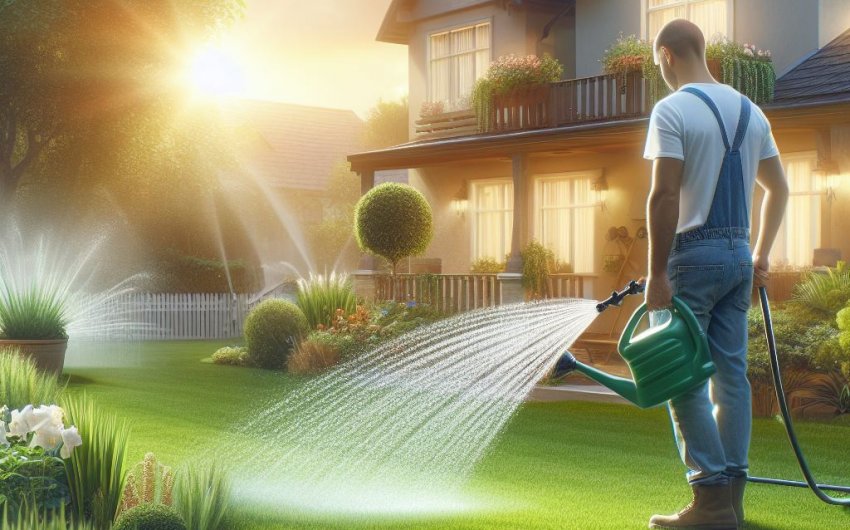
Maintaining a vibrant, healthy lawn is a goal for many homeowners, and a crucial part of achieving that lush green carpet is proper irrigation. There's no one-size-fits-all answer to how frequently you should hydrate your grass, as various elements influence its water needs. Understanding these factors will allow you to tailor a watering schedule that promotes deep root growth, conserves water, and keeps your turf looking its best. Getting the balance right is key to preventing both dehydration and overwatering, both of which can harm your lawn.
What Factors Influence How Often I Should Water My Lawn?
The ideal lawn watering schedule is not static; it's a dynamic plan that adjusts based on several important environmental and turf-specific conditions. Neglecting these factors can lead to either wasted water or a struggling lawn. Paying attention to these variables helps you provide just the right amount of moisture.
What Role Does Grass Type Play?
Different grass types have varying water requirements. Generally, grasses are categorized as either cool-season grasses or warm-season grasses. Cool-season grasses, like Kentucky Bluegrass, Fescue, and Ryegrass, grow best in cooler temperatures and often require more consistent watering during hot summer months to stay green. They tend to have shallower root systems, making them more susceptible to drought stress. Warm-season grasses, such as Bermudagrass, Zoysiagrass, and St. Augustinegrass, thrive in warmer climates and are generally more drought-tolerant. They often have deeper root systems, allowing them to extract water from further down in the soil. Understanding your grass type is the first step in setting up an effective watering routine. A turfgrass identification guide like The Lawn Expert can help you identify your specific variety.
How Does Soil Type Affect Watering?
The kind of soil in your lawn significantly impacts how often and how much water it can hold. Sandy soils drain very quickly because their particles are larger and create more air pockets. This means water moves through them rapidly, and the lawn will need more frequent, but shorter, watering sessions. If you have sandy soil, your lawn might need water every two to three days during hot weather. Clay soils have very fine particles and hold water much more effectively. They can become waterlogged easily if overwatered. Lawns on clay soil benefit from less frequent but deeper watering, perhaps once a week, allowing the water to slowly penetrate and reducing runoff. Loamy soils are a good balance of sand, silt, and clay. They drain well but also retain enough moisture. Lawns on loamy soil often have the most balanced watering needs. Knowing your soil composition helps you apply water efficiently. You can test your soil with a soil testing kit.
What Impact Does Climate and Weather Have?
Your local climate and current weather conditions are perhaps the biggest influencers on your watering schedule. In hot and dry weather, evaporation rates are high, and plants use more water, so your lawn will naturally need more frequent watering. During cooler temperatures or periods of rain, your lawn will require less, or even no, supplemental water. Humidity levels also play a role; higher humidity means less evaporation from the soil and grass blades, reducing water needs. Always check your local weather forecast before watering. A smart sprinkler system that connects to local weather data can automatically adjust its schedule.
How Does Sunlight Exposure Matter?
Areas of your lawn that receive full sun exposure will dry out much faster than those in the shade. Lawns in sunny spots may need more frequent watering than shady areas, even within the same yard. Similarly, areas near heat-reflecting surfaces like driveways, patios, or fences will also dry out more quickly. Consider creating watering zones if parts of your lawn have significantly different sun exposure.
What Are the Signs My Lawn Needs Water?
Your lawn will tell you when it's thirsty. Learning to read these signs of dehydration is key to responsive watering.
- Color change: The most obvious sign is a dull, bluish-gray tint instead of a vibrant green.
- Footprints: If you walk across your lawn and your footprints remain visible for a while, it means the grass blades lack enough water to spring back up. Healthy grass will bounce back quickly.
- Wilting/Curling: Grass blades may start to wilt, curl inward, or fold along the midrib to conserve moisture. These visual cues are your best indicators that it's time to water.
How Deeply and When Should I Water My Lawn?
It's not just about how often you water, but also how much and at what time of day. Watering deeply and at the right time promotes strong roots and minimizes water loss.
How Deeply Should I Water?
The goal is to water deeply and infrequently. This encourages your grass roots to grow deeper into the soil in search of moisture, making them more resilient to dry spells. Aim to apply about 1 inch of water per week in total, either all at once or split into two half-inch applications. This amount typically penetrates 4-6 inches into the soil, which is the ideal root depth for most established lawns. You can measure how much water you're applying by placing an empty tuna can or rain gauge in your sprinkler's path and timing how long it takes to collect 1 inch of water. For a good measure, consider a rain gauge.
What is the Best Time of Day to Water?
The best time to water your lawn is in the early morning, between 4 AM and 9 AM.
- Minimizes evaporation: Cooler temperatures and less wind mean more water reaches the roots and less is lost to evaporation.
- Allows grass to dry: Watering in the morning allows the grass blades to dry off before nightfall. This is crucial for preventing fungal diseases, which thrive in prolonged damp conditions.
- Avoids evening watering: Watering in the evening means the grass stays wet all night, creating an ideal environment for diseases.
- Avoids midday watering: Watering during the hottest part of the day leads to significant water loss due to evaporation and can sometimes scorch the grass.
How Can I Avoid Overwatering?
Overwatering can be just as damaging as underwatering. It can lead to:
- Shallow roots: Grass roots stay near the surface where water is readily available, making the lawn less drought-tolerant.
- Fungal diseases: Constantly wet conditions are perfect for the growth of lawn diseases like brown patch or dollar spot.
- Nutrient leaching: Excessive water washes essential nutrients deeper into the soil, beyond the reach of grass roots.
- Weed growth: Weeds often thrive in constantly moist conditions.
- Water waste: It's inefficient and costly. Pay attention to the signs of overwatering, such as a spongy feel to the lawn, moss growth, or a sudden increase in fungal issues. Reduce watering frequency if you observe these signs.
What Tools and Techniques Can Help Me Water My Lawn Efficiently?
Efficient watering not only saves water but also promotes a healthier lawn. Using the right tools and techniques can make a big difference in how well your lawn receives the moisture it needs.
What Sprinklers Are Best for Lawns?
Choosing the right sprinkler system can significantly impact watering efficiency.
- Oscillating sprinklers are good for rectangular areas and provide a gentle spray.
- Impact sprinklers shoot water over a longer distance and are durable, suitable for larger areas.
- Rotary sprinklers provide a slower, more even distribution of water over large areas, allowing for better absorption.
- Hose-end sprinklers are versatile and affordable for smaller to medium-sized lawns.
- In-ground sprinkler systems offer convenience and precision, especially with smart controllers. No matter the type, ensure your sprinkler covers your lawn evenly without overspraying onto sidewalks or driveways.
How Can a Rain Gauge Help?
A rain gauge is a simple yet effective tool for measuring how much water your lawn is receiving, whether from rainfall or your sprinkler. Place it in an open area of your lawn. This helps you determine if your sprinkler is applying enough water (aim for 1 inch per week) and prevents overwatering when natural rainfall has already provided sufficient moisture. It's an essential tool for any homeowner serious about smart watering.
What About Smart Sprinkler Controllers?
Smart sprinkler controllers are a game-changer for efficient lawn watering. These devices connect to Wi-Fi and use local weather data, soil type information, and plant type details to automatically adjust your watering schedule. They can delay watering if rain is expected, increase watering during heatwaves, and ensure your lawn gets just the right amount of water. This automation saves water, time, and takes the guesswork out of lawn care. Consider a smart sprinkler controller to upgrade your system.
How Does Aeration Improve Water Absorption?
Lawn aeration is the process of creating small holes in the lawn to alleviate soil compaction. Compacted soil prevents water, air, and nutrients from reaching the grass roots. By aerating your lawn once a year (or more often for high-traffic areas or heavy clay soils), you improve water penetration and reduce runoff. This means more water reaches the root zone where it's needed, making your watering efforts more effective. You can rent an aerator or hire a professional lawn care service.
What is Proper Mowing Height's Impact?
Mowing your grass at the correct height directly impacts its water needs. Taller grass blades (typically 2.5 to 3 inches or even higher for cool-season grasses in summer) create shade for the soil, reducing water evaporation. Taller grass also develops deeper root systems, making the lawn more resilient to drought. Cutting grass too short stresses the plant and exposes the soil, leading to faster drying. Aim to follow the "one-third rule," never removing more than one-third of the blade length at a time.
What Common Watering Mistakes Should I Avoid?
Many homeowners make common mistakes when watering their lawns that can lead to unhealthy grass and wasted water. Knowing what to avoid can save you headaches and help you achieve a greener lawn.
Why is Shallow Watering Bad?
One of the most common mistakes is shallow watering. This means frequently applying small amounts of water that only wet the top inch or two of the soil. While it might seem like you're watering often, this practice encourages grass roots to stay near the surface. These shallow roots are highly susceptible to drought stress during hot or dry periods because they can't access deeper moisture reserves. Always aim for deep watering to encourage those crucial deep roots.
Why Should I Avoid Watering at Night?
As mentioned earlier, watering at night is a major no-no for lawn health. When grass blades remain wet for extended periods, especially overnight, it creates a perfect environment for fungal diseases to thrive. Diseases like brown patch, dollar spot, and rust can quickly spread and damage large areas of your lawn, often requiring chemical treatments to resolve. Always water in the early morning to allow the grass to dry completely before nightfall.
Is Ignoring Rainfall a Mistake?
Many people water their lawn on a fixed schedule, regardless of recent rainfall. Ignoring rainfall is a significant waste of water and can lead to overwatering. Always check local weather reports and observe if your lawn has received natural precipitation. If your lawn has received a good soaking from rain, you can skip your scheduled watering for that week or adjust the amount you apply. A rain gauge helps immensely with this.
Why is Watering too Quickly a Problem?
Applying water too quickly, especially on sloped areas or compacted soil, often leads to runoff. This means the water isn't penetrating the soil; instead, it's just flowing away, wasting water and potentially causing erosion. If you notice puddling or runoff, try watering in shorter bursts with "soak cycles." For example, water for 15 minutes, then wait an hour for the water to soak in, then water for another 15 minutes. This allows the soil to absorb the water effectively without waste.
What About Not Adjusting for Seasons?
Failing to adjust your watering schedule for seasonal changes is another common error. Your lawn's water needs are vastly different in spring, summer, fall, and winter. In spring, as grass emerges from dormancy, it needs consistent but not excessive water. In summer, especially during hot spells, water needs peak. In fall, as temperatures cool, reduce watering frequency to prepare the lawn for winter dormancy. In winter, cool-season grasses might need occasional watering if there's no snow cover and the ground isn't frozen, while warm-season grasses typically need little to no water during their dormancy. Always be flexible and adapt your watering to the current weather and season.
How Can I Make My Lawn More Water Efficient?
Beyond just watering correctly, there are several steps you can take to make your lawn naturally more resistant to drought and less reliant on frequent irrigation. These practices promote a healthier, more sustainable lawn.
What is the Importance of Proper Mowing?
As mentioned, proper mowing is a cornerstone of water efficiency. Mowing at a taller height (at least 2.5 to 3 inches for most turf types) shades the soil, reduces evaporation, and encourages deeper root growth. Always use a sharp mower blade for a clean cut; dull blades tear the grass, making it more susceptible to disease and water loss. Regular mowing at the correct height is a simple yet powerful way to build a resilient lawn. A good reel mower can help maintain a consistent height.
How Does Fertilization Help?
A well-fed lawn is a healthy lawn, and a healthy lawn is more water-efficient. Proper fertilization provides your grass with the nutrients it needs to develop strong, deep root systems and healthy leaf blades. Avoid over-fertilizing, especially with too much nitrogen, as this can lead to excessive top growth that demands more water. Use a balanced fertilizer and follow recommended application rates for your grass type and season. A healthy lawn can better withstand periods of drought.
What is the Role of Aeration and Dethatching?
Aeration and dethatching are vital for water efficiency. Aeration (creating holes in the soil) improves water penetration and allows water to reach the roots instead of running off. Dethatching (removing the layer of dead grass and organic matter that accumulates between the soil surface and the green grass blades) also improves water movement to the roots. A thick layer of thatch can act like a sponge, holding water near the surface and preventing it from reaching the soil, or it can repel water entirely if it becomes too dense. These practices ensure your watering efforts are truly effective.
Should I Consider Grasscycling?
Grasscycling means leaving grass clippings on your lawn after mowing instead of bagging them. These clippings quickly decompose, returning valuable nutrients and organic matter to the soil. This natural process improves soil health, boosts its water-holding capacity, and can reduce your need for synthetic fertilizers. Grass clippings also provide a light mulch layer that helps conserve soil moisture.
What About Mulching Around Trees and Shrubs?
While not directly about the lawn, mulching around trees and shrubs in your yard contributes to overall water conservation. A layer of organic mulch (like wood chips or shredded bark) around landscape plants helps retain soil moisture, suppresses weeds that compete for water, and moderates soil temperature. This means your trees and shrubs will need less supplemental watering, freeing up water for your lawn if needed. Consider using a garden shredder to make your own mulch.