
What is the best way to mow a lawn for optimal growth?
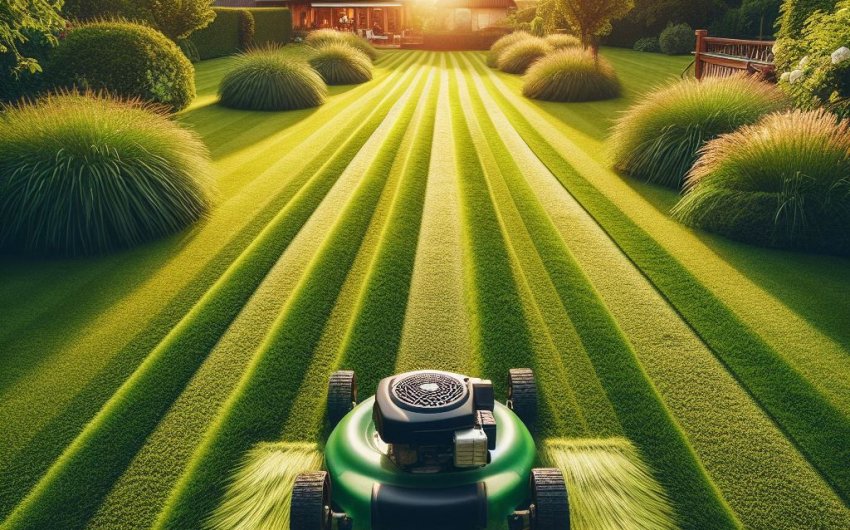
Achieving a lush, green, and healthy lawn goes beyond just pushing a mower around; it involves understanding and applying best practices that encourage strong, resilient grass. For optimal growth, your mowing routine plays a much larger role than you might think, influencing everything from weed control to drought resistance. Let's delve into the techniques and considerations that define the best way to mow a lawn for peak health and beauty.
What Are the Fundamental Principles of Smart Mowing?
Before we talk about specific techniques, it's important to grasp the core ideas behind healthy lawn mowing. These principles apply to almost all types of grass and climates.
What is the "One-Third Rule"?
This is arguably the most important rule in smart mowing. The one-third rule states that you should never remove more than one-third of the grass blade's total height at any single mowing. Cutting off too much at once stresses the grass, making it weak and more prone to disease, pests, and weeds. For example, if your ideal grass height is 3 inches, you should mow when it reaches about 4.5 inches. This might mean mowing more frequently when the grass is growing fast, but it's crucial for a healthy lawn.
Why is Mowing Height Important?
The height at which you mow your grass has a huge impact on its health and appearance. Taller grass generally means deeper roots, which leads to a more robust, drought-tolerant, and weed-resistant lawn.
- Deeper Roots: Taller grass blades allow for more photosynthesis, which in turn fuels the development of deeper, stronger root systems. These roots can access water and nutrients from deeper in the soil, making the lawn more resilient during dry spells.
- Shade for Soil: Taller grass blades also shade the soil more effectively. This helps to suppress weed germination by blocking sunlight and keeps the soil cooler, reducing water evaporation.
- Recommended Heights:
- Cool-Season Grasses (e.g., Kentucky Bluegrass, Fescue, Ryegrass): Aim for 2.5 to 3.5 inches. In hotter summer months, going a bit taller (3.5 inches) can help with drought stress.
- Warm-Season Grasses (e.g., Bermuda, Zoysia, St. Augustine, Centipede): These can generally be cut shorter, ranging from 1 to 2.5 inches, depending on the specific grass type. Bermuda and Zoysia can handle shorter cuts if regularly mowed, while St. Augustine and Centipede prefer to be a bit taller.
Why is Mowing Frequency Key?
The ideal mowing frequency isn't a fixed schedule (like "once a week") but rather dictated by the growth rate of your grass, which changes with the season, temperature, and moisture.
- Growth Rate Dictates: In peak growing seasons (spring for cool-season grasses, summer for warm-season grasses), you might need to mow every 3-5 days to adhere to the one-third rule. During slower growth periods, you might only need to mow every 1-2 weeks.
- Avoid Scalping: Mowing too infrequently leads to cutting off too much at once (scalping), which is very stressful for the grass and can leave unsightly brown patches.
- Consistency: A consistent mowing height and frequency (based on grass growth) creates a uniform, healthy appearance.
Why Are Sharp Mower Blades a Must?
This is perhaps the most overlooked aspect of healthy mowing. Sharp mower blades make a clean cut, like a sharp knife through butter. Dull blades, however, tear and shred the grass blades, leaving ragged edges.
- Clean Cut vs. Torn Blades: Torn grass blades are highly susceptible to disease and pests because the open, damaged ends are vulnerable entry points. They also turn brown quickly, giving your lawn a dull, unhealthy appearance.
- Energy Efficiency: Sharp blades require less power from your mower, making it run more efficiently and extending its life.
- How Often to Sharpen: Sharpen your blades at least once per mowing season, or more frequently if you have a large lawn or encounter debris. Some experts recommend sharpening every 10-12 hours of mowing. You can do this yourself with a blade sharpener or take it to a professional. A good lawn mower blade sharpener can be a useful tool.
What Are the Best Mowing Techniques for Optimal Lawn Health?
Beyond the basic principles, adopting specific mowing techniques can further enhance your lawn's health and appearance.
Should You Vary Your Mowing Pattern?
Always mowing in the same direction can cause the grass blades to lean in that direction, leading to ruts in the lawn and uneven growth.
- Change Directions: Vary your mowing pattern each time you cut the grass. If you mowed north-south last time, mow east-west or diagonally this time.
- Benefits: This encourages the grass to grow more upright, helps distribute mower weight evenly, and creates that appealing striped look that many desire.
What About Clippings: Bag or Mulch?
For a healthy lawn, mulching grass clippings (leaving them on the lawn) is almost always the best option.
- "Grasscycling": This practice, also known as grasscycling, returns valuable nutrients (nitrogen, potassium, phosphorus) back to the soil. Grass clippings are about 80-85% water and decompose quickly, acting as a natural fertilizer.
- Environmental Benefits: It reduces landfill waste and the need for synthetic fertilizers.
- Conditions for Mulching: Ensure your mower has a mulching blade or kit. Only mulch if the clippings are short (adhering to the one-third rule). If you're cutting off a lot of grass, clippings can clump and smother the lawn, leading to thatch buildup (a dense layer of organic matter above the soil). In such cases, it's better to bag them.
- Thatch vs. Clippings: Clippings contribute very little to thatch if they are finely cut and allowed to decompose properly. Thatch is primarily composed of stems and roots that haven't broken down. A good mulching lawn mower blade will chop clippings finely.
When is the Best Time of Day to Mow?
Timing your mowing matters for both your lawn's health and your comfort.
- Mid-Morning or Late Afternoon: The ideal time is usually mid-morning after the dew has dried off, or late afternoon before evening dew sets in.
- Avoid Wet Grass: Never mow when the grass is wet. Wet grass clumps, clogs your mower, and can lead to uneven cuts. It also spreads disease more easily.
- Avoid Midday Heat: Mowing during the hottest part of the day (mid-day summer) can stress both you and your lawn. Grass is already under heat stress, and cutting it at this time adds to the burden.
How Should You Mow Slopes Safely?
Mowing on slopes requires extra caution.
- Walk-Behind Mowers: When using a walk-behind mower on a slope, mow across the slope (side-to-side) rather than up and down. This reduces the risk of slipping.
- Riding Mowers: For riding mowers, mow up and down the slope, not across. Riding across a steep slope increases the risk of tipping over.
- Traction: Ensure your mower has good tire traction.
Should You Edge and Trim?
For a neat and finished look, edging and trimming are essential.
- Edging: Use an edger (manual or powered) to create clean lines along sidewalks, driveways, and garden beds. This creates a sharp contrast and frames your lawn beautifully. A battery-powered edger can make this task easier.
- Trimming (Weed Wacking): Use a string trimmer (weed wacker) to cut grass in areas your mower can't reach, such as around trees, fences, and mailboxes. Be careful not to "scalp" grass too short around tree trunks, as this can damage the tree.
- Timing: Do these after mowing to ensure a uniform height and to catch any clippings that might fall onto paved areas.
What Mower Types Are Best for Optimal Lawn Growth?
The type of mower you use can also play a role in your lawn's health, though proper technique is always more important than the mower itself.
Reel Mowers: For a Precise Cut
- How They Work: Reel mowers use a cylindrical blade system that spins vertically, scissoring the grass blades against a stationary blade.
- Benefits: They provide the cleanest, healthiest cut, minimizing damage to grass blades. They are quiet, eco-friendly (no gas or electricity), and good for smaller, flat lawns, especially those with fine-bladed grass types like Bermuda or Zoysia, or if you desire a "golf course" look.
- Drawbacks: Require more effort, can't handle tall grass well, and need frequent blade sharpening.
Rotary Mowers: Versatility and Power
- How They Work: Rotary mowers use a single blade that spins horizontally, cutting grass by impact.
- Benefits: More versatile, can handle taller grass, rougher terrain, and are available in gas, electric (corded or battery), and robotic versions. Good for most lawn types and sizes. Most modern rotary mowers can also mulch clippings effectively.
- Drawbacks: The cut isn't as clean as a reel mower, potentially causing more stress if blades are dull.
Robotic Mowers: Automated Precision
- How They Work: These autonomous mowers use sensors and boundary wires to navigate and cut your lawn automatically.
- Benefits: Provide very frequent mowing, which adheres perfectly to the one-third rule. They continuously mulch tiny clippings, returning nutrients. Great for maintaining a consistent, pristine height with minimal effort. Quiet and electric. A robotic lawn mower can free up your time.
- Drawbacks: Higher initial cost, need boundary wire installation, and don't handle very steep slopes or intricate trimming.
What Are Common Mowing Mistakes to Avoid?
Even with good intentions, some common errors can harm your lawn. Recognizing and avoiding them is crucial.
Avoiding "Scalping" Your Lawn
- What it is: Cutting the grass too short, especially if you remove more than one-third of the blade. This exposes the crowns (the growing point of the grass plant) and the soil.
- Why it's Bad: Severely stresses the grass, depletes its energy reserves, makes it highly susceptible to weeds (especially crabgrass, which loves open, sunny spots), disease, and drought. Can lead to brown, patchy areas.
- Solution: Stick to the one-third rule. Adjust your mowing frequency as grass growth dictates.
Mowing with Dull Blades
- What it is: Using mower blades that are not sharp enough to make a clean cut.
- Why it's Bad: Tears and shreds grass blades, leaving jagged, open wounds that turn yellow or brown quickly. These damaged blades are entry points for fungal diseases and pests. Gives the lawn a ragged, dull appearance.
- Solution: Sharpen blades regularly. Keep an extra set of sharp blades on hand for quick swaps.
Mowing When the Grass is Wet
- What it is: Mowing immediately after rain, heavy dew, or irrigation.
- Why it's Bad: Wet grass clumps and clogs the mower deck, leading to uneven cuts and leaving unsightly clumps on the lawn. It also dulls blades faster and can spread fungal diseases more easily. It can be slippery and dangerous for the operator.
- Solution: Wait until the grass is dry, typically mid-morning or late afternoon.
Neglecting Bagged Clippings
- What it is: Leaving clumps of bagged clippings on the lawn after mowing, or not raking them up if you have to bag a heavy cut.
- Why it's Bad: Clumps of clippings can smother the grass underneath, leading to yellow or brown spots.
- Solution: If you must bag, ensure you collect all clippings. If you're mulching, make sure the clippings are finely cut and evenly dispersed. A leaf blower can help disperse mulched clippings.
Forgetting to Clean the Mower Deck
- What it is: Allowing grass clippings to accumulate under the mower deck.
- Why it's Bad: Buildup reduces airflow, leading to less efficient cutting and potentially clogging the discharge chute. It can also cause rust and shorten the life of your mower.
- Solution: After each use (or every few uses), tip the mower on its side (spark plug up for gas mowers) and scrape out any caked-on grass with a stick or scraper.
Mowing the Same Pattern Every Time
- What it is: Repeatedly mowing in the same direction or pattern.
- Why it's Bad: This can compact the soil unevenly, lead to ruts, and encourage grass blades to grow leaning in one direction, resulting in an uneven appearance.
- Solution: Vary your mowing pattern each time you cut the grass (e.g., perpendicular, diagonal, circular).
How Does Mowing Fit into a Holistic Lawn Care Plan?
While crucial, mowing is just one piece of the puzzle for a truly healthy lawn. It works best when combined with other good lawn care practices.
What Role Does Watering Play?
- Deep and Infrequent: Like mowing, proper watering promotes deep root growth. Water deeply to encourage roots to search for moisture, rather than shallowly and frequently, which encourages shallow roots.
- Timing: Water in the early morning to reduce evaporation and allow the grass blades to dry before nightfall, reducing the risk of fungal diseases.
- Amount: Most lawns need about 1 inch of water per week, including rainfall.
What About Fertilizing?
- Nutrient Replenishment: Fertilizing provides essential nutrients that grass needs to grow vigorously. Mulching clippings helps, but supplemental feeding is usually needed.
- Right Fertilizer for Grass Type: Use a fertilizer appropriate for your grass type and the season.
- Application: Apply fertilizer evenly and according to package directions to avoid burning the lawn.
Why is Aeration Important?
- Relieve Compaction: Over time, soil can become compacted from foot traffic, mowing, and heavy rain. Aeration (creating small holes in the soil) helps relieve this compaction.
- Improved Access: It allows water, nutrients, and air to reach the grass roots more easily, promoting stronger growth.
- Timing: Aerate cool-season grasses in early fall or spring, and warm-season grasses in late spring or early summer.
What About Weed Control?
- Healthy Grass is Best Defense: A dense, healthy lawn is your best defense against weeds because it shades out weed seeds and competes effectively for resources. Proper mowing height is key here.
- Pre-Emergents: Apply pre-emergent herbicides in spring and fall to prevent weed seeds from germinating.
- Spot Treatment: For individual weeds, spot treat with a targeted herbicide or remove them manually.
Why Is Overseeding Beneficial?
- Fill in Thin Spots: Overseeding (spreading new grass seed over an existing lawn) helps to fill in bare or thin areas, increasing the overall density of your turf.
- Improve Resilience: A dense lawn is more resistant to weeds, pests, and environmental stress.
- Timing: Best done in fall for cool-season grasses, and late spring/early summer for warm-season grasses, after aerating. A lawn spreader can make overseeding easier.
By integrating these practices with your mowing routine, you'll be well on your way to cultivating a lawn that is not only beautiful but also incredibly healthy and resilient, standing up to the demands of weather and use with ease. The best way to mow a lawn is part of a larger commitment to nurturing your outdoor space.