
Aroma Ambassadors: Indoor Plants for Scented Spaces
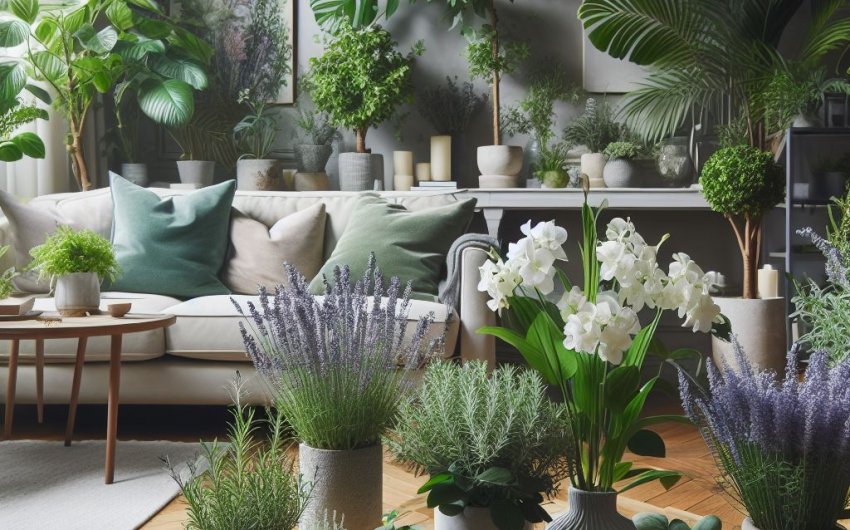
Yes, indoor plants can serve as remarkable aroma ambassadors, actively infusing your home with natural, pleasant scents that transform ordinary spaces into truly scented havens. By strategically selecting specific fragrant species, you can enjoy invigorating citrus notes, soothing florals, or fresh herbal aromas, cultivating an inviting atmosphere that engages more than just the visual sense. These green companions are much more than decorative; they are living diffusers, essential for enhancing the olfactory charm of your indoor environment.
Why Are Scented Spaces Important for Wellbeing?
Creating scented spaces in your home is far more than an aesthetic indulgence; it's a powerful tool for enhancing overall wellbeing, directly impacting mood, relaxation, and even memory. The natural fragrances emitted by aroma ambassadors offer a subtle yet profound way to transform your indoor environment, making it a more pleasant and supportive place to live. These indoor plants for scented spaces contribute significantly to a harmonious atmosphere.
What Are the Psychological & Emotional Benefits of Natural Scents?
Our sense of smell is intricately linked to our emotions and memories, making natural fragrances a potent force for psychological and emotional well-being. Aroma ambassadors leverage this connection for our benefit.
- Mood Enhancement: Certain natural scents can directly elevate mood, reduce feelings of sadness, and inspire optimism. A fresh, invigorating citrus scent can energize, while a soft floral can soothe, making your home a more positive space.
- Stress and Anxiety Reduction: Many plant-derived aromas, like lavender and jasmine, have been scientifically studied for their anxiolytic (anxiety-reducing) and calming properties. They can lower heart rate, blood pressure, and cortisol levels, promoting relaxation and peace.
- Memory and Association: Scents are powerful triggers for memory. Familiar and pleasant aromas can evoke positive past experiences, creating a sense of comfort, nostalgia, and security within your home.
- Improved Sleep Quality: Specific calming scents, particularly from plants like jasmine or lavender, can promote deeper, more restful sleep by signaling relaxation to the brain and body.
- Increased Focus and Alertness: Conversely, invigorating scents like rosemary or citrus can boost mental clarity, focus, and alertness, making certain areas (like a home office) more conducive to productivity.
- Atmospheric Perception: Natural fragrances make a home feel cleaner, fresher, and more inviting, contributing to a general sense of comfort and well-being. They reduce feelings of staleness or stuffiness.
How Do Aroma Ambassadors Enhance Indoor Air Quality?
Beyond direct mood influence, plants that emit fragrance often contribute to better indoor air quality, which further enhances overall comfort and well-being. These indoor plants for scented spaces offer a dual benefit.
- Natural Air Fresheners: Instead of masking odors with artificial chemicals, fragrant plants provide a natural and continuous source of pleasant aroma, subtly neutralizing or improving the perception of indoor air.
- Air Purification (Coincidental): While not their primary function, many aromatic plants also possess air-purifying capabilities, absorbing common VOCs (Volatile Organic Compounds) that can contribute to headaches or respiratory irritation. This dual action means fresher, cleaner-smelling air.
By consciously integrating indoor plants that act as aroma ambassadors, you are not just adding aesthetic appeal but actively cultivating a multi-sensory environment that supports your emotional well-being, reduces stress, and creates a truly pleasant and harmonious home.
Which Indoor Plants Are Top Aroma Ambassadors?
To effectively transform your home into truly scented spaces, selecting specific indoor plants renowned for their captivating fragrances is paramount. These particular species are excellent aroma ambassadors, readily releasing invigorating, soothing, or fresh herbal scents that enhance your mood and create a wonderfully inviting atmosphere. They are indispensable indoor plants for scented spaces.
What Are Excellent Choices for Natural Fragrance?
These plants are champions at infusing your home with delightful, natural aromas, making them perfect aroma ambassadors. They offer a diverse palette of scents to suit any preference.
- Jasmine (Jasminum polyanthum or Jasminum sambac - Arabian Jasmine):
- Why it's a top ambassador: Famous for its intensely sweet, intoxicating fragrance, especially strong in the evening. Studies show jasmine scent can reduce anxiety and promote relaxation and sleep. J. polyanthum has white, star-shaped flowers and J. sambac has larger, very fragrant white blooms often used for tea.
- Care Tip: Needs bright light, a support to climb, and consistent moisture, especially when flowering. A fragrant jasmine plant with trellis is a sensory delight.
- Lavender (Lavandula species - e.g., French Lavender, English Lavender):
- Why it's a top ambassador: The iconic scent of lavender is widely recognized for its calming, stress-reducing, and sleep-inducing properties. Dwarf or hybrid varieties can be grown indoors near a sunny window to release their therapeutic aroma.
- Care Tip: Requires abundant direct sunlight and excellent drainage. Water sparingly. A potted lavender plant for indoors needs significant light.
- Gardenia (Gardenia jasminoides):
- Why it's a top ambassador: Known for its exquisitely sweet, creamy, and strong floral fragrance and beautiful, waxy white flowers. A blooming gardenia fills a room with a luxurious scent.
- Care Tip: High maintenance! Needs bright, indirect light, high humidity, consistently moist acidic soil, and warm temperatures. Not for beginners, but rewarding. A gardenia plant for scented spaces offers a powerful aroma.
- Scented Geraniums (Pelargonium species, scented varieties):
- Why it's a top ambassador: Not grown for their flowers, but for their leaves which release a variety of fragrances when brushed or touched – rose, lemon, mint, cinnamon, pine, apple.
- Care Tip: Needs bright, direct light and well-drained soil. Allow soil to dry between waterings.
- Eucalyptus (Eucalyptus gunnii - Cider Gum):
- Why it's a top ambassador: While a tree, young potted plants or regularly pruned ones can be grown indoors. Its distinctive, invigorating, camphor-like scent is known to clear sinuses and energize.
- Care Tip: Needs bright, direct light and consistent moisture. Prune regularly to keep small.
- Lemon Tree (Dwarf varieties, e.g., 'Meyer Lemon'):
- Why it's a top ambassador: Offers a triple sensory delight: fragrant white blossoms, glossy green leaves, and bright yellow fruit. The invigorating citrus scent from both flowers and leaves is incredibly uplifting and fresh.
- Care Tip: Requires abundant direct sunlight (south-facing window), consistent watering, and good air circulation. A dwarf Meyer lemon tree for indoors is a truly rewarding aroma ambassador.
- Hoya Carnosa (Wax Plant):
- Why it's a top ambassador: While prized for its waxy leaves and trailing vines, mature Hoyas produce incredibly intricate, star-shaped flowers that are often fragrant, sometimes intensely sweet, especially at night.
- Care Tip: Needs bright, indirect light. Allow soil to dry between waterings. Don't remove spent flower spurs.
- Rosemary (Rosmarinus officinalis):
- Why it's a top ambassador: A woody, aromatic herb whose piney, savory scent is both invigorating and mentally stimulating, excellent for focus. It can also act as a natural insect repellent.
- Care Tip: Needs bright, direct light and well-drained soil. Allow soil to dry out between waterings. A potted rosemary plant for kitchen adds both aroma and utility.
- Mint (Mentha species - e.g., Peppermint, Spearmint):
- Why it's a top ambassador: Its fresh, clean, invigorating scent is a classic. Good for focus, clearing sinuses, and can also deter pests.
- Care Tip: Needs bright, indirect light and consistent moisture. Best in its own pot to prevent aggressive spreading.
By strategically placing these excellent aroma ambassadors throughout your home, you can create a truly multi-sensory environment, infusing your spaces with delightful, natural fragrances that uplift your mood and enhance your well-being, proving that indoor plants are truly perfect for scented spaces.
How Can Different Scents From Plants Influence Mood and Focus?
The diverse range of natural scents emitted by aroma ambassadors can have a profound and specific influence on our mood and cognitive functions, making them powerful tools for customizing the ambiance of any room. Understanding these aromatic effects allows you to strategically place indoor plants for scented spaces to achieve desired emotional and mental states, from deep relaxation to sharp focus. It's a natural form of aromatherapy.
What Are the Mood-Altering Powers of Plant Scents?
Different aromatic profiles from plants can trigger distinct emotional and psychological responses, acting as natural mood enhancers or relaxants. Our olfactory system's direct link to the brain's limbic system (emotions and memory) makes these scents incredibly potent.
- Calming & Relaxing Scents:
- Aromas: Floral (Jasmine, Gardenia, Lavender), certain herbal (Chamomile, Valerian).
- Impact: These scents are typically associated with stress reduction, anxiety relief, and promoting sleep. They can lower heart rate, reduce cortisol levels, and induce a sense of tranquility. Jasmine and Lavender, for example, are scientifically studied for their anxiolytic properties.
- Best Placement: Bedrooms, living rooms, reading nooks, bathrooms. A calming lavender candle can complement a live plant.
- Invigorating & Energizing Scents:
- Aromas: Citrusy (Lemon, Orange Blossoms, Lemongrass), herbaceous (Rosemary, Mint, Eucalyptus).
- Impact: These scents tend to boost alertness, improve focus, and reduce feelings of fatigue. They can clear the mind, enhance concentration, and promote a sense of vitality and freshness. Rosemary is particularly noted for enhancing memory and cognitive performance.
- Best Placement: Home offices, kitchens, morning routines in a bathroom, entryways.
- Uplifting & Mood-Boosting Scents:
- Aromas: Sweet florals (some Orchids), light citrus.
- Impact: These pleasant aromas can elevate overall mood, reduce feelings of sadness, and inspire optimism and cheerfulness. They create a more positive and inviting atmosphere.
- Best Placement: Living rooms, dining areas, common spaces.
How Do Scents Influence Focus and Concentration?
Beyond general mood, specific plant aromas can directly impact our cognitive abilities, making certain aroma ambassadors invaluable for productivity. This highlights their role in creating truly scented spaces.
- Rosemary for Memory & Alertness: Studies suggest that the scent of rosemary can significantly improve memory performance and increase alertness. The compound 1,8-cineole (eucalyptus) found in rosemary is thought to enhance cognitive function.
- Peppermint for Focus: The stimulating aroma of peppermint can enhance alertness and concentration, and even reduce perceived mental fatigue. It’s a great scent for staying sharp.
- Citrus for Clarity: The crisp, clean scent of lemon or other citrus can clear the mind, reduce stress-induced errors, and promote a feeling of mental clarity and freshness, aiding focus.
- Jasmine for Attention: Research indicates that exposure to jasmine fragrance can actually increase levels of alertness and improve sustained attention, in addition to its relaxing properties at other times.
By carefully selecting and positioning aroma ambassadors based on their specific aromatic profiles, you can intelligently design your home's ambiance, influencing mood, enhancing focus, and creating truly therapeutic and productive scented spaces throughout your home.
How Do You Care for Fragrant Indoor Plants to Maximize Scent?
Caring for fragrant indoor plants to maximize their scent requires more than just keeping them alive; it involves understanding the conditions that encourage them to produce and release their precious essential oils. Proper cultural practices ensure your aroma ambassadors remain robust and consistently infuse your home with their delightful fragrances, truly making them indoor plants for scented spaces.
What Are Key Care Practices for Stronger Scent?
Each aspect of plant care plays a direct role in the plant's vigor and its ability to produce the aromatic compounds responsible for its fragrance. Healthier plants typically smell better.
- Optimal Light (Crucial):
- Importance: Most fragrant plants (especially flowering ones like Jasmine, Gardenia, Lavender, Citrus) are sun-lovers. Adequate light is essential for photosynthesis, which provides the energy for both growth and the production of aromatic oils and flowers.
- Practice: Place fragrant plants in the brightest available spot, often a south- or west-facing window, ensuring they get at least 4-6 hours of direct sun daily. For best results, supplement with a grow light for fragrant plants in winter or if natural light is insufficient (10-14 hours of light a day).
- Proper Watering (Consistent and Tailored):
- Importance: Consistent moisture is crucial for most plants to efficiently transport nutrients and maintain healthy growth, which supports essential oil production. However, overwatering can lead to root rot, stressing the plant and diminishing scent.
- Practice: Water according to the plant's specific needs. Most prefer soil to dry out slightly between waterings. Use a soil moisture meter to avoid guesswork.
- Humidity (Especially for Tropical Fragrants):
- Importance: Many fragrant flowering plants (Jasmine, Gardenia, Hoya) are tropical and prefer high humidity. Dry air can cause stress, leading to bud drop or less vigorous flowering and reduced scent.
- Practice: Increase humidity around them with pebble trays, grouping, or a small room humidifier for plants.
- Fertilization (Right Balance):
- Importance: Fragrant flowering plants are often heavy feeders when in bloom or actively growing. Herbs also need adequate nutrients for strong foliage.
- Practice: During the active growing and flowering season (spring/summer), feed with a balanced liquid fertilizer or one slightly higher in phosphorus (P) for blooms (e.g., 1-2 times a month, diluted). For herbs, a balanced all-purpose fertilizer is good. Avoid over-fertilizing, especially with high nitrogen, which can lead to lush foliage but fewer flowers or diluted scent. Stop fertilizing in fall/winter.
- Pruning for Vigor and Blooms:
- Importance: Proper pruning stimulates new growth, which is where many fragrant plants produce flowers or fresh aromatic leaves. It also maintains shape and plant health.
- Practice:
- Herbs: Regularly pinch back (harvest) herbs like basil, mint, and rosemary to encourage bushier growth and prevent flowering (which can reduce leaf flavor).
- Flowering Plants: Deadhead spent flowers to encourage more blooms. Prune woody flowering plants (e.g., Jasmine, Gardenia, Scented Geraniums) after their main bloom cycle to shape and encourage new growth for next year's flowers. Use sharp pruning snips.
- Temperature (Optimal Range):
- Importance: Most fragrant plants prefer warm temperatures, typically 65-75°F (18-24°C). Avoid cold drafts or extreme temperature fluctuations.
- Dormancy (for some): Some flowering plants (e.g., citrus) might benefit from a slightly cooler, dormant period in winter (but still above freezing) to initiate flowering.
- Pest and Disease Management:
- Importance: Stressed or infested plants will put energy into fighting pests/diseases, not into producing fragrant flowers or leaves.
- Practice: Inspect regularly and treat promptly with organic solutions like neem oil or insecticidal soap.
By meticulously following these specific care practices, you empower your fragrant indoor plants to flourish, ensuring they consistently release their delightful aromas and truly act as powerful aroma ambassadors, filling your home with wonderful scents and enhancing your well-being.
How Can You Strategically Place Fragrant Plants for Maximum Impact?
Strategically placing fragrant indoor plants is crucial for maximizing their impact, transforming your home into truly scented spaces where their aromas enhance mood and atmosphere. It's about more than just putting a plant anywhere; it's about understanding how scents travel and where their effects will be most beneficial. Your aroma ambassadors deserve thoughtful placement.
What Principles Guide Scented Plant Placement?
Each decision about where to place a fragrant plant should consider both the plant's needs and the desired aromatic experience. Maximizing scent involves creating intentional fragrant zones.
- Near Entry Points (for Welcoming Scents):
- Place invigorating herbs (Rosemary, Mint) or sweet florals (Jasmine) near your entryway or in a hallway. This creates an immediate, welcoming sensory experience for anyone entering your home.
- Benefit: Sets a positive tone upon arrival.
- In Living Areas (for General Ambiance):
- Position plants with pleasant, subtle scents (e.g., Scented Geraniums, smaller Citrus trees, Hoya) in living rooms or dining areas.
- Benefit: Infuses the general atmosphere with a gentle, inviting aroma that contributes to relaxation or cheerfulness without being overwhelming.
- Bedrooms (for Sleep and Calm):
- This is a critical area for specific scents. Place Jasmine or Lavender near your bedside or on a dresser.
- Benefit: Their known sleep-inducing and anxiety-reducing properties make them ideal for promoting restful sleep. Avoid overly stimulating scents here. A small bedside plant stand can elevate a fragrant plant.
- Kitchens (for Culinary & Freshness):
- Naturally, culinary herbs like Basil, Mint, and Rosemary are perfect for kitchen windowsills or counters.
- Benefit: They offer fresh ingredients at hand, and their aromas contribute to a fresh-smelling kitchen while masking other odors. The invigorating scents can also boost focus while cooking.
- Bathrooms (for Spa-like Experience):
- A brightly lit bathroom (if possible) is a great spot for Gardenia or Jasmine.
- Benefit: The high humidity helps these plants thrive, and their luxurious scents transform the bathroom into a spa-like retreat, enhancing self-care rituals.
- Near Airflow (Windows, Vents - with caution):
- Placing fragrant plants near a window or gentle air vent (not directly in a strong draft) can help diffuse their scent more widely throughout the room.
- Caution: Too strong a draft can dry out plants quickly, and excessive heat/cold from vents can harm them.
- Grouping for Concentrated Aroma:
- For a more noticeable scent, group several aromatic plants together. This concentrates their fragrance in a particular zone, creating a powerful sensory focal point.
- Benefit: Amplifies the desired aromatic effect.
- Consider Light First:
- Always ensure the chosen location provides the optimal light conditions for the plant. A stressed plant won't produce much scent.
- You might need to adjust plant placement seasonally to follow the sun.
By thoughtfully considering these placement strategies, you transform your fragrant indoor plants into powerful aroma ambassadors, actively designing your home's ambiance with natural scents that delight the senses and enhance your well-being, creating truly memorable scented spaces.
What Are Common Problems with Fragrant Plants and How to Fix Them?
While fragrant indoor plants are delightful aroma ambassadors, they often have specific care requirements that, if not met, can lead to common problems, especially a reduction in scent or a failure to bloom. Addressing these issues promptly is key to ensuring your indoor plants for scented spaces remain healthy and aromatic. Knowing how to fix problems quickly ensures their continued contribution to your scented spaces.
What Are Common Problems and Their Solutions?
Many issues with fragrant plants stem from unmet environmental needs, particularly those related to light and humidity.
- Lack of Flowers or Weak Scent:
- Problem: The plant isn't blooming, or its fragrance is barely noticeable.
- Cause:
- Insufficient Light (Most Common): The plant isn't getting enough direct sun or bright indirect light to produce the energy for flowering and essential oil production.
- Too Much Nitrogen: Fertilizer high in nitrogen (the first number in N-P-K) promotes leafy growth at the expense of flowers.
- Lack of Dormancy (for some): Some plants (e.g., citrus, some jasmine) need a cooler, slightly drier winter rest period to initiate bud formation.
- Improper Pruning: Pruning at the wrong time (e.g., cutting off flower buds that form on old wood).
- Immaturity: Young plants may not be old enough to bloom.
- Fix:
- Increase Light: Move to a brighter spot or provide supplemental grow lighting for flowering plants (10-14 hours/day).
- Adjust Fertilizer: Use a fertilizer balanced or higher in phosphorus and potassium. Stop fertilizing in fall/winter.
- Mimic Dormancy: Research your specific plant's dormancy needs and provide a cooler, less watered period if required.
- Prune Correctly: Research when your plant blooms (new wood vs. old wood) and prune accordingly (e.g., after flowering).
- Yellowing Leaves:
- Problem: Leaves turn yellow, sometimes dropping.
- Cause:
- Overwatering (Most Common): Leading to root rot.
- Nutrient Deficiency: Especially nitrogen for overall green growth.
- Underwatering: Though less common, can cause yellowing and then crisping.
- Pests: Sucking insects like spider mites or aphids.
- Fix:
- Adjust Watering: Allow soil to dry more between waterings. Ensure good drainage. Use a soil moisture meter.
- Fertilize (if deficient): Use a balanced liquid fertilizer (diluted) during the growing season.
- Check for Pests: Inspect thoroughly and treat.
- Crispy/Brown Leaf Tips or Edges:
- Problem: Leaves dry out and turn brown at the edges or tips.
- Cause:
- Low Humidity: Many fragrant tropicals (Gardenia, Jasmine, Hoya) crave humidity.
- Underwatering: Plant isn't getting enough moisture.
- Fluoride/Chlorine Sensitivity: Some plants (especially Gardenias) can be sensitive to chemicals in tap water.
- Root Burn: From too much fertilizer.
- Fix:
- Increase Humidity: Use a humidifier, pebble trays, or group plants.
- Adjust Watering: Water more consistently.
- Use Filtered Water: Consider filtered or rainwater for sensitive plants.
- Reduce Fertilizer: Stop or dilute fertilizer.
- Pests (Spider Mites, Mealybugs, Aphids):
- Problem: Small insects visible on leaves/stems, sticky residue, distorted growth, or webbing.
- Cause: Often occurs when plants are stressed, in dry air, or introduced from an infested plant.
- Fix:
- Inspect Regularly: Check weekly, especially undersides of leaves.
- Treat Promptly: Use neem oil spray, insecticidal soap, or rubbing alcohol on a cotton swab for spot treatment. Repeat as needed.
- Quarantine: Isolate infested plants.
- Leggy Growth:
- Problem: Stems are long and stretched with sparse leaves.
- Cause: Insufficient light.
- Fix: Move to a brighter location. Prune back leggy growth to encourage bushier growth.
By diligently monitoring your fragrant indoor plants and understanding these common problems and their solutions, you can ensure your aroma ambassadors remain healthy, vigorous, and consistently infuse your home with their beautiful scents, truly making them indispensable indoor plants for scented spaces.