
Plant Parenthood: Tips & Tricks for Indoor Plant Care
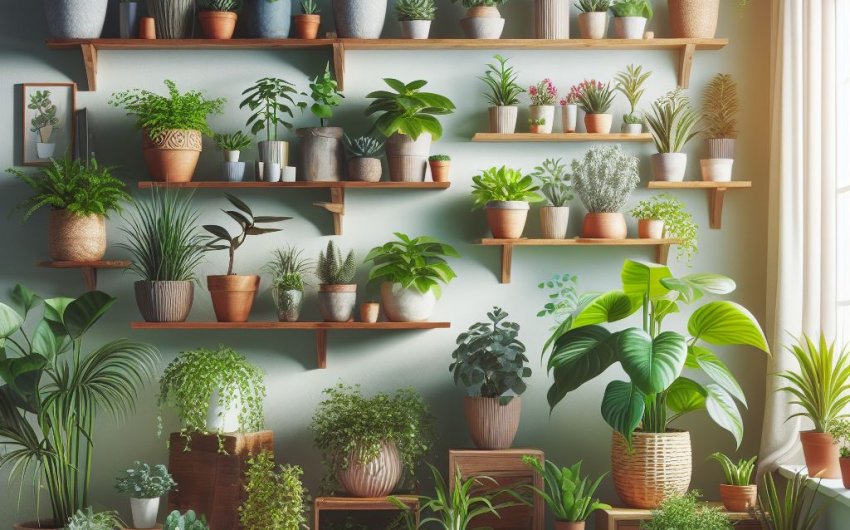
Navigating plant parenthood for indoor plants is a rewarding journey that blends consistent care with a bit of observation and intuition, ultimately leading to thriving, vibrant greenery in your home. The key to successful indoor plant care lies in understanding a few fundamental principles and adapting them to the specific needs of each plant, avoiding common pitfalls that can quickly derail your efforts. With the right tips and tricks, anyone can become a confident and successful plant parent.
What Are the Fundamental Needs of All Indoor Plants?
Understanding the fundamental needs of all indoor plants is the cornerstone of successful plant parenthood, regardless of the specific species you bring home. While individual plants have unique preferences, every indoor plant requires a consistent supply of a few basic elements to photosynthesize, grow, and truly thrive. Mastering these basics is the first step in providing excellent indoor plant care.
What Are the Essential Elements for Plant Life?
These foundational elements are non-negotiable for plant survival and healthy growth, influencing every aspect of your indoor plant care routine. They are the building blocks of thriving greenery.
- Light (The Energy Source):
- Importance: Light is absolutely crucial because it's the energy source for photosynthesis, the process by which plants convert carbon dioxide and water into sugars (food) for growth. Without adequate light, plants cannot make food and will eventually starve.
- Diversity: Different plants have different light requirements: some need bright, direct sun, most prefer bright, indirect light, and others tolerate low light.
- Care Tip: Knowing your plant's specific light needs and matching it to the right spot in your home is paramount. Rotating plants ensures even growth.
- Water (The Lifeblood):
- Importance: Water is vital for numerous plant functions: it transports nutrients, maintains cell structure (turgor), and is a raw material for photosynthesis. Both too little and too much water can be detrimental.
- Balance: The key is to provide consistent moisture without waterlogging. Plants generally prefer their soil to dry out to a certain degree between waterings.
- Care Tip: Overwatering is the most common killer of houseplants. Always check soil moisture before watering.
- Soil (The Foundation):
- Importance: Soil provides physical support, stores water and nutrients, and allows oxygen to reach the roots. The right soil mix is essential for good drainage and aeration.
- Drainage: Most indoor plants require well-draining soil to prevent root rot. Heavy garden soil or compacted potting mix in a pot is a recipe for disaster.
- Care Tip: Use a high-quality, well-draining potting mix, and ensure your pots have drainage holes.
- Nutrients (The Food):
- Importance: Plants absorb essential nutrients (macronutrients like Nitrogen, Phosphorus, Potassium, and various micronutrients) from the soil. These are the building blocks for leaves, stems, roots, and flowers.
- Depletion: In containers, these nutrients are depleted over time by plant growth and watering.
- Care Tip: Regular, appropriate fertilization during the active growing season is necessary to replenish these nutrients.
- Temperature (The Environment):
- Importance: Most indoor plants (being tropical in origin) prefer consistent, warm temperatures (typically 65-80°F / 18-27°C). Extreme fluctuations or cold drafts can stress them.
- Care Tip: Avoid placing plants near drafty windows/doors or directly above heating/cooling vents.
- Humidity (Air Moisture):
- Importance: Many tropical plants thrive in higher ambient humidity, as this mimics their native rainforest environments. Dry indoor air (common with central heating) can lead to crispy leaf edges and stress.
- Care Tip: Group plants, use pebble trays, or consider a humidifier for humidity-loving species.
- Air Circulation:
- Importance: Good air circulation helps prevent fungal diseases by drying leaf surfaces and discourages certain pests.
- Care Tip: Ensure plants aren't overly crowded. Use a gentle fan if a room is very stagnant.
By understanding and diligently addressing these fundamental needs, you set yourself up for success in indoor plant care, ensuring your green family flourishes under your nurturing plant parenthood.
How Do You Master the Art of Watering Indoor Plants?
Mastering the art of watering indoor plants is arguably the most crucial skill for plant parenthood, as both overwatering and underwatering can quickly lead to distress or death. It's not about a strict schedule but about listening to your plants and feeling the soil. Getting this right is a top trick for successful indoor plant care.
What Are the Key Principles of Proper Watering?
These principles form the foundation of an effective watering routine, ensuring your plants receive just the right amount of moisture. They are crucial tips for indoor plant care.
- Don't Water on a Schedule: This is the golden rule. Plants' watering needs vary based on light, temperature, humidity, pot size, soil type, and seasonality. Instead of watering every "X" days, water when the plant needs it.
- Check Soil Moisture (The "Finger Test"):
- This is the most reliable method. Stick your finger 1-2 inches (2.5-5 cm) deep into the soil.
- If it feels dry at that depth, it's generally time to water.
- If it still feels damp, wait a day or two and check again.
- For succulents and cacti, let the soil dry out completely to several inches deep.
- Use a Soil Moisture Meter (Helpful Tool):
- A soil moisture meter can provide a more precise reading of the soil moisture level throughout the pot, especially useful for beginners or larger plants.
- Water Thoroughly (Until it Drains):
- When you do water, water deeply and slowly until you see water draining from the bottom of the pot. This ensures the entire root ball is saturated.
- For very dry soil, you might need to water, let it soak in for 15 minutes, then water again, as extremely dry soil can repel water initially.
- Empty Excess Water:
- Crucial: Never let your pot sit in standing water in its saucer or cachepot for more than 30 minutes. Discard any excess water. Prolonged standing water leads to root rot.
- Use Room Temperature Water:
- Cold water can shock plant roots. Use water that is at room temperature.
- If your tap water is heavily chlorinated, let it sit out for 24 hours to allow the chlorine to dissipate.
What Are Signs of Watering Issues?
Learning to read your plant's signals is key to proactive indoor plant care.
- Signs of Overwatering:
- Yellowing leaves, often starting at the bottom.
- Wilting despite moist soil (roots are rotting and can't absorb water).
- Fungus gnats (small flies) flying around.
- Mushy stem base.
- Signs of Underwatering:
- Drooping or wilting leaves (often perk up after watering).
- Dry, crispy leaves (especially at edges or tips).
- Soil pulling away from the pot's edges.
- Pot feels very light.
What Are Special Considerations?
- Pots with No Drainage Holes: Avoid these whenever possible. If you must use one, plant in a nursery pot with drainage, then place that inside the decorative pot. Add a layer of drainage pebbles at the bottom of the decorative pot to keep the inner pot out of standing water.
- Seasonality: Plants generally need less water in winter (dormant period, less light, cooler temps) than in spring/summer (active growth). Adjust your frequency accordingly.
By applying these principles, you'll develop an intuitive understanding of your plants' watering needs, ensuring they thrive and reflecting your mastery of indoor plant care through attentive plant parenthood.
How Important is Light for Indoor Plant Health?
Light is the single most important factor for indoor plant health, serving as the energy source that fuels virtually every aspect of a plant's existence. Understanding and providing adequate light for your plants is fundamental to successful plant parenthood, directly impacting growth, vibrancy, and even disease resistance. It's an indispensable element of proper indoor plant care.
What is Photosynthesis and Why is Light Key?
To understand light's importance, we must grasp its role in the very process that sustains plant life. Light is indispensable for your indoor plant care efforts.
- The Food Factory: Plants use light energy to convert carbon dioxide (CO₂) and water (H₂O) into glucose (sugar, their food) and oxygen (O₂) in a process called photosynthesis. This occurs primarily in their leaves.
- No Light, No Food: Without sufficient light, plants cannot photosynthesize effectively, meaning they can't make enough food to grow, maintain health, or produce flowers. They will slowly starve.
- Light Spectrum: Plants utilize specific parts of the light spectrum for photosynthesis, primarily blue and red light. Full-spectrum light (mimicking sunlight) is generally ideal.
What Are Different Light Levels for Indoor Plants?
Matching your plant's specific needs to the right location in your home is a critical aspect of plant parenthood. Different plants thrive in different light conditions.
- Bright, Direct Light (Full Sun):
- Description: At least 4-6 (ideally 6-8+) hours of direct, unfiltered sunlight hitting the leaves. Typically near south-facing windows, or unobstructed east/west-facing windows.
- Plants that love it: Cacti, most succulents, citrus trees, Bird of Paradise, Jade Plant, many flowering plants.
- Bright, Indirect Light (Dappled Sun):
- Description: Well-lit but without direct sun hitting the leaves, or direct morning/late afternoon sun. A few feet back from a sunny window, or near an unobstructed east/west-facing window, or a bright north-facing window.
- Plants that love it: Most common houseplants: Monstera, Philodendron, Pothos, Peace Lily, Rubber Plant, Fiddle Leaf Fig, Calatheas, Prayer Plants.
- Medium Light:
- Description: Areas further from windows, or rooms with north-facing windows. Generally good ambient light but no direct sun.
- Plants that tolerate it: ZZ Plant, Snake Plant, Pothos, Peace Lily, Chinese Evergreen. Growth will be slower.
- Low Light (Dim Light):
- Description: Minimal natural light, far from windows (10+ feet), or in rooms with very small/obstructed windows.
- Plants that tolerate it: Cast Iron Plant, ZZ Plant, Snake Plant, Pothos (will be leggy), Peace Lily (will rarely flower). Growth will be very slow.
- Note: No plant truly thrives in zero light.
What Are Signs of Lighting Issues?
- Insufficient Light (Most Common Problem):
- Leggy, stretched growth (etiolation): Stems are long with widely spaced, small leaves as the plant "reaches" for light.
- Fading variegation: Variegated patterns disappear, and leaves become uniformly green.
- Slow or no growth.
- Failure to flower.
- Yellowing and dropping lower leaves.
- Too Much Light (Sunburn):
- Scorched or bleached spots on leaves.
- Leaves may turn yellowish or develop crispy edges.
- Overall fading of leaf color.
What Are Light-Related Indoor Plant Care Tricks?
- Observe Your Home: Spend time observing how light changes in your home throughout the day and season. A spot sunny in summer might be dim in winter.
- Rotate Plants: Periodically rotate your plants (e.g., quarter turn monthly) to ensure all sides receive even light exposure, promoting balanced, symmetrical growth.
- Clean Leaves: Dust accumulates on leaves, blocking light. Gently wipe leaves with a damp cloth every few weeks.
- Supplemental Lighting: For truly dim spots or to boost growth/flowering, consider a grow light for indoor plants. Use a light meter for plants for accuracy.
By meticulously matching light levels to your plant's needs and observing its response, you demonstrate true plant parenthood, fostering vibrant health and vigorous growth through optimal indoor plant care.
How Do You Choose the Right Soil and Pots for Indoor Plants?
Choosing the right soil and pots is foundational to effective indoor plant care, directly impacting root health, drainage, and nutrient uptake. A plant parent knows that the perfect combination of growing medium and container provides the stable, supportive environment your plants need to flourish. Getting these choices correct is a critical trick for long-term plant health.
What Makes an Ideal Potting Mix for Indoor Plants?
The quality and composition of your potting mix are paramount, as it's the entire world for your plant's roots in a container. It's a key tip for indoor plant care.
- Key Characteristics:
- Excellent Drainage: Most crucial! The mix must allow excess water to flow freely, preventing waterlogging and root rot.
- Good Aeration: Roots need oxygen to breathe. A well-aerated mix prevents compaction.
- Moisture Retention: While draining well, it also needs to retain enough moisture to keep roots hydrated between waterings.
- Nutrient Holding Capacity: Should hold nutrients and make them available to the plant.
- Sterile: Unlike garden soil, potting mix should be sterile to avoid introducing pests and diseases indoors.
- Lightweight: Easier to move pots around.
- Composition: A good general potting mix typically contains:
- Peat Moss or Coco Coir (Base): Provides moisture retention and aeration.
- Perlite or Pumice (Drainage & Aeration): Lightweight, porous materials that prevent compaction.
- Vermiculite (Moisture & Nutrients): Retains moisture and some nutrients.
- Compost or Worm Castings (Nutrients & Microbes): Adds organic matter and slow-release nutrients.
- Specialized Mixes:
- Cactus/Succulent Mix: Very fast-draining, often contains more sand, perlite, or grit.
- Orchid Mix: Coarse bark chips, charcoal, perlite for extremely airy, fast-draining conditions.
- Aroid Mix: For Monsteras, Philodendrons; often chunky with bark, perlite, coco coir, and compost.
Always use a high-quality, commercially prepared potting mix (a general indoor potting mix is fine for most plants) rather than garden soil, which is too heavy and unsterile for containers.
What Are the Best Pots for Indoor Plants?
The pot choice is not just about aesthetics; it profoundly impacts plant health, especially concerning drainage and moisture retention. It's another crucial trick for indoor plant care.
- Drainage Holes (Non-Negotiable): Every single pot MUST have drainage holes. Without them, water collects at the bottom, suffocating roots and causing rot. If you love a decorative pot without holes, plant in a slightly smaller nursery pot (with drainage) and place it inside the decorative pot. Add a layer of drainage pebbles at the bottom of the decorative pot to keep the inner pot out of standing water.
- Size (Appropriate for Root Ball):
- Don't Oversize: Repot into a pot that is only 1-2 inches (2.5-5 cm) larger in diameter than the previous one. Too large a pot holds too much soil and moisture, leading to overwatering.
- Don't Undersize: A severely root-bound plant will become stunted.
- Material: Each material has pros and cons for indoor plant care:
- Terracotta/Unglazed Ceramic: Porous, allows soil to breathe and moisture to evaporate quickly. Great for plants that prefer drier conditions (succulents, cacti, rosemary). Requires more frequent watering.
- Plastic: Non-porous, retains moisture longer. Lightweight and affordable. Good for moisture-loving plants or if you travel frequently.
- Glazed Ceramic/Porcelain: Non-porous, retains moisture. Often decorative. Treat like plastic regarding watering.
- Grow Bags (Fabric): Excellent aeration, prevents root circling ("air pruning"), but dries out very quickly. Good for vigorous growers or if you struggle with overwatering.
- Repotting: Repot plants when they become root-bound (roots circling at the bottom, growing out of drainage holes, or plant consistently wilting despite watering) or when growth slows. Spring is the best time for repotting.
By making informed choices about your potting mix and containers, you create the optimal foundation for healthy roots and thriving indoor plants, truly embodying astute plant parenthood through meticulous indoor plant care.
How Do You Fertilize and Prune Indoor Plants for Optimal Health?
Fertilizing and pruning are vital aspects of indoor plant care, akin to providing nutrition and regular grooming for a thriving family. When done correctly and at the right time, these practices encourage vigorous growth, abundant blooms, and maintain an aesthetically pleasing shape, ensuring your plants reach their full potential under your thoughtful plant parenthood. They are essential tricks for indoor plant care.
What Are the Best Practices for Fertilizing?
Feeding your plants correctly provides the essential nutrients they need, as potting mixes eventually become depleted. This is a key tip for indoor plant care.
- Understand N-P-K: Fertilizers have three numbers (N-P-K) representing Nitrogen, Phosphorus, and Potassium.
- Nitrogen (N): For leafy green growth.
- Phosphorus (P): For roots, flowers, and fruit.
- Potassium (K): For overall plant vigor, immunity, and stress resistance.
- When to Fertilize:
- Active Growing Season (Spring & Summer): This is when plants are actively growing and need nutrients. Fertilize every 2-4 weeks.
- Dormancy (Fall & Winter): Most plants slow or stop growth. Do NOT fertilize during these months, as it can burn roots and stress the plant.
- Type of Fertilizer:
- Balanced Liquid Fertilizer: A common choice (e.g., 5-5-5 or 10-10-10) for general growth. Dilute to half or quarter strength to avoid over-fertilization. A general purpose liquid plant food is often suitable.
- Specific Fertilizers: For flowering plants (e.g., orchids, African violets), use one higher in Phosphorus (e.g., 10-30-20). For succulents/cacti, use a specialized low-nitrogen formula.
- Slow-Release Granular: Can be mixed into soil at repotting or sprinkled on top for a gradual release over months.
- How to Fertilize:
- Always apply to moist soil (never dry soil) to prevent root burn.
- Follow package directions for dilution and frequency carefully. Less is often more with fertilizer, especially for container plants whose roots are more confined.
- Signs of Nutrient Imbalance:
- Yellowing lower leaves: Often nitrogen deficiency.
- Stunted growth, pale leaves: General deficiency.
- Crispy edges, burnt appearance: Over-fertilization.
What Are the Best Practices for Pruning?
Pruning shapes your plant, encourages new growth, and keeps it healthy, fresh, and beautiful. It's an indispensable trick for indoor plant care.
- Why Prune?
- Encourage Bushiness: Pinching back growth tips encourages side branching, creating a fuller, denser plant (e.g., Pothos, Philodendron).
- Maintain Shape & Size: Prevents leggy or unruly growth, keeping the plant aesthetically pleasing and proportionate to its space.
- Remove Damaged/Dead Growth: Eliminates yellow, brown, diseased, or dead leaves and stems, improving plant health and preventing pest/disease harborage.
- Promote Air Circulation: Removing dense inner growth improves airflow, reducing fungal disease risk.
- Stimulate Blooms: For some flowering plants, strategic pruning encourages more flower production.
- When to Prune:
- Active Growing Season (Spring & Summer): Best time for major pruning, as the plant can quickly recover.
- As Needed: Remove dead or diseased material any time of year.
- How to Prune:
- Use Sharp, Clean Tools: Always use sharp pruning shears or snips to make clean cuts, preventing damage and disease. Sanitize tools between plants.
- Cut Above a Node: For encouraging new growth, cut just above a leaf node (where a leaf or branch attaches to the stem). New growth will emerge from that node.
- Follow Natural Shape: Prune to enhance the plant's natural form.
- Don't Over-Prune: Never remove more than 25% of the plant's foliage in a single pruning session, as this can severely stress it.
By diligently practicing appropriate fertilization and pruning, you become an attentive plant parent, providing the essential nourishment and shaping that are critical tricks for optimal indoor plant care and vibrant growth.
How Do You Manage Pests and Diseases on Indoor Plants?
Managing pests and diseases is an unavoidable, albeit less glamorous, part of indoor plant care. A proactive and observant approach is key to preventing major infestations and maintaining the health of your green companions. A vigilant plant parent knows that early detection and swift action are the best tricks for effective indoor plant care.
What Are Common Indoor Plant Pests and How to Spot Them?
Knowing what to look for helps you identify problems early, minimizing damage to your indoor plants. Early pest patrol is a crucial tip for indoor plant care.
- Spider Mites:
- Signs: Tiny (often reddish-brown or green) mites, fine webbing on undersides of leaves or in leaf axils, stippling (tiny dots) on leaves, dusty appearance. Thrive in dry air.
- Location: All over the plant, especially undersides of leaves.
- Mealybugs:
- Signs: Small, white, cottony masses or fuzzy white insects, often in leaf axils, along stems, or on leaf undersides. Leaves may turn yellow and drop.
- Location: Hidden crevices, stem joints, undersides of leaves.
- Aphids:
- Signs: Small (green, black, red, yellow), pear-shaped insects clustered on new growth, buds, or undersides of leaves. Leaves may be sticky from "honeydew."
- Location: New, tender growth.
- Scale Insects:
- Signs: Small, oval, brown or gray bumps (look like shell-like growths) stuck to stems and leaf undersides. Leaves may be sticky.
- Location: Stems and leaf undersides.
- Fungus Gnats:
- Signs: Tiny, black, mosquito-like flies flying around the soil surface when disturbed. Larvae live in soil and can damage roots.
- Cause: Overwatering (they love moist soil).
- Thrips:
- Signs: Tiny, slender insects (black or pale) that cause silvery streaks or stippling on leaves, often accompanied by tiny black dots (frass). Leaves may distort.
- Location: On leaves, especially new growth.
What Are Common Indoor Plant Diseases and How to Spot Them?
Diseases are less common than pests indoors, but recognizing them quickly is vital for indoor plant care.
- Root Rot:
- Signs: Yellowing/wilting leaves despite moist soil, soft/mushy stem base, foul odor from soil.
- Cause: Overwatering and poor drainage.
- Powdery Mildew:
- Signs: White, powdery patches on leaves and stems.
- Cause: High humidity with poor air circulation.
- Leaf Spot Fungus:
- Signs: Small, brown or black spots, sometimes with a yellow halo, on leaves.
- Cause: Overwatering leaves, poor air circulation, high humidity.
What Are the Best Pest and Disease Management Tricks?
A holistic approach focusing on prevention and early intervention is the best indoor plant care strategy.
- Quarantine New Plants: Always isolate new plants for 2-4 weeks in a separate room before introducing them to your collection. This prevents hitchhiking pests from spreading.
- Regular Inspection (Pest Patrol): Make weekly inspections a habit. Check all parts of the plant, especially leaf undersides, stem crevices, and the soil surface. Early detection is key.
- Proper Care (Prevention): A healthy, unstressed plant is more resistant. Provide optimal light, water, humidity, and nutrients. Weak plants are pest magnets.
- Cleanliness: Regularly wipe dust off leaves (this also helps remove pests), and promptly remove any dead, yellowing, or diseased leaves from the plant and from the soil surface. Debris can harbor pests and fungi.
- Physical Removal:
- Hosing Off: For many pests (aphids, spider mites), a strong spray of water in the shower can dislodge them.
- Hand-Picking: For larger pests like mealybugs or scale, use a cotton swab dipped in rubbing alcohol to wipe them off.
- Organic Treatments:
- Neem Oil: A natural insecticide and repellent, effective against many soft-bodied pests. Mix as directed and spray all parts of the plant. A neem oil spray for houseplants is a great tool.
- Insecticidal Soap: Suffocates soft-bodied insects like aphids, mealybugs, and spider mites.
- Yellow Sticky Traps: Effective for monitoring and trapping flying insects like fungus gnats and whiteflies. A pack of yellow sticky traps for houseplants can help assess and reduce populations.
- Improve Air Circulation: If plants are crowded, space them out or use a small fan on a low setting for a few hours a day to prevent stagnant, humid air (which aids fungal issues and some pests).
- Address Root Rot: If root rot is suspected, immediately repot the plant into fresh, well-draining soil after trimming away all rotten, mushy roots.
- Fungicides: For serious fungal issues like powdery mildew, a plant-safe fungicide might be necessary, but good airflow and proper watering usually prevent it.
By implementing this comprehensive pest patrol strategy, you act as a diligent plant parent, ensuring your indoor plants remain healthy, vibrant, and a source of joy rather than stress, reflecting your mastery of indoor plant care.
How Can Humidity and Air Circulation Be Optimized for Indoor Plant Health?
Optimizing humidity and ensuring good air circulation are often overlooked yet critical aspects of indoor plant care, directly impacting plant health, disease prevention, and even pest resistance. For effective plant parenthood, creating an environment that mimics plants' natural habitats by managing these factors is a powerful trick for thriving greenery. They are essential elements for robust indoor plant care.
What Are the Challenges and Solutions for Humidity?
Many popular indoor plants are tropical in origin, meaning they thrive in higher ambient humidity than is typically found in modern homes, especially with central heating or air conditioning. Dry air is a major stressor.
- The Challenge: Low Indoor Humidity:
- Indoor humidity levels in winter (due to heating) or summer (due to AC) can drop to 20-30%, far below the 50-70% ideal for many tropical plants.
- Signs of Low Humidity: Crispy brown leaf tips/edges, browning leaves despite adequate watering, slow growth, increased susceptibility to spider mites.
- Solutions for Boosting Humidity:
- Group Plants Together: This is the most effective and natural method. As plants transpire (release moisture), they collectively create a localized microclimate of higher humidity around the grouping. The larger the group, the better.
- Pebble Trays: Place pots on trays filled with pebbles and water. As the water evaporates, it increases humidity directly around the plant. Ensure the pot sits on the pebbles, not in the water, to prevent root rot. A plant pebble tray is a simple, effective tool.
- Humidifier: For very dry rooms or for a large collection of humidity-loving plants, a room humidifier for plants is the most reliable way to maintain consistent ambient humidity (aim for 50-60%).
- Misting (Supplemental): While misting offers only temporary humidity relief, it can be beneficial for plants that appreciate direct foliar moisture and helps keep leaves clean. Use a fine plant mister in the morning.
- Location: Place humidity-loving plants in naturally more humid rooms like bathrooms (with adequate light) or kitchens.
What Are the Challenges and Solutions for Air Circulation?
Good air circulation is vital for plant health, preventing fungal diseases and discouraging certain pests. Stagnant air, especially in humid conditions, can be detrimental.
- The Challenge: Stagnant Air:
- Overcrowded plants, or plants in tight corners, can experience poor air circulation.
- Signs of Stagnant Air: Fungal issues (powdery mildew, mold on soil surface), difficulty for leaves to dry after watering, general dullness.
- Solutions for Improving Air Circulation:
- Proper Spacing: Even when grouping plants, ensure there's some space between them to allow air to move freely around the foliage. Don't let leaves constantly touch or overlap excessively.
- Gentle Air Movement:
- Open Windows (Seasonally): On mild days, briefly open windows to allow fresh air exchange.
- Fans: Use a small oscillating fan for plants on a low setting for a few hours a day. This creates a gentle breeze that prevents stagnation, helps strengthen stems, and reduces the chance of fungal diseases.
- Pruning for Airflow: Regularly prune away any dense, interior foliage or crossing branches that are blocking airflow within the plant's canopy. Remove yellowing or dead leaves promptly.
- Elevate Pots: Plant stands can lift pots off surfaces, allowing air to circulate underneath.
By actively managing both humidity and air circulation, you create a dynamic, healthy environment that optimizes the well-being of your indoor plants. This holistic approach is a testament to mindful plant parenthood, leveraging key tricks for superior indoor plant care and ensuring your green family flourishes.