
Sleep in Serenity: Indoor Plants for Bedroom Bliss
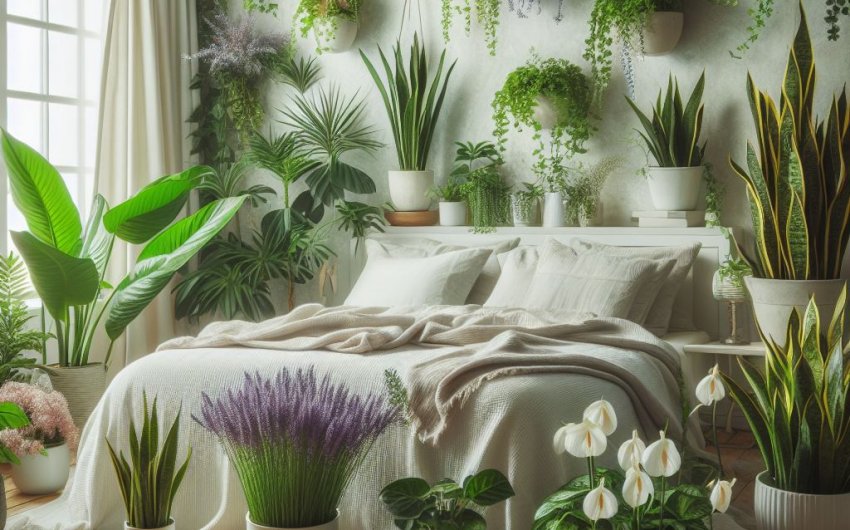
Sleep in serenity: Indoor plants for bedroom bliss can significantly enhance the atmosphere of your sleep space by improving air quality, reducing stress, and adding a calming aesthetic, directly contributing to a more restful night's sleep. By carefully selecting plants known for their air-purifying abilities, soothing scents, or peaceful presence, you can transform your bedroom into a tranquil sanctuary. Choosing the right indoor plants for bedroom bliss means creating an environment conducive to deep relaxation and rejuvenation.
How Do Indoor Plants Enhance Your Bedroom Environment?
Beyond just looking pretty, indoor plants offer a surprising array of benefits that directly enhance your bedroom environment, contributing to a sense of calm, freshness, and overall well-being. These natural elements are more than just decor; they are active participants in creating a space conducive to rest and rejuvenation, truly setting the stage for bedroom bliss. Understanding these multifaceted advantages explains why indoor plants for bedroom bliss are such a smart choice.
Here’s how indoor plants can transform your bedroom:
1. Improved Air Quality
- Absorption of VOCs: Plants are natural air purifiers. They absorb Volatile Organic Compounds (VOCs) like formaldehyde, benzene, and trichloroethylene from the air. These chemicals are released from furniture, carpets, cleaning products, paints, and plastics, and can accumulate in indoor environments, potentially affecting health and sleep quality. Plants, particularly through their leaves and the microbes in their soil, break down these toxins into harmless substances.
- Oxygen Production (Photosynthesis): During the day, plants take in carbon dioxide and release oxygen as a byproduct of photosynthesis. While the amount from a few houseplants might not drastically change the oxygen percentage in a large, well-ventilated room, it still contributes to a fresher feeling, especially in enclosed spaces.
- Nighttime Oxygen Release (CAM Plants): A few special plants (Crassulacean Acid Metabolism, or CAM plants like Snake Plants and Aloe Vera) reverse this process at night. They absorb carbon dioxide and release oxygen while you sleep, making them ideal for bedrooms.
- Dust Trapping: Plant leaves, especially those with larger or textured surfaces, can trap airborne dust particles, further helping to keep the air cleaner.
2. Increased Humidity
- Transpiration: Plants release water vapor from their leaves into the air through a process called transpiration.
- Benefits: This naturally increases indoor humidity levels. Very dry air (common in heated homes during winter) can irritate nasal passages, throat, and skin, and can make airborne allergens (dust, pet dander) float around more freely. Higher humidity helps alleviate these issues, making breathing more comfortable and reducing static electricity.
3. Stress Reduction and Mood Enhancement
- Biophilia Effect: Humans have an innate connection to nature, a phenomenon called biophilia. Bringing nature indoors (even a few plants) can have profound psychological benefits.
- Calming Aesthetic: The soft greens and organic forms of plants create a visually calming and aesthetically pleasing environment. They introduce a natural element that feels peaceful and grounding.
- Reduced Stress Hormones: Studies suggest that interacting with plants or even just having them in your line of sight can reduce levels of the stress hormone cortisol, lower blood pressure, and decrease feelings of anxiety. A calmer mind is better prepared for sleep.
- Improved Focus and Well-being: A more pleasant and natural environment can contribute to an overall sense of well-being, which indirectly supports better sleep.
4. Subtle Aromatherapy (from Scented Plants)
- Natural Scents: Some plants release gentle, natural fragrances that are known for their relaxing or sleep-inducing properties.
- Examples: Lavender, Jasmine, Gardenia (though gardenias can be tricky indoors).
- Impact: A subtle, natural aroma can help calm the senses and promote relaxation before sleep.
5. Reduced Noise Levels (Minor Effect)
- Sound Absorption: While not as significant as dedicated soundproofing, plants (especially large, dense ones) can slightly absorb and deflect ambient noise, contributing to a quieter, more tranquil space.
By actively integrating indoor plants for bedroom bliss into your sleep sanctuary, you're not just decorating; you're creating a multi-sensory environment that actively promotes better air, less stress, and ultimately, a more serene and rejuvenating night's sleep. This holistic approach makes indoor plants a powerful tool for enhancing your personal retreat.
What Are the Best Air-Purifying Indoor Plants for a Bedroom?
Choosing the best air-purifying indoor plants for a bedroom focuses on species that excel at absorbing common VOCs, are easy to care for, and often have the added benefit of releasing oxygen at night. These qualities are crucial for creating a healthier sleep environment, transforming your bedroom into a clean-air haven that directly contributes to bedroom bliss. Selecting these specific indoor plants is a key step in ensuring a "sleep in serenity" experience.
Here are some of the most effective air-purifying indoor plants for a bedroom:
- Snake Plant (Sansevieria trifasciata or Dracaena trifasciata) (Mother-in-Law's Tongue):
- Why it's great: A true air-purifying superstar and one of the best for a bedroom. It effectively removes formaldehyde, benzene, trichloroethylene, and xylene. Crucially, it uses Crassulacean Acid Metabolism (CAM), meaning it absorbs CO₂ and releases oxygen at night, directly benefiting your sleeping environment.
- Light: Extremely versatile. Tolerates low light but thrives in bright indirect light.
- Care: Very low maintenance. Allow soil to dry out completely between waterings to prevent root rot. You can find Snake Plant varieties with diverse patterns.
- Enhances Bedroom: Provides a strong, architectural, vertical element with minimal fuss.
- Peace Lily (Spathiphyllum species):
- Why it's great: Another top performer in air purification, excelling at removing formaldehyde, benzene, and trichloroethylene, as well as ammonia and xylene. Its lush green foliage and elegant white "flowers" (spathes) add a calming aesthetic.
- Light: Low to medium indirect light. Perfect for bedrooms with less intense sun.
- Care: Keep consistently moist, but not soggy. Will dramatically wilt when thirsty but usually recovers quickly. Appreciates higher humidity.
- Enhances Bedroom: Adds grace, elegance, and a visual sense of calm.
- Aloe Vera (Aloe barbadensis miller):
- Why it's great: Not only a useful plant for its soothing gel, but it's also excellent at removing formaldehyde and benzene, especially when they are common byproducts of chemical-based cleaners. It's another CAM plant, releasing oxygen at night.
- Light: Bright direct to bright indirect light.
- Care: Very low maintenance. Allow soil to dry out completely between waterings, as it's a succulent. Avoid overwatering.
- Enhances Bedroom: Provides a unique, architectural succulent form with practical benefits.
- Spider Plant (Chlorophytum comosum):
- Why it's great: An incredibly popular, easy-care, and effective air purifier, consistently rated for removing formaldehyde, xylene, and toluene. Its cheerful, cascading foliage is perfect for hanging baskets or shelves.
- Light: Bright indirect light, tolerates lower light.
- Care: Allow soil to dry slightly between waterings. Very forgiving of neglect.
- Enhances Bedroom: Adds a bright, classic, and gentle cascading presence, great for shelves or nightstands.
- ZZ Plant (Zamioculcas zamiifolia):
- Why it's great: While primarily known for its extreme drought tolerance and ability to thrive in very low light, the ZZ plant is also noted for removing xylene, toluene, and benzene. Its waxy, upright leaves give it a sculptural quality.
- Light: Low to medium indirect light.
- Care: Very low maintenance. Allow soil to dry out completely between waterings. Highly tolerant of neglect.
- Enhances Bedroom: Provides a modern, architectural look with almost no fuss.
- Pothos (Epipremnum aureum) (Devil's Ivy):
- Why it's great: Another very easy-care vining plant that is excellent at removing formaldehyde, benzene, and xylene. Its trailing nature makes it versatile for high shelves or hanging baskets.
- Light: Low to medium indirect light, but will have faster growth and more variegation in brighter light.
- Care: Allow soil to dry slightly between waterings. Very forgiving.
- Enhances Bedroom: Adds a lush, trailing greenery that can soften corners or add texture to a wall. You can find many Pothos varieties with different variegations.
- Lavender (Lavandula species - for indoor culture):
- Why it's great: While a bit trickier to grow indoors, a well-cared-for potted lavender is famous for its soothing fragrance, known to promote relaxation and improve sleep quality. It also offers subtle air-purifying benefits.
- Light: Bright direct light (6+ hours). Needs good airflow.
- Care: Allow soil to dry completely between waterings. Needs well-draining soil.
- Enhances Bedroom: Provides a natural, calming aroma and delicate beauty.
By strategically placing these air-purifying indoor plants for a bedroom, you can create a healthier and more serene sleep environment. These living air filters contribute directly to your bedroom bliss, ensuring you can "sleep in serenity" surrounded by natural beauty and cleaner air.
What Are the Best Stress-Reducing and Calming Indoor Plants for a Bedroom?
Beyond air purification, many indoor plants are cherished for their inherent ability to reduce stress and promote a calming atmosphere, making them perfect additions for enhancing bedroom bliss. These plants often contribute through their soothing aesthetics, gentle fragrances, or simply by fostering a connection to nature. Choosing these specific indoor plants for bedroom bliss helps create a truly tranquil sanctuary conducive to restful sleep and a relaxed mind.
Here are some of the best stress-reducing and calming indoor plants for a bedroom:
- Lavender (Lavandula species - for indoor culture):
- Why it's great: Renowned for its aromatic properties, lavender's scent is widely known to reduce anxiety, lower heart rate, and promote relaxation and sleep. Even a small potted plant can diffuse a gentle, soothing fragrance.
- Light: Needs bright direct sunlight (6+ hours) and good air circulation to thrive indoors.
- Care: Allow soil to dry completely between waterings. Requires excellent drainage. Can be a bit challenging indoors without adequate light.
- Enhances Bedroom: Provides natural aromatherapy and delicate beauty. A potted lavender plant on a sunny windowsill can be a joy.
- Peace Lily (Spathiphyllum species):
- Why it's great: Its elegant, lush green leaves and pristine white spathes (flowers) create a deeply calming visual aesthetic. Beyond air purification, its graceful form and consistent presence evoke a sense of peace and tranquility, perfect for a bedroom.
- Light: Low to medium indirect light.
- Care: Consistently moist but not soggy. Easy to care for.
- Enhances Bedroom: Adds visual serenity, grace, and a lush green presence.
- Snake Plant (Sansevieria trifasciata or Dracaena trifasciata) (Mother-in-Law's Tongue):
- Why it's great: Its architectural, upright form brings a sense of order and modern calm to a space. Its extreme hardiness means it's stress-free for you to care for, which indirectly contributes to a less stressful environment. It's also an excellent air purifier and releases oxygen at night.
- Light: Highly adaptable, tolerating low light but thrives in brighter indirect light.
- Care: Very low maintenance. Allow soil to dry out completely between waterings.
- Enhances Bedroom: Provides a strong, clean, vertical aesthetic with minimal demands.
- Aloe Vera (Aloe barbadensis miller):
- Why it's great: Its sculptural form is appealing, and its ease of care (very drought-tolerant) means less worry for you. Knowing you have a plant with natural soothing properties (the gel) can also contribute to a subconscious feeling of well-being and calm. Also releases oxygen at night.
- Light: Bright direct to bright indirect light.
- Care: Allow soil to dry out completely between waterings.
- Enhances Bedroom: Adds an architectural, functional, and low-maintenance presence.
- Chamomile (Chamaemelum nobile):
- Why it's great: While often grown outdoors for tea, a small potted chamomile can be grown indoors with enough light. Its delicate, apple-scented foliage and tiny, daisy-like flowers are known for their calming properties.
- Light: Bright direct light (6+ hours).
- Care: Keep consistently moist, but ensure good drainage. Needs good air circulation.
- Enhances Bedroom: Provides a subtle, comforting scent and delicate beauty.
- Jasmine (Jasminum polyanthum, Jasminum sambac):
- Why it's great: The intoxicating, sweet fragrance of jasmine flowers is well-known for its stress-reducing and sleep-inducing effects. It can be trained on a small trellis or allowed to trail from a hanging basket.
- Light: Bright indirect to bright direct light (at least 4-6 hours direct sun for best blooms).
- Care: Keep consistently moist during blooming.
- Enhances Bedroom: Fills the room with an exquisite, calming fragrance.
- Pothos (Epipremnum aureum) (Devil's Ivy):
- Why it's great: Its lush, trailing foliage creates a sense of natural abundance and softness, which can be visually calming. Its extreme ease of care also means less stress for the plant owner. It's also a good air purifier.
- Light: Highly adaptable. Tolerates low to medium indirect light.
- Care: Allow soil to dry slightly between waterings. Very forgiving.
- Enhances Bedroom: Softens harsh lines, adds a lush, verdant presence.
By mindfully selecting these stress-reducing and calming indoor plants for a bedroom, you can actively transform your personal space into a true sanctuary. These wonderful indoor plants for bedroom bliss provide aesthetic beauty, soothing scents, and a sense of natural tranquility, all contributing to deeper relaxation and a more restful "sleep in serenity."
How Do You Care for Indoor Plants in a Bedroom?
Caring for indoor plants in a bedroom is generally similar to caring for them elsewhere in your home, but with a few specific considerations to maximize their benefits for sleep and ensure a healthy sleep environment. The goal is to keep these indoor plants for bedroom bliss thriving, allowing them to effectively purify air, reduce stress, and contribute to your "sleep in serenity" without introducing new problems.
Here’s how to properly care for your indoor plants in a bedroom:
- Assess Bedroom Light Conditions Accurately:
- Importance: Bedrooms often have varying light levels depending on window orientation (north, south, east, west) and obstructions (curtains, trees outside).
- Match Plants to Light: Before bringing a plant into the bedroom, accurately assess its light needs and match it to the available light. A plant needing bright light will struggle by a north window, and a low-light plant might get scorched in a south-facing window.
- Tool: Observing the light throughout the day is key.
- Water Carefully and Avoid Overwatering:
- Drainage is Key: Ensure all plant pots have drainage holes and that you empty any excess water from saucers within 30 minutes after watering. Standing water is a breeding ground for fungus gnats and root rot.
- Check Soil Moisture: Always check the top inch or two of soil with your finger before watering. Only water when the soil feels dry (or as per specific plant needs). Using a soil moisture meter can provide accurate readings throughout the pot.
- Pests: Overwatering is the primary cause of fungus gnats, small flying insects that are annoying and undesirable in a bedroom. Allowing the soil to dry out between waterings helps prevent them.
- Fertilize During Growing Season (Spring/Summer):
- Fuel Growth: Healthy, actively growing plants are the best air purifiers and contributors to a vibrant aesthetic.
- Regular Schedule: Fertilize plants every 2-4 weeks during their active growing season (spring and summer) with a balanced houseplant fertilizer at half-strength.
- Dormancy: Reduce or stop fertilizing entirely during fall and winter when most plants are dormant.
- Maintain Proper Humidity (if needed):
- Benefit: Many air-purifying and stress-reducing plants (e.g., Peace Lily, Ferns) appreciate higher humidity. This can also help alleviate dry nasal passages for better sleep.
- Methods: Use a pebble tray, group plants, or use a small bedroom humidifier for plants if your bedroom air is very dry.
- Keep Leaves Clean:
- Dust Accumulation: Dust can accumulate on leaves, blocking stomata (pores for air exchange) and reducing light absorption.
- Wipe Leaves: Regularly wipe down plant leaves with a soft, damp cloth. This keeps them clean for better air purification and a more appealing aesthetic.
- Monitor for Pests and Disease (Crucial for Bedrooms):
- Why in a Bedroom: Pests like spider mites or mealybugs are annoying everywhere, but especially in your personal sleep sanctuary. Diseases can also spread.
- Regular Inspection: Inspect your plants weekly for any signs of pests (tiny webbing, sticky residue, visible bugs) or disease.
- Early Treatment: Address any issues promptly. If an infestation is severe, it might be best to move the plant out of the bedroom for treatment or consider discarding it to protect your sleep space. Use organic pest controls like neem oil for houseplants.
- Consider Plant Placement:
- Safety: Ensure plants are placed securely where they won't be easily knocked over, especially if you have pets or small children.
- Avoid Head of Bed: Some prefer not to have large plants directly at the head of the bed, due to perceived energy or simply to avoid accidental spills.
- Airflow: Ensure good air circulation around the plants.
By implementing these thoughtful care practices, you ensure your indoor plants in a bedroom remain healthy, vibrant, and effective contributors to your personal sanctuary. This dedicated care for your indoor plants for bedroom bliss ensures you can truly "sleep in serenity" surrounded by natural beauty and cleaner, calmer air.