
Hang in Style: Chic Hanging Indoor Plants Ideas
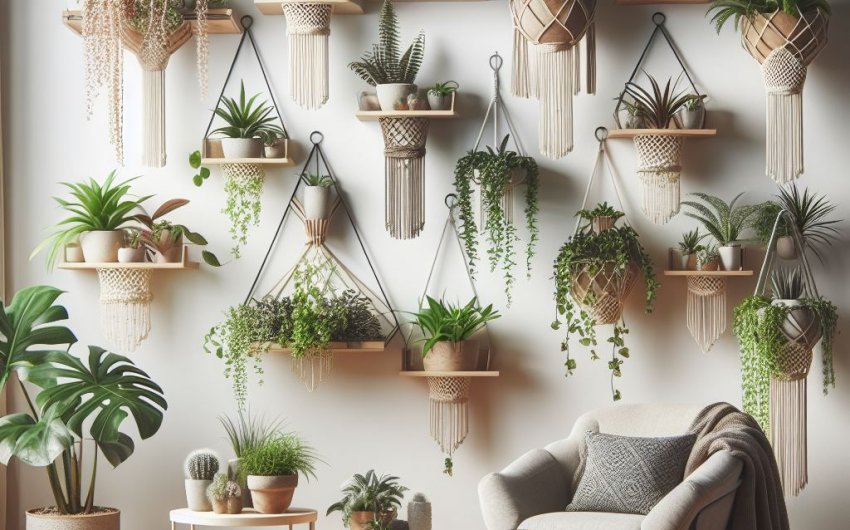
Hang in style: Chic hanging indoor plants ideas transform overlooked vertical spaces into lush, vibrant displays, adding dramatic visual interest, softening interiors, and making the most of limited floor or shelf space. By suspending trailing foliage, air plants, or unique planters, you can create dynamic green focal points that elevate your home decor and bring nature's beauty to new heights. Thoughtful execution of chic hanging indoor plants ideas truly makes your greenery a statement.
Why Choose Hanging Indoor Plants for Your Home Decor?
Choosing hanging indoor plants is a brilliant design decision for modern homes, offering a wealth of aesthetic and practical benefits that go beyond traditional potted arrangements. These cascading beauties elevate greenery to new heights, literally, and provide dynamic visual interest. Understanding these advantages explains why chic hanging indoor plants ideas are so popular for transforming interiors and adding a stylish touch to any space.
Here’s why hanging indoor plants are an excellent choice for your home decor:
- Maximize Vertical Space:
- Solution for Small Spaces: In apartments, small homes, or rooms with limited floor or shelf space, hanging plants are a game-changer. They utilize vertical space, allowing you to incorporate more greenery without cluttering surfaces.
- Overlooked Areas: They bring life to forgotten corners, empty walls, or awkward nooks that might otherwise go unused.
- Tiered Displays: Hanging plants can be arranged at different heights, creating layered green arrangements that add depth and visual interest.
- Add Dramatic Visual Interest and Flow:
- Cascading Beauty: The natural trailing habit of many hanging plants creates a stunning, flowing visual effect that softens hard lines and adds organic movement to a room.
- Focal Points: A large hanging plant can become an immediate focal point, drawing the eye upwards and adding a sophisticated, lush touch.
- Architectural Element: They can define spaces, frame windows, or break up the monotony of a blank wall, acting as living decor.
- Enhance Ambiance and Mood:
- Biophilia Effect: Connecting with nature (biophilia) has proven psychological benefits, reducing stress and enhancing mood. Hanging plants bring this natural connection directly into your living space.
- Softness and Serenity: The lush greenery softens interiors, creating a calmer, more peaceful, and inviting atmosphere.
- Improved Air Quality: Many popular hanging plants are also excellent air purifiers, absorbing airborne toxins and contributing to a fresher, healthier indoor environment.
- Versatility in Placement:
- Windows: Perfect for hanging in front of windows, allowing light to filter through their leaves and highlighting their form.
- Corners: Brighten up dark or neglected corners.
- Above Furniture: Hang above shelves, desks, or even beds (securely!) to add greenery without taking up surface area.
- Room Dividers: Multiple hanging plants can create a soft, permeable room divider.
- Bathrooms: Many thrive in high humidity bathrooms.
- Unique Aesthetic Opportunities:
- Planter Choices: The selection of hanging planters itself becomes a design element, from macrame hangers and minimalist ceramics to woven baskets and geometric terrariums.
- Plant Varieties: A wide array of trailing plants offers diverse leaf shapes, colors, and growth patterns to match any decor style.
- Bohemian to Modern: Easily adapted to bohemian, minimalist, modern, or traditional decor aesthetics.
- Out of Reach (Pests & Pets):
- Pet/Child Safety: Hanging plants keep foliage out of reach of curious pets and small children, which is especially beneficial if you have plants that are mildly toxic.
- Pest Isolation: Can sometimes help isolate plants from ground-dwelling pests.
By consciously choosing hanging indoor plants, you're not just adding greenery; you're transforming your home with dynamic, space-saving, and mood-enhancing living decor. These chic hanging indoor plants ideas allow you to truly "hang in style" and infuse your living spaces with natural beauty and elegance.
What Are the Best Plants for Hanging Displays?
Selecting the best plants for hanging displays is crucial for ensuring your chic hanging indoor plants ideas truly thrive and create stunning cascading green effects. These plants are specifically chosen for their trailing habit, ease of care, and ability to look beautiful while suspended, turning vertical spaces into lush focal points. The right plant choice ensures longevity and reduces maintenance for your "hang in style" vision.
Here are some of the best plants for hanging displays:
- Pothos (Epipremnum aureum) (Devil's Ivy):
- Why it's great: An incredibly popular and easy-care vining plant, known for its long, trailing stems and heart-shaped leaves, often variegated with splashes of yellow, white, or lime green. It's incredibly forgiving of neglect.
- Light Needs: Tolerates low to medium indirect light, but variegation is more vibrant in brighter light. Avoid direct sun.
- Care: Allow soil to dry out slightly between waterings. Very forgiving of missed waterings.
- Enhances Display: Creates long, lush cascades that can grow several feet, ideal for softening bookshelves or high ledges. Many Pothos varieties are available.
- Spider Plant (Chlorophytum comosum):
- Why it's great: A classic hanging plant, famous for its arching, strap-like leaves and the adorable "spiderettes" (baby plants) that dangle from the mother plant. It's incredibly easy to grow and propagate.
- Light Needs: Bright indirect light, but tolerates lower light.
- Care: Allow soil to dry slightly between waterings. Keep consistently moist but not soggy.
- Enhances Display: Creates a full, fountain-like display with charming cascading baby plants.
- Hoya (Wax Plant, Hoya carnosa and others):
- Why it's great: A beautiful, slow-growing succulent vine with thick, waxy leaves (often variegated) and clusters of delicate, fragrant, star-shaped flowers. It's very low maintenance and long-lived.
- Light Needs: Bright indirect light. Prefers some direct morning sun for best blooming.
- Care: Allow soil to dry almost completely between waterings. Needs good drainage.
- Enhances Display: Elegant, sculptural, and offers a bonus of fragrant blooms. A Hoya plant adds sophistication.
- Philodendron (Heartleaf Philodendron, Philodendron hederaceum):
- Why it's great: Similar to Pothos but with typically darker green, often glossier, heart-shaped leaves. It's extremely robust and easy to grow, creating long, graceful trails.
- Light Needs: Low to medium indirect light. Tolerates very low light but will have slower growth.
- Care: Allow soil to dry slightly between waterings.
- Enhances Display: Provides a lush, rich green cascade.
- String of Pearls (Senecio rowleyanus):
- Why it's great: A unique and visually striking succulent, featuring delicate strands of spherical, pea-like leaves that trail beautifully.
- Light Needs: Bright indirect light, with some direct morning sun.
- Care: Allow soil to dry completely between waterings. Very prone to root rot if overwatered. Needs excellent drainage.
- Enhances Display: Creates a whimsical, delicate, and textural display.
- String of Hearts (Ceropegia woodii):
- Why it's great: Another delightful succulent vine with small, heart-shaped leaves, often variegated with silver and purple, on long, delicate, trailing stems. Produces tiny, unusual, lantern-shaped flowers.
- Light Needs: Bright indirect light to some direct morning sun.
- Care: Allow soil to dry completely between waterings. Very prone to root rot.
- Enhances Display: Adds a charming, delicate, and romantic touch. You can find String of Hearts plants from specialized succulent sellers.
- English Ivy (Hedera helix):
- Why it's great: A classic trailing plant with lobed leaves, available in various green and variegated forms. It's very versatile and can create a dense, elegant cascade.
- Light Needs: Medium to bright indirect light. Can tolerate lower light but prefers brighter conditions.
- Care: Keep consistently moist, but ensure good drainage. Can be prone to spider mites in dry conditions.
- Enhances Display: Provides a traditional, lush, and sophisticated greenery.
- Wandering Jew (Tradescantia zebrina and other Tradescantia species):
- Why it's great: Known for its striking purple, silver, and green variegated foliage and rapid growth, creating vibrant, colorful cascades. Easy to propagate.
- Light Needs: Bright indirect light for best color. Will become less vibrant in lower light.
- Care: Keep consistently moist, but ensure good drainage.
- Enhances Display: Adds a bold splash of color and fast-growing texture.
- *Boston Fern (Nephrolepis exaltata 'Bostoniensis'):*
- Why it's great: While not a vining plant, its lush, arching, feathery fronds spill beautifully over the edges of a hanging basket, creating a soft, full, and classic look. Excellent air purifier.
- Light Needs: Bright indirect light. Avoid direct sun.
- Care: Requires high humidity and consistently moist soil. Can be finicky in dry conditions.
- Enhances Display: Creates a timeless, elegant, and lush green waterfall effect.
By incorporating these fantastic hanging indoor plants into your decor, you can unleash a world of chic hanging indoor plants ideas, transforming your home into a verdant sanctuary where greenery literally hangs in style, adding beauty and life to every corner.
What Are Some Creative Ways to Hang Indoor Plants?
Beyond simply placing a plant in a hook, there's a wealth of creative ways to hang indoor plants that can elevate your chic hanging indoor plants ideas and integrate greenery seamlessly into your home decor. These innovative hanging solutions transform your plants into art, maximizing vertical space and creating dynamic visual interest that truly makes your home "hang in style."
Here are some creative ways to hang indoor plants:
- Macrame Hangers (Bohemian Chic):
- Concept: Classic knotted cord hangers, making a strong comeback for their bohemian, handcrafted appeal.
- Application: Use single, double, or tiered macrame hangers made from natural fibers (cotton, jute, hemp). Vary the length of hangers and the size of the pots for a dynamic display. Hang from ceiling hooks or wall brackets.
- Impact: Adds texture, warmth, and a relaxed, artistic vibe. Perfect for Pothos, Spider Plants, or Philodendrons. You can find beautiful macrame plant hangers in various designs.
- Wall-Mounted Planters (Vertical Gardens):
- Concept: Create a living art installation directly on your walls.
- Application:
- Individual Wall Planters: Use decorative ceramic, metal, or wooden wall-mounted planters for single trailing plants.
- Vertical Garden Pockets: Install a modular vertical garden system with multiple pockets for a lush green wall.
- Trellis/Grid: Attach small pots or air plants directly to a decorative trellis or grid mounted on the wall.
- Impact: Saves floor space, creates a striking focal point, and brings greenery up to eye level.
- Floating Shelves with Trailing Plants:
- Concept: Integrate hanging plants into your existing shelving units, allowing them to spill down.
- Application: Place trailing plants (Pothos, Ivy, String of Pearls) on the top or middle shelves of floating shelves or bookshelves. Allow the foliage to cascade over the edge.
- Impact: Softens the lines of furniture, adds depth to shelves, and integrates plants naturally into decor.
- Ceiling Hooks with Varying Lengths:
- Concept: Create a multi-level, layered display directly from the ceiling.
- Application: Install sturdy ceiling hooks (ensure they are screwed into a stud or use appropriate anchors). Use different lengths of hangers or varying pot sizes to create a staggered, visually interesting arrangement.
- Impact: Maximizes vertical space, creates a "curtain" of greenery, and draws the eye upwards.
- Window-Mounted Planters/Shelves:
- Concept: Utilize window space for plants that love light, making them part of the window decor.
- Application: Use suction-cup window shelves for small, lightweight plants, or install hanging window planters that clip onto the top of the window frame. This allows light to filter through the leaves.
- Impact: Maximizes light exposure for plants and creates a beautiful living screen or accent.
- Kokedama (Japanese Moss Balls):
- Concept: A unique Japanese art form where a plant's roots are bound in a ball of moss and string, then suspended.
- Application: Create or buy kokedama for small, light plants (ferns, ivy, small Pothos). Hang them individually or in clusters at varying heights.
- Impact: Adds an organic, sculptural, and minimalist aesthetic.
- Geometric Planters / Terrariums:
- Concept: Incorporate modern, geometric designs for a contemporary look.
- Application: Use hanging glass terrariums for air plants (Tillandsia) or small succulents. Choose ceramic or metal planters with clean lines and geometric shapes.
- Impact: Creates a sleek, artistic, and modern aesthetic.
- Kitchen Pot Racks / Barres:
- Concept: Utilize existing kitchen structures to hang herbs or small decorative plants.
- Application: Hang small potted herbs (rosemary, thyme) from a kitchen pot rack or install a decorative barre for hanging planters.
- Impact: Adds fresh herbs within reach and a charming, functional green accent to the kitchen.
When implementing any of these chic hanging indoor plants ideas, always ensure your hooks and hardware are securely installed into studs or use appropriate heavy-duty anchors for safety. With creativity and proper installation, your hanging indoor plants will truly "hang in style" and transform your home into a verdant, living masterpiece.
How Do You Choose the Right Hanging Planters and Hardware?
Choosing the right hanging planters and hardware is just as critical as selecting the plants themselves when implementing chic hanging indoor plants ideas. The safety, aesthetic appeal, and long-term health of your plants depend on making informed decisions about these foundational elements. A thoughtful approach to selecting the perfect containers and secure hanging mechanisms ensures your hanging indoor plants truly "hang in style" and thrive in their elevated positions.
Here’s how to choose the right hanging planters and hardware:
1. Choosing the Right Hanging Planters:
The planter itself is a major part of the plant's health and your decor.
- Drainage is Non-Negotiable: This is the most important factor. Always choose planters with drainage holes. Without them, water will collect at the bottom, leading to root rot and quickly killing your plant. If a decorative planter lacks holes, use it as a cachepot (a decorative outer pot) and keep your plant in a smaller nursery pot with drainage inside it, removing the plant to water or emptying excess water from the cachepot.
- Material:
- Terracotta/Clay: Porous, allows roots to breathe, helps prevent overwatering. Classic, earthy look. Heavier when wet. Can dry out faster.
- Ceramic: Glazed ceramics are beautiful and come in endless colors/styles. Retains moisture better than terracotta. Can be heavy.
- Plastic: Lightweight, inexpensive, durable. Retains moisture well. Can look less aesthetic than natural materials.
- Metal: Modern, sleek. Can heat up in direct sun. Check for rust resistance.
- Woven Baskets (e.g., Macrame, Jute, Seagrass): Offer a natural, bohemian look. Must be lined with plastic or contain a plastic pot with drainage, as water will seep through.
- Self-Watering Planters: Some hanging planters come with a reservoir and wicking system, which can be convenient.
- Size:
- Match Plant Size: Choose a planter that is appropriate for your plant's current size and its mature root system. Overpotting can lead to soggy soil; underpotting can stunt growth.
- Weight Consideration: Remember that a larger pot filled with wet soil and a plant will be significantly heavier.
- Aesthetics: Select planters that complement your home's decor style (bohemian, modern, minimalist, traditional) and the plant's own characteristics.
- Attached Hangers vs. Macrame:
- Some planters come with integrated chains or wires.
- Others require a separate macrame hanger or similar holder. This offers more flexibility in styling.
2. Choosing the Right Hanging Hardware:
Safety is paramount here. A falling plant can cause injury or damage.
- Ceiling Hooks:
- Type: Use swag hooks or toggle bolt hooks specifically designed for hanging heavy items.
- Installation: Always screw directly into a ceiling joist (stud) for maximum security. Use a stud finder to locate joists. If a joist isn't available, use a heavy-duty toggle bolt that expands inside the drywall/plaster and is rated for the weight of your wet planter + plant.
- Weight Rating: Check the weight rating of the hook. Estimate the weight of your heaviest plant (including wet soil) and buy a hook rated for significantly more.
- Location: Consider where the light will hit the plant. Ensure enough clearance around the plant for growth and watering.
- Wall Brackets/Hooks:
- Type: Decorative metal brackets are common for hanging plants from walls.
- Installation: Similar to ceiling hooks, securely screw into a wall stud (for heavy plants) or use appropriate heavy-duty wall anchors for drywall/plaster, rated for the wet weight of your plant.
- Placement: Ensure the bracket extends far enough from the wall for the plant to hang freely without rubbing.
- Tension Rods (for Windows/Doorways):
- Type: Heavy-duty tension rods.
- Installation: Install firmly between two sturdy vertical surfaces (e.g., within a window frame, between a doorframe).
- Weight Limit: Tension rods have strict weight limits. Only use for very light plants or air plants. Do not overload.
- S-Hooks / Chain Extenders:
- Function: Used to adjust the hanging height of your plants.
- Material: Ensure they are sturdy and made from metal that won't rust.
- Plant Hanger Chains/Ropes:
- Material: Check the strength and durability. Metal chains are very strong; macrame ropes should be thick and tightly woven.
- Length: Consider the desired hanging height.
- Window Suction Cups (Caution!):
- Use Sparingly: Only use for very small, lightweight air plants or tiny succulents.
- Reliability: Suction cups can lose suction. Regularly check their grip. Avoid for anything heavy.
Testing for Safety: Before hanging a finished planter, give it a good tug and test its security. It's better for it to fall when you're testing than unexpectedly.
By diligently selecting both the right hanging planters and hardware, you create a secure, healthy, and aesthetically pleasing home for your hanging indoor plants. This careful approach ensures your chic hanging indoor plants ideas truly "hang in style" and bring lasting beauty to your vertical spaces.
How Do You Care for Hanging Indoor Plants?
Caring for hanging indoor plants has some unique considerations compared to floor-standing pots, primarily due to their elevated position and exposure to different air currents. Maintaining their health is crucial for them to continue adding charm and vitality to your vertical spaces. Proper care ensures these chic hanging indoor plants ideas thrive, allowing them to truly "hang in style" and be perennial joys in your home decor.
Here’s how to properly care for hanging indoor plants:
- Adjust Watering Routines (Often More Frequent):
- Why it's different: Hanging plants, especially those near windows or ceiling fans, are often exposed to more air circulation, which causes their soil to dry out faster than plants on a shelf or floor.
- Monitor Closely: Check soil moisture more frequently. You might need to water every few days, compared to once a week for the same plant in a stationary pot. Use your finger or a soil moisture meter.
- Thorough Soaking: When you water, take the plant down (if manageable) or water over a sink/tub until water drains freely from the bottom. This ensures the entire root ball is saturated.
- Avoid Drips: Let excess water drain completely before rehanging to prevent water damage to floors or furniture below.
- Ensure Proper Drainage:
- Crucial: As with all plants, good drainage is vital. Always use pots with drainage holes. If using a decorative basket, either line it with plastic or place the plant in a plastic nursery pot (with drainage) inside the basket, removing it to water.
- Why: Hanging plants can be forgotten and overwatered. Excess water needs an escape route to prevent root rot.
- Provide Adequate Light:
- Match Needs: Ensure the hanging location provides the correct light level for your specific plant (low, medium, bright indirect, direct sun).
- Window Proximity: Hanging plants often get excellent light when placed directly in front of or near windows.
- Rotation: Rotate hanging plants every week or two to encourage even growth and prevent them from leaning heavily towards the light source.
- Fertilize Regularly During Growing Season:
- Fuel Growth: Fast-growing, trailing plants in hanging baskets are often heavy feeders.
- Schedule: Fertilize regularly during spring and summer with a balanced liquid houseplant fertilizer at half-strength.
- Caution: Always fertilize on moist soil to prevent root burn.
- Prune and Deadhead for Bushiness and Health:
- Encourage Bushiness: Trailing plants can become leggy over time. Regularly pinch back or prune the tips of the stems to encourage bushier growth and more branching, creating a fuller, lusher cascade.
- Deadhead: For flowering hanging plants (e.g., hanging petunias, some trailing impatiens), deadhead spent blooms to encourage more flowers.
- Remove Dead/Yellowing Leaves: Prune off any unsightly or unhealthy foliage.
- Maintain Humidity (if needed):
- Increased Airflow: Hanging plants often experience more airflow, which can lead to lower humidity around them.
- Methods: For humidity-loving plants (e.g., Boston Fern, some Pothos), consider misting regularly (if the plant tolerates it), grouping plants (if feasible), or using a room humidifier for plants nearby.
- Monitor for Pests and Diseases:
- Hidden Spots: Pests can sometimes hide on the undersides of leaves, which are harder to see on hanging plants.
- Regular Inspection: Regularly take down your hanging plants (if safe) to inspect all parts for pests (spider mites, mealybugs, aphids) or signs of disease.
- Early Treatment: Treat any issues promptly.
- Repotting (Less Frequent, But Necessary):
- Timing: Hanging plants often don't need repotting as frequently as floor plants, but they will eventually outgrow their pots.
- Signs: Roots growing out of drainage holes, stunted growth, rapid drying out of soil.
- Method: Repot into a slightly larger pot with fresh, well-draining potting mix.
By giving these aerial beauties the dedicated care they need, you ensure your hanging indoor plants remain vibrant, healthy, and continuously enhance your home decor. This attentive care ensures your chic hanging indoor plants ideas truly "hang in style" and provide lasting perennial pleasures in your living spaces.