
Art of Adornment: Indoor Plants for Stylish Decor
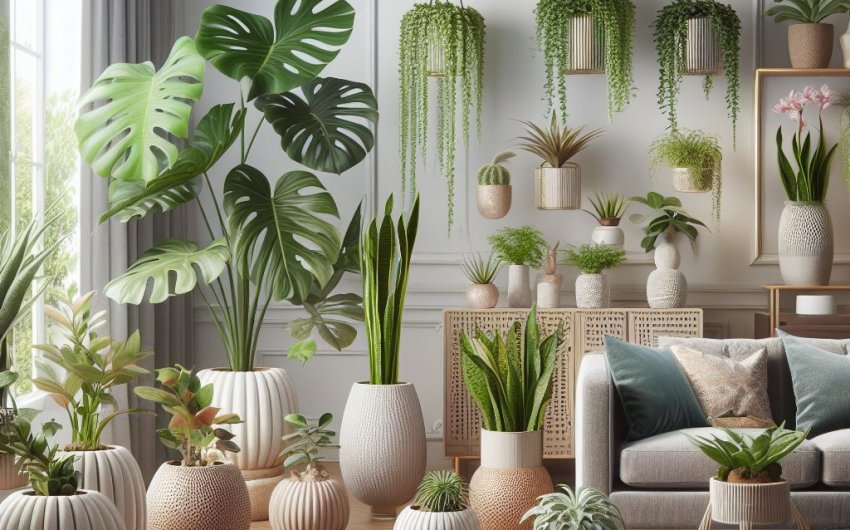
Indoor plants are undeniably one of the most effective and accessible tools for elevating home aesthetics, offering a living element that brings warmth, texture, and a touch of nature to any stylish decor. They are far more than just green accents; they act as dynamic pieces of art, transforming mundane spaces into vibrant, inviting sanctuaries. Integrating plants thoughtfully can drastically change the mood and visual appeal of your interior design.
Why Are Indoor Plants Essential for Stylish Decor?
Indoor plants are much more than just pretty additions; they've become an indispensable element in modern interior design, breathing life and personality into every room. Their unique ability to blend natural beauty with functional benefits makes them essential for anyone looking to create a truly stylish and inviting home environment. They connect us to nature, even in urban settings, fulfilling a deep-seated desire for greenery.
What Aesthetic Benefits Do Plants Offer?
Plants offer a rich palette of aesthetic advantages that can profoundly impact a room's decor, turning a sterile space into a vibrant living area. Their diverse forms, colors, and textures provide endless opportunities for creative expression.
- Organic Texture and Form: Unlike static furniture, plants introduce organic, varied textures – the smooth sheen of a Fiddle Leaf Fig, the delicate fronds of a fern, or the fuzzy leaves of a Prayer Plant. Their natural shapes, from upright and architectural to soft and trailing, break up rigid lines and add visual softness.
- Color and Vibrancy: Beyond just green, plants offer a spectrum of colors, including deep purples, vibrant reds, soft pinks, and intricate variegation. These living hues add pops of natural color that can complement or contrast with your existing decor, creating focal points or subtle harmonies.
- Living Art Pieces: A well-placed plant can function as a living sculpture, drawing the eye and adding a unique, dynamic element that evolves over time. A large statement plant can anchor a room, much like a piece of furniture or art.
- Depth and Dimension: Plants, especially those of varying heights and sizes, add depth and dimension to a room, preventing it from looking flat or one-dimensional. They can fill empty corners, soften harsh angles, and create intriguing visual layers.
- Cohesion and Flow: Strategic placement of plants throughout a home can create a sense of cohesion and flow, linking different areas with a natural theme. They help to unify diverse decor styles, bridging the gap between modern minimalism and bohemian eclecticism.
What Atmospheric Enhancements Do Plants Provide?
Beyond their visual appeal, indoor plants profoundly enhance a room's atmosphere, contributing to a sense of well-being and tranquility. Their presence creates a more pleasant and healthy living environment.
- Connection to Nature: Plants offer a vital connection to the natural world, which is especially valuable in urban environments. This biophilic design element can reduce stress and promote a sense of calm and groundedness.
- Improved Air Quality: Many plants are known to filter indoor air, absorbing toxins like formaldehyde and benzene and releasing oxygen. While a single plant may not purify a large room entirely, a collection of plants contributes to fresher, healthier air.
- Humidity Boost: Especially in dry indoor environments, plants release moisture through transpiration, slightly increasing ambient humidity. This can be beneficial for both human comfort and the health of other plants.
- Sound Absorption: Large, leafy plants can help to absorb sound waves, slightly dampening echoes in hard-surfaced rooms and contributing to a quieter, more peaceful atmosphere.
- Stress Reduction and Well-being: Studies consistently show that being around plants can reduce stress, improve mood, and boost concentration. Their presence fosters a more serene and enjoyable living space.
Integrating indoor plants into your decor is not just a trend; it's a timeless strategy for creating spaces that are not only beautiful but also alive, harmonious, and conducive to a higher quality of life. They are essential elements in the art of adornment.
How Do You Choose the Right Indoor Plants for Your Decor Style?
Selecting the perfect indoor plants for your decor style is about more than just picking pretty foliage; it's about finding plants that visually complement your existing aesthetic, thrive in your home's conditions, and enhance the overall ambiance. A thoughtful selection ensures harmony and longevity.
What is Your Home's Light Level?
The most critical factor in choosing any plant is understanding the light conditions in your home. This will dictate which plants can actually survive, let alone thrive.
- Bright, Direct Light: Areas near south-facing windows, or unobstructed east/west-facing windows, receive several hours of direct sunlight.
- Plants that thrive: Cacti, succulents, Bird of Paradise, Fiddle Leaf Fig (Ficus lyrata), Olive Tree, Ponytail Palm.
- Bright, Indirect Light: These spots are well-lit but without direct sun hitting the leaves (e.g., a few feet back from a sunny window, or near an east-facing window). Most houseplants prefer this.
- Plants that thrive: Monstera, Philodendron, Pothos, Prayer Plant, Spider Plant, Peace Lily, Zamioculcas zamiifolia (ZZ Plant), many Ficus varieties (Rubber Plant, Ficus benjamina).
- Low to Medium Light: Areas further from windows, or rooms with north-facing windows. These spots usually don't receive direct sun.
- Plants that thrive: ZZ Plant, Snake Plant (Sansevieria trifasciata), Cast Iron Plant, Pothos, Peace Lily, some smaller ferns.
Using a light meter for plants can provide accurate readings if you're unsure.
What is Your Decor Style?
Matching plants to your decor style creates a cohesive and intentional look, making the plants feel like an integral part of your design rather than an afterthought.
- Modern/Minimalist: Clean lines, uncluttered spaces, neutral palettes.
- Plants: Architectural, sculptural plants with simple forms.
- Examples: Snake Plant, ZZ Plant, Fiddle Leaf Fig, Monstera Deliciosa, Cactus varieties. Pot in simple, monochromatic containers.
- Bohemian/Eclectic: Layered textures, natural materials, global influences, a relaxed vibe.
- Plants: Trailing, abundant, and varied foliage. Mix and match.
- Examples: Pothos, Philodendron, String of Pearls, Ferns, Prayer Plants, large leafy plants. Use macrame hangers and woven baskets.
- Traditional/Classic: Elegant, timeless furniture, symmetrical arrangements, refined details.
- Plants: Lush, established, and well-behaved plants.
- Examples: Ficus Elastica (Rubber Plant), Boston Fern, Orchid, Peace Lily. Pot in ceramic or decorative cachepots that match your existing pieces.
- Mid-Century Modern: Organic shapes, natural wood, pops of color, often retro feel.
- Plants: Bold, sometimes dramatic foliage that was popular in the 50s and 60s.
- Examples: Monstera, Fiddle Leaf Fig, Snake Plant, Bird of Paradise. Place in planters with clean lines or on plant stands.
- Farmhouse/Rustic: Warm woods, vintage accents, cozy and inviting.
- Plants: Hearty, unpretentious plants with a natural, slightly wild feel.
- Examples: Pothos, Spider Plant, Rosemary, large Herbs. Use galvanized buckets, terracotta pots, or vintage crates as planters.
What is Your Maintenance Commitment?
Be honest about how much time and effort you're willing to invest in plant care. Some plants are more forgiving than others.
- Low Maintenance: Snake Plant, ZZ Plant, Pothos, Cast Iron Plant, most Cacti and Succulents. These tolerate neglect and irregular watering.
- Medium Maintenance: Monstera, Philodendron, Fiddle Leaf Fig, Peace Lily, Spider Plant. These need consistent but not overly demanding care.
- High Maintenance: Ferns (especially those requiring high humidity), Orchids, some Calatheas. These need specific conditions, more frequent watering, or very particular care routines.
By considering these factors, you can make informed choices that lead to a thriving and aesthetically pleasing collection of indoor plants, seamlessly integrated into your home's stylish decor.
How Can Statement Plants Transform a Room's Decor?
Statement plants are the architectural anchors of your indoor plant collection, possessing the size, form, and presence to profoundly transform a room's decor. Unlike smaller accent plants, a well-chosen statement plant can become a focal point, define a space, and inject an immediate sense of grandeur and natural elegance. They are living sculptures that command attention and elevate the entire ambiance.
What Makes a Plant a "Statement Plant"?
A plant earns the title "statement" due to its commanding presence and distinctive characteristics, which set it apart from smaller, more subtle green companions.
- Size: Statement plants are typically large, often reaching impressive heights (over 3 feet) and widths, filling significant vertical and horizontal space.
- Architectural Form: They possess a unique and striking shape, with bold leaves, sculptural stems, or a distinct growth habit that makes them visually interesting even without flowers.
- Prominent Placement: They are usually positioned in a key location in a room, such as an empty corner, beside a large window, or as a room divider, where they can be fully appreciated.
- Dramatic Impact: Their sheer presence creates an immediate sense of drama, luxury, or tranquility, instantly drawing the eye and influencing the room's overall mood.
What Are Excellent Statement Plants for Stylish Decor?
When selecting a statement plant, consider both its visual impact and its suitability for your home's light conditions.
- Fiddle Leaf Fig (Ficus lyrata):
- Why it works: Iconic for its large, violin-shaped, glossy leaves and upright growth, the Fiddle Leaf Fig exudes modern elegance and creates a dramatic vertical element. It perfectly complements minimalist and mid-century modern decor.
- Care Tip: Needs bright, indirect light and consistent watering. Avoid moving it frequently. A large, tall planter enhances its stature.
- Monstera Deliciosa (Swiss Cheese Plant):
- Why it works: Its enormous, deeply lobed, and fenestrated (holey) leaves provide incredible texture and a lush, tropical vibe. It’s perfect for bohemian, eclectic, or modern organic styles, bringing a touch of the jungle indoors.
- Care Tip: Thrives in bright, indirect light. Provide a moss pole for climbing to encourage larger leaves.
- Bird of Paradise (Strelitzia nicolai or reginae):
- Why it works: With its banana-like, architectural leaves (nicolai) or striking, crane-like flowers (reginae), this plant is a showstopper. It adds an exotic, sculptural element to contemporary and tropical-inspired spaces.
- Care Tip: Requires very bright light, including some direct sun, and moderate watering.
- Olive Tree (Olea europaea):
- Why it works: Offers a sophisticated, Mediterranean charm with its silvery-green foliage and elegant, often gnarled trunk. It's surprisingly adaptable indoors and pairs beautifully with rustic, minimalist, or European-inspired decor.
- Care Tip: Needs abundant bright, direct light and prefers to dry out between waterings.
- Ficus Elastica (Rubber Plant):
- Why it works: Features large, glossy, dark green or variegated leaves that create a bold, classic statement. It's a robust and relatively easy-care choice for various decor styles, adding a touch of established grandeur.
- Care Tip: Prefers bright, indirect light and moderate watering.
- Dracaena Marginata (Dragon Tree):
- Why it works: Its slender, architectural trunks topped with spiky, often red-edged leaves make it a striking vertical accent, especially in modern or minimalist settings. Multiple stems create an instant focal point.
- Care Tip: Tolerates medium to bright indirect light and likes to dry out slightly between waterings.
By choosing one of these magnificent plants and giving it a prominent position, you can instantly elevate your home's decor, making a powerful and stylish declaration with living greenery.
How Can Trailing and Vining Plants Enhance Aesthetic Flow?
Trailing and vining plants are the design chameleons of the indoor plant world, effortlessly enhancing aesthetic flow by softening harsh edges, adding dynamic movement, and creating a lush, organic feel that connects different elements of a room. Their ability to cascade downwards or climb upwards transforms vertical spaces and brings a sense of fluidity and abundance to any stylish decor. They are perfect for layering and adding visual interest at various heights.
What Design Roles Do Trailing Plants Play?
Trailing and vining plants offer a unique set of design capabilities that can dramatically improve a room's aesthetic. They fill gaps, add texture, and guide the eye, creating a cohesive and inviting atmosphere.
- Softening Edges and Lines: The graceful cascade of a trailing plant breaks up rigid architectural lines and the hard edges of furniture, shelves, or doorways, introducing a welcome softness and organic texture.
- Adding Vertical Interest: Whether hanging from a ceiling or draping from a shelf, these plants draw the eye upwards or downwards, utilizing often-overlooked vertical space and adding dynamic movement to a room's composition.
- Creating Layers and Depth: By planting them at different heights—on top of tall shelves, in hanging baskets, or on plant stands—you can create lush layers of greenery that add depth and visual complexity to a space.
- Connecting Elements: Trailing plants can visually link different pieces of furniture or decor, creating a sense of continuity and flow. A vine cascading from a bookshelf can connect to a nearby side table.
- Filling Empty Spaces: They are perfect for filling awkward corners, enhancing empty wall spaces, or softening the look of electronics.
- Bohemian and Eclectic Charm: They are quintessential to bohemian and eclectic styles, contributing to a sense of abundance, naturalness, and a relaxed, lived-in feel.
What Are Excellent Trailing Plants for Stylish Decor?
Many popular and easy-to-care-for plants excel in a trailing role, offering diverse leaf shapes, colors, and textures to suit any decor.
- Pothos (Epipremnum aureum):
- Why it works: Famous for its heart-shaped, glossy, often variegated leaves and incredibly vigorous growth. Pothos is nearly indestructible and can produce vines many feet long, making it perfect for dramatic cascades. Its versatility suits almost any style.
- Care Tip: Tolerates a wide range of light conditions (medium to bright indirect) and is forgiving with watering. A macrame plant hanger complements its trailing form.
- Philodendron Hederaceum (Heartleaf Philodendron):
- Why it works: Similar to Pothos but with slightly more delicate, often darker green, heart-shaped leaves. It creates a classic, elegant drape and adds a lush, understated beauty. Ideal for traditional, modern, or bohemian decor.
- Care Tip: Prefers bright, indirect light but can tolerate lower light. Let the top inch of soil dry out between waterings.
- String of Pearls (Senecio rowleyanus):
- Why it works: A truly unique succulent that features bead-like, spherical leaves cascading like delicate strands of pearls. It adds an unusual, whimsical, and minimalist touch, perfect for modern or eclectic spaces that appreciate texture.
- Care Tip: Needs bright, indirect light and very infrequent watering, as it's prone to rot.
- Spider Plant (Chlorophytum comosum):
- Why it works: Known for its arching, variegated foliage and the charming "spiderettes" (baby plants) that dangle from long stems, creating a playful and abundant trailing effect. It’s a classic for a reason and fits well in many casual or rustic decor styles.
- Care Tip: Easy to grow, adaptable to various light, and forgiving with watering.
- Hoya Carnosa (Wax Plant):
- Why it works: Its thick, waxy, sometimes variegated leaves grow on long, graceful vines that can eventually produce clusters of fragrant, star-shaped flowers. It offers a more structured, yet still trailing, elegance that suits traditional or botanical-inspired decor.
- Care Tip: Prefers bright, indirect light and allows the soil to dry between waterings.
- English Ivy (Hedera helix):
- Why it works: A quintessential vining plant with classic lobed leaves that can trail indefinitely. It brings a formal, yet abundant, touch, ideal for traditional, cottage, or European-inspired decor.
- Care Tip: Likes medium to bright indirect light and consistent moisture, but also good air circulation.
By strategically placing these trailing beauties in hanging planters, on high shelves, or atop tall furniture, you can infuse your home with natural grace and dynamic visual interest, making your stylish decor feel more alive and inviting.
What Are Easy-Care Indoor Plants for Busy Lifestyles?
For those with demanding schedules or a tendency to forget watering, choosing easy-care indoor plants is essential for successful and stylish decor. These resilient plants not only tolerate a bit of neglect but also thrive with minimal intervention, allowing you to enjoy the aesthetic and atmospheric benefits of greenery without adding stress to your busy life. They are the workhorses of the indoor plant world, providing beauty with little fuss.
What Makes a Plant "Easy-Care"?
Easy-care plants typically share a few key characteristics that make them forgiving and adaptable to various indoor environments, even with inconsistent attention.
- Drought Tolerance: They can handle periods of dry soil without wilting or dying, meaning less frequent watering.
- Light Adaptability: They can thrive in a range of light conditions, from low to bright indirect, without becoming overly leggy or stressed.
- Pest Resistance: They are less susceptible to common indoor plant pests, reducing the need for constant monitoring and treatment.
- Forgiving of Neglect: They bounce back quickly from occasional lapses in care, making them perfect for busy individuals.
What Are Excellent Easy-Care Plants for Stylish Decor?
These plants prove that you don't need a green thumb to incorporate lush greenery into your home. They look fantastic while asking for very little in return.
- Snake Plant (Sansevieria trifasciata):
- Why it works: Known for its upright, stiff, sword-like leaves often variegated with green, yellow, or silver. It has a striking, architectural form that perfectly suits modern, minimalist, and even traditional decor. It's almost impossible to kill.
- Care Tip: Tolerates low to bright indirect light. Water very sparingly; only when the soil is completely dry. Overwatering is its only enemy. A modern ceramic planter enhances its sculptural appeal.
- ZZ Plant (Zamioculcas zamiifolia):
- Why it works: Features thick, waxy, deep green leaves on upright stems, giving it a lush, almost artificial look that’s incredibly chic. It's incredibly resilient and perfect for a clean, contemporary aesthetic.
- Care Tip: Tolerates low to bright indirect light. Water very infrequently, only when the soil is completely dry. Store water in its rhizomes, making it incredibly drought-tolerant.
- Pothos (Epipremnum aureum):
- Why it works: As mentioned earlier, Pothos is a vigorous trailing plant with heart-shaped, often variegated leaves. Its ability to thrive in various conditions and cascade gracefully makes it a versatile and stylish choice for shelves or hanging baskets in any decor.
- Care Tip: Tolerates low to bright indirect light. Water when the top inch or two of soil is dry. It will tell you when it's thirsty by drooping slightly.
- Cast Iron Plant (Aspidistra elatior):
- Why it works: Named for its extreme hardiness, this plant features long, dark green, glossy leaves that stand upright. It adds a sophisticated, understated elegance and is perfect for low-light corners where other plants might struggle. Ideal for traditional or formal settings.
- Care Tip: Tolerates very low light and can go weeks without water. Almost indestructible.
- Peace Lily (Spathiphyllum species):
- Why it works: Known for its lush, dark green foliage and elegant white "flowers" (modified leaves called spathes). It adds a touch of classic beauty and purifies the air. Its slightly dramatic wilting when thirsty makes it easy to know when to water.
- Care Tip: Prefers medium to bright indirect light. Keep soil consistently moist but not soggy. It will droop dramatically when thirsty, signaling it needs water.
- Spider Plant (Chlorophytum comosum):
- Why it works: A classic for its ease of care and playful "spiderettes." Its arching, variegated leaves add a light, airy feel, perfect for casual or bohemian spaces.
- Care Tip: Adapts to various light conditions (prefers bright, indirect). Water when the top inch of soil is dry.
By incorporating these resilient and stylish plants, even the busiest individuals can enjoy a beautifully adorned home filled with thriving greenery, transforming their living spaces with minimal effort.
How Can Indoor Plants Boost Well-being and Productivity?
Indoor plants do far more than just look good; they are powerful tools for enhancing well-being and productivity within your living and working spaces. Their presence creates a calming, natural environment that can positively impact mental health, physical comfort, and cognitive function, making them indispensable elements of a truly holistic and stylish decor. The benefits extend far beyond the visual.
What Are the Mental and Emotional Benefits?
The mere presence of plants in our indoor environments has a profound impact on our mental and emotional states, fostering a more peaceful and harmonious atmosphere.
- Stress Reduction: Studies consistently show that interacting with plants or simply being in their presence can lower stress levels, reduce anxiety, and promote relaxation. The natural greenery and organic forms offer a calming visual break from screens and artificial environments.
- Mood Enhancement: Plants contribute to a more positive mood and can even help alleviate symptoms of depression. The act of nurturing a plant can be therapeutic, providing a sense of purpose and accomplishment.
- Improved Focus and Concentration: Being in a natural setting (even indoors) can restore attention and reduce mental fatigue. Plants act as "micro-breaks" for the brain, allowing for improved focus and enhanced cognitive performance, especially when working or studying.
- Increased Creativity: Exposure to natural elements has been linked to boosts in creativity and problem-solving abilities. Plants provide a stimulating yet calming backdrop for creative thought.
- Biophilia: Humans have an innate desire to connect with nature, a concept called biophilia. Indoor plants satisfy this primal need, creating a sense of connection to the outside world and fostering a feeling of groundedness and belonging.
What Are the Physical and Environmental Benefits?
Beyond the mental realm, indoor plants actively contribute to a healthier physical environment, improving air quality and overall comfort.
- Air Purification: Many houseplants act as natural air filters, absorbing common indoor pollutants like formaldehyde, benzene, xylene, and trichloroethylene from the air. While a large number of plants are needed to significantly purify a large space, a few well-placed plants certainly contribute to fresher air.
- Oxygen Production: Through photosynthesis, plants absorb carbon dioxide and release oxygen, subtly improving the oxygen levels in your home, especially during daylight hours.
- Humidity Regulation: In dry indoor environments, plants release moisture into the air through transpiration, increasing ambient humidity levels. This can be beneficial for human respiratory health, reducing dry skin, and alleviating symptoms of dry eyes or scratchy throats.
- Noise Reduction: Large, leafy plants, particularly when grouped, can help to absorb and deflect sound waves, slightly reducing ambient noise and echoes in a room, contributing to a quieter and more peaceful atmosphere.
- Temperature Moderation: Plants can help to slightly cool rooms in summer through transpiration and provide a small insulating effect in winter, contributing to more stable indoor temperatures.
By thoughtfully integrating indoor plants into your home, you're not just decorating; you're cultivating a healthier, happier, and more productive living space, proving that stylish decor can genuinely be good for you.
How Do You Style Indoor Plants for Maximum Decor Impact?
Styling indoor plants effectively goes beyond simply placing them; it's an art that integrates them seamlessly into your decor, transforming them into intentional design elements. Thoughtful placement, grouping, and planter selection can elevate your plant collection from a haphazard assortment to a cohesive and impactful display, truly enhancing your stylish decor.
What Are Key Styling Principles?
Applying basic design principles ensures your plants complement your home's aesthetic rather than clutter it.
- Vary Heights and Sizes: Create visual interest by using plants of different heights and sizes. Combine tall statement plants with medium-sized bushy plants and smaller trailing plants for a dynamic composition. Use plant stands, hanging planters, and varying pot sizes to achieve this.
- Group for Impact: Instead of scattering single plants, group them in odd numbers (3 or 5) for a stronger visual statement. Grouping plants with similar care needs is practical, too. Mix foliage shapes, colors, and textures within the group.
- Create Focal Points: Use a large, striking statement plant to anchor a corner, define a reading nook, or highlight a blank wall. Position it where its form and beauty can be fully appreciated.
- Utilize Vertical Space: Don't forget the vertical dimension! Use hanging baskets or place trailing plants on tall shelves, bookcases, or atop cabinets to draw the eye upwards and add lushness without taking up floor space.
- Consider Plant Silhouettes: Think about the shape and outline of the plant. Architectural plants like the Snake Plant or Fiddle Leaf Fig create strong, modern silhouettes, while a fern creates a softer, organic shape.
- Balance and Proportion: Ensure the plant's size is proportionate to its surroundings. A tiny plant in a large, empty corner will look lost, while an enormous plant in a cramped space will feel overwhelming.
What Role Do Planters and Accessories Play?
The container you choose is just as important as the plant itself, as it's an integral part of the overall decor. Accessories can further enhance the styled look.
- Planter Material and Color:
- Modern/Minimalist: Opt for clean lines, neutral colors (white, black, gray, terracotta), and materials like ceramic, concrete, or metal. A sleek white ceramic planter can elevate any plant.
- Bohemian/Rustic: Choose natural textures like woven baskets, terracotta, reclaimed wood, or macrame hangers.
- Traditional: Glazed ceramic, decorative cachepots, or brass planters that match your furniture.
- Consistency: While mixing is good, a consistent style or color palette for planters can unify a diverse plant collection.
- Plant Stands: Elevate plants with plant stands to add height, create layers, and protect floors. Choose stands that match your decor style (e.g., mid-century modern wood stands, minimalist metal stands).
- Baskets and Cachepots: Use decorative baskets or cachepots to hide unsightly nursery pots and add an extra layer of texture and style. Ensure there's still good drainage within the inner pot.
- Terrariums and Cloches: For smaller, humidity-loving plants, terrariums or glass cloches can create miniature decorative ecosystems that are stylish and functional. A glass terrarium kit allows for creative expression.
- Moss Poles and Trellises: For vining plants you want to grow upwards, decorative moss poles or small trellises can add an interesting structural element while supporting growth.
By thoughtfully applying these styling principles and carefully selecting your planters and accessories, you can transform your indoor plants into integral components of your stylish decor, creating spaces that are both beautiful and alive.
How Do You Care for Indoor Plants to Keep Them Looking Stylish?
Keeping your indoor plants looking stylish and vibrant is directly tied to providing them with consistent and appropriate care. Healthy, thriving plants are inherently beautiful and contribute positively to your decor, whereas neglected or struggling plants can detract from it. Consistent care ensures their longevity and aesthetic appeal.
What are Essential Care Practices?
Mastering a few fundamental care practices will ensure your plants remain a stunning part of your decor.
- Proper Watering:
- Avoid Overwatering: This is the most common killer of houseplants. Always check the soil before watering. Use your finger to feel the top 1-2 inches of soil; if it's dry, then water. If it's still damp, wait. A soil moisture meter can provide accurate readings.
- Water Deeply: When you do water, water thoroughly until it drains out the bottom. Discard any excess water from the saucer to prevent root rot.
- Understand Needs: Different plants have different needs. Succulents and cacti need very infrequent watering, while ferns and Peace Lilies prefer consistent moisture.
- Adequate Light:
- Know Your Plant: Place your plants according to their specific light requirements (full sun, bright indirect, medium, low).
- Rotate: Rotate your plants periodically to ensure all sides receive even light, preventing lopsided growth.
- Clean Leaves: Dust accumulates on leaves, blocking light. Gently wipe leaves with a damp cloth every few weeks to allow for efficient photosynthesis.
- Humidity:
- For Humidity Lovers: Many tropical houseplants (ferns, calatheas, monsteras) thrive in higher humidity. In dry indoor environments, use a plant humidifier, pebble trays, or group plants together.
- Misting: While misting offers temporary relief, it’s often not enough on its own to significantly raise humidity.
- Fertilization:
- During Growing Season: Feed your plants with a balanced liquid fertilizer (diluted to half strength) once every 2-4 weeks during their active growing season (spring and summer).
- Dormancy: Stop fertilizing during fall and winter when most plants are dormant.
- Avoid Over-fertilizing: Too much fertilizer can burn roots.
- Pruning and Deadheading:
- Maintain Shape: Trim off leggy growth, yellowing leaves, or unruly stems to maintain a tidy and appealing shape. Use sharp pruning shears.
- Encourage Bushiness: Pinch back new growth on trailing plants to encourage bushier, fuller cascades.
- Deadhead: Remove spent flowers to encourage the plant to produce more blooms.
- Repotting:
- When to Repot: Repot your plants when they become root-bound (roots circling the bottom, growing out of drainage holes) or when growth slows down significantly. This is typically every 1-2 years.
- Choose the Right Pot: Go up by only one pot size (1-2 inches larger in diameter) to avoid overwatering issues. Use fresh, well-draining potting mix.
- Pest Control:
- Inspect Regularly: Check your plants weekly for signs of common pests like spider mites, mealybugs, aphids, or fungus gnats.
- Early Intervention: Treat infestations promptly with organic solutions like neem oil, insecticidal soap, or by wiping pests off with rubbing alcohol. A neem oil spray for plants can be effective.
By establishing a consistent routine based on these essential care practices, your indoor plants will remain healthy, vibrant, and a continuously captivating element of your stylish decor, bringing life and beauty to your home for years to come.