
Mood Boosters: Indoor Plants That Lift Spirits
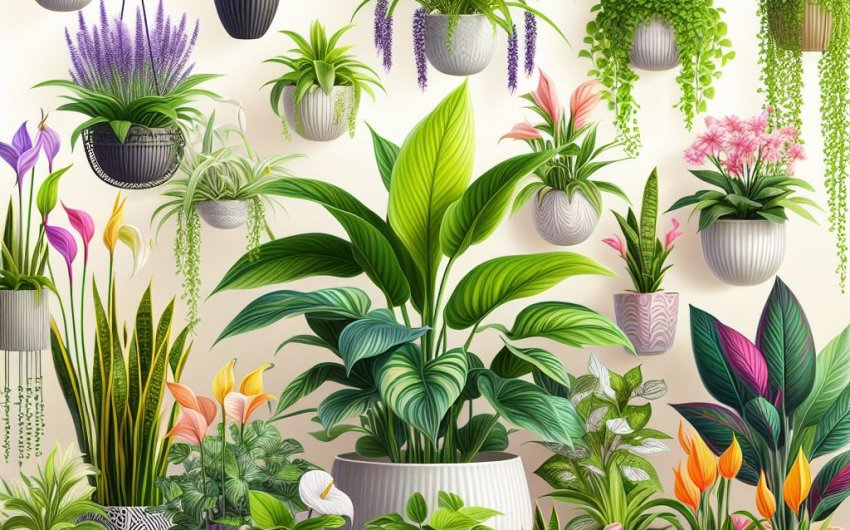
Indoor plants are incredibly powerful mood boosters, scientifically proven to lift spirits and create a more positive and serene living environment. Their vibrant presence, connection to nature, and tangible benefits like improved air quality all contribute to a heightened sense of well-being, making them much more than just decorative accents. Bringing greenery indoors offers a natural and accessible way to enhance your daily happiness.
How Do Indoor Plants Impact Our Mood and Well-being?
Indoor plants play a surprisingly profound role in shaping our mood and overall well-being, transforming our living spaces into havens of calm and positive energy. This goes beyond mere aesthetics; it taps into our inherent connection with nature and influences our mental, emotional, and even physical states in subtle yet significant ways. Their very presence creates a more nurturing environment.
What Psychological Benefits Do Plants Offer?
The psychological impact of plants is well-documented, contributing to a calmer mind and a more positive outlook on life. They act as gentle, living companions that offer a sense of peace and tranquility.
- Stress and Anxiety Reduction: Studies have consistently shown that being around plants can lower physiological and psychological stress. The act of caring for plants, or simply observing them, can reduce blood pressure, heart rate, and muscle tension, fostering a sense of calm and relaxation.
- Mood Enhancement: Plants contribute to a more positive emotional state. Their vibrant colors and organic forms can elevate mood, reduce feelings of sadness, and combat symptoms of depression. They introduce a sense of vitality and life into often sterile indoor environments.
- Increased Sense of Vitality and Energy: Connecting with nature, even through indoor plants, can make us feel more energetic and alive. This biophilic connection satisfies our innate desire to be surrounded by living things, boosting overall vitality.
- Improved Focus and Concentration: Having plants in your workspace or study area can enhance cognitive function. They act as "micro-breaks" for the brain, allowing for improved focus, concentration, and better problem-solving abilities by reducing mental fatigue.
- Nurturing and Accomplishment: The responsibility of caring for a plant and watching it thrive provides a powerful sense of purpose and accomplishment. This nurturing aspect can be incredibly therapeutic, especially for those seeking a tangible connection to growth and life.
- Reduced Loneliness: For some, especially those living alone, plants can offer a subtle form of companionship, creating a more comforting and less isolated atmosphere in the home.
What Environmental Contributions Enhance Mood?
Beyond the direct psychological effects, plants improve the physical environment in ways that indirectly boost our mood and comfort. A healthier environment naturally leads to a happier occupant.
- Air Purification: Plants are natural air filters. They absorb common indoor pollutants like formaldehyde, benzene, trichloroethylene, and xylene, which are found in everyday items like furniture, carpets, and cleaning products. By reducing these toxins, plants contribute to cleaner, fresher air, which can alleviate headaches and improve overall well-being.
- Oxygen Production: Through photosynthesis, plants absorb carbon dioxide and release oxygen during the day. While the effect of a few plants in a large room might be subtle, a collection of plants contributes to a more oxygenated environment.
- Humidity Regulation: Especially in dry indoor climates (common in homes with central heating or air conditioning), plants release moisture through transpiration, increasing ambient humidity. This can reduce dry skin, scratchy throats, and improve respiratory comfort, making the indoor environment more pleasant.
- Noise Reduction: Large, leafy plants can help absorb sound waves, subtly dampening echoes and reducing ambient noise in rooms with hard surfaces. This creates a quieter, more peaceful atmosphere, conducive to relaxation and focus.
By integrating indoor plants into your daily life, you're not just decorating; you're actively cultivating a more harmonious, healthy, and psychologically enriching living space, experiencing a daily dose of mood boosters that truly lift your spirits.
Which Indoor Plants Are Known for Their Mood-Lifting Properties?
Certain indoor plants stand out for their exceptional ability to lift spirits, whether through their vibrant appearance, fragrant blooms, or renowned air-purifying qualities. These green companions are not just decorative; they actively contribute to a more positive and serene home environment, making them excellent choices for anyone seeking mood boosters.
What Are Excellent Mood-Lifting Plants?
These plants have a proven track record of enhancing well-being and are relatively easy to care for, ensuring they remain a source of joy rather than stress.
- Peace Lily (Spathiphyllum species):
- Why it lifts spirits: Known for its elegant white "flowers" (actually modified leaves called spathes) and lush, dark green foliage. The Peace Lily is a powerful air purifier, removing toxins like formaldehyde, benzene, and carbon monoxide. Its gentle beauty and ability to clean the air create a serene, healthy environment.
- Care Tip: Prefers medium to bright indirect light. Keep soil consistently moist but not soggy. It visibly wilts when thirsty, making it easy to know when to water. A peace lily plant in a decorative pot adds instant calm.
- Snake Plant (Sansevieria trifasciata):
- Why it lifts spirits: A superhero among air purifiers, the Snake Plant converts CO₂ to O₂ at night, making it ideal for bedrooms. Its striking, architectural form and minimalist aesthetic reduce visual clutter and provide a calming presence. Its extreme hardiness means less stress for the owner.
- Care Tip: Tolerates low to bright indirect light. Water very sparingly; only when the soil is completely dry. Overwatering is its only enemy.
- Lavender (Lavandula species, suitable varieties for indoors):
- Why it lifts spirits: Famous for its calming fragrance, lavender can reduce stress, improve sleep quality, and alleviate anxiety. Though challenging indoors, dwarf varieties grown near a bright window can offer its therapeutic scent.
- Care Tip: Requires abundant direct sunlight and excellent drainage. Water sparingly. A small indoor lavender plant needs a sunny spot.
- Pothos (Epipremnum aureum):
- Why it lifts spirits: A vibrant, trailing plant with heart-shaped, often variegated leaves that are renowned for their air-purifying capabilities. Its lush, flowing growth creates a sense of abundance and natural beauty, reducing feelings of sterility and enhancing vitality. Its easy care is also a mood booster.
- Care Tip: Tolerates a wide range of light (medium to bright indirect) and is forgiving with watering.
- Aloe Vera (Aloe barbadensis miller):
- Why it lifts spirits: Beyond its aesthetic appeal as a sculptural succulent, Aloe Vera offers practical benefits with its medicinal sap for burns and skin irritations. Having a living "first-aid kit" provides a sense of security and utility. It also purifies air.
- Care Tip: Needs bright, indirect light and well-draining soil. Water when the soil is completely dry.
- Jasmine (Jasminum species, e.g., Jasminum polyanthum):
- Why it lifts spirits: Known for its exquisite, sweet fragrance, particularly at night, jasmine can reduce anxiety and promote relaxation and sleep. A blooming jasmine vine near a window infuses the air with a truly mood-lifting aroma.
- Care Tip: Requires bright light, a trellis for climbing, and consistent moisture during blooming.
- Orchids (Phalaenopsis species - Moth Orchid):
- Why it lifts spirits: Their exotic, long-lasting, and delicate blooms bring a touch of elegance and beauty, often inspiring awe and tranquility. The satisfaction of caring for and re-blooming an orchid is a significant mood booster.
- Care Tip: Prefers bright, indirect light, high humidity, and specialized orchid bark mix. Water once a week when media is dry. A phalaenopsis orchid in a clear pot helps monitor roots.
These plants not only add natural beauty to your home but actively contribute to a healthier and more uplifting living environment, making them perfect mood boosters for any space.
How Can Engaging with Plants Reduce Stress and Anxiety?
Engaging with plants, whether through active care or simply being in their presence, offers a powerful and natural antidote to stress and anxiety, acting as a grounding and calming force in our busy lives. This therapeutic interaction highlights why indoor plants are such effective mood boosters, going beyond passive observation to active participation.
What is "Horticultural Therapy"?
Horticultural therapy is a well-established and professionally recognized practice that uses plants and gardening activities to promote physical, mental, and spiritual healing and rehabilitation. It's not just a hobby; it's a structured approach used by trained therapists to achieve specific treatment goals for individuals with various health conditions.
- Goals: Aims to improve memory, cognitive abilities, task initiation, language skills, and socialization. In physical rehabilitation, HT can help to strengthen muscles and improve coordination, balance, and endurance. For mental health, it significantly reduces stress, anxiety, and depression.
- Activities: May involve planting seeds, repotting plants, harvesting produce, or simply spending time in a therapeutic garden.
- Mechanism: The interaction with the natural world, coupled with goal-oriented tasks, provides a sense of purpose and calm, redirecting focus away from stressors.
How Does Active Plant Care Boost Mood?
The act of actively caring for plants provides a tangible and rewarding engagement that directly contributes to improved mental well-being and stress reduction. It's a mindful practice that offers a welcome break from daily pressures.
- Mindfulness and Focus: Watering, pruning, or repotting a plant demands your attention in the present moment. This focused activity can be a form of mindfulness meditation, helping to quiet a racing mind and pull you away from worries about the past or future.
- Sense of Accomplishment: Watching a plant grow and thrive under your care provides a powerful sense of achievement and satisfaction. Nurturing a living thing can be deeply fulfilling and boost self-esteem.
- Connection to Nature: Even indoors, caring for a plant fosters a direct connection to the natural world. This biophilic bond is inherently calming and restorative, counteracting the artificiality of modern life.
- Reduced Cortisol Levels: Studies have shown that performing gardening tasks can lead to a decrease in cortisol (the stress hormone) and an increase in alpha brain waves, indicating a state of relaxed alertness.
- Gentle Physical Activity: While not strenuous, tasks like repotting or watering involve gentle physical movement, which can subtly contribute to stress relief and a sense of vitality.
- Structure and Routine: For some, the routine of plant care can provide a sense of structure and predictability, which can be comforting during times of uncertainty or anxiety.
How Does Passive Exposure Contribute?
Even without actively "gardening," simply having plants in your environment provides passive, continuous benefits for stress and anxiety reduction.
- Visual Aesthetics: The natural beauty, vibrant colors, and organic forms of plants are inherently soothing and pleasing to the eye. They offer a soft visual break and a focal point for calm.
- Atmospheric Improvement: As discussed, plants improve air quality and humidity, creating a physically more comfortable environment, which in turn reduces physical stressors that can contribute to mental discomfort.
- Therapeutic Sound/Smell: The subtle rustle of leaves or the occasional fragrance from a blooming plant can contribute to a peaceful sensory experience, reducing ambient stress.
Whether you're deeply engrossed in repotting a monstera or simply enjoying the quiet presence of a snake plant in your periphery, engaging with indoor plants is a powerful and accessible strategy for reducing stress and anxiety, actively lifting your spirits in your everyday life.
How Do Indoor Plants Purify Air and Improve Physical Health?
Indoor plants are natural and aesthetic powerhouses when it comes to improving the air we breathe and, consequently, our physical health. Their ability to purify the air by absorbing common toxins and regulating humidity levels makes them invaluable assets in creating a healthier living environment. This tangible benefit contributes significantly to their status as mood boosters, knowing they actively work to make your home better.
What Is the Role of NASA's Clean Air Study?
NASA's groundbreaking Clean Air Study, conducted in 1989, provided crucial scientific evidence that specific indoor plants can effectively remove common airborne toxins from sealed environments. This research, initially aimed at purifying air in space stations, highlighted the significant air-purifying capabilities of everyday houseplants.
- Key Findings: The study identified several plants that were particularly effective at removing substances like:
- Formaldehyde: Found in plywood, particle board, glues, drapes, and paper products.
- Benzene: Found in plastics, synthetic fibers, detergents, and tobacco smoke.
- Trichloroethylene: Found in printing inks, paints, lacquers, and varnishes.
- Xylene: Found in rubber, leather, and printing industries.
- Ammonia: Found in window cleaners, floor waxes, and fertilizers.
- Mechanism: Plants absorb these pollutants through their leaves, which are then transported to the root system. Microorganisms in the soil around the roots then convert these toxins into nutrients for the plant.
- Impact: While a large number of plants are needed to significantly purify a vast open space, the study provided the foundational understanding that plants are active participants in improving indoor air quality, boosting both the physical environment and our perception of freshness.
Which Plants Are Top Air Purifiers?
Based on the NASA study and subsequent research, several plants consistently rank high for their air-purpurifying capabilities, making them excellent choices for healthier homes.
- Peace Lily (Spathiphyllum species): Exceptional at removing formaldehyde, benzene, and trichloroethylene.
- Snake Plant (Sansevieria trifasciata): Removes formaldehyde, benzene, and trichloroethylene, and uniquely converts CO₂ to O₂ at night.
- Pothos (Epipremnum aureum): Effective against formaldehyde, benzene, and carbon monoxide.
- Spider Plant (Chlorophytum comosum): Great at tackling formaldehyde and xylene.
- Chrysanthemum (Chrysanthemum morifolium): (Flowering plant) Excellent for removing benzene, formaldehyde, and ammonia.
- Gerbera Daisy (Gerbera jamesonii): (Flowering plant) Known for removing benzene and trichloroethylene.
- Boston Fern (Nephrolepis exaltata): Particularly good for removing formaldehyde and boosting humidity.
- Dracaena species (e.g., Dracaena marginata, Dracaena deremensis 'Janet Craig'): Diverse group that can remove benzene, formaldehyde, trichloroethylene, and xylene.
How Do Plants Regulate Humidity for Physical Comfort?
Beyond removing toxins, plants play a vital role in regulating indoor humidity, a factor often overlooked but crucial for physical comfort and health.
- Transpiration: Plants release moisture into the air through a process called transpiration, where water vapor evaporates from their leaves.
- Humidity Boost: In dry indoor environments (common in winter due to heating, or in arid climates), a collection of plants can significantly increase ambient humidity levels.
- Health Benefits of Optimal Humidity:
- Respiratory Health: Helps soothe dry nasal passages and throats, reducing irritation and making breathing more comfortable. Can alleviate symptoms of colds or allergies.
- Skin and Hair: Prevents dry, flaky skin and brittle hair.
- Eye Comfort: Reduces dry, itchy eyes, especially for those working long hours on computers.
- Plant Health: Other houseplants and even wooden furniture benefit from higher humidity.
By choosing these efficient air purifiers and natural humidifiers, you're investing in a more physically comfortable and healthier home. This tangible benefit contributes significantly to overall well-being and makes indoor plants truly effective mood boosters, demonstrating their value far beyond just aesthetics. A plant humidifier can help boost this effect in particularly dry homes.
Can Indoor Plants Improve Focus and Productivity in Workspaces?
Absolutely, integrating indoor plants into workspaces, whether a home office or a corporate environment, has been shown to significantly improve focus and productivity. Their presence creates a more stimulating yet calming atmosphere that supports cognitive function and reduces mental fatigue, making them essential mood boosters for any productive setting. The benefits are both psychological and environmental, transforming a sterile desk into a thriving hub.
How Do Plants Impact Cognitive Function?
Plants engage our senses and provide a subtle, natural influence that enhances our brain's performance, particularly when it comes to attention and concentration.
- Attention Restoration Theory: This theory suggests that exposure to natural environments (even visual ones like indoor plants) helps to restore directed attention and reduce mental fatigue. Plants provide a gentle "soft fascination" that allows our brains to recover from the demands of focused work, leading to improved concentration.
- Reduced Distractions: The presence of plants can create a more serene backdrop, reducing perceived noise and visual clutter, allowing for better focus on tasks at hand.
- Enhanced Creativity and Problem-Solving: Studies have indicated that being in a green environment can boost creative thinking and problem-solving abilities. The calming influence of nature fosters an open and imaginative mindset.
- Improved Memory: Some research suggests a link between exposure to nature and improved memory retention, contributing to overall cognitive enhancement.
What Are the Productivity Gains?
The improvements in focus and cognitive function directly translate into tangible gains in productivity, making plants a smart investment for any workspace.
- Increased Productivity: Numerous studies, including those by the University of Exeter, have found that workers in "green" offices with plants are 15% more productive than those in lean, plant-free spaces.
- Fewer Errors: Enhanced focus and reduced mental fatigue can lead to fewer mistakes and improved accuracy in tasks requiring sustained attention.
- Faster Task Completion: With better concentration, individuals can complete tasks more efficiently and effectively, contributing to overall speed and output.
- Reduced Absenteeism: A healthier and more pleasant work environment (aided by air-purifying and humidity-regulating plants) can lead to fewer sick days, as employees experience better physical and mental well-being.
- Higher Job Satisfaction: Employees often report higher job satisfaction and feel more engaged and positive about their workspace when plants are present. This positive emotional state can indirectly boost motivation and productivity.
What Are the Best Plants for a Workspace?
When choosing plants for a workspace, consider those that are easy to care for, tolerant of various light conditions, and known for their air-purifying qualities.
- Snake Plant: Incredibly low maintenance, purifies air, and releases oxygen at night – perfect for a desk or office corner.
- ZZ Plant: Almost indestructible, tolerates low light, and has a sleek, professional appearance.
- Pothos: Trailing vines add a natural, calming element and are excellent air purifiers. Can sit on a shelf or hang.
- Peace Lily: Adds beauty, purifies air, and helps regulate humidity, creating a serene atmosphere.
- Spider Plant: Easy to care for, air purifying, and its "spiderettes" can be a fun, distracting element.
- Philodendron (Heartleaf): Similar to Pothos, easy-care, and trailing, bringing a lush feel.
By strategically placing these indoor plants in your workspace, you're creating an environment that actively supports your mental well-being and enhances your ability to focus and be productive, proving that mood boosters can also be productivity powerhouses. A desktop plant pot can add a touch of green directly to your work surface.
How Can Different Plant Forms and Colors Influence Mood?
The aesthetic qualities of indoor plants – their diverse forms, textures, and colors – play a significant, often subconscious, role in influencing our mood and the overall atmosphere of a room. Just like art or furniture, plants contribute to the visual language of your home, acting as powerful mood boosters through their intrinsic beauty and natural variations. Thoughtful selection based on these attributes can profoundly shape emotional responses.
What is the Psychological Impact of Green Foliage?
The dominant color of most houseplants, green, has a universally recognized calming and restorative effect on the human psyche. This powerful psychological association contributes significantly to their mood-lifting properties.
- Calm and Serenity: Green is inherently associated with nature, growth, and tranquility. Its presence can evoke feelings of peace, harmony, and relaxation, counteracting the stress of urban or artificial environments.
- Reduced Eye Strain: Looking at green can be soothing for the eyes, offering a visual break from bright screens and artificial lighting.
- Sense of Freshness and Vitality: Green foliage brings a sense of freshness, cleanliness, and natural vitality into a room, making the space feel more alive and inviting.
- Balance and Stability: Green is a balanced color, often conveying a sense of stability and reassurance, which can be psychologically comforting.
How Do Plant Forms and Textures Affect Mood?
Beyond color, the physical shape and texture of a plant's leaves and overall structure influence the energy and feeling of a room.
- Architectural/Sculptural Plants (e.g., Snake Plant, ZZ Plant, Fiddle Leaf Fig):
- Impact: Their upright, rigid, and bold forms lend themselves to a sense of structure, order, and modern sophistication. They can convey strength and create striking focal points.
- Mood: Often associated with calm focus, understated elegance, and a clean, uncluttered aesthetic, promoting a sense of control and clarity.
- Soft/Trailing Plants (e.g., Pothos, Ferns, Philodendron):
- Impact: Their cascading vines, delicate fronds, or sprawling habits create a sense of movement, abundance, and organic flow. They soften harsh lines and add a natural, wilder beauty.
- Mood: Evoke feelings of relaxation, comfort, and warmth. They contribute to a cozy, inviting, and often bohemian or eclectic atmosphere.
- Textural Variety:
- Glossy Leaves (e.g., Fiddle Leaf Fig, Rubber Plant): Reflect light, adding a sense of vibrancy and luxury.
- Matte/Fuzzy Leaves (e.g., Prayer Plant, African Violet): Create a softer, more intimate feel, absorbing light and adding visual depth.
- Spiky/Pointed Leaves (e.g., Dracaena, Yucca): Can add a dynamic, energetic, or even protective feel, often used to define boundaries.
How Do Flowers and Variegation Enhance Mood?
While most indoor plants are grown for their foliage, flowering plants and those with variegated leaves introduce an extra layer of mood-lifting visual stimulation.
- Vibrant Flowers (e.g., Orchids, Peace Lilies, Cyclamen, African Violets):
- Impact: Introduce pops of bright color and often delicate, intriguing forms. The sight of a blooming flower can be a delightful surprise and a clear sign of life and growth.
- Mood: Evoke feelings of joy, celebration, and beauty. The process of nurturing a plant to flower is also a significant mood booster.
- Variegated Foliage (e.g., Pothos 'Marble Queen', Calathea, Stromanthe):
- Impact: Features multiple colors and patterns on a single leaf, adding complexity, depth, and visual intrigue even without flowers.
- Mood: Can be stimulating and engaging, preventing visual monotony and adding a dynamic element to the green palette.
By thoughtfully curating a collection of indoor plants that offers a variety of forms, textures, and colors, you can intentionally craft spaces that evoke specific emotional responses, truly leveraging plants as dynamic mood boosters and integral elements of a vibrant home.