
Stress-Free Sanctuary: Indoor Plants for Relaxation
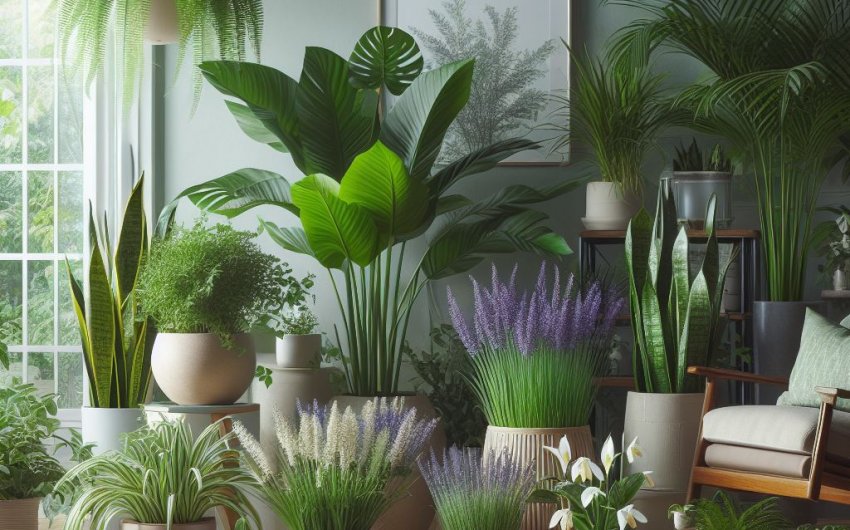
Creating a stress-free sanctuary within your home is remarkably achievable with the strategic placement of indoor plants, as they are natural architects of relaxation. These living elements introduce a calming, restorative presence that actively reduces stress, purifies the air, and fosters a profound sense of peace. Incorporating plants for relaxation is a simple yet powerful way to transform any room into a tranquil haven.
How Do Indoor Plants Promote Relaxation and Reduce Stress?
Indoor plants are far more than just decorative accents; they are active agents in promoting relaxation and significantly reducing stress, transforming our homes into genuine sanctuaries. This profound impact stems from a combination of psychological, environmental, and physiological benefits that plants naturally offer. Their presence subtly shifts our internal and external environments towards a state of calm.
What Are the Psychological Pathways to Calm?
The human mind has an innate connection to nature, and plants tap into this bond, offering a pathway to mental tranquility and emotional balance. Their subtle presence can work wonders for a stressed mind.
- Biophilia and Connection to Nature: Humans possess an inherent, evolutionary tendency to connect with nature, a concept known as biophilia. Indoor plants satisfy this deep-seated need, fostering a sense of connection to the natural world that can be profoundly grounding and calming, especially in urban or indoor settings.
- Reduced Mental Fatigue and Improved Focus: Observing plants or engaging in simple plant care acts as a form of "attention restoration." It provides a gentle mental break from demanding tasks and digital screens, allowing the mind to recover and improving overall focus and concentration. This mental clarity contributes to a sense of peace.
- Stress Hormone Reduction: Scientific studies have shown that interaction with indoor plants or even passive exposure can lead to lower levels of cortisol, the body's primary stress hormone. This physiological response translates directly into reduced feelings of stress and anxiety.
- Mood Enhancement and Positive Emotions: The vibrant greenery and organic forms of plants are aesthetically pleasing and contribute to a more positive emotional state. They can elevate mood, reduce feelings of sadness, and inspire a sense of optimism and well-being, making a space feel more inviting and less sterile.
- Therapeutic Engagement: The act of nurturing a plant—watering, pruning, observing new growth—is a gentle, repetitive, and rewarding activity. This mindful engagement can be a therapeutic escape, providing a sense of purpose and accomplishment that distracts from daily stressors.
- Sensory Soothing: The soft rustle of leaves, the subtle fragrance of certain plants (like jasmine or lavender), and the calming green hues all contribute to a sensory experience that can be deeply soothing and conducive to relaxation.
What Environmental Contributions Aid Relaxation?
Beyond the psychological, plants actively improve the physical environment of our homes, creating conditions that are more comfortable and less irritating, thereby promoting a state of relaxation. A clean and comfortable environment is foundational to peace of mind.
- Air Purification: Many indoor plants act as natural air filters, absorbing common indoor pollutants like formaldehyde, benzene, and trichloroethylene from the air. By reducing these toxins, plants contribute to cleaner, fresher air, which can alleviate headaches, improve respiratory comfort, and reduce subtle physical stressors that contribute to general unease.
- Humidity Regulation: In dry indoor environments (often a result of heating or air conditioning), plants release moisture through transpiration, increasing ambient humidity levels. This can soothe dry nasal passages and throats, prevent dry skin and eyes, and make the overall atmosphere feel more comfortable and less irritating.
- Noise Reduction: Large, leafy plants, especially when grouped together, can help to absorb and deflect sound waves, subtly dampening echoes and reducing ambient noise in rooms with hard surfaces. This creates a quieter, more tranquil atmosphere, essential for relaxation.
- Oxygen Production: Through photosynthesis, plants absorb carbon dioxide and release oxygen, contributing to a more oxygenated environment, which can make a space feel fresher and more invigorating.
By harnessing these myriad benefits, indoor plants become indispensable elements in crafting a stress-free sanctuary, actively working to enhance our peace of mind and create a truly relaxing home environment.
Which Indoor Plants Are Best Suited for Creating a Relaxing Atmosphere?
To cultivate a truly relaxing atmosphere, choosing the right indoor plants is paramount. These specific varieties are renowned for their calming aesthetics, ease of care, and proven benefits in purifying air or releasing soothing fragrances, making them ideal partners in your stress-free sanctuary. They contribute to a serene environment rather than adding to your workload.
What Are Excellent Plants for Relaxation?
These plants combine beauty with functionality, making them perfect choices for any space dedicated to unwinding.
- Peace Lily (Spathiphyllum species):
- Why it's relaxing: Its elegant white "flowers" (spathes) and lush, dark green foliage exude tranquility and grace. It's a top-tier air purifier, tackling formaldehyde, benzene, and carbon monoxide, creating cleaner, healthier air. Its visible wilting when thirsty makes care intuitive, reducing owner stress.
- Care Tip: Prefers medium to bright indirect light. Keep soil consistently moist but not soggy. A peace lily plant in a soothing white pot enhances its serene presence.
- Lavender (Lavandula species - suitable indoor varieties):
- Why it's relaxing: Famous for its calming, aromatic fragrance, lavender is a natural anxiolytic (anxiety reducer) and sleep aid. Though challenging indoors, dwarf varieties or specific types like French lavender, placed in a very sunny window, can infuse a space with its therapeutic scent.
- Care Tip: Demands abundant direct sunlight and excellent drainage. Water sparingly. A small potted lavender plant needs consistent light and care.
- Snake Plant (Sansevieria trifasciata):
- Why it's relaxing: Its upright, architectural form brings a sense of calm order to a space. It’s an exceptional air purifier, notably releasing oxygen at night, which can improve sleep quality. Its extreme hardiness means zero maintenance stress.
- Care Tip: Tolerates low to bright indirect light. Water very sparingly, only when soil is completely dry. A sleek, modern planter for a snake plant complements its serene form.
- Chamomile (Chamaemelum nobile or Matricaria chamomilla):
- Why it's relaxing: While typically grown outdoors, certain varieties can be grown indoors with sufficient light. The flowers are used to make calming tea, and the plant itself emits a mild, apple-like fragrance that can be soothing.
- Care Tip: Needs bright light and well-draining soil. Keep consistently moist.
- Jasmine (Jasminum species, e.g., Jasminum polyanthum):
- Why it's relaxing: Renowned for its intensely sweet and calming fragrance, particularly strong in the evening. Studies suggest jasmine scent can reduce anxiety and promote restful sleep. A blooming jasmine vine is a true sensory delight for relaxation.
- Care Tip: Requires bright light, a support to climb, and consistent moisture, especially when flowering. A small indoor jasmine plant with a trellis is ideal.
- Aloe Vera (Aloe barbadensis miller):
- Why it's relaxing: A sculptural succulent that purifies the air and offers practical utility with its medicinal sap for soothing minor burns and irritations. Having a living natural remedy contributes to a sense of calm preparedness.
- Care Tip: Needs bright, indirect light and well-draining soil. Water when the soil is completely dry.
- Boston Fern (Nephrolepis exaltata):
- Why it's relaxing: Its lush, feathery fronds create a soft, abundant, and organic aesthetic that evokes a sense of natural tranquility. It's also an excellent natural humidifier and air purifier (especially for formaldehyde).
- Care Tip: Prefers high humidity, consistent moisture, and bright, indirect light. A hanging Boston fern adds a cascading green element.
- Prayer Plant (Maranta leuconeura):
- Why it's relaxing: Its distinctive, intricately patterned leaves fold upwards at night, resembling praying hands, adding a unique, dynamic, and meditative quality to a room. Its rich colors are visually soothing.
- Care Tip: Prefers bright, indirect light and high humidity. Keep soil consistently moist.
By thoughtfully placing these specific plants in your home, you actively cultivate a stress-free sanctuary, enriching your environment with natural beauty, cleaner air, and calming scents, all designed to enhance your relaxation.
How Can Strategic Placement of Plants Maximize Relaxation?
Strategic placement of indoor plants is crucial for maximizing their relaxation benefits, transforming them from mere decorative items into active components of your stress-free sanctuary. The location of each plant can influence light, air quality, visual flow, and even sensory experiences, all contributing to a more tranquil atmosphere. It's about designing your space with calm in mind.
What Principles Guide Relaxing Plant Placement?
Thoughtful placement enhances the plant's natural abilities to soothe and creates a cohesive, peaceful environment. Each decision should support a sense of calm and well-being.
- Create Green Zones/Clusters: Instead of scattering single plants, group them in clusters, especially in areas where you relax the most (e.g., living room corners, bedside tables, reading nooks). Grouping creates a stronger "biophilic" effect, mimicking natural abundance, and boosts local humidity and air purification.
- Vary Heights and Textures: Use plants of different heights and forms within a cluster to add visual interest and depth. Combine tall, architectural plants (Snake Plant) with medium bushy plants (Peace Lily) and trailing vines (Pothos) to create a dynamic yet harmonious "mini-landscape" that feels natural and calming.
- Eye-Level and Below: For optimal relaxation, place plants at eye-level or below wherever possible. This allows for easy visual engagement without straining your neck. Trailing plants on high shelves or hanging baskets are an exception, adding vertical interest without being visually demanding.
- Utilize Corners and Empty Spaces: Large statement plants (like a Fiddle Leaf Fig or Monstera) are excellent for filling empty corners or creating a natural focal point, softening harsh angles and making the room feel more complete and inviting.
- Proximity to Seating: Place plants near your favorite armchair, sofa, or bed. This closeness allows you to fully experience their air-purifying benefits, gentle aesthetics, and any subtle fragrances they might emit, enhancing your personal relaxation zone.
- Soften Hard Lines: Use plants with soft, cascading foliage (e.g., ferns, Pothos) to soften the hard lines of furniture, shelving units, or architectural features. This creates a more fluid and organic feel in the room.
- Consider Light Exposure: Always place plants where they will receive their ideal light conditions. A thriving plant is a happy plant, and a happy plant is more relaxing to look at than a struggling one.
- Bedroom for Sleep Enhancement: Place oxygen-releasing and air-purifying plants (like the Snake Plant) in the bedroom to contribute to cleaner air and potentially better sleep quality. Scented plants like Jasmine or Lavender (if they get enough light) can also be highly beneficial here.
- Bathroom for Humidity Lovers: High-humidity environments like bathrooms are perfect for ferns, peace lilies, and calatheas, which thrive on moisture, and their lushness creates a spa-like, tranquil feel.
- Kitchen for Freshness: Herbs like mint, rosemary, or basil can add both a fresh aroma and a touch of living green to the kitchen, promoting a sense of well-being while cooking.
By carefully considering these placement strategies, you can transform your home into a verdant and tranquil haven, leveraging the innate power of indoor plants to foster a genuine stress-free sanctuary. A plant stand for indoor plants can help you create these layered groupings.
How Can Plant Care Itself Be a Relaxing Activity?
Engaging in the act of caring for indoor plants is often lauded as a deeply relaxing and meditative activity, turning routine tasks into opportunities for mindfulness and stress relief. Beyond the passive benefits of having plants around, the active process of nurturing them can be profoundly therapeutic, transforming your home into a true stress-free sanctuary. It's an intimate connection with living things that offers a unique form of mental respite.
What Makes Plant Care So Calming?
The very nature of tending to plants provides a multitude of psychological and sensory benefits that contribute to a heightened state of relaxation and reduced stress. It's a gentle rhythm that soothes the soul.
- Mindfulness in Action: Plant care demands your full attention to the present moment. Whether you're checking soil moisture with a soil moisture meter, gently wiping dust from leaves, or meticulously pruning a yellowing stem, these tasks require focused, gentle actions. This focus acts as a powerful form of mindfulness meditation, diverting your mind from worries, digital distractions, and external stressors.
- Rhythm and Routine: The consistent, gentle rhythm of plant care—watering on schedule, inspecting for new growth, dusting leaves—can be incredibly grounding and comforting. This predictable routine offers a sense of stability and control in a world that often feels chaotic, fostering a sense of calm.
- Sensory Engagement: Plant care engages multiple senses in a soothing way.
- Touch: Feeling the soil's texture, the smoothness of a leaf, or the roughness of a stem.
- Sight: Observing new growth, vibrant colors, or the intricate patterns on a leaf provides a visual feast that is inherently calming and inspiring.
- Smell: The fresh, earthy scent of moist soil or the subtle fragrance of certain plant leaves or flowers can be deeply invigorating and relaxing.
- Sound: The quiet rustle of leaves or the gentle drip of water can be very peaceful.
- Sense of Accomplishment and Purpose: Watching a plant thrive and grow under your direct care provides an immense sense of accomplishment and purpose. Nurturing a living being, seeing it respond positively to your efforts, is deeply satisfying and boosts feelings of well-being and self-efficacy.
- Connection to Nature: Even when indoors, caring for plants fosters a direct, intimate connection to the natural world. This biophilic bond helps to lower cortisol levels, reduce anxiety, and promote a sense of groundedness and harmony, reinforcing the idea of your home as a stress-free sanctuary.
- Patience and Acceptance: Plants operate on their own timeline. Learning to care for them teaches patience, acceptance of natural cycles (growth, dormancy, occasional struggles), and the understanding that not everything can be rushed or perfectly controlled. This mindset can translate into other areas of life, promoting a more relaxed approach.
- A "Green Break" from Digital Overload: Plant care provides a much-needed break from screens, notifications, and the constant demands of the digital world. It's an analog activity that allows for mental decompression and rejuvenation.
By consciously approaching plant care as a form of self-care and mindfulness, you can transform mundane gardening tasks into powerful rituals that actively reduce stress, enhance mental clarity, and contribute to the profound sense of relaxation within your home, truly making indoor plants essential mood boosters.
What Are Practical Tips for Integrating Plants into a Relaxing Home Environment?
Successfully integrating indoor plants into a relaxing home environment goes beyond simply buying beautiful specimens; it involves thoughtful planning and consistent care to ensure they truly contribute to your stress-free sanctuary. These practical tips will help you create a harmonious and calming green space that enhances your daily life.
What Should You Consider Before Bringing Plants Home?
Preparation is key to avoiding plant-related stress and ensuring your new additions thrive. A little planning goes a long way in creating your stress-free sanctuary.
- Assess Your Light Conditions: Before buying any plant, identify the light levels in different areas of your home. This is the single most important factor for plant health.
- Observe how many hours of direct sun each window receives.
- Use a plant light meter for accuracy.
- Choose plants that match your available light; trying to force a sun-lover into a dark corner will only lead to a struggling plant and frustration.
- Be Realistic About Your Commitment Level:
- How much time are you willing to dedicate to watering, pruning, and general care?
- If you're busy, start with easy-care plants like Snake Plants, ZZ Plants, or Pothos.
- As you gain confidence, you can gradually introduce more demanding varieties.
- Consider Your Climate/Humidity:
- If your home is very dry (especially in winter with heating), opt for drought-tolerant plants or be prepared to use a humidifier for humidity-loving species.
- Grouping plants can also create micro-climates with higher local humidity.
- Check for Pet Safety:
- If you have curious pets, always verify the toxicity of any plant before bringing it home. Consult reputable sources like the ASPCA Plant List.
- Choose only non-toxic alternatives for peace of mind.
- Start Small and Grow: You don't need a jungle overnight. Begin with a few well-chosen plants and gradually expand your collection as you learn and adapt.
What Are Styling and Maintenance Best Practices?
Once you've chosen your plants, how you display and care for them will ensure they continue to enhance your home's tranquil vibe. A beautiful plant is a healthy plant.
- Choose Appropriate Planters:
- Select pots that have drainage holes to prevent root rot, a major plant killer. Use saucers to protect furniture.
- Choose planters that complement your home's decor style and contribute to a calming aesthetic (e.g., natural ceramics, soothing colors).
- A potting mix for indoor plants is essential for good drainage.
- Water Wisely and Consistently:
- Water when the top 1-2 inches of soil are dry.
- Water thoroughly until water drains from the bottom, then empty the saucer.
- Learn each plant's specific watering rhythm.
- Dust Leaves Regularly: Dust accumulates on leaves, blocking light and making plants look dull. Gently wipe leaves with a damp cloth or give them a quick shower to keep them looking vibrant and healthy.
- Prune for Health and Shape:
- Trim off yellowing or dead leaves, leggy stems, or spent flowers. This encourages new, healthy growth and keeps the plant looking tidy and aesthetically pleasing. Use sharp plant snips.
- Rotate Plants: Periodically rotate your plants to ensure all sides receive even light exposure, promoting balanced and upright growth.
- Monitor for Pests: Regularly inspect your plants for signs of pests. Early detection makes treatment much easier, preventing widespread infestations that cause plant stress (and owner stress!).
- Repot as Needed: When a plant becomes root-bound, gently repot it into a pot that is only one size larger, with fresh potting mix.
By integrating these practical tips, you can cultivate a thriving collection of indoor plants that not only beautifies your home but also actively works to create a stress-free sanctuary, continuously providing peace and relaxation in your daily life.