
Let There Be Light: Indoor Plants for Bright Spaces
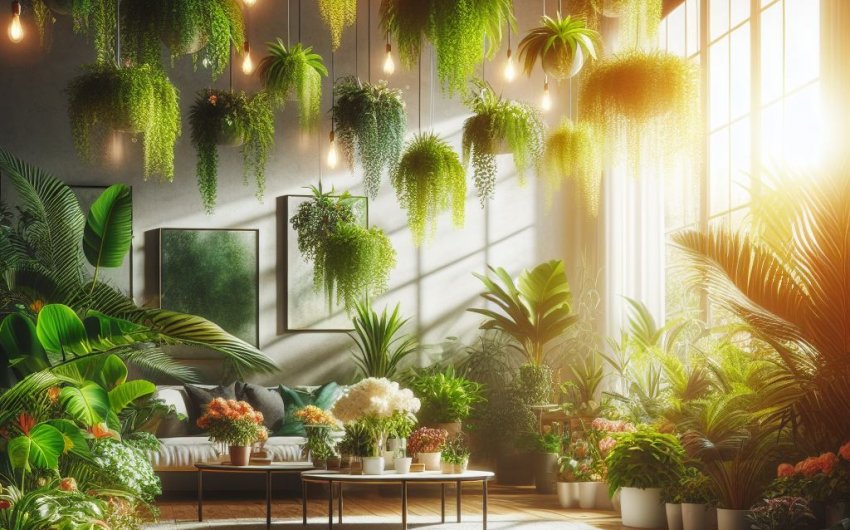
Let there be light: Indoor plants for bright spaces thrive in abundant natural light, transforming sun-drenched rooms into vibrant, living sanctuaries filled with lush foliage, exotic blooms, and often impressive growth. Rather than being limited by intense light, these sun-loving varieties actually require strong illumination to perform their best, making them perfect companions for south or west-facing windows. Selecting the right indoor plants for bright spaces allows you to fully harness the power of light in your home, creating a truly illuminated and lively atmosphere.
What Exactly Does "Bright Space" Mean for Indoor Plants?
Understanding what "bright space" truly means for indoor plants is the foundational step to successfully choosing indoor plants for bright spaces and ensuring their optimal growth. This term isn't just about a room having windows; it encompasses the intensity, duration, and quality of light, profoundly impacting what kinds of plants will thrive and those that will struggle. Accurately assessing your bright spaces helps you match plants to their ideal conditions, truly letting there be light.
Here's a breakdown of what "bright space" typically implies for indoor plants:
- Direct Sunlight (Key Characteristic):
- Definition: A bright space for plants means an area that receives a significant amount of direct sunlight for several hours a day.
- Duration: This usually translates to 3 to 6+ hours of direct sun daily, where the sun's rays directly hit the plant without significant obstruction.
- Intensity: This direct sun can be intense, especially midday or afternoon sun.
- Window Orientation:
- South-Facing Windows: These are the brightest and provide the most direct, intense light, especially during winter months. They typically receive direct sun for most of the day.
- West-Facing Windows: These provide direct sun, but primarily in the afternoon. This afternoon sun can be very intense and hot, mimicking desert-like conditions.
- East-Facing Windows: These provide gentle, direct morning sun for a few hours. While bright, it's often considered "bright indirect" or "medium light" for plants that need intense direct sun, though it's good for many others.
- North-Facing Windows: These offer consistent, bright indirect light but rarely any direct sun. Not a "bright space" for sun-loving plants.
- Unobstructed Light:
- No Curtains/Blinds: For a space to be truly "bright" for plants, the windows should be uncovered or only have sheer coverings that don't significantly block light.
- No External Obstructions: There shouldn't be large trees, neighboring buildings, or other structures outside the window that permanently shade the area.
- Factors that Influence "Brightness":
- Distance from Window: Light intensity drops off dramatically with distance. A plant right in a south window gets "bright direct," while the same plant 10 feet away might only get "medium indirect."
- Seasonality: The angle and intensity of the sun change with the seasons. A south window in winter might be perfect, but in summer, the midday sun could be too intense.
- Reflective Surfaces: White walls or nearby mirrors can reflect and intensify light.
- Window Cleanliness: Dirty windows block surprising amounts of light.
Why is This Distinction Important?
- Plant Survival: Plants have evolved to thrive in specific light conditions. A sun-loving plant placed in insufficient light will become leggy, pale, and won't bloom. A shade-loving plant placed in direct, intense sun will get scorched and die.
- Optimal Performance: For indoor plants for bright spaces, strong, direct light is not just tolerated; it's required for dense foliage, vibrant color, prolific blooming, and robust growth. Without it, they merely "survive" but don't truly flourish.
- Matching Needs: Successfully growing indoor plants for bright spaces means accurately assessing the light intensity and duration in your home and then choosing species that are perfectly adapted to that illuminated environment.
By understanding what truly defines a "bright space" in your home, you empower yourself to make informed plant selections, transforming your sunniest rooms into vibrant, living displays that perfectly showcase the allure of indoor plants for bright spaces, truly letting there be light.
What Are the Best Flowering Indoor Plants for Bright Spaces?
When you have a truly bright, sun-drenched space, it's a fantastic opportunity to cultivate indoor plants for bright spaces that reward you with abundant and often spectacular flowers. These flowering varieties don't just tolerate intense light; they demand it to produce their vibrant blooms, transforming your sunny windowsills into a kaleidoscope of color. Choosing these sun-loving bloomers allows you to truly let there be light and enjoy continuous floral displays indoors.
Here are some of the best flowering indoor plants for bright spaces:
- Geraniums (Pelargonium species and hybrids):
- Why they're great: Classic, cheerful bloomers available in a vast array of colors (red, pink, white, orange, purple, variegated). They are incredibly prolific, producing clusters of flowers almost continuously with enough light.
- Light Needs: Full sun (at least 6 hours direct sun daily). South or west-facing window is ideal.
- Care: Allow soil to dry slightly between waterings. Fertilize regularly during blooming. Prune spent flowers to encourage more blooms.
- Enhances Space: Adds a traditional, cottage-garden charm with bright, cheerful flowers.
- Hibiscus (Hibiscus rosa-sinensis) (Tropical Hibiscus):
- Why they're great: Produces large, showy, exotic flowers (in red, pink, orange, yellow, white, and multi-colored forms) that scream tropical paradise. Each bloom lasts only a day or two, but the plant produces new ones constantly with proper care.
- Light Needs: Full, intense sun (6+ hours direct sun). The brighter, the better for abundant blooms.
- Care: High humidity, consistent moisture (do not let dry out completely). Heavy feeder during blooming season. Can attract spider mites.
- Enhances Space: Brings a dramatic, exotic, and luxurious feel with its vibrant, dinner-plate-sized flowers.
- Jasmine (Jasminum polyanthum, Jasminum sambac) (Star Jasmine, Arabian Jasmine):
- Why they're great: Prized for its incredibly fragrant white flowers (Star Jasmine has a pink blush in bud). These vining plants can be trained on a small trellis or allowed to spill. The intoxicating scent fills a room.
- Light Needs: Bright direct to bright indirect light (at least 4-6 hours of direct sun for best blooms).
- Care: Keep consistently moist during blooming, slightly drier in winter. Provide support for climbing.
- Enhances Space: Adds exquisite fragrance and a delicate, romantic touch.
- Kalanchoe (Kalanchoe blossfeldiana):
- Why they're great: A succulent known for its clusters of long-lasting, brightly colored flowers (red, orange, pink, yellow) that bloom for weeks. Very low maintenance.
- Light Needs: Bright direct sun for best blooming, but can tolerate bright indirect. Needs strong light to rebloom.
- Care: Allow soil to dry completely between waterings, as it's a succulent. Avoid overwatering.
- Enhances Space: Provides a cheerful burst of color with minimal fuss, perfect for windowsills. You can find flowering Kalanchoe plants at most garden centers.
- Bird of Paradise (Strelitzia reginae):
- Why they're great: An architectural plant with large, banana-like leaves and incredible, exotic orange and blue flowers that resemble a crane's head. Takes a few years to bloom but is stunning when it does.
- Light Needs: Full sun (at least 5-6 hours direct sun). Will not bloom well in lower light.
- Care: Consistent moisture during growing season, slightly drier in winter. High humidity is appreciated.
- Enhances Space: Creates a dramatic, tropical statement piece with unique, sculptural flowers.
- Christmas Cactus (Schlumbergera species and hybrids):
- Why they're great: A popular, easy-care succulent that produces beautiful, tubular flowers (in shades of pink, red, white, orange, purple) in late fall and winter, just in time for the holidays.
- Light Needs: Bright indirect light to some direct morning sun. Avoid harsh, intense afternoon direct sun.
- Care: Allow soil to dry slightly between waterings. Needs specific light and temperature conditions to initiate blooming.
- Enhances Space: Provides festive, unexpected winter color.
- Bougainvillea (Bougainvillea glabra):
- Why they're great: A vigorous, thorny vine that, when kept indoors (often as a compact shrub or trained on a trellis), produces masses of vibrant, paper-like bracts (often mistakenly called flowers) in brilliant shades of pink, purple, red, orange, or white.
- Light Needs: Absolute full sun (as much direct sun as possible, 6-8+ hours). Will not bloom in insufficient light.
- Care: Prefers to dry out slightly between waterings. Avoid overwatering, which can lead to leaf drop.
- Enhances Space: Delivers intense, vibrant color and a dramatic tropical flair.
By filling your brightest spots with these magnificent flowering indoor plants for bright spaces, you can create truly breathtaking displays that continually remind you of the beauty beyond sunlight and keep your home feeling like a lively, flourishing haven. Let your windows be a stage for these incredible bloomers.
What Are the Best Foliage Indoor Plants for Bright Spaces?
Beyond the allure of flowers, many indoor plants for bright spaces are celebrated for their stunning foliage, offering a continuous display of vibrant colors, intricate patterns, and unique textures. These sun-loving foliage plants transform bright rooms into lush, architectural statements, providing year-round visual interest and a sophisticated greenery without relying on blooms. Choosing these particular indoor plants for bright spaces allows you to harness intense light for dramatic leafy displays, truly letting there be light.
Here are some of the best foliage indoor plants for bright spaces:
- Croton (Codiaeum variegatum):
- Why they're great: Famous for its incredibly vibrant, multi-colored foliage, which boasts shades of red, orange, yellow, green, and even black. The more light it gets, the more intense and varied its colors become. Each leaf is a work of art.
- Light Needs: Bright direct sunlight for at least 3-6 hours daily is crucial for optimal color. Will lose variegation and revert to green in lower light.
- Care: Consistent moisture, high humidity. Sensitive to drafts and sudden temperature changes.
- Enhances Space: Provides a dramatic, tropical burst of year-round color. You can find many beautiful Croton varieties to suit your taste.
- Ficus Lyrata (Fiddle Leaf Fig):
- Why they're great: A highly sought-after plant known for its large, violin-shaped, dark green, glossy leaves. It makes a bold, architectural statement and can grow into an impressive indoor tree.
- Light Needs: Bright, indirect light to some direct morning sun. Can tolerate a few hours of gentle direct sun. Avoid intense, harsh afternoon sun unless acclimated.
- Care: Allow the top 1-2 inches of soil to dry before watering. Consistent watering is key; avoid extremes. High humidity is appreciated.
- Enhances Space: Creates a dramatic, modern, and elegant focal point with its bold foliage.
- Ficus Elastica (Rubber Tree):
- Why they're great: Features large, thick, leathery, dark green leaves, often with a reddish hue on new growth. Varieties like 'Burgundy' have deep red-black foliage. It's a robust and relatively easy-care tree that provides excellent vertical interest.
- Light Needs: Bright indirect to bright direct light. Can tolerate a few hours of direct sun daily.
- Care: Allow the top 1-2 inches of soil to dry between waterings. Wiping leaves keeps them glossy.
- Enhances Space: Adds a classic, sturdy, and elegant green (or burgundy) presence.
- Ponytail Palm (Beaucarnea recurvata):
- Why they're great: A unique plant with a swollen, caudex-like trunk that stores water, topped with a cascade of long, thin, recurving leaves, resembling a ponytail. It's incredibly drought-tolerant and sculptural.
- Light Needs: Bright direct light to full sun. The more sun, the better for compact growth.
- Care: Allow soil to dry out completely between waterings; it's very forgiving of neglect.
- Enhances Space: Provides a whimsical, architectural, and low-maintenance focal point.
- Dracaena (Many varieties, e.g., 'Lemon Lime', 'Marginata', 'Massangeana'):
- Why they're great: A diverse genus offering a wide range of sizes, shapes, and foliage colors, often with stripes or margins of yellow, red, or white. Many grow into tall, cane-like plants, providing vertical interest.
- Light Needs: Bright indirect light to some direct morning sun. Avoid intense afternoon sun, which can scorch variegated varieties.
- Care: Allow top 1-2 inches of soil to dry. Sensitive to fluoride and chlorine in tap water (use filtered or rainwater).
- Enhances Space: Offers varied shapes and vibrant, colorful foliage.
- Cactus and Succulents (Various species):
- Why they're great: An enormous and diverse group of plants (e.g., prickly pear cacti, barrel cacti, euphorbias, aloes, agaves, haworthia, jade plant) known for their architectural forms, fascinating textures, and extreme drought tolerance.
- Light Needs: Absolute full sun is often required for most cacti and many succulents to maintain compact growth and vibrant color. South or west-facing window is ideal.
- Care: Extremely well-drained soil. Allow soil to dry out completely between waterings; infrequent watering is key.
- Enhances Space: Creates a modern, arid, sculptural, and incredibly low-maintenance aesthetic. You can find various indoor succulents for bright windows at most nurseries.
- Sansevieria (Snake Plant / Mother-in-Law's Tongue):
- Why they're great: Iconic, upright, sword-like leaves, often variegated with yellow or silver. Extremely tough and known for tolerating neglect, but it thrives in bright light, where its colors become more vibrant and growth is more robust.
- Light Needs: Tolerates low light, but truly thrives in bright indirect to direct sun.
- Care: Allow soil to dry completely between waterings. Very prone to root rot from overwatering.
- Enhances Space: Provides a strong, architectural, and very low-maintenance vertical element.
By strategically placing these magnificent foliage indoor plants for bright spaces, you can create truly vibrant, textural, and visually stunning displays that fully capitalize on the abundant light, allowing your home to radiate with the beauty beyond sunlight. Let your brightest rooms become a testament to these incredible plants.
How Do You Care for Indoor Plants in Bright Spaces?
Caring for indoor plants in bright spaces isn't just about providing ample light; it also involves adjusting other care routines to accommodate the increased intensity of illumination. Plants in brighter environments will behave differently than their shade-dwelling counterparts, and understanding these nuances is crucial for them to truly thrive and avoid stress, ensuring they continue to let there be light in your home. Effective care is about striking the right balance.
Here’s how to properly care for indoor plants in bright spaces:
- Adjust Watering Routines:
- Increased Evaporation: Plants in bright, sunny spots will typically dry out much faster than those in lower light. The intense light increases transpiration (water loss from leaves) and speeds up evaporation from the soil.
- Monitor Closely: Check soil moisture more frequently. You might need to water every few days, compared to once a week or two for the same plant in lower light.
- Deep, Thorough Watering: When you do water, do so deeply until water drains from the bottom of the pot. Avoid frequent, shallow sips.
- Allow to Dry (Appropriately): Most plants (especially succulents and cacti for bright spaces) still prefer to dry out somewhat between waterings to prevent root rot. Use a soil moisture meter to accurately gauge when to water.
- Leaching: Periodically flush the soil with plain water to prevent salt buildup from fertilizers, especially for plants that dry out quickly.
- Provide Adequate Nutrition (Fertilization):
- Higher Energy Output: Plants in bright light photosynthesize more, grow faster, and therefore use up nutrients more quickly.
- Regular Feeding: Fertilize your bright-light plants more regularly during their active growing season (spring and summer) than you would plants in lower light.
- Balanced Fertilizer: Use a balanced houseplant fertilizer at the recommended strength, or slightly diluted if you prefer to fertilize more often.
- Adjust for Bloomers: Flowering plants in bright spaces will need a fertilizer slightly higher in phosphorus to support bloom production.
- Monitor for Sunburn and Heat Stress:
- Acclimatization: When first moving a plant into a very bright, direct sun location, do so gradually over a week or two to allow it to acclimate, preventing sudden sunburn.
- Afternoon Sun Intensity: West-facing windows can provide very intense, hot afternoon sun. Even sun-loving plants might benefit from a sheer curtain during the hottest part of the day, especially in summer, to prevent leaf scorch.
- Symptoms: Look for bleached, crispy, or brown spots appearing quickly on leaves, particularly those closest to the window.
- Solution: Move the plant slightly back from the window or provide light sheer curtain for very intense periods.
- Consider Humidity:
- Dry Air in Sunny Spots: Sunny windows, especially in winter, can become quite dry. Many tropical indoor plants for bright spaces (e.g., Hibiscus, Croton) still appreciate higher humidity.
- Increase Humidity: Use a pebble tray, group plants, or use a room humidifier for plants if necessary.
- Rotate Your Plants:
- Even Growth: Plants in direct sunlight tend to grow towards the light source. Rotate your plants 1/4 turn every week or two to encourage even, symmetrical growth and prevent them from leaning.
- Watch for Pests:
- Specific Pests: Bright, dry conditions (which can occur in sunny windows) can sometimes favor pests like spider mites.
- Regular Inspection: Inspect your plants frequently for any signs of pests (tiny webbing, sticky residue, visible bugs). Early detection is key.
- Pruning and Maintenance:
- Deadheading: For flowering plants, deadhead (remove spent blooms) regularly to encourage more flowers.
- Pruning: Prune for shape, size, and to remove any leggy or damaged growth.
- Wipe Leaves: Keep leaves clean by gently wiping them with a damp cloth to maximize light absorption.
By proactively adjusting your care routine to meet the unique demands of a bright environment, you can ensure your indoor plants for bright spaces not only survive but truly flourish, transforming your sunniest rooms into vibrant, lush, and healthy green havens. This attentive care ensures the beauty beyond sunlight continues to shine.
What Are Common Mistakes to Avoid with Bright-Light Indoor Plants?
While cultivating indoor plants for bright spaces offers incredible rewards, it's also easy to make common mistakes that can stress or even kill these sun-loving beauties. Recognizing and avoiding these pitfalls is crucial for successful stress management and ensuring your indoor plants for bright spaces truly thrive under intense illumination. Learning from common errors is a key step to truly let there be light in your home garden.
Here are common mistakes to avoid with bright-light indoor plants:
- Underestimating Watering Needs:
- Mistake: Assuming all plants need the same amount of water, or simply forgetting that plants in bright light dry out much faster.
- Why it's a problem: Consistent underwatering leads to drought stress, crispy brown leaves, stunted growth, and eventual death.
- Solution: Check soil moisture frequently (daily or every other day for some plants). Water deeply when the top inch or two of soil is dry. Use a soil moisture meter for accuracy.
- Neglecting Fertilization:
- Mistake: Forgetting that plants growing rapidly in bright light consume nutrients at a much faster rate.
- Why it's a problem: Nutrient deficiencies will quickly appear (yellowing, pale leaves, stunted growth, poor blooming), causing the plant to suffer despite good light.
- Solution: Fertilize more regularly during the active growing season (spring and summer) with a balanced houseplant fertilizer, following label instructions carefully.
- Moving Plants Too Quickly into Direct Sun:
- Mistake: Taking a plant from a low-light spot or nursery and immediately placing it in a blazing hot, direct sun window.
- Why it's a problem: This causes sunburn (leaves bleach, turn white, then crispy brown spots), as the plant hasn't had time to acclimate its foliage to intense UV and heat.
- Solution: Acclimate plants gradually over 1-2 weeks, slowly increasing their exposure to direct sunlight.
- Assuming "Bright Light" Means Any Bright Spot:
- Mistake: Confusing "bright indirect light" with "bright direct light." Some plants may thrive in bright indirect light but get scorched by intense direct afternoon sun (e.g., some variegated plants, certain Ficus).
- Why it's a problem: Can lead to sunburn or stunted growth if the intensity is wrong.
- Solution: Understand your specific window's orientation (south, west, east) and its corresponding light intensity throughout the day and year. Match plant needs precisely.
- Ignoring Humidity Needs in Sunny Spots:
- Mistake: Thinking that since a plant likes sun, it automatically likes dry air. Sunny windows can be very hot and dry.
- Why it's a problem: Many tropical sun-lovers (Hibiscus, Croton) still need high humidity. Low humidity leads to crispy leaf edges, leaf drop, and can encourage spider mites.
- Solution: Increase humidity with pebble trays, humidifiers, or grouping plants, especially for heat-loving tropicals.
- Not Inspecting for Pests Regularly:
- Mistake: Neglecting to check the undersides of leaves and stems.
- Why it's a problem: Dry, hot conditions can sometimes favor certain pests like spider mites. A small infestation can quickly become severe and weaken a plant, causing yellowing and browning.
- Solution: Make weekly pest checks a routine. Treat any infestations immediately with neem oil for plants or insecticidal soap.
- Allowing Water to Sit in Saucers:
- Mistake: Leaving excess water in the plant's saucer.
- Why it's a problem: Even for plants that dry out quickly, sitting in stagnant water can lead to root rot, causing similar symptoms to underwatering (wilting, yellowing, browning).
- Solution: Always empty excess water from saucers within 30 minutes after watering. Ensure pots have drainage holes.
By actively avoiding these common mistakes, you can master the art of caring for indoor plants for bright spaces. This proactive approach to stress management ensures your sunniest rooms are filled with thriving, vibrant greenery, truly allowing you to let there be light and celebrate the beauty beyond sunlight in your home.