
Riverside Retreat: Dive into the Serenity of a River Rock Garden
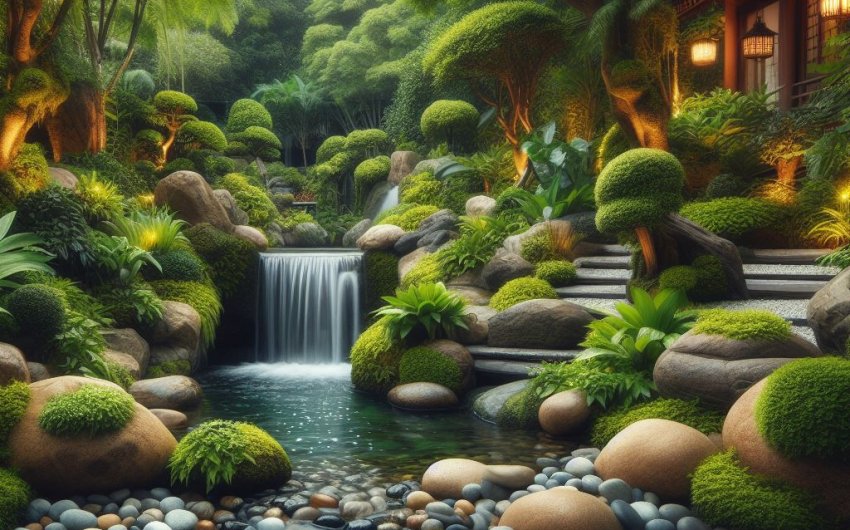
Riverside retreat: Dive into the serenity of a river rock garden by thoughtfully incorporating smooth, rounded stones into your landscape design, evoking the calming aesthetic of a natural streambed or a tranquil Japanese-inspired space. These gardens emphasize textural contrasts, water-wise plantings, and the inherent peacefulness of stone, transforming ordinary outdoor areas into low-maintenance, visually rich havens that provide a profound sense of calm. Thoughtful integration for a river rock garden truly captures this riverside tranquility.
What Exactly Defines a River Rock Garden?
To truly dive into the serenity of a river rock garden, it's important to understand what distinguishes this landscaping style from other rock-based designs. A river rock garden is a specific type of outdoor space that predominantly uses smooth, rounded, water-tumbled stones, often called river pebbles or river rock, to create an aesthetic inspired by natural riverbeds, stream banks, or tranquil water features. It's a design approach that emphasizes flowing tranquility and a natural, organic feel, distinct from the ruggedness of an alpine rockery or the starkness of some desert landscapes.
Here are the key characteristics that define a river rock garden:
- Dominance of Smooth, Rounded Stones:
- Material: The primary material is river rock in various sizes, from fine pebbles to larger cobblestones and even smooth boulders. The key is their naturally rounded, water-worn texture.
- Aesthetic: This smooth texture is central to the design's calm and flowing aesthetic, evoking the gentle movement of water.
- Function: This type of rock also contributes to excellent drainage.
- Emphasis on Flow and Movement:
- Organic Lines: River rock gardens typically feature meandering, curvilinear lines in their pathways, dry creek beds, and planting areas, mimicking the natural flow of water.
- Illusion of Water: Even without active water, the arrangement of the rocks often creates the illusion of a flowing stream or calm pool, contributing to the sense of tranquility.
- Textural Contrasts:
- Hard vs. Soft: The smooth, hard texture of the river rock is deliberately contrasted with the soft, flowing forms of ornamental grasses, the delicate fronds of ferns, or the lush foliage of carefully selected plants.
- Plant Palette: Plant choices focus on species that either complement the "riverbank" aesthetic or offer strong textural interest, often with an emphasis on water-wise or riparian-style plants.
- Low Maintenance and Water-Wise:
- Sustainability: Many river rock gardens are designed with xeriscaping principles in mind, utilizing drought-tolerant plants and inorganic mulch (the rocks themselves) to minimize water consumption.
- Reduced Upkeep: The extensive use of rock as groundcover, often with landscape fabric underneath, significantly reduces weeding, mowing, and other intensive maintenance tasks.
- Sense of Serenity and Calm:
- Aesthetic Impact: The smooth stones, gentle curves, and naturalistic planting combine to create a deeply peaceful and meditative atmosphere, offering a true riverside retreat.
- Japanese Influence: This style often draws inspiration from Japanese garden design, which values natural elements, balance, and quiet contemplation.
- Functional Elements Integrated as Art:
- Dry Creek Beds: A key component, used for stormwater management, becomes a beautiful, flowing design element.
- Pond Edging/Waterfalls: River rocks naturally integrate active water features into the landscape.
In essence, a river rock garden is a harmonious blend of aesthetics and functionality, leveraging the unique qualities of smooth stones to create a serene, low-maintenance, and visually rich outdoor space. It's an invitation to "dive into the serenity" and enjoy a true riverside retreat in your own backyard.
Why Do People Choose to Create a River Rock Garden?
People are increasingly drawn to creating a river rock garden for a compelling blend of aesthetic, practical, and environmental reasons, making it a highly desirable landscaping choice. Beyond its unique beauty, this style offers solutions to common gardening challenges while fostering a sense of calm and natural harmony. Understanding these motivations highlights why so many seek to "dive into the serenity" of a river rock garden as their ultimate outdoor sanctuary.
Here’s why people choose to create a river rock garden:
- Low Maintenance and Easy Care:
- Reduced Labor: This is a major draw. River rock gardens require significantly less mowing, weeding, fertilizing, and seasonal replacement compared to traditional lawns or heavily planted flower beds.
- Weed Suppression: When installed correctly with a quality landscape fabric underneath, river rock acts as an excellent weed barrier.
- Longevity: Rocks don't decompose, fade, or blow away, meaning they offer a long-lasting, permanent solution without annual replenishment.
- Water Conservation (Xeriscaping Principles):
- Drought Tolerance: River rock gardens are often designed with xeriscaping in mind, incorporating drought-tolerant plants that thrive with minimal irrigation once established.
- Efficient Water Use: They minimize thirsty turf grass areas and allow rainwater to naturally infiltrate the soil (in dry creek beds), reducing runoff and contributing to groundwater recharge.
- Cost Savings: Lower water bills are a direct and tangible benefit.
- Effective Drainage and Erosion Control:
- Stormwater Management: Dry creek beds, a cornerstone of river rock gardens, are highly effective at capturing, channeling, and safely redirecting rainwater runoff from roofs, driveways, or slopes.
- Erosion Prevention: The rocks slow down water flow, preventing soil erosion and protecting vulnerable areas of the landscape.
- Problem Solver: Ideal for yards with persistent puddling, drainage issues, or sloped terrain.
- Unique Aesthetic and Serene Ambiance:
- Natural Beauty: The smooth, rounded texture of river rock evokes the calming beauty of natural waterways, bringing a sense of fluidity and tranquility to the landscape.
- Visual Interest: The interplay of varied rock sizes, colors, and textures, combined with carefully chosen plants, creates a dynamic and captivating outdoor space.
- Sense of Calm: The naturalistic design and low-maintenance nature contribute to a peaceful, meditative atmosphere, creating a true riverside retreat in your own backyard.
- Year-Round Appeal: Rocks provide structure and beauty even when plants are dormant, ensuring the garden remains attractive in all seasons.
- Versatility and Design Flexibility:
- Adaptable: River rock gardens can be designed to suit many styles, from contemporary and minimalist to rustic, woodland, or Japanese-inspired aesthetics.
- Complements Other Features: They seamlessly integrate with water features (ponds, waterfalls), patios, and planted beds.
- Durability and Resilience:
- Weather-Resistant: Rocks are incredibly durable and withstand all types of weather conditions without degrading.
- Permanent: Once installed, a river rock feature is a long-term addition to the landscape.
- Pest Deterrent:
- Unlike organic mulches, river rock does not attract pests like termites, slugs, or snails.
In summary, creating a river rock garden is a decision driven by a desire for beauty that works smarter, not harder. It's about designing a landscape that is resilient, sustainable, visually captivating, and profoundly peaceful, inviting you to "dive into the serenity" and enjoy a truly unique riverside retreat that perfectly balances aesthetics with practical functionality.
What Are the Key Design Principles for a Serene River Rock Garden?
To truly capture the serenity and "dive into the serenity" of a river rock garden, specific design principles must be meticulously applied. These guidelines focus on mimicking the natural world while creating a harmonious and balanced space that exudes calm and visual interest. Adherence to these principles is crucial for crafting a river rock garden that feels authentic, peaceful, and visually engaging, a true riverside retreat.
Here are the key design principles for a serene river rock garden:
- Embrace Organic Flow and Curvilinear Lines:
- Principle: Natural waterways rarely run in straight lines. The design should reflect this fluid, natural movement.
- Application: Create gently winding, meandering pathways, dry creek beds, and borders. Allow these lines to guide the eye smoothly through the garden, creating a sense of natural movement and grace. Avoid harsh angles or rigid geometric shapes for the main rock features.
- Impact: Evokes the natural tranquility of a flowing river, creating a soft, inviting atmosphere.
- Vary Rock Sizes, Shapes, and Textures:
- Principle: A natural riverbed isn't uniform; it's a dynamic mix of different stones.
- Application: Use a range of river rock sizes, from fine pebbles and medium stones for the main body to larger cobblestones and smooth boulders as accents or to create "banks" and "eddies." Partially bury larger rocks to make them look integrated. This also helps with functional drainage.
- Impact: Adds depth, realism, and rich visual texture, preventing the garden from looking flat or artificial. You can often buy bags of decorative river rock in mixed sizes.
- Strategic Use of Color (Subtle and Harmonious):
- Principle: River rock colors are naturally muted and harmonious. The overall palette should be calm and integrated.
- Application: Choose river rock that complements your home's exterior and the surrounding natural environment (grays, browns, tans, creams, blacks). Introduce subtle pops of color with drought-tolerant plants or a few selected flowering accents. Avoid overly bright or clashing colors in large quantities.
- Impact: Enhances the peaceful, earthy, and natural aesthetic.
- Emphasis on Texture and Form in Planting:
- Principle: Since the rock provides solidity, plants should offer a soft contrast.
- Application: Select plants primarily for their foliage texture (fine ornamental grasses, spiky succulents, broad-leafed hostas), unique forms (agaves, yuccas), and subtle movements (grasses swaying in the wind). Plant in naturalistic drifts or clusters along the "banks" of the dry riverbed.
- Impact: Softens the hard edges of the stone, adds life, and creates dynamic visual interest through the interplay of hard and soft.
- Create Balance and Asymmetry:
- Principle: While balance is important, strive for asymmetrical balance (as in nature or Japanese gardens) rather than perfect symmetry.
- Application: Place larger boulders off-center. Arrange groups of three plants instead of two. Let paths gently curve rather than go straight.
- Impact: Creates a more dynamic, natural, and visually engaging composition.
- Incorporate Water (Active or Illusory):
- Principle: Water is integral to the "river" concept.
- Application:
- Dry Creek Bed: The core feature, creating the illusion of flowing water.
- Active Water Feature: Integrate a small, bubbling fountain, a bird bath, or a miniature pond directly into the rock garden, edged with river rock. The sound of water is deeply calming.
- Impact: Enhances the sense of tranquility and reinforces the riverine theme. You can find small garden fountains that fit perfectly.
- Layering for Depth:
- Principle: Create a sense of depth and three-dimensionality.
- Application: Use taller ornamental grasses or small shrubs in the background, medium-sized plants in the mid-ground, and low-growing groundcovers or fine pebbles in the foreground.
- Impact: Makes the garden feel more expansive and inviting.
By thoughtfully applying these key design principles, you can create a river rock garden that is not just aesthetically pleasing but also profoundly serene, inviting you and your guests to "dive into the serenity" of a beautifully crafted riverside retreat.
What Are the Best Plants to Complement a River Rock Garden?
Choosing the best plants to complement a river rock garden is crucial for successfully achieving that flowing tranquility and integrated natural aesthetic. Since the stones provide much of the permanent structure and texture, the plants should be selected for their ability to soften hard edges, provide movement, and thrive in the often gritty, well-drained conditions that river rock landscaping creates. These plant choices are vital for bringing your riverside retreat to life and ensuring perennial pleasures.
Here are some of the best plants to complement a river rock garden:
1. Ornamental Grasses (For Movement and Softness)
These are indispensable for adding life, movement, and a crucial textural contrast to the hardscape.
- Blue Fescue (Festuca glauca): Low-growing, clumping grass with striking blue-gray foliage that creates a cool color contrast against most river rocks.
- Care: Full sun, very well-drained soil. Drought tolerant.
- Mexican Feather Grass (Stipa tenuissima): Fine-textured, airy plumes that sway gracefully in the slightest breeze, adding a sense of dynamic flow to the garden.
- Care: Full sun, well-drained soil. Drought tolerant.
- Little Bluestem (Schizachyrium scoparium): Native upright grass with blue-green foliage that turns coppery-red in the fall, offering excellent seasonal interest.
- Care: Full sun, well-drained soil. Very drought tolerant.
- Liriope (Lilyturf, Liriope muscari): Grass-like perennial that forms a dense clump, with green or variegated foliage. Very tough and adaptable.
- Care: Full sun to partial shade, adaptable to various soils, good drought tolerance. You can find various ornamental grasses for xeriscape at specialized nurseries.
2. Succulents and Cacti (For Bold Forms and Drought Tolerance)
Ideal for a more arid, desert-inspired river rock garden.
- Agave (Agave species): Architectural, spiky rosettes that provide strong focal points and dramatic contrast to smooth rocks.
- Care: Full sun, extremely well-drained soil. Very drought tolerant.
- Yucca (Yucca species): Similar to agave with sword-like leaves, some forming tree-like trunks.
- Care: Full sun, extremely well-drained soil. Very drought tolerant.
- Sedum (Stonecrop): Many varieties, from low-spreading groundcovers (e.g., Sedum spurium) to upright, clumping types. Offer diverse colors and textures.
- Care: Full sun to partial shade, well-drained soil. Drought tolerant.
- Sempervivum (Hens and Chicks): Small, intricate rosettes perfect for tucking into rock crevices or between larger stones.
- Care: Full sun, extremely well-drained, lean soil.
3. Creeping and Trailing Plants (For Softening Edges)
These plants spill over rocks and soften the hard edges of the dry riverbed.
- Creeping Thyme (Thymus serpyllum): Fragrant, low-growing mat with tiny leaves and small flowers. Tolerates some foot traffic.
- Care: Full sun, very well-rained soil. Drought tolerant.
- Dianthus (Pinks, creeping varieties): Low-mounding plants with grassy foliage and fragrant pink, red, or white flowers.
- Care: Full sun, well-drained, often prefers slightly alkaline soil.
- Aubrieta (False Rockcress): Forms a dense mat of evergreen foliage covered in purple, pink, or blue flowers in early spring.
- Care: Full sun, well-drained soil.
4. Drought-Tolerant Perennials and Shrubs (For Background and Structure)
These fill in larger areas and provide more substantial forms.
- Lavender (Lavandula species): Silvery, fragrant foliage and spikes of purple flowers.
- Care: Full sun, excellent drainage. Drought tolerant.
- Rosemary (Rosmarinus officinalis): Woody herb with aromatic, needle-like leaves, can be upright or creeping.
- Care: Full sun, well-drained soil. Drought tolerant.
- Coneflower (Echinacea species): Classic daisy-like flowers in various colors, very tough and attractive to pollinators.
- Care: Full sun, adaptable to various soils, good drought tolerance.
- Yarrow (Achillea species): Flat-topped flower clusters and fern-like foliage, highly drought-tolerant.
- Care: Full sun, well-drained soil.
- Daylily (Hemerocallis species): Extremely adaptable and tough, offering a wide range of flower colors. Some are more drought tolerant than others once established.
- Care: Full sun to partial shade, adaptable soil. You can find many drought tolerant plants for rock gardens from reputable sources.
5. Water-Loving Plants (If your riverbed occasionally gets wet):
For dry creek beds that are designed to actually carry water during rains, you can plant moisture-tolerant plants along the banks (not directly in the rocky channel itself).
- Ferns (e.g., Ostrich Fern, Japanese Painted Fern): Provide delicate texture for shaded areas.
- Hostas: Large, bold foliage for partial shade.
- Iris (e.g., Louisiana Iris, Siberian Iris): Can tolerate occasional wet feet.
- Care: These need more consistent moisture than true drought-tolerant plants.
Tips for Integrating Plants with River Rock:
- Plant in Groups: Plant in naturalistic drifts or clusters rather than single, isolated specimens to create a more cohesive and impactful look.
- Contrast Textures: Aim for a balance between the hard, smooth rock and soft, flowing, or spiky plant textures.
- Prepare Planting Pockets: Even with a rock garden, ensure the actual planting pockets have a well-draining, gritty soil mix that will support the plants' root systems.
- Water During Establishment: Even drought-tolerant plants need regular watering during their first growing season to establish strong roots.
By carefully selecting these complementary plants, you can populate your river rock garden with life, creating a beautiful and harmonious riverside retreat that truly allows you to "dive into the serenity" of a naturally inspired landscape, ensuring perennial pleasures year after year.